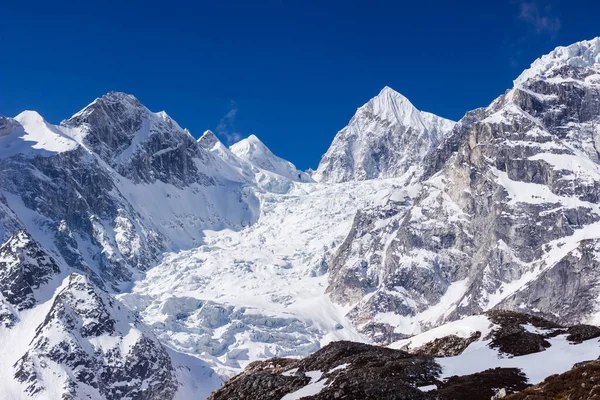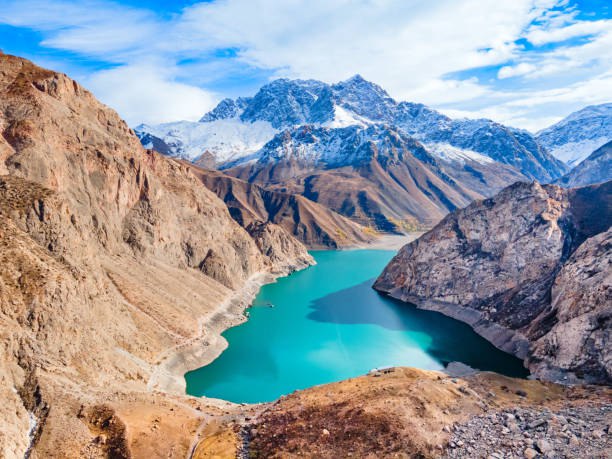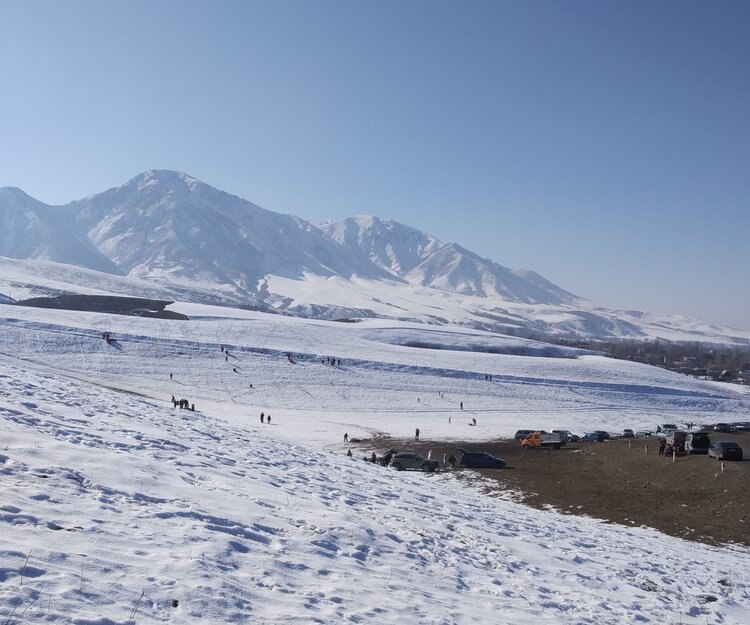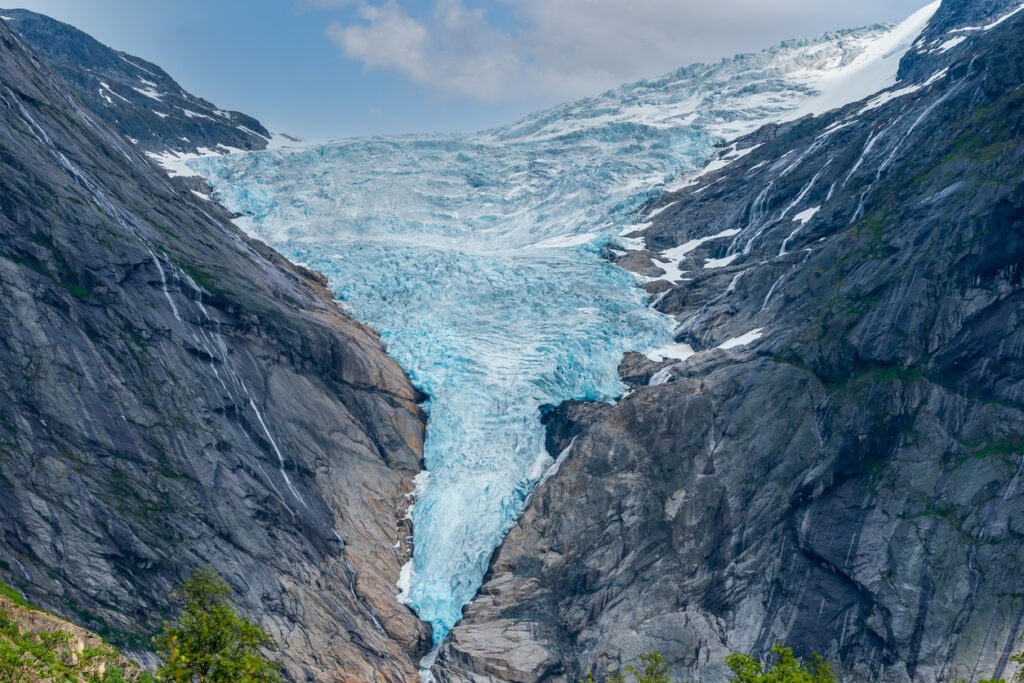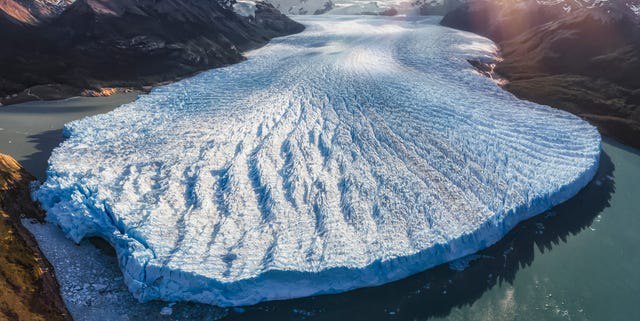
While most of the world’s glaciers are retreating due to climate change, a rare anomaly has been discovered in the Pamir Mountains. Researchers have identified a glacier in eastern Tajikistan that is not melting but is, in fact, growing.
The discovery, reported by Popular Mechanics, concerns the Kon-Chukurbashi ice cap, a rare formation demonstrating resilience in the face of global warming.
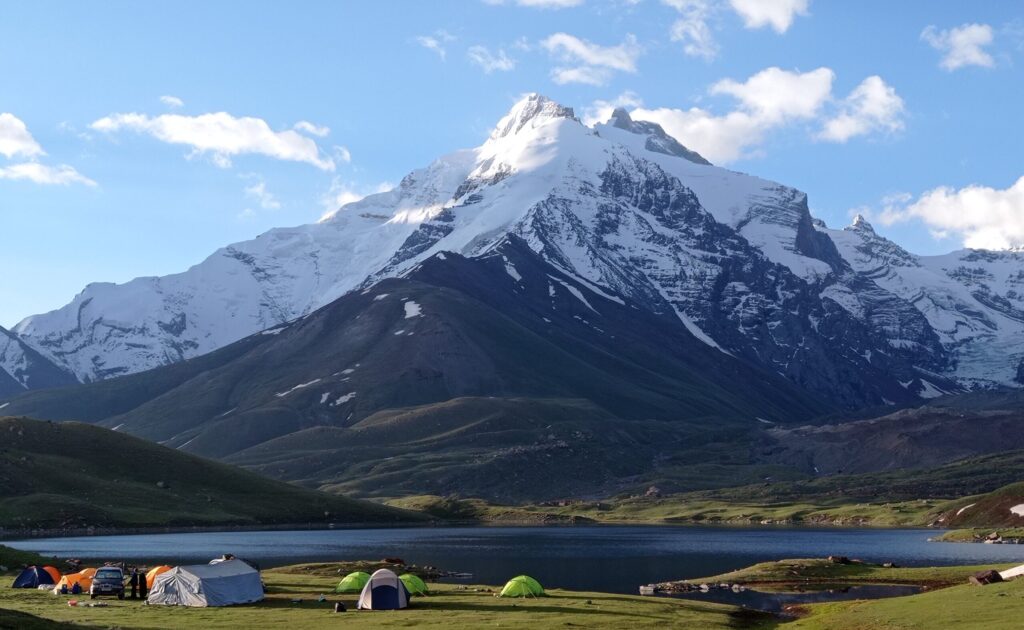
Located in the Sarykol Range of the Pamirs, near the Chinese border, the glacier lies on the slopes of the peak bearing the same name. The expedition reached an altitude of approximately 5,810 meters (nearly 19,000 feet) above sea level to conduct research.
Scientists extracted two ice cores, each over 100 meters long, from the glacier. These cores preserve up to 30,000 years of climate history. One was sent to the Ice Memory Foundation’s underground archive in Antarctica for long-term preservation. The other was delivered to the Institute of Low Temperature Science at Hokkaido University in Japan, where Professor Yoshinori Iizuka is leading an investigation into the glacier’s mass gain.
Researchers hope the analysis of the ice’s structure, trapped air bubbles, and chemical composition will help explain why this glacier defies global trends. Understanding these mechanisms could offer insight into glacial stability not only in Central Asia but globally.
The region, often referred to as the “Roof of the World”, is characterized by extreme altitudes, a harsh continental climate, and a near-total absence of permanent human settlement. Due to its remoteness, access to Kon-Chukurbashi is limited primarily to scientific missions, underscoring the rarity and importance of the data collected.
Scientists believe that studying this glacier could provide critical insights into the future of freshwater resources and climate risk assessment in mountainous regions worldwide.