Several education officials in Tajikistan have been dismissed following an unannounced inspection by Minister of Education and Science Rahim Saidzoda, according to the ministry’s press service.
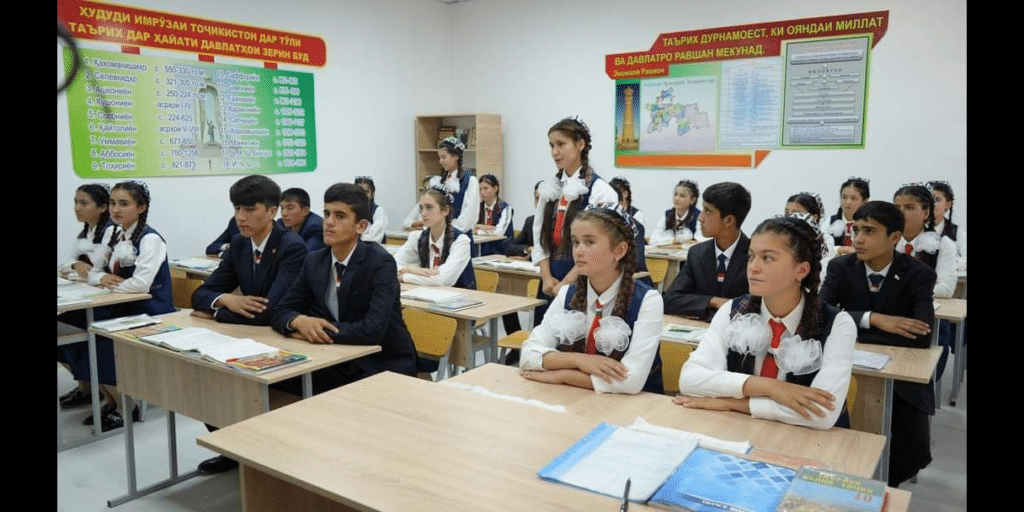
On September 19, the minister conducted surprise visits to schools in the Yavan and Rudaki districts, inspecting teaching quality, student and staff discipline, classroom attendance, foreign language proficiency, and readiness for the autumn-winter season.
At School No. 16 in Yavan, only half the students were present, and eighth and ninth-grade classes had been improperly combined. Of 21 available computers, only three were operational. Students were unable to answer basic questions in Russian and English and struggled to define “information technology.”
The minister also reported poor discipline, unsanitary conditions, and inadequate winter preparedness. School director Munira Mirzozoda, who had served for over 11 years, was dismissed for what the ministry described as “irresponsible fulfillment of official duties.”
At School No. 14 in Rudaki, the director was absent at the time of the visit. Classrooms were in disrepair, the transition to a 10-point grading system was delayed, and foreign language instruction was found lacking.
At the kindergarten attached to the same school, the head was also absent, and the teaching staff received criticism for performance issues. On September 22, the ministry announced the dismissal of School No. 14 director Amriddin Rahmonov and kindergarten head Zarragul Faizova.
Following the Yavan inspection, the ministry reported that all school computers were repaired, IT usage was improved, attendance increased, and class schedules were brought into compliance with national standards. The unauthorized practice of combining different grade levels was halted.
The ministry emphasized that quality education depends on “strict compliance with standards and high responsibility from all employees of the system from management to support staff.”
This was not Saidzoda’s first surprise visit. He previously inspected schools in the town of Hisor and kindergartens in Dushanbe, where similar issues were observed, including poor discipline, unsanitary conditions, and low student engagement.
Experts continue to highlight long-standing problems in Tajikistan’s education sector, including shortages of qualified teachers, inadequate school infrastructure, and limited access to learning materials. Parents frequently voice concerns over the quality of instruction and are often asked to contribute funds for school maintenance and repairs.