In March 2026, Kazakhstan moved into the spotlight of the global mining industry. Against the backdrop of an accelerating energy transition and a growing shortage of critical minerals, the government has launched a large-scale geological exploration program. Its strategic objective is to position the country as a key supplier of copper and rare earth elements (REEs) to global markets.
For Western investors, this represents an important signal. A significant, relatively underexplored resource base is emerging, supported by regulatory reforms designed to facilitate access.
The state assumes early-stage risks
The new investment cycle was officially presented at PDAC 2026, one of the world’s largest mining conventions held in Toronto. Unlike previous initiatives that were largely declarative, Kazakhstan has backed its strategy with direct funding: approximately $81 million has been allocated from the state budget for geological exploration.
The funds are intended to support a comprehensive assessment of mineral resources in 11 regions of the country.
The central rationale is to lower entry barriers for private capital. The government is financing early-stage geological work, including mapping, airborne geophysical surveys, and preliminary resource evaluations. Investors are expected to receive access to “pre-qualified” sites with confirmed potential, an approach commonly used in established mining jurisdictions.
This is particularly important because early exploration has historically been the riskiest and most capital-intensive phase of mining projects.
The energy transition reshapes demand
Growing interest from Western investors is driven by both domestic reforms and global market dynamics.
Forecasts by the International Energy Agency indicate that demand for key minerals such as copper, lithium, and cobalt is likely to rise substantially by 2040. Existing mining and processing capacities may prove insufficient to meet projected needs.
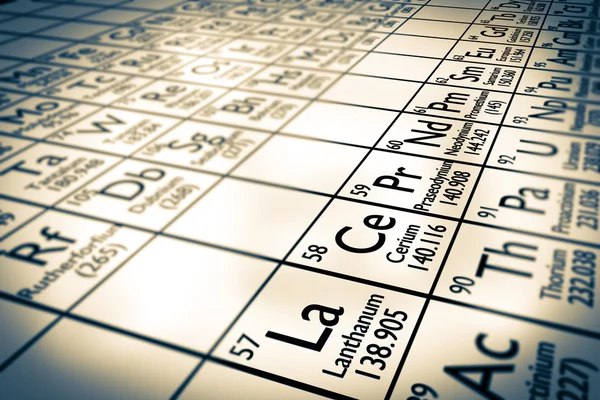
At the same time, geopolitical tensions are increasing. Processing of rare earth elements remains concentrated in a limited number of countries, making global supply chains vulnerable to disruption.
In response, the United States and the European Union have introduced policies aimed at diversifying sources of critical raw materials. The EU’s Critical Raw Materials Act seeks to encourage investment in alternative supply chains.
Against this backdrop, Kazakhstan, whose mineral exploration has historically focused on oil and uranium, is emerging as a potential contributor to global diversification efforts.
Focus on junior mining companies and regulatory transparency
One of the government’s key tools for attracting investment is the development of an ecosystem of junior mining companies specializing in early-stage exploration.
Unlike large corporations, junior firms are often willing to assume the risks associated with drilling and initial geological assessments. If commercially viable deposits are identified, these companies typically sell their assets to strategic investors, helping to create a venture-capital-style market within the extractive sector.
To support this model, Kazakhstan has reformed its Subsoil Code, introducing a “first come, first served” licensing principle. Digital platforms are now used to allocate exploration rights, reducing processing times and limiting opportunities for corruption. In effect, the country is adopting regulatory practices similar to those used in Australia, widely regarded as one of the world’s most investor-friendly mining jurisdictions.
$1.1 billion project signals growing investor interest
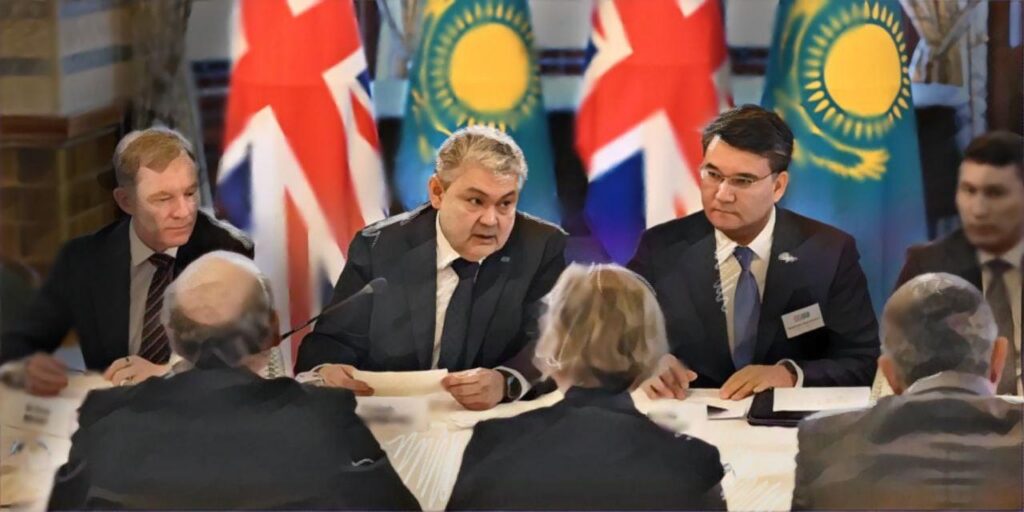
Investor engagement is already moving beyond preliminary discussions. In mid-March 2026, Minister of Industry and Construction Yersain Nagaspayev held talks with the U.S.-based company Cove Kaz Capital Group regarding a potential $1.1 billion project.
The discussions focus on developing the North Katpar and Upper Kairakty deposits, believed to contain significant tungsten reserves.
A notable feature of the proposed agreement is the emphasis on downstream processing. The investor is expected to construct two processing plants, establish metallurgical production, and limit exports of unprocessed raw materials.
This reflects a broader policy shift. Kazakhstan is seeking to move from a predominantly resource-export model toward industrial development. Linking access to mineral deposits with commitments to domestic processing could help generate added value within the country, create around 1,000 jobs, and stimulate the development of local supply chains.
Infrastructure constraints remain a key challenge
Despite improving investment conditions, systemic risks persist.
The most significant constraint is the energy sector. Mining operations require large volumes of reliable and affordable electricity, while Kazakhstan is already experiencing power-generation shortages. In addition, environmental, social, and governance (ESG) requirements are placing growing pressure on project developers, as international investors increasingly demand access to low-carbon energy sources.
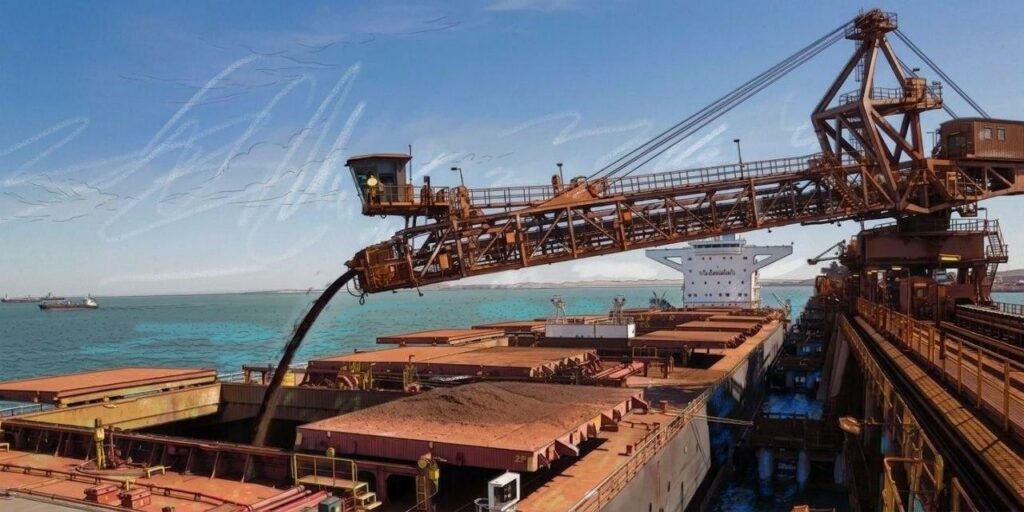
Logistics present another major constraint. Exporting minerals from the center of Eurasia requires further modernization of transport infrastructure, particularly along the Trans-Caspian International Transport Route, also known as the Middle Corridor.
Without substantial infrastructure investment, the pace of project implementation could slow.
Allocating tens of billions of tenge to geological exploration is therefore not a short-term measure but part of a broader strategy to diversify Kazakhstan’s economy and reduce its dependence on oil revenues. Critical minerals offer the country an opportunity to integrate into emerging global value chains linked to renewable energy, electric vehicles, and advanced technologies.