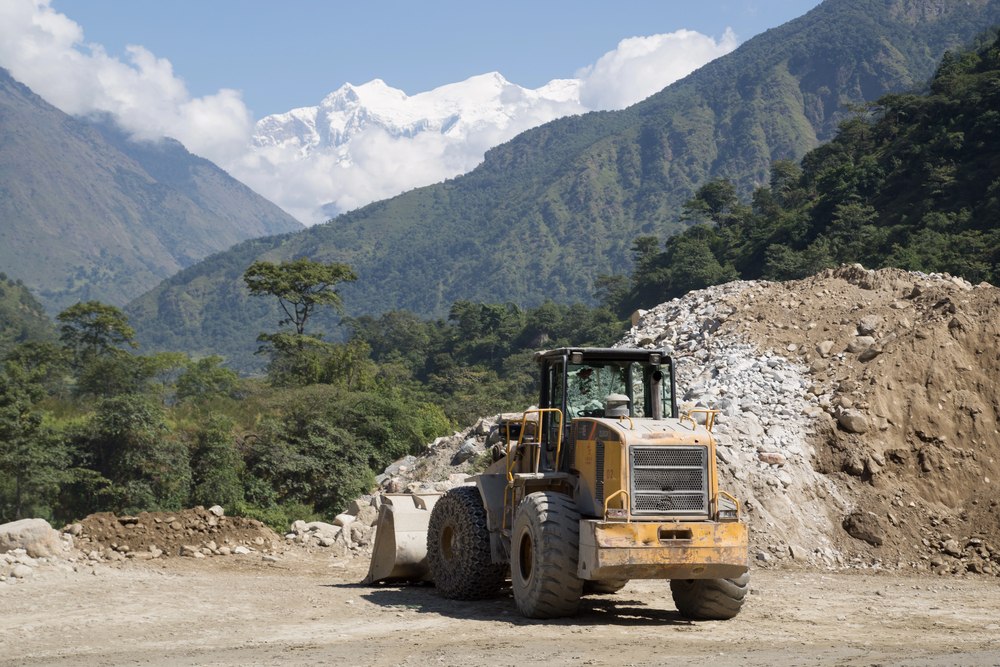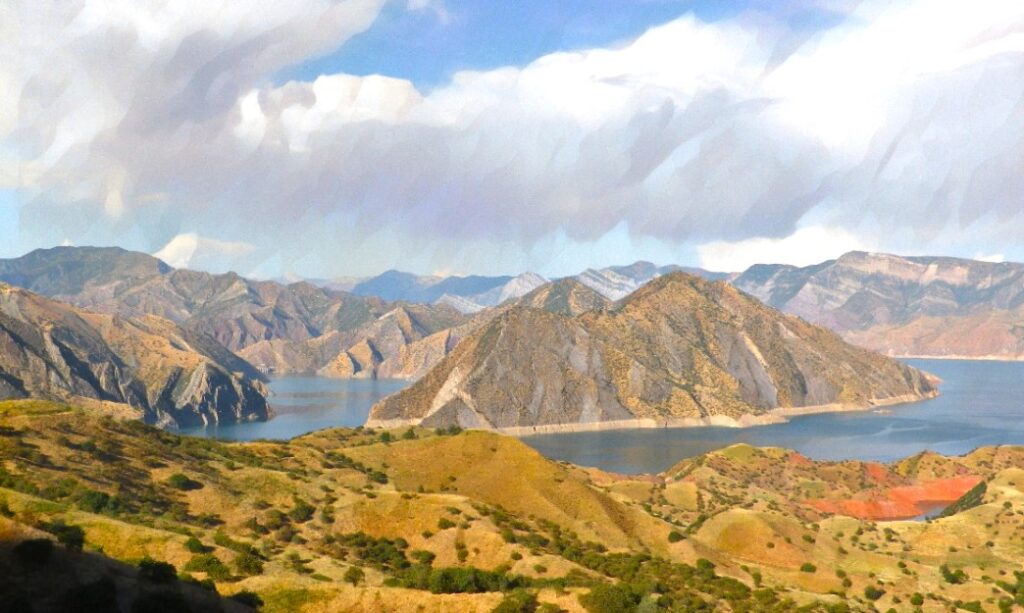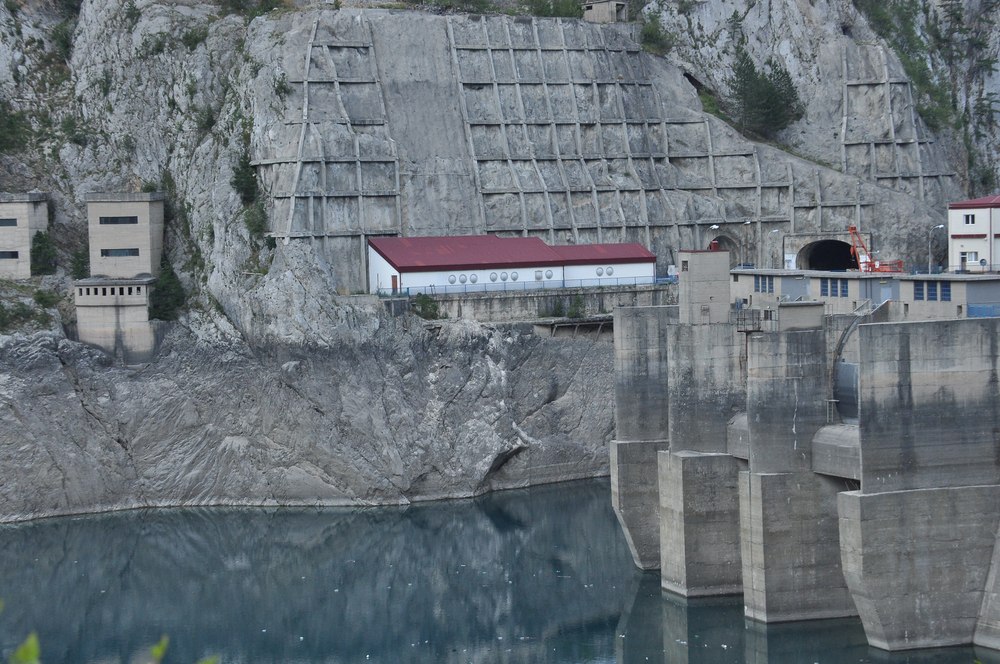
The World Bank Group and Italy’s state-controlled development bank, Cassa Depositi e Prestiti (CDP), have signed a co-financing agreement to support construction of Tajikistan’s Rogun Hydropower Plant, CDP and the World Bank’s office in Tajikistan said.
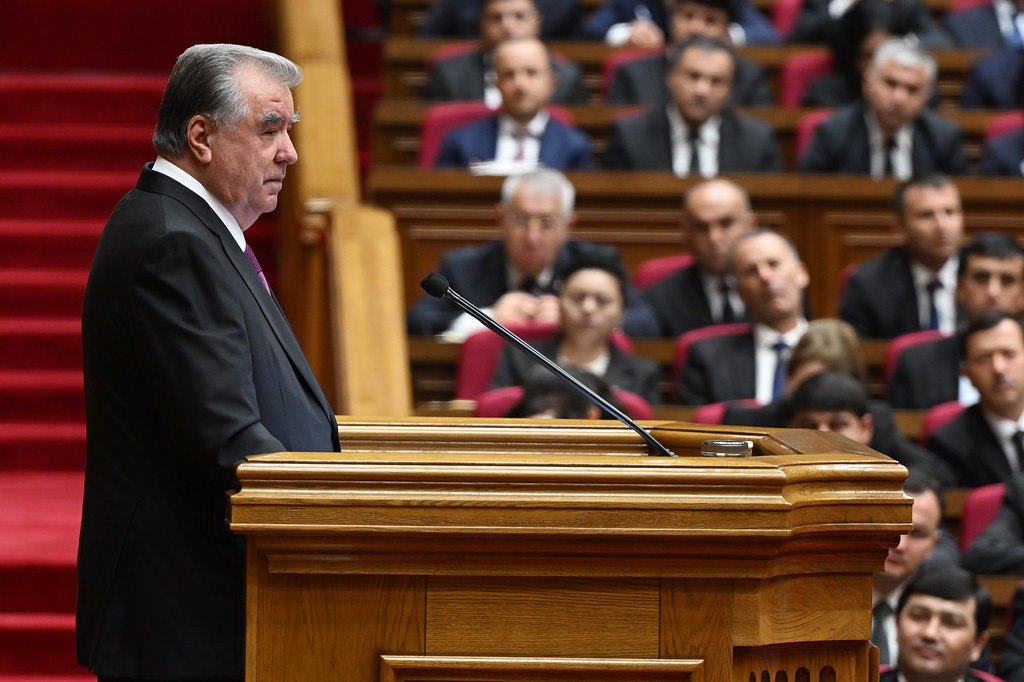
The signing ceremony took place at Tajikistan’s Ministry of Finance in Dushanbe.
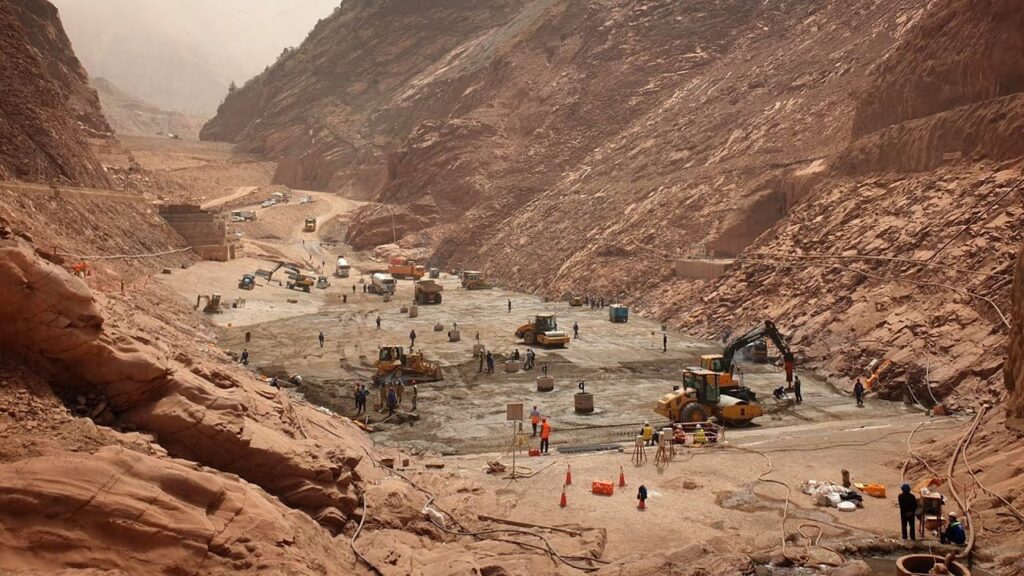
Under the agreement, the Italian Climate Fund will provide $150 million for the project. The funds will be managed by CDP on behalf of Italy’s Ministry of Environment and Energy Security. CDP said the financing would support construction work on the right bank of the Rogun Dam.
The Rogun Hydropower Plant is being financed by a consortium of 12 international development partners led by the World Bank Group, with CDP among its members.
According to the World Bank, the project is expected to strengthen Tajikistan’s energy security while supporting the development of a cleaner energy market across Central Asia.
The World Bank has already approved $650 million in grant financing for the project through the International Development Association (IDA).
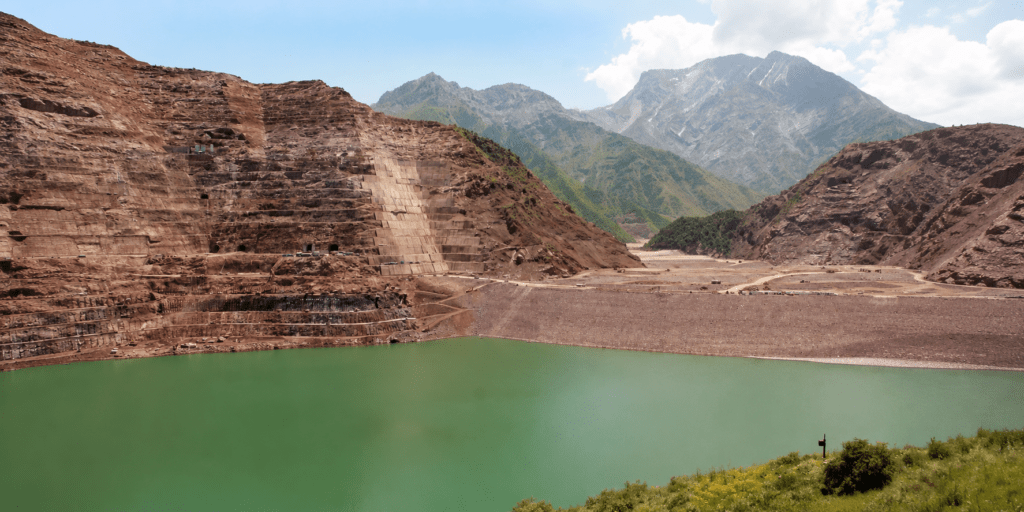
Located on the Vakhsh River, the Rogun Hydropower Plant is the centerpiece of the Vakhsh hydropower cascade. The project originated during the Soviet period, although construction of the current scheme was formally launched in 2017. Once completed, currently scheduled for 2033, the facility is projected to have an installed capacity of 3,780 MW.
The World Bank estimates the plant will generate 14,400 gigawatt-hours of renewable electricity each year, equivalent to about 60% of Tajikistan’s current electricity production. The bank says the project will help reduce the country’s chronic winter electricity shortages, provide more reliable electricity for around 10 million people, create over 30,000 direct and indirect jobs, and enable electricity exports to neighboring Kazakhstan and Uzbekistan.
Despite the new financing, the project continues to face criticism from environmental groups.
The Times of Central Asia previously reported that the World Bank’s Inspection Panel registered a complaint filed by the environmental coalition Rivers Without Boundaries on behalf of downstream communities in Uzbekistan and Turkmenistan. The coalition argued that the project’s environmental and social assessments were outdated and warned that filling the Rogun reservoir could reduce water flows to the Amu Darya delta, accelerate desertification, increase soil salinity, and affect livelihoods downstream.
In June 2025, the World Bank’s Inspection Panel recommended a full investigation. However, in November 2025, the Board of Executive Directors declined to authorize one, saying the complaint did not meet the mechanism’s technical eligibility criteria. Environmental groups criticized the decision. The World Bank has maintained that the project complies with its environmental and social safeguard framework, citing updated assessments, public consultations, and ongoing monitoring.