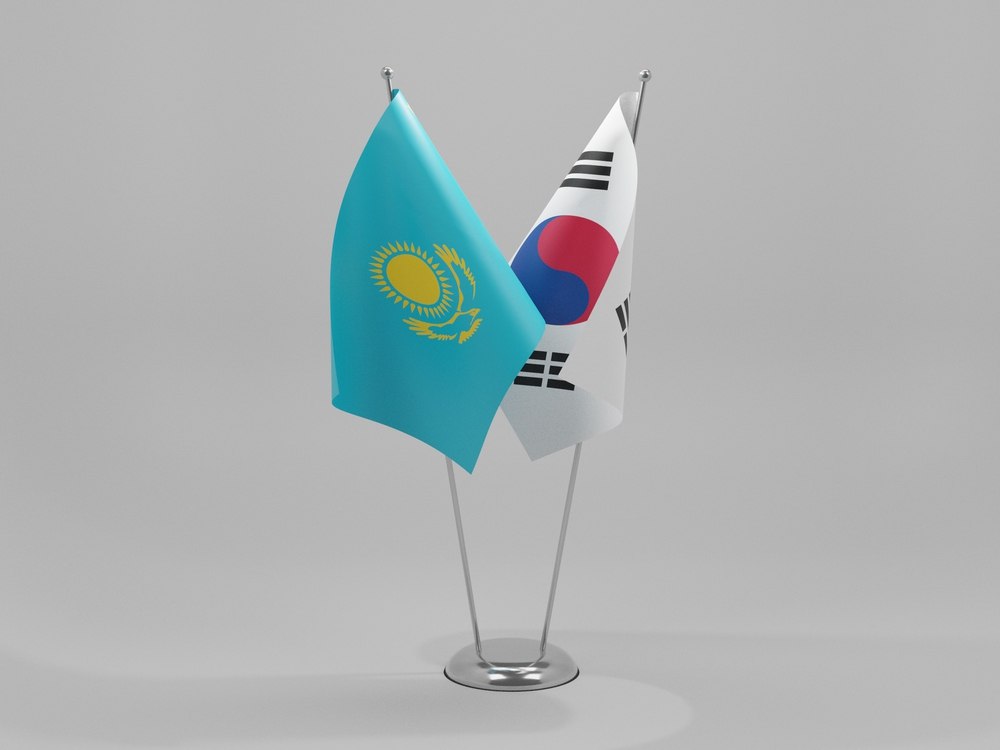
Kazakhstan is using President Kassym-Jomart Tokayev’s state visit to Seoul to press for deeper South Korean involvement in its critical-minerals sector, seeking to extend a relationship already built around cars, energy, and infrastructure into mining and processing.
On September 15, Tokayev is holding talks with South Korean President Lee Jae Myung, with a packed agenda that includes trade, energy, critical minerals, and artificial intelligence. The two sides are expected to exchange 13 bilateral memorandums of understanding following the meeting.
Ahead of the visit, Kazakhstan’s Foreign Minister Mukhtar Tileuberdi told South Korea’s Yonhap News Agency that artificial intelligence and critical minerals were among the promising areas for expanded cooperation.
South Korea is a major producer of cars, batteries, electronics, and semiconductors, but is heavily dependent on imported critical minerals and other raw materials. Kazakhstan, meanwhile, has a large mineral resource base and is seeking foreign technology and capital for exploration, mining, and processing.
On September 14, Nurlan Zhakupov, CEO of Kazakhstan’s sovereign wealth fund Samruk-Kazyna, met South Korean Minister of Trade, Industry and Resources Kim Jung-kwan in Seoul. They discussed oil and gas projects, energy, and the mining and metallurgical sector.
Zhakupov held separate talks with Kwon Yi Kyun, president of the Korea Institute of Geoscience and Mineral Resources (KIGAM), focused on geological exploration and the extraction of critical minerals.
KIGAM has been cooperating with Tau-Ken Samruk since 2024, when it signed a memorandum with the Kazakh mining company and the Ministry of Industry and Construction. The two sides are exploring opportunities in mineral resources and processing technologies.
Kazakhstan and South Korea are also establishing a joint research center in Almaty to study rare-earth elements and other strategically important metals.. The center is intended to support research into processing technologies and train specialists.
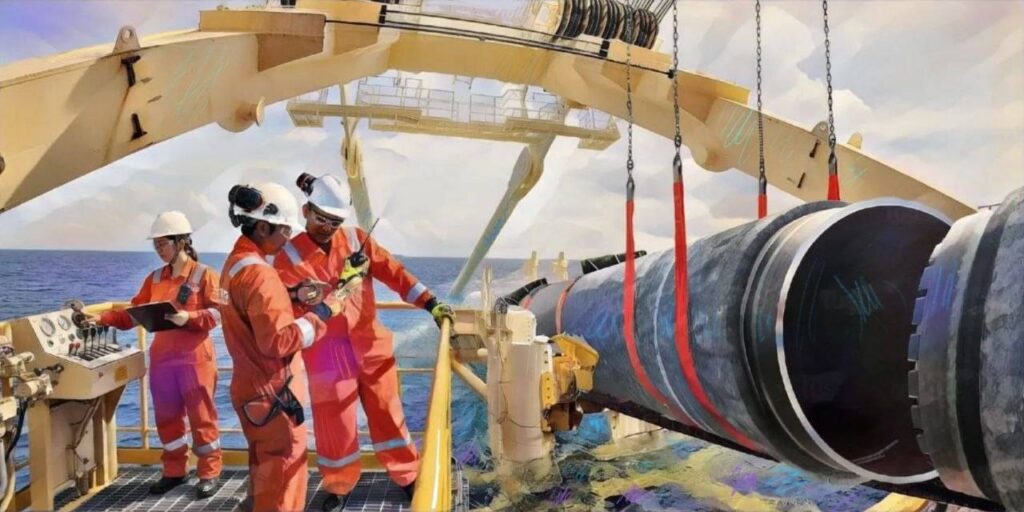
Korean business is already well established in energy. Hyundai Engineering is part of the consortium selected to build a gas processing plant at the Karachaganak field with an annual capacity of 5 billion cubic meters. QazaqGaz is leading the project, with Hyundai Engineering and Italy’s SICIM serving as EPC contractors.
The presence of South Korea’s automotive industry in Kazakhstan dates back even further. Hyundai vehicles are produced in Almaty, while Kia opened a $310 million plant in Kostanay in 2025 with capacity to produce up to 70,000 vehicles a year.
South Korea and the Broader Region
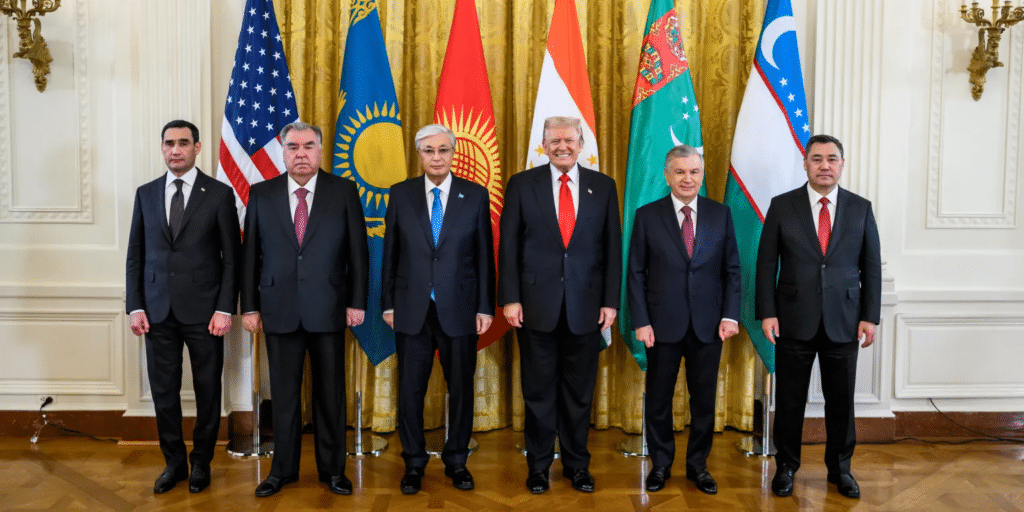
Seoul is stepping up its engagement with Central Asia as a whole. On September 14, South Korea held its first industry ministerial meeting with the five countries of the region, with critical minerals and supply chains among the main topics. The first South Korea-Central Asia Summit is scheduled for September 16.
Major economies are already competing for mineral projects in the region. China has long been involved in mining and processing, the European Union is developing raw-material partnerships with Kazakhstan and Uzbekistan, and the United States is stepping up its work on critical minerals.
South Korea is also gaining a financial tool for such projects. In May, Korea Eximbank and the state-backed Korea Trade Insurance Corporation, or K-SURE, joined an Asian Development Bank initiative to finance critical-mineral value chains. Each signed a memorandum covering up to $500 million in potential financing. The facility can support projects across the value chain, from mining and processing to manufacturing.
For Kazakhstan, this creates an opportunity to connect its mineral resources with Korean industry. Cooperation has already extended into exploration and research, but it has yet to produce a major Korean-backed commercial mine or processing project with a disclosed investment value.
Such a project would mark the point at which South Korea’s growing interest in Kazakhstan’s minerals turns into large-scale industrial investment.