Kazakhstan and South Korea are establishing a joint research and technology center in Almaty to support the development of Kazakhstan’s rare metals and critical minerals industry.
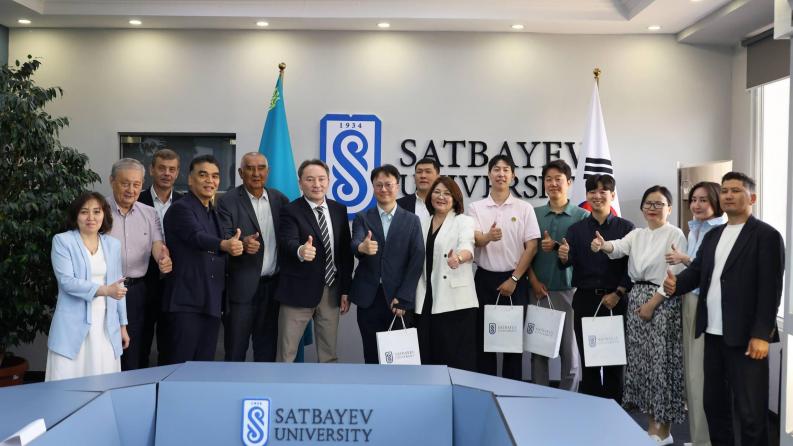
The Kazakh-Korean Center for Rare and Rare Earth Metals will be established at Satbayev University in partnership with the Korea Institute of Industrial Technology and the Korea National Institute of Rare Metals.
During a meeting on July 9, representatives of the three institutions discussed how the project will be carried out. They also reviewed the purchase of modern laboratory equipment and long-term scientific and technological cooperation.
The center will train specialists for Kazakhstan’s growing rare metals industry and give local researchers access to modern analytical and processing equipment. It will also support joint research with international partners.
“The combined scientific potential of Kazakhstan and the Republic of Korea will enable the implementation of modern technologies for processing strategic raw materials, expand scientific research, and train world-class specialists,” Satbayev University Rector Meiram Begentayev said.
According to the university, the facility will become Kazakhstan’s first full-cycle scientific and technological platform dedicated to developing, testing, and commercializing environmentally friendly technologies for the production of high-purity and ultra-high-purity rare and rare earth metals.
The center will also conduct fundamental and applied research and pilot new technologies for processing mineral and industrial raw materials.
The initiative is part of Kazakhstan’s effort to become a major supplier of critical minerals. Demand is rising from electric vehicle makers and renewable energy companies, while semiconductor and defense industries are also increasing their need for rare metals.
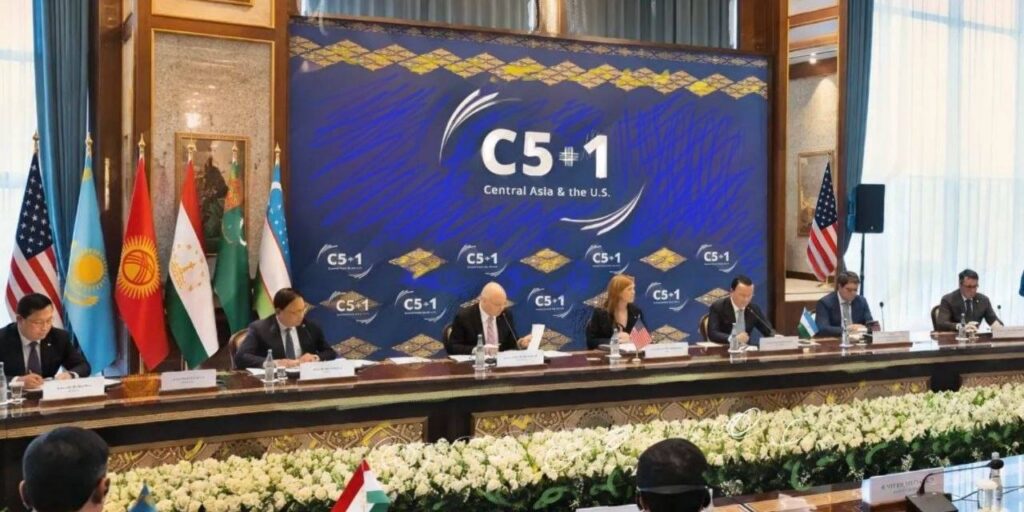
Speaking at the C5+1 Critical Minerals Dialogue in Astana on June 10, Minister of Industry and Construction Yersaiyn Nagaspayev described critical minerals as a strategic priority for Kazakhstan’s industrial policy and long-term economic development.
He said the country has more than 9,500 mineral deposits, including over 100 containing rare and rare earth metals.
Nagaspayev has previously said Kazakhstan is capable of supplying 19 of the 50 critical raw materials identified by the United States and 21 of the 34 minerals included on the European Union’s critical raw materials list, positioning the country as an increasingly important participant in global supply chains.
Kazakhstan already produces strategic materials including beryllium, titanium, tantalum, niobium, rhenium, antimony, bismuth, selenium, and tellurium, both as primary metals and as components used in advanced industrial applications.