China’s energy engagement in Central Asia has undergone a quiet but decisive transformation since 2018. What was once a relationship built almost entirely on pipelines, hydrocarbons, and state-backed fossil fuel projects is now expanding into a much more diversified portfolio in which renewable energy plays an increasingly central role. Kazakhstan and Uzbekistan were the first to attract large-scale Chinese commitments in solar and wind power, yet Kyrgyzstan is quickly emerging as the newest frontier in this shift.
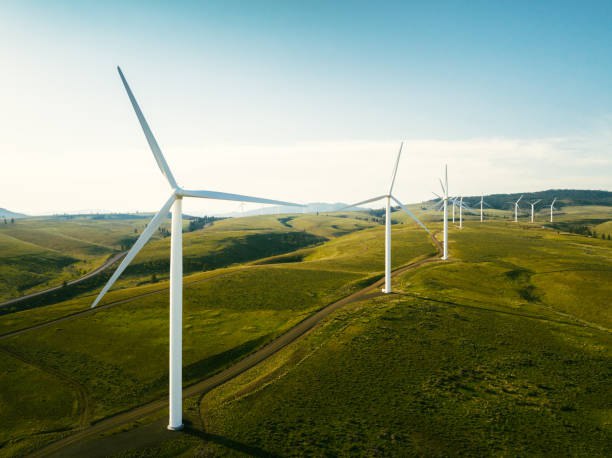
Recent agreements demonstrate how Bishkek is rapidly positioning itself within China’s clean energy expansion. In 2022, Kyrgyzstan signed an agreement with Chinese investors to build a 1-gigawatt solar plant in Issyk-Kul. Furthermore, the government concluded another agreement with Shenzhen Energy Group for the construction of two additional power plants, one solar and one wind.
The Energy Ministry has also reached an investment deal with States Technology Co. and San Energy Co. for a 250-megawatt solar facility in Batken. These projects indicate that Chinese capital is not only filling Kyrgyzstan’s immediate energy gaps, but is also beginning to reshape the country’s long-term energy structure.
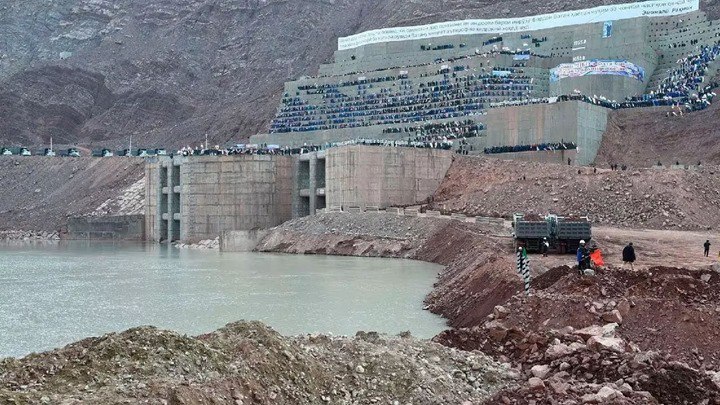
This push toward solar and wind arrives at a critical moment. Kyrgyzstan remains overwhelmingly dependent on hydropower, which generates more than 90% of the country’s electricity. Yet this climate-sensitive resource is now far less stable than in the past.
Shifts in water levels driven by changing weather patterns have introduced new uncertainties into the country’s ability to meet domestic demand. At the same time, electricity consumption has surged at an unprecedented rate, rising by nearly one billion kilowatt hours in a single year due to newly launched industrial enterprises and rapid residential construction.
The combination of climate volatility and soaring consumption has placed the energy system under severe strain. The government has declared a three-year energy emergency and introduced consumption restrictions designed to save approximately 40 kilowatt hours per month. Under these conditions, diversifying away from near-total reliance on hydropower is no longer optional but an urgent strategic necessity.
Solar and wind investments offer a viable path forward. Expanding renewable capacity will give Kyrgyzstan a more predictable and resilient energy base, enabling the country to better manage seasonal shortages and climate-driven disruptions.
Kyrgyzstan also imports all of its fossil fuels. As renewable capacity expands and the use of electric vehicles increases, the country could gradually reduce its dependence on oil imports from Russia, easing both financial pressures and geopolitical exposure.
For this reason, cooperation with China represents more than a set of commercial transactions. It is evolving into a strategic pillar of Kyrgyzstan’s broader effort to strengthen energy security and modernize its power system. Chinese companies bring financing, technology, and implementation speed, all of which are essential for a country facing immediate and long-term energy risks.
The benefits may extend beyond the domestic market. With sufficient renewable capacity, Kyrgyzstan could eventually re-enter regional electricity trade as an exporter. Some estimates suggest that cross-border energy sales could generate up to 220 million dollars annually in foreign currency earnings, providing a significant boost to the economy.
However, cooperation with China also carries risks that Kyrgyzstan must manage carefully. A heavy reliance on Chinese firms may deepen the trade imbalance, since most renewable energy components will need to be imported from China for the foreseeable future.
As cooperation expands, Kyrgyzstan may also find itself increasingly tied to Chinese technical standards, which would integrate the country more deeply into a China-centered technological ecosystem. This could reduce Kyrgyzstan’s flexibility and limit its ability to adopt alternative technologies in the future.
These concerns highlight the need for a broader and more diversified approach. As Kyrgyzstan develops its diversification strategy for electric vehicles, Bishkek should also actively seek partnerships with a variety of countries on renewable energy rather than depending predominantly on China. Expanding the pool of technology providers would give Kyrgyzstan greater room to maneuver while strengthening resilience across the entire energy sector.
Kyrgyzstan should also prioritize negotiations on the localization of renewable energy components. By working with China and other international partners to establish local manufacturing of selected components, the country could increase renewable capacity while also expanding its own industrial base. This approach would allow Kyrgyzstan to maximize the economic benefits of the green transition rather than functioning mainly as an importer of foreign technologies.
With its current strategy, Kyrgyzstan’s cooperation with China brings substantial advantages in the form of energy diversification, improved energy security, and the potential for future electricity exports. Yet the same partnership also creates long-term risks that could deepen the country’s dependence on a single external actor. The ultimate success of Kyrgyzstan’s energy transition will therefore depend on its ability to balance these opportunities with a clear economic policy that prioritizes diverse partnerships and protects national autonomy.