Belarus plans to recruit another 5,000 workers from Uzbekistan’s Andijan Region, significantly expanding a labor migration program that has become one of the most visible outcomes of the growing partnership between the two countries.
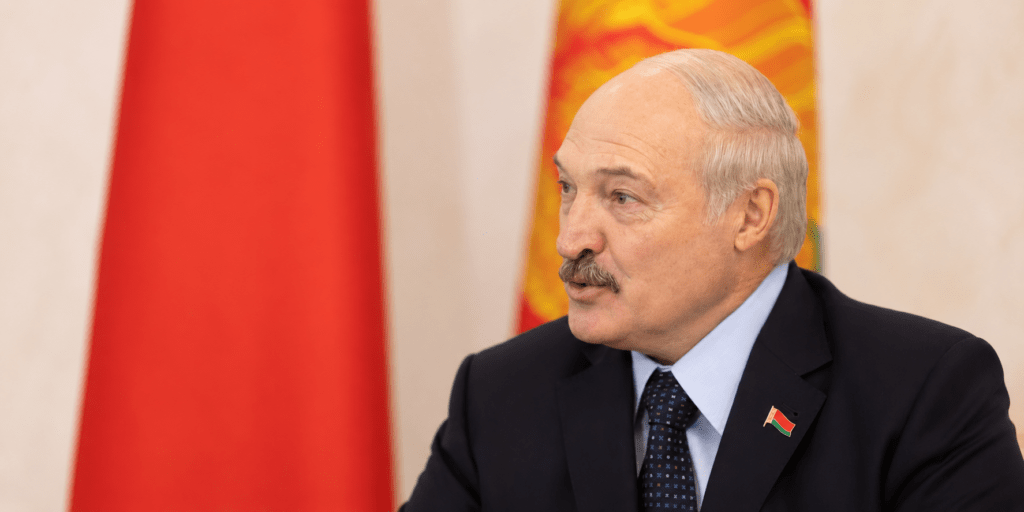
The announcement was made by Belarusian President Alexander Lukashenko during a working visit to the Orsha district of the Vitebsk Region on July 14. Speaking alongside Andijan regional governor Shukhrat Abdurakhmanov, Lukashenko said the additional workers would begin arriving in groups of 500 from September 2026.
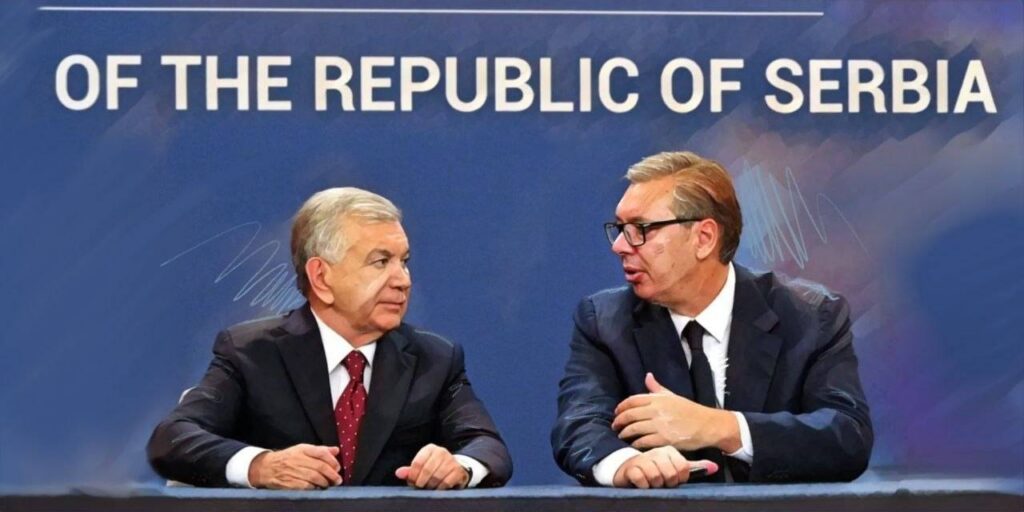
The new recruitment drive follows agreements reached during Uzbek President Shavkat Mirziyoyev’s official visit to Belarus earlier this month, when the two countries elevated their relationship to a strategic partnership and pledged to deepen cooperation across multiple sectors, including labor migration.
During his visit to Vitebsk, Lukashenko described the project as beneficial for both sides.
“I promised the President that we would do this. It is beneficial for us,” he said. “This will help develop the Vitebsk Region.” He also sought to reassure future workers that they would receive the same treatment as local residents.
“When they come here, they must know that they are not strangers to us,” Lukashenko said. “Everything we build will be for people for Uzbeks and Belarusians alike. There will be no difference. Your children will attend kindergartens and schools under the same conditions as Belarusian children. The only thing is that they should work.”
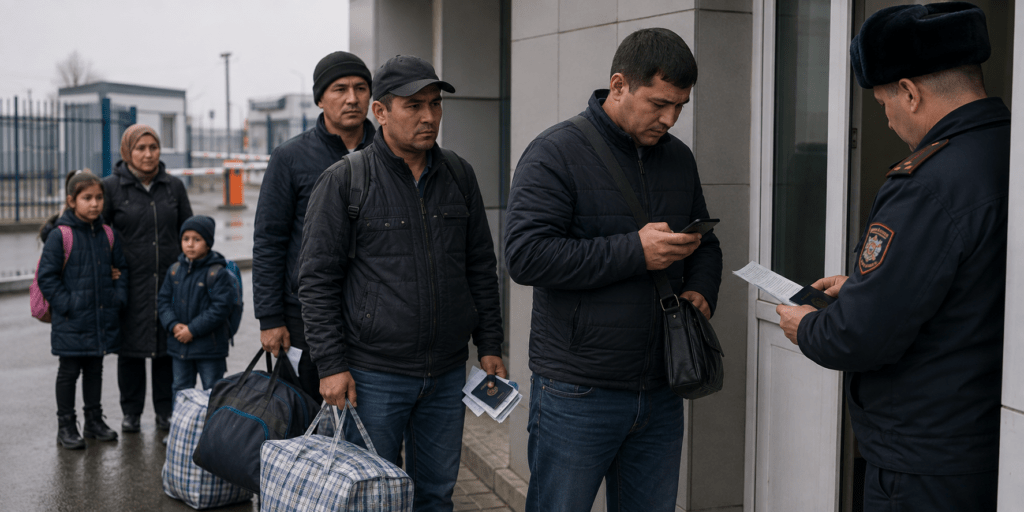
According to Belarusian officials, Uzbek citizens will work in agriculture and construction. They will also work in industry and the service sector, while some will take junior medical roles. Authorities said the first group of 255 workers had already arrived and been assigned to workplaces across the region.
The partnership extends well beyond employment. Belarus plans to provide the Uzbek side with 10 cattle-fattening facilities across seven districts together with 8,000 hectares of agricultural land. The meat produced there is expected to be exported to Uzbekistan. Another 2,000 hectares in the Beshenkovichi district will be allocated to Uzbek partners for potato cultivation, while Belarus will provide seed potatoes and technical support, including agricultural expertise.
Officials are also discussing projects in wood processing, including a modern timber-processing plant backed by Uzbek investment and a facility producing pellets for export to Uzbekistan.
Lukashenko said implementation should begin without delay. “We should start doing it without postponing,” he said.
Plans also include establishing an Uzbek construction trust staffed by Uzbek workers to build and maintain Uzbekistan’s facilities in Belarus. An Uzbek trade house has already opened in Vitebsk, while premises have been selected for an Uzbek restaurant. Belarusian authorities also intend to transfer a former boarding school in Bahushewsk that will be converted into a recreation center for Uzbek citizens.
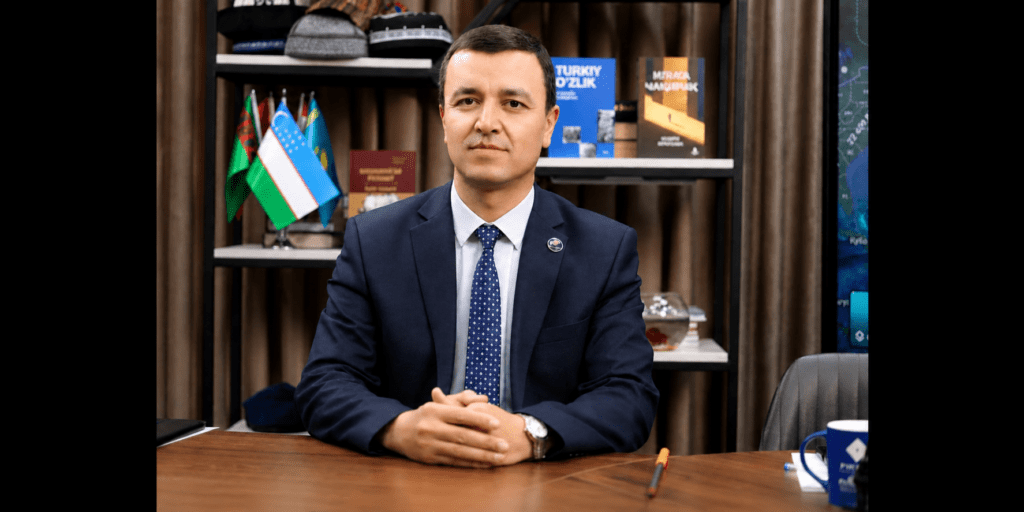
On the Uzbek side, the Migration Agency reported that more than 250 residents of Andijan Region recently flew to Belarus on a charter flight to work temporarily in agriculture and livestock farming. The agency said the project is being implemented under a simplified procedure based on a trilateral agreement involving the Andijan regional government, the Migration Agency, and the Vitebsk Regional Committee for Labor, Employment, and Social Protection.
According to the Uzdiplomat Telegram channel, shortly after arriving in Belarus, a group of Uzbek workers released a video claiming they had been promised higher earnings before departure. They said they were offered salaries of $500 per month after arriving and would have to cover food and other living expenses themselves, making the work financially unattractive. The workers appealed for help returning to Uzbekistan.
A second video released later showed the same workers saying the dispute had been resolved after negotiations with their employer. Under the revised agreement, they said they would receive $700 per month, along with free accommodation and lunch.
On July 15, President Mirziyoyev reviewed a presentation on implementing agreements reached during his visit to Belarus. According to the Uzbek presidential administration, officials were instructed to prepare lists of citizens interested in working in Belarus and entrepreneurs interested in doing business there. They were also told to coordinate workers’ employment and accommodation with the Belarusian side before departure. Officials were instructed to coordinate sites for planned projects as well.
The presentation also highlighted progress in cooperation between Andijan and Vitebsk. A bilateral roadmap has already been approved. Officials said 255 residents of Andijan have already been employed in Vitebsk under the organized labor migration scheme.