• KGS/USD = 0.01143 -0%
  • KZT/USD = 0.00192 -0%
  • TJS/USD = 0.10820 0.19%
  • UZS/USD = 0.00008 0%
  • TMT/USD = 0.28575 0%
  • KGS/USD = 0.01143 -0%
  • KZT/USD = 0.00192 -0%
  • TJS/USD = 0.10820 0.19%
  • UZS/USD = 0.00008 0%
  • TMT/USD = 0.28575 0%
  • KGS/USD = 0.01143 -0%
  • KZT/USD = 0.00192 -0%
  • TJS/USD = 0.10820 0.19%
  • UZS/USD = 0.00008 0%
  • TMT/USD = 0.28575 0%
  • KGS/USD = 0.01143 -0%
  • KZT/USD = 0.00192 -0%
  • TJS/USD = 0.10820 0.19%
  • UZS/USD = 0.00008 0%
  • TMT/USD = 0.28575 0%
  • KGS/USD = 0.01143 -0%
  • KZT/USD = 0.00192 -0%
  • TJS/USD = 0.10820 0.19%
  • UZS/USD = 0.00008 0%
  • TMT/USD = 0.28575 0%
  • KGS/USD = 0.01143 -0%
  • KZT/USD = 0.00192 -0%
  • TJS/USD = 0.10820 0.19%
  • UZS/USD = 0.00008 0%
  • TMT/USD = 0.28575 0%
  • KGS/USD = 0.01143 -0%
  • KZT/USD = 0.00192 -0%
  • TJS/USD = 0.10820 0.19%
  • UZS/USD = 0.00008 0%
  • TMT/USD = 0.28575 0%
  • KGS/USD = 0.01143 -0%
  • KZT/USD = 0.00192 -0%
  • TJS/USD = 0.10820 0.19%
  • UZS/USD = 0.00008 0%
  • TMT/USD = 0.28575 0%
14 December 2025

19th-Century Historic Building Under Demolition in Turkmenistan

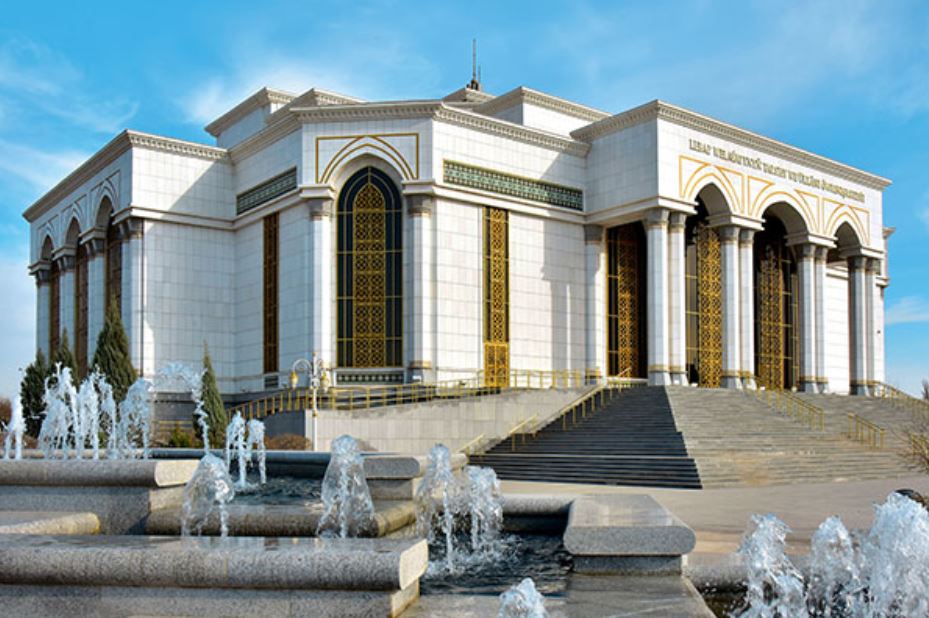
The demolition of a 19th-century historic building, formerly the History and Local History Museum and originally a Shiite mosque named after Haji Myalik, has begun in the city of Turkmenabat.

Constructed in the 19th century, this architectural landmark was a vital part of Turkmenabat’s cultural heritage for decades. The building served as a museum starting in 1967, but in 2011, after more than 40 years, its exhibitions were relocated to a new facility built specifically for that purpose. Despite the building’s historical significance, local authorities opted against restoration or handing it over to the Muftiyat (the official Islamic authority) and instead decided to demolish it.

A Unique Architectural Legacy

The architectural design of the former Haji Myalik Mosque was distinctive and highly regarded in the region. Tourist guides described it as one of Turkmenabat’s most striking landmarks. The facade featured intricate brickwork, three semicircular arches, a prominent high portal, and two small towers capped with pointed domes in Ottoman architectural style. On the right side of the facade stood a minaret with a metal dome, once the tallest vantage point in Chardjui (the historic name of Turkmenabat).

Today, this iconic structure is being dismantled piece by piece. The roof has already been removed, and the demolition process is ongoing.

A Worrying Trend

The demolition of historic buildings in Turkmenistan is not a new phenomenon and has raised alarm among residents and cultural heritage experts. In Ashgabat, the capital, numerous old buildings of historical and cultural importance have been destroyed over the years. Notable examples include the buildings of Karakumstroy, Hotel Turkmenistan, the Turkmenhovayollary Department, and the public garden featuring a monument to N. Aitakov.
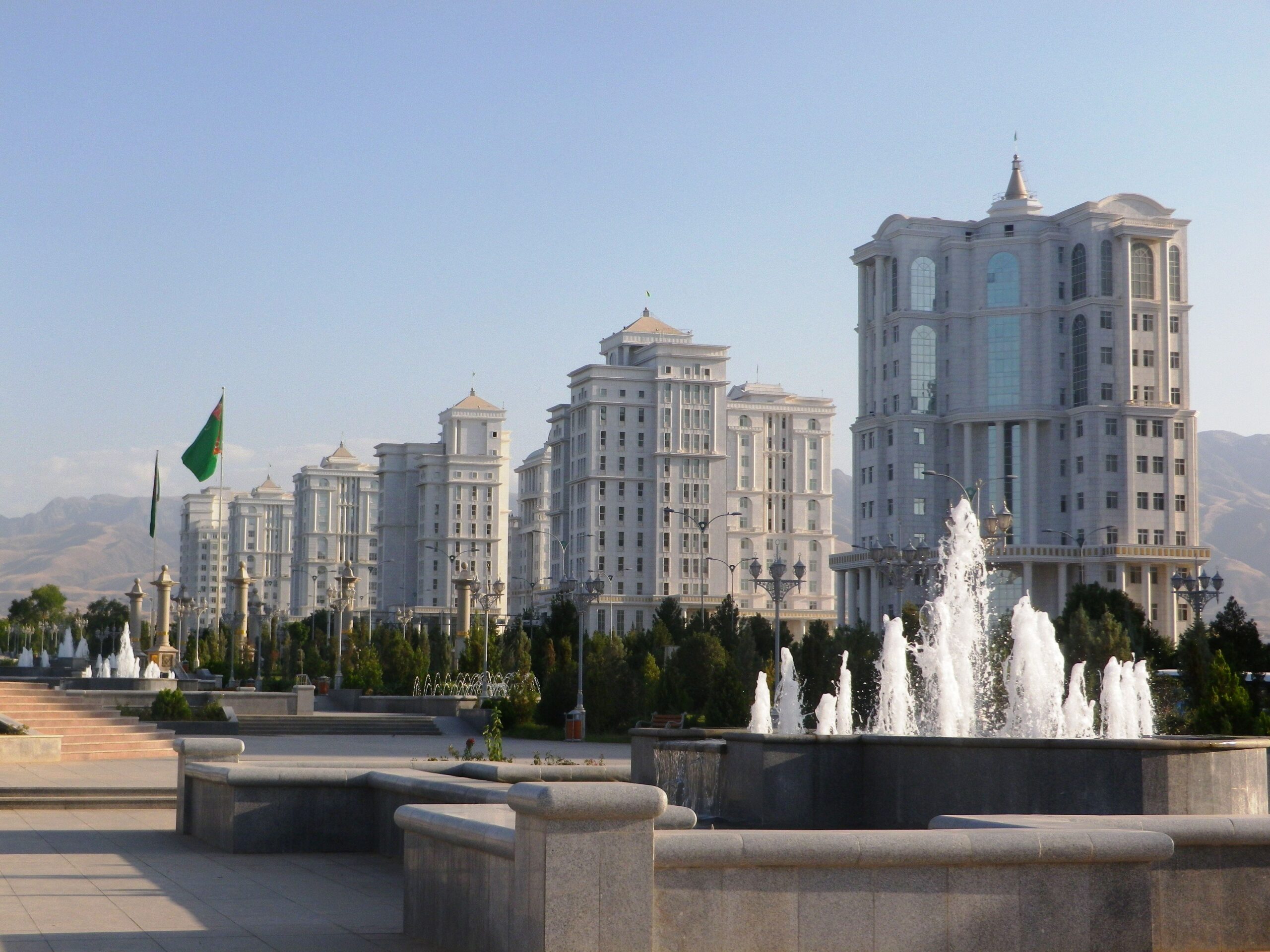
Ashgabat- A row of marble towers in Berzengi; image: TCA, Stephen M. Bland

A moderately young metropolis, its appellation meaning “City of Love” in Persian, Ashgabat developed around a Russian garrison during the 1880s. Leveled in the earthquake of 1948, prefab Soviet blocks soon sprung from the debris. Shaping his vision, former President Niyazov had these kommunalkas torn down and replaced by boxy, flat-topped marble towers with dazzling, reflective windows. Largely of a uniform eleven storys, their showy ostentation lacks any semblance of functionality, with endless ministry buildings standing unoccupied, overpriced residential blocks home to the affluent few.

In 2021, authorities began demolishing four-story residential buildings at the intersection of Turkmenbashi and Atamurat Niyazov avenues, a move that drew criticism from citizens. Experts warn that such actions could result in the irreversible loss of the country’s unique architectural heritage.

As the dismantling of the former Haji Myalik Mosque continues, concerns grow about the preservation of Turkmenistan’s historic and cultural landmarks, many of which are disappearing under the pressure of modernization.
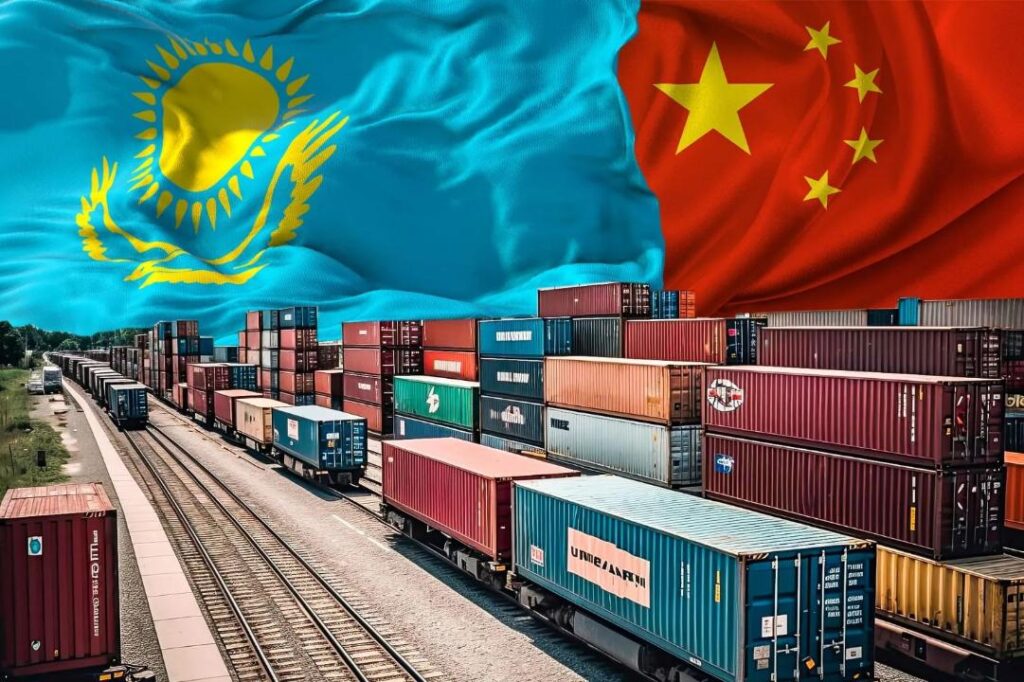

Kazakhstan-China Railway Cargo Transportation Reaches Record High in 2024

In 2024, railway cargo transportation between Kazakhstan and China exceeded 32 million tons, achieving an all-time high, according to the Kazakh Ministry of Transport.

Kazakhstan’s rail exports to China grew by 1 million tons, totaling 13.7 million tons. Key export commodities included iron and non-ferrous ore, ferrous and non-ferrous metals, and grain. Meanwhile, Chinese transit cargo passing through Kazakhstan increased by 19%, reaching 15.3 million tons.

Additionally, containerized Chinese cargo transiting to Europe via the Trans-Caspian International Transport Route (TITR) recorded significant growth, rising by 43% compared to 2023.

One of the main drivers of this record-breaking performance was the opening of a Kazakh terminal at the dry port in Xi’an, China. In 2024, more than 300 container trains passed through this terminal and the Kazakh Caspian port of Aktau, an astonishing thirtyfold increase from 2023.

Kazakhstan Temir Zholy (KTZ), the country’s national railway company, has expanded its terminal network. Currently, Kazakhstan operates five major terminals:

  • The port of Lianyungang (China),
  • The dry port in Xi’an (China),
  • Dostyk railway station (Kazakhstan),
  • The Khorgos Gateway dry port (Kazakhstan), and
  • The ferry complex at the Caspian port of Kuryk (Kazakhstan).

Kazakhstan has announced plans to add nine additional terminals over the next two years, reinforcing Kazakhstan’s position as a vital hub for transcontinental trade.

Several terminal construction projects began in 2024, including:

  • Almaty, Kazakhstan: A logistics hub aimed at strengthening domestic cargo-handling capacity.
  • Azerbaijani port of Alat: A joint project involving Kazakhstan, Azerbaijan, and China to establish a cargo terminal in Baku.
  • Budapest, Hungary: A terminal in Hungary’s capital designed to expand Kazakhstan’s trade network in Europe.
  • Selyatino, Russia: A facility near Moscow to support rail cargo transportation between Kazakhstan, Russia, and China.

Additionally, and in collaboration with China’s port of Lianyungang, Kazakhstan has begun constructing a container hub at the Caspian port of Aktau.

Kazakhstan’s expanding railway infrastructure will solidify its role as a key logistics hub connecting China, Central Asia, and Europe. With continued investment in terminal networks and partnerships with regional and global stakeholders, Kazakhstan is well-positioned to further enhance its trade capacity and meet the growing demand for transcontinental cargo transportation.

Railway Relocation Project Aims to Decongest Traffic and Improve Air Quality in Bishkek

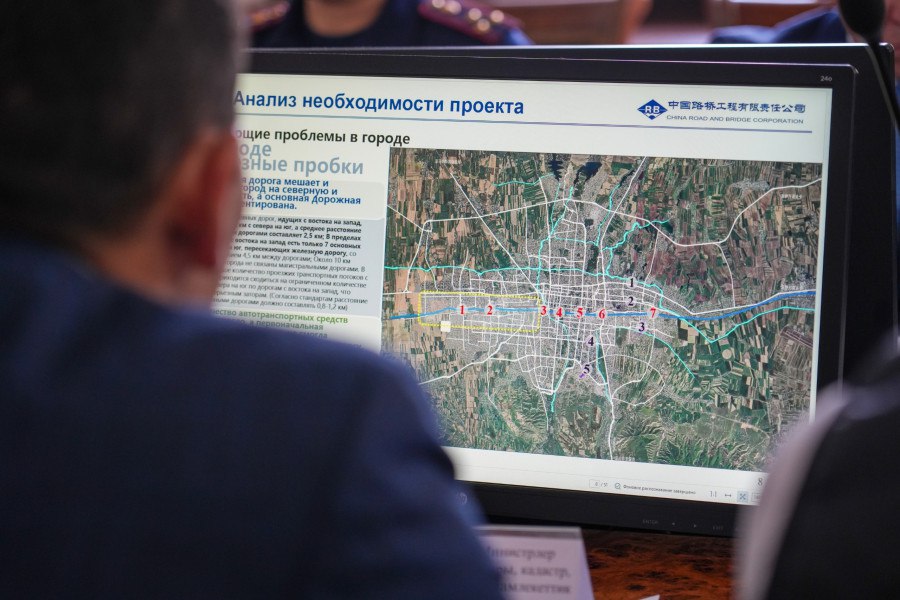
On January 16, the China Road and Bridge Corporation (CRBC) presented Bishkek Mayor Aibek Junushaliev with several proposals for a project to relocate the city’s railway tracks outside the capital’s limits, the Bishkek municipality’s press service reported.

The railway, originally built during the Soviet era, runs through Bishkek from east to west, dividing the city nearly in half between its northern and southern parts. These tracks, used for cargo and passenger transport, pass through the central parts of the city and intersect with numerous strategic streets and roads. This setup has long been a major contributor to traffic congestion, especially during morning and evening peak hours.

At the end of 2024, Kyrgyzstan’s Cabinet of Ministers approved a memorandum of cooperation with CRBC, focusing on a large-scale upgrade of Bishkek’s railway and road infrastructure. The ambitious project includes relocating the existing railway tracks to bypass the city, constructing a new railway line outside Bishkek, and transforming the current railway corridor into a high-speed roadway.

Junushaliev explained that the new railway line will bypass the city to the north. The vacated area from the old railway tracks will be redeveloped with a new highway with high-rise residential buildings and shopping malls along its route.

The total cost of the railway relocation project is estimated at $585 million. It is expected to address two major urban challenges: traffic congestion and air pollution.

Traffic congestion in Bishkek has been a persistent issue, with vehicles frequently backing up at intersections where the railway intersects major city roads. This not only delays commuters but also significantly worsens air quality. Exhaust emissions from idling vehicles in traffic jams are considered one of the leading contributors to the city’s air pollution.

By relocating the railway tracks and introducing a high-speed roadway, the project is anticipated to streamline traffic flow, reduce congestion, and improve Bishkek’s air quality.

Tajikistan Opens Its First Digital Art Gallery Highlighting Local Activists’ Work

The Khujand branch of the NGO Office of Civil Liberties has launched Tajikistan’s first digital art gallery, which showcases the work of local activists.

The digital gallery features art that addresses pressing social issues, such as domestic violence, discrimination, and environmental threats. It includes a diverse range of art forms, including digital works, photography, stories, and videos.

Sad Dollar by Timur Shapirov; image: tut-gallery.tilda.ws

Prominent Artists and Initiatives

The platform features contributions from prominent Tajik artists, including Zilola Imomova and Amina Ayyubi. It also includes works by winners and participants of art “hackathons” previously organized by the Office of Civil Liberties in Dushanbe and Khujand.

Representatives of the organization explained the gallery’s purpose: “We aim not only to support art activists, but also to draw society’s attention to pressing problems.”

Motherlandy by Muharram Buranova; image: tut-gallery.tilda.ws

Art with a Message

Each work in the gallery is accompanied by a description explaining the idea behind it. Many of the featured pieces delve into topics such as gender inequality and social stereotypes, reflecting the personal stories and lived experiences of the artists.

“Motherlandy” by Muharram Buranova, for example reimagines a powerful heroine as a positive, feminine counterpart to Homelander. Motherlandy radiates strength and courage as she shields a young girl from harassment, standing tall amidst a menacing crowd of zombie-like men, embodying the oppression and cruelty faced by girls in Tajikistan. With her steadfast presence, Motherlandy becomes a beacon of hope, inspiring belief that justice is not only needed but possible.

Through this initiative, the digital gallery is seeking to amplify the voices of activists and provoke meaningful conversations about social issues in Tajikistan.

Iranian President Honored as Professor at Tajik Medical University

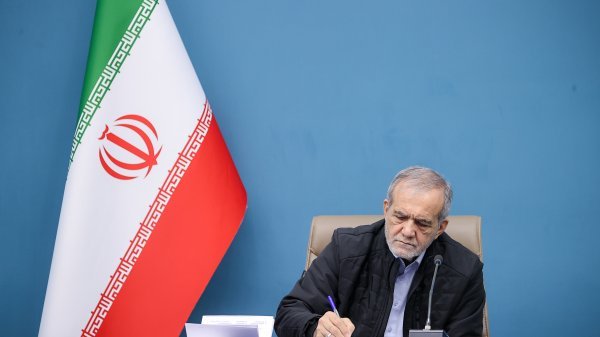
The President of Iran, Masoud Pezeshkian, has been awarded the title of honorary professor by Avicenna Tajik State Medical University, according to the Khovar news agency.

On January 16, during his first state visit to Tajikistan, Pezeshkian, accompanied by Tajik Prime Minister Kohir Rasulzoda, toured the university. He met with faculty members and learned about the institution’s achievements, including advancements made at its Simulation Center.

In a special ceremony, Pezeshkian received the title of honorary professor in recognition of his significant contributions to medical science and his efforts to foster cooperation in training skilled medical specialists.

Expressing his gratitude, Pezeshkian thanked the people of Tajikistan for their warm hospitality and highlighted the importance of strengthening partnerships in healthcare, stating, “We are ready to enhance cooperation in healthcare, including sharing expertise in pharmaceuticals, surgery, and medicine.”

Pezeshkian concluded his visit to the university by signing the guest book.

This is Pezeshkian’s first state visit to Tajikistan. Upon his arrival on January 15, he was welcomed personally by Tajik President Emomali Rahmon at Dushanbe International Airport.

Uzbekistan’s Economy Grows 6.5%, Investments Reach $34.9 Billion in 2024

In 2024, Uzbekistan’s gross domestic product (GDP) grew by 6.5%, reaching $115 billion, according to Presidential Spokesperson Sherzod Asadov. The announcement was made during a presidential conference focused on investment and economic performance. Foreign investments surged by 1.6 times, totaling $34.9 billion, and 242 large and medium-sized projects worth $10 billion were launched. For the first time, the country’s exports reached $27 billion.

According to the official report, the mining, oil and gas, chemical, and agriculture sectors exceeded their investment targets, achieving more than double their expected performance. This highlights the robust growth and prioritization of these key industries.

Despite these achievements, challenges persist in several sectors:

  • Textile Industry: Missed its investment target by $17 million.
  • Uztransgaz and Uzmetkombinat: Investments dropped by half.
  • Uzsuvtaminot: Experienced a 20% decrease in investments.

Officials from these organizations have been issued strict warnings to improve their performance by the first quarter of 2025 or face further consequences.

Additionally, several ministries underperformed in implementing grant plans:

  • Ministries of Ecology, Agriculture, State Assets, Pharmaceuticals, and Forestry: Delivered less than 25% of their grant targets.
  • Ministries of Construction, Transport, Culture, and Tourism: Secured less than $10 million in grants.

Ministries responsible for Preschool and School Education, Health, Transport, Sports, Higher Education, Culture, Ecology, Agriculture, Digital Technologies, and Construction were criticized for failing to attract sufficient investments and grants, despite having significant opportunities to do so.

The report also highlighted underwhelming investment figures from high-potential countries such as France, Japan, Italy, Hungary, Malaysia, and Spain, which collectively invested less than $100 million in Uzbekistan in 2024. This indicates untapped opportunities for economic partnerships and collaborative growth.

As previously reported by The Times of Central Asia, Uzbekistan’s President Shavkat Mirziyoyev has outlined transformative plans to modernize state-owned railway and aviation sectors as part of the country’s long-term development strategy. These reforms aim to increase Uzbekistan’s GDP to $200 billion by 2030, setting an ambitious target for sustained economic growth.