• KGS/USD = 0.01144 0%
  • KZT/USD = 0.00193 -0%
  • TJS/USD = 0.10811 -0.28%
  • UZS/USD = 0.00008 0%
  • TMT/USD = 0.28490 0%
  • KGS/USD = 0.01144 0%
  • KZT/USD = 0.00193 -0%
  • TJS/USD = 0.10811 -0.28%
  • UZS/USD = 0.00008 0%
  • TMT/USD = 0.28490 0%
  • KGS/USD = 0.01144 0%
  • KZT/USD = 0.00193 -0%
  • TJS/USD = 0.10811 -0.28%
  • UZS/USD = 0.00008 0%
  • TMT/USD = 0.28490 0%
  • KGS/USD = 0.01144 0%
  • KZT/USD = 0.00193 -0%
  • TJS/USD = 0.10811 -0.28%
  • UZS/USD = 0.00008 0%
  • TMT/USD = 0.28490 0%
  • KGS/USD = 0.01144 0%
  • KZT/USD = 0.00193 -0%
  • TJS/USD = 0.10811 -0.28%
  • UZS/USD = 0.00008 0%
  • TMT/USD = 0.28490 0%
  • KGS/USD = 0.01144 0%
  • KZT/USD = 0.00193 -0%
  • TJS/USD = 0.10811 -0.28%
  • UZS/USD = 0.00008 0%
  • TMT/USD = 0.28490 0%
  • KGS/USD = 0.01144 0%
  • KZT/USD = 0.00193 -0%
  • TJS/USD = 0.10811 -0.28%
  • UZS/USD = 0.00008 0%
  • TMT/USD = 0.28490 0%
  • KGS/USD = 0.01144 0%
  • KZT/USD = 0.00193 -0%
  • TJS/USD = 0.10811 -0.28%
  • UZS/USD = 0.00008 0%
  • TMT/USD = 0.28490 0%
10 December 2025

Killing of Russian General Kirillov: Arrest of Uzbek Suspect Raises Fears Among Central Asians

In the early hours of Tuesday, December 17, an explosion occurred at the entrance of an apartment building in a modest Moscow district, killing two people: Lieutenant General Igor Kirillov and his assistant. Kirillov was the head of the Radiation, Chemical, and Biological Defense (RCBD) troops of the Russian Armed Forces. A briefing by him had reportedly been scheduled for later that day. The Russian Federal Security Service (FSB) announced the arrest of a suspect: a 1995-born citizen of Uzbekistan. According to the FSB, the suspect was identified and detained through joint operations with Russia’s Ministry of Internal Affairs and the Investigative Committee.

According to investigators, the explosive device had been attached to an electric scooter parked near the building’s entrance. Surveillance was allegedly conducted via a video camera placed inside a carshare vehicle parked nearby for several days.

While the Ukrainian side has not officially claimed responsibility for the attack, some sources linked to Ukraine’s Security Service have reportedly done so. Russian officials quickly blamed Ukraine. Kremlin spokesperson Dmitry Peskov stated, “The Kiev regime does not shy away from such methods,” without providing evidence.

Soon after, Investigative Committee spokesperson Svetlana Petrenko claimed that the suspect had confessed to being recruited by Ukrainian special services, who allegedly promised him an EU passport and $100,000. However, a video of the confession released by the FSB raises doubts. The suspect, who appears to struggle with Russian, delivers statements that suggest he may not fully understand what he is saying.

While the confession’s credibility is unclear, the nationality of the suspect – another migrant from Central Asia – is what resonates most in the short term.

The incident follows a previous terrorist attack at Moscow’s Crocus City Hall, after which migrants from Central Asia faced intensified scrutiny. Over the past six months, many Central Asian workers living in Russia have felt treated not as second-class but as third-class citizens. Document checks, lengthy detentions, and increasingly restrictive rules for entry and residency in Russia have become commonplace.

In August, Russia’s Interior Ministry reported that almost 92,800 foreign citizens were expelled in the first half of 2024 – a 53.2% increase compared to the same period in 2023.

In response to the attack, nationalist groups and patriotic public figures are once again urging the Russian government to introduce a visa regime for Central Asian countries, particularly Tajikistan and Uzbekistan. Similar measures have been observed in Turkey after the Crocus incident involving Tajik citizens, and in the UAE following a high-profile crime involving Uzbek nationals.

It is highly likely that anti-migrant sentiment in Russia will intensify in the coming months. Coupled with increased security operations, this trend could escalate into new forms of repression targeting migrants. Such measures are likely to strain Russia’s relations with Central Asian republics, where the treatment of migrant workers remains a sensitive issue.

Kyrgyz Security Chief Declares Crackdown on Organized Crime a Success

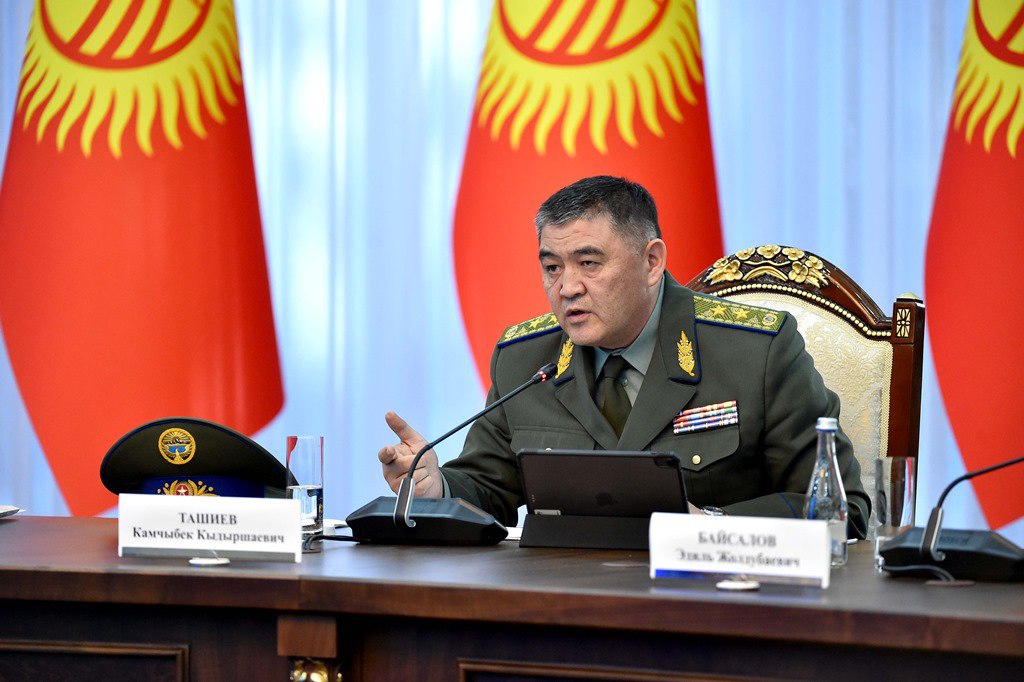
Kamchybek Tashiyev, the head of Kyrgyzstan’s State Committee for National Security (SCNS), declared that organized criminal groups (OCGs) have almost been eradicated nationally. Speaking at a press conference in Bishkek, Tashiyev highlighted significant achievements in the fight against organized crime.

According to Tashiyev, property valued at 50 billion Kyrgyzstani som (KGS) has been recovered for the state budget as part of ongoing anti-crime efforts. Among the confiscated assets are those belonging to prominent figures in the criminal underworld, such as Kamchy Kolbayev, Kadyr Dosonov, Chyngyz Jumagulov, and Erkin Mambetaliyev.

“A lot of property has been seized. Several boarding houses and sports complexes have already been sold,” Tashiyev stated.

He also added that organized criminal groups have lost their influence and resources, asserting that Kyrgyz citizens can now work without fear.

Kyrgyzstan’s government has intensified its campaign against organized crime. Key figures, including notorious crime boss Kamchy Kolbayev, have been detained or eliminated. Following these measures, several criminal leaders have publicly renounced their past and pledged to comply with the law.

The Kyrgyz Interior Ministry has drafted the law “On the Prevention of Organized Crime” to establish a legal framework for combatting OCGs. This proposed legislation outlines preventive measures such as official warnings and financial audits for individuals suspected of criminal activity.

While applauding the government’s efforts, some experts warn of potential negative consequences. Political scientist Aida Alymbayeva stressed that anti-crime initiatives must strictly adhere to legal procedures to avoid infringing on citizens’ rights. Similarly, Doctor of Economics Asylbek Ayupov added that property seizures and arrests could impact tax revenues and harm Kyrgyzstan’s investment climate.

Kazakhstan Updates Rules for Installing Monuments and Memorials

New regulations governing the installation of monumental art structures have come into effect in Kazakhstan, following an order issued by the Ministry of Culture and Information.

The updated rules delegate the responsibility for organizing monument installations to local executive bodies in oblasts, cities of republican significance, and the capital. Funding for these projects may come from local budgets or other sources permitted under Kazakh law.

Monuments and busts can only be erected in honor of exceptional individuals or to commemorate significant historical events. Such proposals must be approved by a resolution from the Government of Kazakhstan. The regulations also specify that monuments can be erected during a person’s lifetime in exceptional cases.

“The monument may be established not earlier than five years after the death of an outstanding personality, except in cases of heroism, contribution to strengthening independence, or other significant events,” the document states.

Additionally, each locality may commemorate a historical event or prominent individual with only one monument. Installation sites must be located on state property or public facilities.

Monument projects will be selected through a national creative competition among sculptors to minimize corruption risks. These competitions are organized based on annual plans, with regional proposals submitted by December 1 each year.

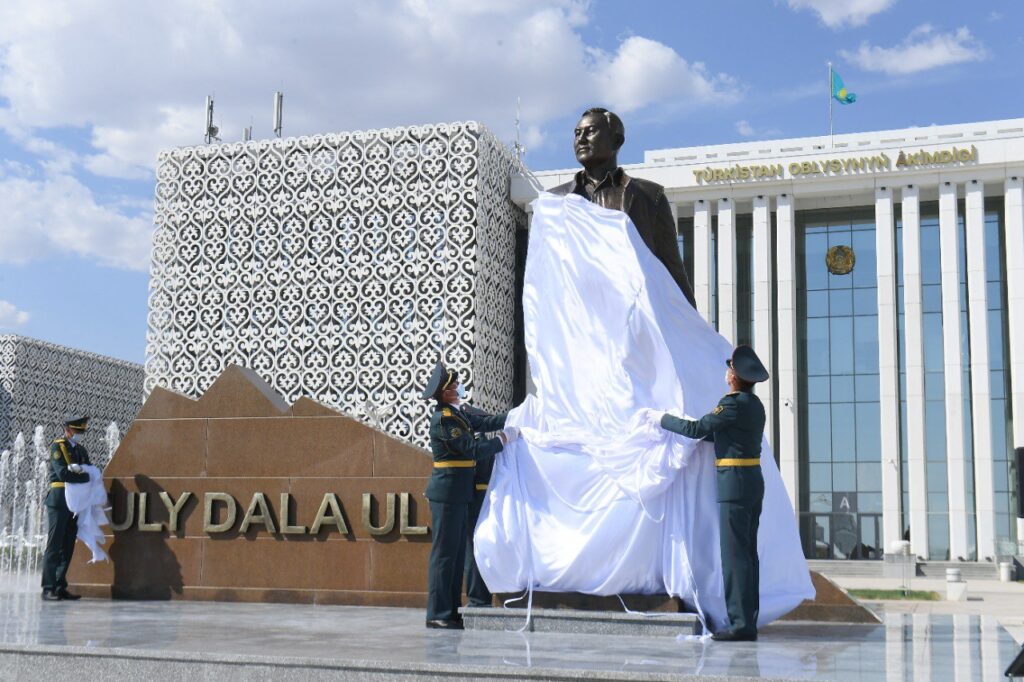
Kazakhstan has only erected lifetime monuments for one individual: former President Nursultan Nazarbayev. However, several of these monuments were dismantled following the events of January 2022.

During the unrest, rioters destroyed a four-meter-high sculpture of Nazarbayev in Taldykorgan. In subsequent months, other monuments to Nazarbayev were removed from public spaces. For instance, his monument was taken down at the National Defense University in Astana, his portrait was removed from Almaly station in the Almaty subway, and in February, his sculpture was removed from the National Museum of Kazakhstan in Astana.

Kazakhstan Plans to Launch Olive Oil Production by 2030

Kazakhstan is set to launch its first olive oil production plant by 2030, marking a significant step in introducing olive cultivation to the country. The Ministry of Agriculture announced that QVM Technology is spearheading the ambitious project in partnership with local and international collaborators.

In 2023, QVM Technology joined forces with Ordabasy Group, Ervira (Kazakhstan), and Georgia’s Olive Georgia to undertake experimental olive tree planting in the Zhetysu, Turkestan, and Mangistau regions of Kazakhstan.

The initial planting involved 6,080 saplings, boasting a remarkable 99.7% survival rate. The first harvest from these trees is anticipated in five years.

In the spring of 2024, additional saplings, sourced from Spain and Turkey, were planted. By the end of 2025, the project aims to expand olive cultivation to 1,000 hectares.

The initiative is being carried out under the scientific guidance of Pablo Morello, a professor at the University of Córdoba in Spain. Soil, climate, and meteorological data are being meticulously collected and analyzed to ensure optimal conditions for olive cultivation.

The project also draws on expertise from Georgian specialists, reflecting a broader effort to establish an olive oil industry in Kazakhstan. Previously, The Times of Central Asia reported on Georgia’s support in developing Kazakhstan’s olive production capabilities.

Rosatom Exits Key Uranium Ventures in Kazakhstan Amid Strategic Shifts

Uranium One Group, a subsidiary of State Atomic Energy Corporation Rosatom. has announced its withdrawal from uranium projects in Kazakhstan. This decision coincides with Kazakhstan’s ongoing selection of operators for a consortium tasked with constructing the country’s first nuclear power plant.

According to Kazatomprom (KAP), Uranium One Group has sold its 49.979% stake in the Zarechnoye joint venture to SNURDC Astana Mining Company Limited. The ultimate beneficiary of the acquiring party is China’s State Nuclear Uranium Resources Development Co., Ltd. Kazatomprom retains its 49.979% stake in the venture.

The Zarechnoye joint venture, operational since its discovery in 1977, extracts uranium from the Zarechnoye deposit in Kazakhstan’s Turkestan region. As of early 2024, the deposit holds approximately 3,500 tons of uranium ore, with mining operations expected to conclude by 2028.

In addition, Uranium One Group is set to divest its 30% stakes in the Khorasan-U and Kyzylkum joint ventures to China Uranium Development Company Limited, a subsidiary of China General Nuclear Power Corporation (CGN). The transaction awaits the completion of closing procedures. Kazatomprom’s share in these ventures remains unchanged, with 50% ownership in Khorasan-U and a 50% indirect interest in Kyzylkum.

Khorasan-U operates in the Zhanakorgan district of the Kyzylorda region, mining uranium from the Khorasan-1 section of the North Khorasan deposit. This deposit contains reserves of approximately 33,000 tons of uranium as of 2024, with mining projected to continue until 2038. Meanwhile, Kyzylkum focuses on processing uranium from Khorasan-U but does not hold subsoil usage rights, restricting its activities to processing.

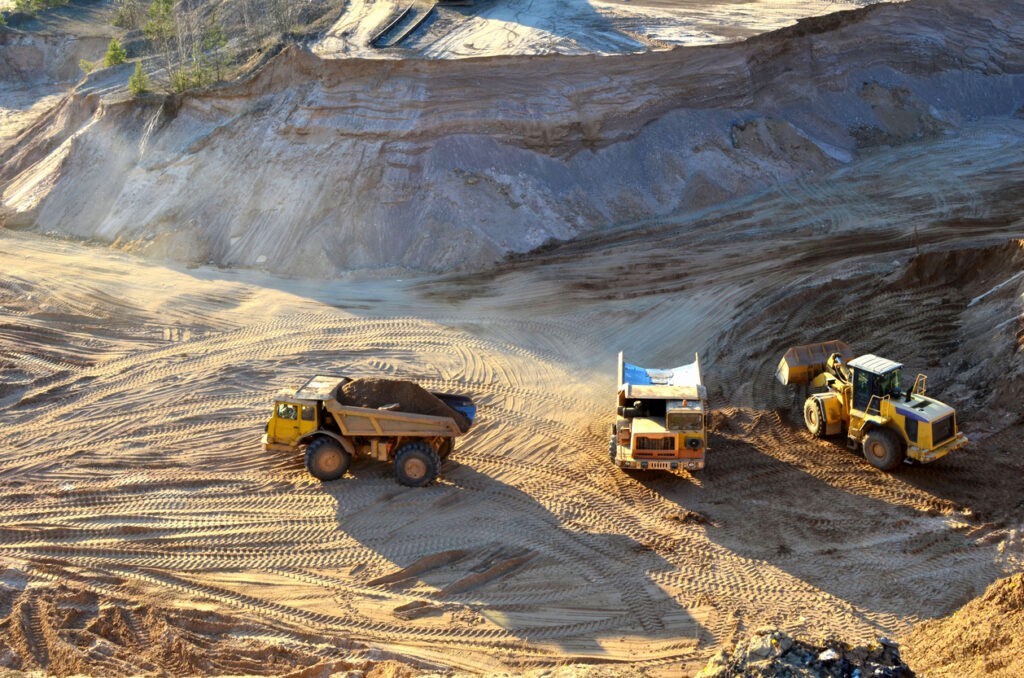
Kazatomprom has prioritized replenishing its mineral resource base, recently securing four new licenses for uranium exploration. These areas are estimated to contain over 180,000 tons of uranium, which Kazatomprom plans to develop independently.

In November 2023, Kazakhstan’s Ministry of Ecology and Natural Resources reported environmental violations at the Zarechnoye joint venture. Soil samples revealed excessive concentrations of sulfuric acid, prompting authorities to issue directives for remediation.

Kazakh political analyst Daniyar Ashimbayev highlighted that Kazatomprom oversees 14 subsidiaries, including joint ventures with Japan, France, Russia, Kyrgyzstan, and China. These partnerships underscore Kazakhstan’s significant role in the global uranium market.

China and Russia remain the largest importers of Kazakh uranium. From January to October 2023, Kazakhstan exported $2.46 billion worth of uranium, with $922.7 million going to China and $1.2 billion to Russia.

Several nations are vying for inclusion in the consortium that will construct Kazakhstan’s first nuclear power plant. During a state visit to Kazakhstan, Russian President Vladimir Putin emphasized Rosatom’s advanced nuclear technologies. Valentina Matvienko, Speaker of Russia’s Federation Council, underscored Kazakhstan’s interest in Rosatom’s involvement. However, President Kassym-Jomart Tokayev has yet to finalize the decision.

Kazakhstan’s Energy Minister, Almasadam Satkaliyev, has recently visited South Korea, France, and China to explore nuclear energy partnerships. Political analyst Gaziz Abishev affirmed this diplomatic outreach as a strategic effort to secure the most advantageous terms for Kazakhstan, ensuring that competing nations present their best proposals.

Gas Station Explosion in Uzbekistan Kills One Person; Safety Failure Blamed

An explosion and a fire at a gas station in Uzbekistan has killed one person and injured four others. 

The explosion on Tuesday occurred in the city of Fergana “during the discharge of liquefied gas due to a violation of technological processes and non-compliance with technical safety regulations,” the emergency department of the Fergana region said in a statement. 

Firefighters arrived at the scene at 1:47 p.m. and the fire was completely extinguished by 2:12 p.m., the department said. In addition to the casualties, another eight people were under medical supervision, it said. 

Images posted on social media show sheets of flame and thick smoke billowing from the scene. A photo report on the Kun.uz media site showed the station that was gutted by fire and damaged cars. The Qalampir.uz site also posted photos of the fire.