• KGS/USD = 0.01144 0%
  • KZT/USD = 0.00192 -0%
  • TJS/USD = 0.10849 0.37%
  • UZS/USD = 0.00008 0%
  • TMT/USD = 0.28490 0%
  • KGS/USD = 0.01144 0%
  • KZT/USD = 0.00192 -0%
  • TJS/USD = 0.10849 0.37%
  • UZS/USD = 0.00008 0%
  • TMT/USD = 0.28490 0%
  • KGS/USD = 0.01144 0%
  • KZT/USD = 0.00192 -0%
  • TJS/USD = 0.10849 0.37%
  • UZS/USD = 0.00008 0%
  • TMT/USD = 0.28490 0%
  • KGS/USD = 0.01144 0%
  • KZT/USD = 0.00192 -0%
  • TJS/USD = 0.10849 0.37%
  • UZS/USD = 0.00008 0%
  • TMT/USD = 0.28490 0%
  • KGS/USD = 0.01144 0%
  • KZT/USD = 0.00192 -0%
  • TJS/USD = 0.10849 0.37%
  • UZS/USD = 0.00008 0%
  • TMT/USD = 0.28490 0%
  • KGS/USD = 0.01144 0%
  • KZT/USD = 0.00192 -0%
  • TJS/USD = 0.10849 0.37%
  • UZS/USD = 0.00008 0%
  • TMT/USD = 0.28490 0%
  • KGS/USD = 0.01144 0%
  • KZT/USD = 0.00192 -0%
  • TJS/USD = 0.10849 0.37%
  • UZS/USD = 0.00008 0%
  • TMT/USD = 0.28490 0%
  • KGS/USD = 0.01144 0%
  • KZT/USD = 0.00192 -0%
  • TJS/USD = 0.10849 0.37%
  • UZS/USD = 0.00008 0%
  • TMT/USD = 0.28490 0%
11 December 2025

Uzbekistan’s Financial Data Now Available on Bloomberg Terminal

Market data from the Uzbek Republican Currency Exchange (UZCE) is now accessible on the Bloomberg Terminal, marking a significant step toward integrating Uzbekistan’s financial market into the global economy. Bloomberg users can now analyze real-time pricing and indicators for Uzbekistan’s currency, money markets, state securities, and derivatives.

Expanding Accessibility

The UZCE, which includes 35 local commercial banks, six brokerage firms, and one foreign custodian bank, serves as Uzbekistan’s primary platform for liquidity. It offers trading in approximately 20 instruments across various market segments. In 2023, the UZCE reported a total trading volume of $81 billion.

By making this data available on Bloomberg, Uzbekistan aims to attract foreign investors by providing them with the tools to understand its financial market and assess trends more effectively. This transparency simplifies risk assessment and enhances decision-making for global market participants.

Strengthening Market Confidence

Rashid Usmanov, Director General of the Central Bank of Uzbekistan, highlighted the impact of this partnership, stating:

“This partnership with Bloomberg will help participants in global markets to get up-to-date and accurate information from the UZCE in different segments of the exchange, thereby more effectively managing their assets. Increasing transparency and openness of data will strengthen market confidence and ensure an increase in liquidity.”

The Central Bank of Uzbekistan’s market data is available via Bloomberg’s data license and the “B-PIPE” channel, providing real-time market information. This collaboration enhances the global visibility of Uzbekistan’s financial sector, positioning the country as a more attractive destination for international investment.


Tajik Journalist Rukhshona Khakimova Faces Treason Charges Amid Controversy

Tajik authorities have charged journalist Rukhshona Khakimova, the niece of Shokirjon Khakimov, first deputy chairman of the Social Democratic Party of Tajikistan, with high treason under Article 305 of the Criminal Code. The charges are part of a larger investigation into an alleged coup attempt, according to sources cited by Radio Ozodi.

The case, initiated in July, took a significant turn on November 22 when the indictment against Rukhshona and Shokirjon Khakimov was formally presented in court. The trial, held behind closed doors, has limited access to details, leaving the public and media in the dark.

The Allegations
Sources suggest that Rukhshona Khakimova’s charges stem from her involvement in conducting a politically sensitive poll about China’s influence in Tajikistan. The survey reportedly included interviews with Saidjafar Usmonzoda, a political figure stripped of parliamentary immunity and later arrested, and her uncle, Shokirjon Khakimov, who is also implicated in the case.

It remains unclear how this survey forms the basis of a high treason charge. The secrecy surrounding the trial further obscures the connection.

Background on Khakimova
Rukhshona Khakimova, 31, is a graduate of the National University of Tajikistan with a career that spans investigative journalism for prominent outlets, including Youth of Tajikistan and several international publications. She is also a mother of two young children, the youngest being just five months old.

Due to her family situation, Khakimova is under house arrest. Both her domestic and foreign passports have been confiscated, restricting her movements. She and her lawyer have declined to comment on the case, adhering to its classified nature.

A Broader Context
The trial, which began on November 14, involves multiple defendants, including well-known politicians and public figures accused of conspiring against the government. Held in a detention facility in Dushanbe, the closed proceedings exclude the participation of family members and the press, fueling speculation and concern among observers.

As the case unfolds, it raises critical questions about press freedom, political dissent, and judicial transparency in Tajikistan.

Satellite Data Reveals High Methane Emissions in Turkmenistan’s Oil and Gas Fields

The Environmental Defense Fund (EDF) has released the first images from MethaneSAT, a cutting-edge satellite designed to monitor methane emissions globally. The data reveals significant leaks from key fossil fuel production regions, including the United States, Turkmenistan, and Venezuela.

Initial findings indicate methane emissions from North American and Central Asian production sites are substantially higher than earlier estimates based on ground-based monitoring. Both Turkmenistan and the U.S. are signatories to the Global Methane Pledge, which aims to reduce global methane emissions by 30% by 2030.

MethaneSAT is part of a new wave of satellite missions focused on holding major emitters accountable for curbing methane leaks. This comes amid alarming findings from a September study by Stanford University, which reported that global methane emissions are increasing at an unprecedented rate, driving atmospheric methane levels to their highest in 800,000 years. Without immediate intervention, researchers warn, the planet could face a temperature rise exceeding 3 degrees Celsius by 2100.

Methane, a greenhouse gas over 80 times more potent than carbon dioxide in the short term, is primarily released through fossil fuel production, agriculture, and waste decomposition. In 2020, human activities were responsible for 65% of methane emissions, with agriculture and waste contributing two-thirds and fossil fuels accounting for one-third. While agricultural emissions are harder to mitigate, initiatives like the Methane Pledge prioritize reducing methane leaks in fossil fuel production, which are more readily addressed.

The MethaneSAT mission highlights the urgency of reducing emissions and pressuring major fossil fuel producers to take swift action. The Global Methane Pledge accommodates different national circumstances, allowing countries like New Zealand, where fossil fuel emissions are minimal, to focus on reducing methane from agriculture and waste.

With atmospheric methane levels reaching critical thresholds, MethaneSAT and similar initiatives aim to catalyze a global effort to combat this potent driver of climate change.

Ashgabat Hosts Vibrant Days of Korean Culture, Showcasing Music, Art, and Tradition

On November 22 and 23, Ashgabat, the capital of Turkmenistan, became a hub of cultural exchange during the Days of Korean Culture, an event organized by the Embassy of the Republic of Korea.

The festivities kicked off on November 22 at the Arkach Shopping and Entertainment Center, where visitors were treated to a lively introduction to Korean culture. Colorful photo zones displayed scenic Korean landscapes, while interactive stations allowed attendees to craft souvenirs such as traditional-style trinkets and mirrors. Korean snack tastings and live music enhanced the festive atmosphere, making it a family-friendly event that drew many visitors of all ages.

The celebrations culminated on November 23 with a concert at the Makhtumkuli Music and Drama Theater of Turkmenistan. Korean artists, accompanied by the State Symphony Orchestra of Turkmenistan under the direction of Rasul Klychev, delivered a memorable performance. The program featured a blend of Korean lyrical compositions inspired by love and nature, alongside timeless pieces of world classical music.

A standout moment of the evening was the performance by acclaimed Korean singers, tenor Kwon Hwapyeong and mezzo-soprano Kwon Miji, which earned a standing ovation from the audience. Kwon Hwapyeong, a graduate of the Vienna University of Music and Korea National University of the Arts, is celebrated internationally for his exceptional artistry. Mezzo-soprano Kwon Miji, a distinguished alumna of Gyeonggi-do University with further studies abroad, has similarly garnered acclaim for her remarkable vocal range and stage presence. The concert was a fitting finale to Ashgabat’s fall cultural season, blending the traditions of Korean musical artistry with the creativity of Turkmen performers.

Uzbekistan Targets $200 Billion GDP by 2030 with Transport Reforms

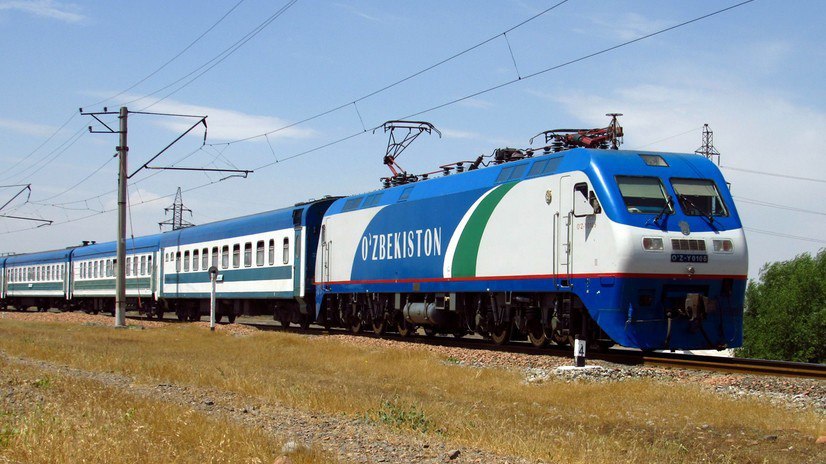
On November 26, President Shavkat Mirziyoyev outlined transformative plans for Uzbekistan’s state-owned railway and aviation sectors, setting an ambitious goal to increase the country’s GDP to $200 billion by 2030.

Significant changes are already being implemented to enhance efficiency and convenience. In the railway sector, six independent enterprises have been created under “Uzbekistan Railways.” The company added 1,200 new freight cars, halving domestic freight transportation times. The digitalization of operations has streamlined processes, cutting the ordering stage for freight cars from seven days to three and reducing processing time from 72 hours to just 12 hours. Around Tashkent, train traffic has increased by 30%, and for the first time, the previously unprofitable enterprise posted a profit of 30 billion UZS ($2.3 million) this year.

In the aviation sector, Uzbekistan Airways has seen flights increase by 25%, with domestic flights surging 2.5 times. The airline now holds a 20% share of international transport in Central Asia, and annual passenger traffic is projected to exceed 6 million. “Uzbekistan Airports” has also expanded services for planes, cargo, and passengers. Greater private sector involvement in airport management has yielded notable results, with 44 airlines currently operating in Uzbekistan. Cargo transportation through airports is expected to grow by 22% this year.

“The economy and trade relations in our country are developing year after year. The population’s income and the tourism potential of the regions are also increasing. By 2030, we have set a goal to increase the volume of our gross domestic product to $200 billion. Therefore, we should pay special attention to the transport arteries,” Mirziyoyev said.

To support these developments, a new version of the Law “On Railway Transport” has been signed, replacing the 25-year-old legislation. The updated law aims to attract private companies and investments to further develop infrastructure and accelerate industry growth.

Kyrgyz National Bank Maintains Discount Rate at 9% Amid Stable Inflation and Economic Growth

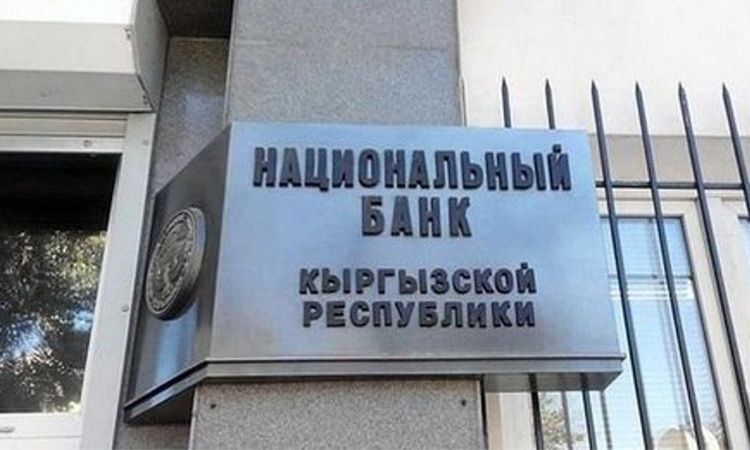
The National Bank of the Kyrgyz Republic has announced its decision to keep the discount rate steady at 9%, according to a statement published on its official website.

The Bank credited its effective monetary policy for maintaining stable inflation. As of November 2024, annual inflation dropped from 7.3% at the start of the year to 5.2%, aligning with the regulator’s targets. Inflationary pressures remained moderate, with slowed price growth in both food and non-food categories. Key drivers of price levels include strong domestic demand and the impact of tariff policy measures.

Kyrgyzstan’s economy continues to demonstrate robust growth, primarily driven by expansion in the construction and services sectors. Real GDP grew by 9.6% during the first ten months of 2024, fueled by increased domestic consumption supported by rising household incomes. Higher real wages and a surge in individual remittances have contributed significantly to this growth. Fixed asset investments, largely financed by domestic sources, have also risen.

The domestic foreign exchange market has shown resilience, with fluctuations in the national currency attributed to seasonal factors and balanced supply-demand dynamics. The National Bank has conducted $20.75 million in net foreign currency sales since the beginning of the year to prevent sharp exchange rate volatility.

The Bank has progressively adjusted its discount rate over the past two years. In November 2022, it was reduced from 14% to 13%, followed by further reductions in 2024: from 13% to 11% in April and then to the current 9% in May. The next review of the discount rate is scheduled for January 27, 2025.