• KGS/USD = 0.01144 0%
  • KZT/USD = 0.00211 0%
  • TJS/USD = 0.10432 -0.29%
  • UZS/USD = 0.00008 0%
  • TMT/USD = 0.28571 0.28%
  • KGS/USD = 0.01144 0%
  • KZT/USD = 0.00211 0%
  • TJS/USD = 0.10432 -0.29%
  • UZS/USD = 0.00008 0%
  • TMT/USD = 0.28571 0.28%
  • KGS/USD = 0.01144 0%
  • KZT/USD = 0.00211 0%
  • TJS/USD = 0.10432 -0.29%
  • UZS/USD = 0.00008 0%
  • TMT/USD = 0.28571 0.28%
  • KGS/USD = 0.01144 0%
  • KZT/USD = 0.00211 0%
  • TJS/USD = 0.10432 -0.29%
  • UZS/USD = 0.00008 0%
  • TMT/USD = 0.28571 0.28%
  • KGS/USD = 0.01144 0%
  • KZT/USD = 0.00211 0%
  • TJS/USD = 0.10432 -0.29%
  • UZS/USD = 0.00008 0%
  • TMT/USD = 0.28571 0.28%
  • KGS/USD = 0.01144 0%
  • KZT/USD = 0.00211 0%
  • TJS/USD = 0.10432 -0.29%
  • UZS/USD = 0.00008 0%
  • TMT/USD = 0.28571 0.28%
  • KGS/USD = 0.01144 0%
  • KZT/USD = 0.00211 0%
  • TJS/USD = 0.10432 -0.29%
  • UZS/USD = 0.00008 0%
  • TMT/USD = 0.28571 0.28%
  • KGS/USD = 0.01144 0%
  • KZT/USD = 0.00211 0%
  • TJS/USD = 0.10432 -0.29%
  • UZS/USD = 0.00008 0%
  • TMT/USD = 0.28571 0.28%

Turkic States Set to Expand Mutual Trade and Strengthen Economic Integration

The 14th meeting of ministers responsible for economy and trade of the Organization of Turkic States (OTS) was held on February 20 in Turkistan, Kazakhstan. The gathering brought together ministerial delegations from member states to advance economic cooperation, deepen trade ties, and promote sustainable and inclusive growth across the Turkic region.

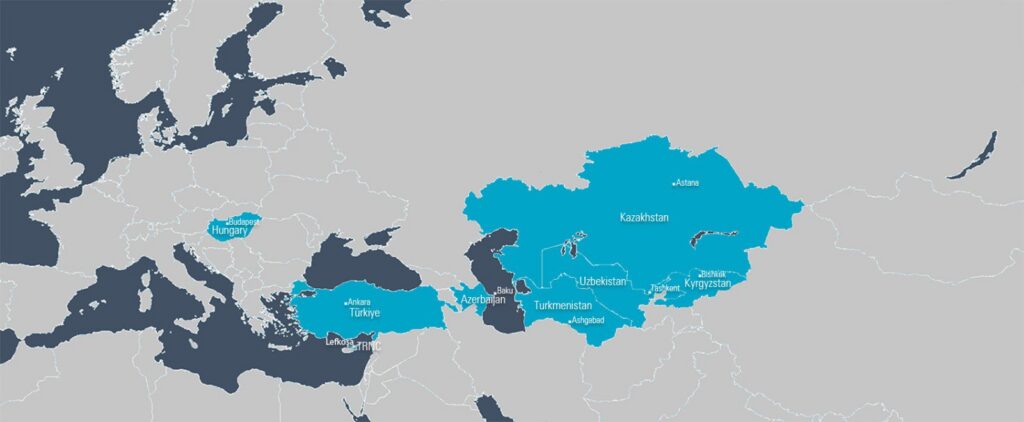
Founded in 2009 to foster comprehensive cooperation among Turkic-speaking nations, the OTS includes Azerbaijan, Kazakhstan, Kyrgyzstan, Turkey, and Uzbekistan as full members. Turkmenistan, Hungary, and Northern Cyprus participate as observers.

According to the OTS Secretariat, the Turkic region recorded an average economic growth rate of 6.86% in 2025, more than double the global average. Despite this performance, OTS Secretary General Kubanychbek Omuraliev called for intensified efforts to expand intra-regional trade.

Omuraliev highlighted ongoing negotiations on the Agreement on Services and Investment Facilitation, describing it as a decisive step toward deeper economic integration. He also pointed to strengthened institutional mechanisms, including the Council of Central (National) Banks of the OTS, the Turkic Green Finance Council, enhanced cooperation among Financial Intelligence Units and Competition Authorities, and closer coordination between the Turkic Investment Fund and the Union of Turkic Chambers of Commerce and Industry (TCCI).

Delegations discussed practical measures to increase intra-OTS trade, improve the investment climate, and enhance regional connectivity. Participants emphasized the need for coordinated policies to reduce trade barriers, support small and medium-sized enterprises, and facilitate cross-border commerce.

Kazakhstan’s Deputy Minister of National Economy, Asan Darbayev, underscored the symbolism of holding the meeting in Turkistan, a historic spiritual center of the Turkic world and a key node of the ancient Silk Road. He noted that the OTS is steadily evolving from a dialogue platform into a mechanism for practical cooperation, building new value chains and expanding trade links.

In 2025, mutual trade among OTS member states exceeded $11.9 billion. Kazakhstan’s largest trade volumes were with Turkey ($4.9 billion), Uzbekistan ($4.3 billion), Kyrgyzstan (nearly $2 billion), and Azerbaijan ($425 million).

Investment ties are also strengthening. Between 2005 and 2025, foreign direct investment from OTS countries into Kazakhstan surpassed $6.3 billion. Over the same period, Kazakh investments in OTS economies reached $5 billion, including more than $1.3 billion in 2025 alone.

The meeting concluded with the signing of a Memorandum of Understanding on Partnership in Trade and the adoption of a Roadmap for Cooperation in Economy, Trade, Investment, and Finance.

As previously reported by The Times of Central Asia, in December 2025 the Board of Governors of the Turkic Investment Fund announced that the fund would begin operations in the first quarter of 2026.

Headquartered in Istanbul, the Turkic Investment Fund is the first joint financial institution established by OTS member states. Its mandate is to promote economic cooperation, boost intra-regional trade, and finance major joint initiatives aimed at strengthening long-term regional integration.

Storms and Abnormal Heat: Turkmenistan Experiences Severe Weather

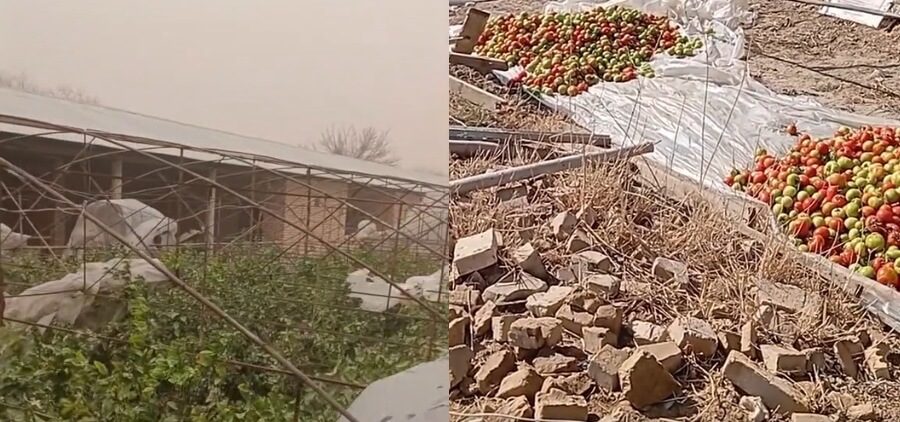
From February 20 to 22, dust storms with storm-force winds swept across Turkmenistan. The storm damaged greenhouses and crops in a number of regions, and the week was memorable not only for the destruction it caused but also for the historic temperature records it set.

Strong winds hit the country on February 20. In the Akhal region, gusts reached 18-23 m/s, and in the Mary region, 17-22 m/s. On the Beaufort scale, these readings are classified as storm force. In other regions, the wind was also very strong.

Dust storms broke out in the east of the country and in some parts of the Ahal region. In the town of Turkmenabat, wind speeds reached 23 m/s, and visibility was reduced to 500 meters. Similar readings were recorded in the towns of Serkhetabat and Bayramali. In the town of Mary, visibility dropped to 300 meters, and in the village of Tagta-Bazar to only 200 meters.

The storm knocked down trees, damaged road signs, and affected some buildings. The most significant damage occurred in rural areas.

In the Mary and Lebap region, private farms and plots were affected. The wind blew away greenhouses, and their frames collapsed directly onto the beds, destroying cucumbers, tomatoes, and other crops.

Flower growers also suffered serious losses. Many had expanded their acreage and hired additional workers to prepare for the peak sales period around March 8, but the storm deprived them of their harvest and any chance of compensating for months of low demand.

The region has previously faced the devastating effects of natural disasters. In 2020, a hurricane caused extensive damage in the Mary and Lebap regions, knocking down buildings and trees and claiming dozens of lives. Some families have still not recovered from those events. At the same time, despite the regular occurrence of strong winds, no effective system has been created to protect farms and the population from such phenomena.

As noted by Meteozhurnal, the current weather situation is due to the northwestern intrusion of air masses. High wind speeds continued on February 23, prolonging the period of adverse conditions.

The week was marked not only by storms but also by unprecedented heat.

For several days, temperatures were more typical of April or May. The peak occurred on February 19, 2026. 

In the city of Esenguly in the Balkan region, located in the southwest of the country on the coast of the Caspian Sea, the temperature reached 36.2°C. This is the absolute maximum in the history of meteorological observations in Turkmenistan. The previous record of 32.9°C was set in 1946 in Serakhs, Akhal region.

On the same day, temperatures above 30°C were recorded in several regions. In the Balkan region, the thermometer rose to 33.4°C in the town of Etrek and 30.6°C in Makhtumkuli. In Baharden, Akhal region, it reached 33°C. Records were also broken in other cities, albeit with lower values.

From Denis Ten to Mikhail Shaidorov: Kazakhstan’s Thorny Path to a Gold Medal at the Winter Olympics

The 2026 Winter Olympic Games in Milan, Italy have officially come to a close. At the end of the competition, the Kazakh team won one gold medal and placed 19th in the overall medal standings. This is the country’s best result since 1994, when the team finished 12th at the Lillehammer Olympics, with skier Vladimir Smirnov winning gold.

This time, Kazakhstan’s only medal was secured by figure skater Mikhail Shaidorov, who became the first Olympic champion in the history of Kazakh figure skating. It is not the country’s first Olympic medal in the sport, however: in 2014 figure skater Denis Ten won bronze.

On February 14, Shaydorov paid tribute to Denis Ten, Kazakhstan’s bronze medalist at the 2014 Olympics.

“I think Denis Ten influenced not only me but also figure skating in Kazakhstan as a whole. He opened the door for many skaters, including me. And that is incredibly important. I hope that the medal I won today will open new doors for the younger generation, the children of Kazakhstan, who will know that there are no limits,” he said. 

Denis Ten, who tragically died at the hands of petty thieves in the center of Almaty, did much to popularize figure skating in Kazakhstan. He dreamed of opening his own school and founding an ice show for this purpose.

Shaidorov is one of dozens of boys and girls inspired by the achievements of the Almaty native, who learned to skate at the Ramstor shopping center. The future champion took his first steps on the same rink. As residents often say, Almaty is a big village where everyone knows one another.

In fact, there is limited accessible ice in Almaty, which is why Shaidorov was forced to train in the Russian city of Sochi, as Denis Ten had previously trained in Moscow.

One of the defining stories behind the young skater’s journey is connected to his training. His father, Stanislav Shaidorov, a former professional figure skater and multiple national champion, helped him pursue his ambitions, including selling a car to invest in his son’s training.

Stanislav is acquainted with Russian coach and Olympic champion Alexei Urmanov. In 2017, Urmanov held training camps in Yoshkar-Ola, Russia, where young Mikhail Shaidorov performed his first double axel.

“Six months later, we returned to Urmanov. He assessed Misha’s progress. Over the course of a year, we learned all the triple jumps, but we had to constantly change rinks. We called every day to arrange a time, which was not always convenient for us. Finally, in the fall of 2018, we were faced with a choice: continue renting ice in Almaty at our own expense or move to Russia to train properly. I called Alexei Evgenievich. He said, ‘Okay, come on over.’ That same day, I sold my car, and the next day we bought tickets and flew to Sochi, where Urmanov works,” recalled Stanislav Shaidorov. 

Mikhail, who was 14 at the time, later said in an interview that he had asked his father to leave Almaty, where he felt his development as an athlete was stalling due to the lack of available ice.

“And my dad literally sold the car in a day or two, and with that money we went to Sochi so that I could train. For four or five years, I trained almost exclusively in Sochi. It was very difficult for me. Figure skaters don’t really have an off-season. Even during that period, you’re still training. You have two weeks a year when you can go somewhere. But I was usually sick during those two weeks, and I came home to Almaty a couple of times to be with my family. But most of the time I was in Sochi,” said the Olympic champion. 

Denis Ten @olympic.kz

In the summer of 2018, Denis Ten died after confronting thieves who had broken the side mirror on a car he had borrowed from his father. He was stabbed during the incident and later died from his injuries.

A monument to Denis Ten soon appeared at the site of his death, a fragile bronze figure at whose feet residents of Almaty continue to lay flowers. On the day Mikhail Shaidorov brought Olympic gold to Kazakhstan, city residents once again placed bouquets at Ten’s monument, expressing gratitude for his contribution to the development of the sport. 

Following Shaidorov’s victory, sports officials recalled that the Olympic champion had trained for a long time without pay, and had even been quietly removed from the national team. In response to public criticism, the Ministry of Tourism and Sports published details of his salary as well as the total amount, $527,000, reportedly spent on his training.

In an interview, Mikhail admitted that he “was upset that confidential information about my salary was made public.”

“I think this is not very respectful towards me as an athlete and a person. I don’t understand why they needed to make such a fuss about it, because I was just doing my job, training, competing, and working toward results without rest,” he said, adding that the situation created the impression that the ministry had issued him a check specifically for the gold medal. 

Although the Kazakh figure skater’s path to Olympic gold was thorny and marked by personal and national loss, Kazakhstan as a whole felt the void left by Denis Ten’s sudden death, particularly those who admired his talent, new challenges accompany victory. Congratulating Shaidorov on behalf of the National Olympic Committee of Kazakhstan, renowned boxer Gennady Golovkin wished him not only continued success but also the ability to remain grounded.

Farmers, Courts, and Investors: Examining Recent Land Disputes in Uzbekistan

Uzbekistan’s agricultural sector is once again in the spotlight following a recent report by Human Rights Watch and the Uzbek Forum for Human Rights, which raised concerns about the treatment of cotton and wheat farmers under what it describes as a coercive state production system. At the same time, local agricultural representatives argue that the situation is more complex and that recent legal and institutional changes have improved farmers’ ability to defend their rights.

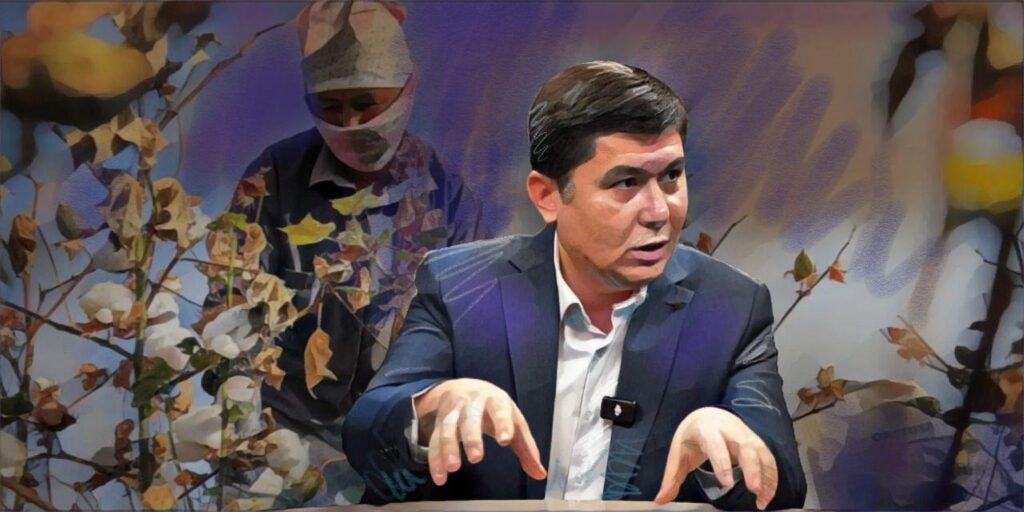
The debate intensified earlier this year after complaints from farmers in parts of the Syrdarya region, particularly in the Xovos district, regarding land seizures linked to failure to meet so-called “normative yield” requirements. Komoliddin Ikromov, head of the Agrobiznes Association, has been among the most vocal local figures commenting on these developments.

State Plan Abolished, but Normative Yields Remain

According to Ikromov, it is important to distinguish between the former state production plan and the current regulatory framework.

“There is no state plan now,” he said. “The state order was abolished in 2020. What exists today is the concept of rational land use. If a farm’s yield falls below the normative level for three consecutive years, then the land may be withdrawn, but only through a court decision.”

While cotton state procurement was abolished beginning with the 2020 harvest, reforms affecting wheat and grain procurement were phased in and linked to the 2021 harvest.

Ikromov referred to Article 36 of the Land Code, which sets out the procedure for termination of land-use rights where land is used irrationally or in violation of law. Detailed criteria — such as persistent underperformance relative to normative yield levels — are established in related regulatory acts rather than in the Land Code text itself.

“Under current legislation, the khokim (local governor) cannot independently seize land,” Ikromov said. “The case must be submitted to the court. Only a court can decide.”

Ikromov cited reforms adopted beginning in 2022 and subsequently strengthened by presidential measures in 2024, which expanded electronic auction procedures and curtailed direct administrative land allocation.

Complaints from Farmers

Beginning in January, the Agrobiznes Association started receiving complaints from farmers, mainly in Syrdarya.

“I personally received about 50 to 60 appeals,” Ikromov said. “In total, there were more than 100 messages, mostly through Telegram.”

According to him, many complaints concerned pressure to voluntarily surrender land leases through notarized statements. Farmers alleged that they were being encouraged or pressured to go to a notary and sign documents relinquishing their land.

“These were not isolated cases,” he said. “In some districts, it was widespread. But after the issue was raised publicly, the process shifted. Now cases are going through courts.”

Ikromov noted that unusual weather conditions contributed to the problem. Heatwaves and water shortages in 2024 made it difficult for some farmers to meet normative yield levels. In areas like Xovos, where soil fertility is relatively low, he said, agricultural production is already more challenging.

Legal Process and Court Outcomes

Following public attention, including Ikromov’s interview with the Uzbek outlet Kun.uz, land disputes increasingly moved into the judicial system. “Now everything is going through the courts,” he said. “Farmers have the opportunity to defend themselves.”

According to Ikromov, while some farmers may initially lose cases at district or regional levels, many achieve favorable outcomes at the Supreme Court level if they persist.

“If they can take the case to the Supreme Court, many find justice and get their land back,” Ikromov said.

He emphasized that land withdrawal without due process would be illegal and subject to cancellation. In cases where local officials acted beyond their authority, such decisions could be overturned.

Debt Burdens and Financial Risks

Land withdrawal can have serious financial consequences. Even if a lease is terminated, the farm entity remains legally responsible for its outstanding loans.

“The debt stays with the farm,” Ikromov explained. “If the farm cannot repay, then under subsidiary liability, the responsibility may fall on the farm head. If there are no assets, the farm can be declared bankrupt.”

He noted that many farmers may have significant debts, not only for crop production but also for investments in machinery, irrigation technologies, and equipment.

“These are not small sums. Some have debts amounting to billions of som,” he said.

Auctions and Foreign Investors

Another sensitive issue concerns land allocation to investors, including foreign companies. Recent regulations allow long-term lease rights, up to 25 years, to be granted through auction mechanisms, particularly where substantial investment is promised.

In January last year, the Senate of the Oliy Majlis (Uzbek Parliament) approved a draft new edition of the Law “On Investments and Investment Activities.” The updated legislation, consisting of six chapters and 37 articles, was developed with the participation of experts from the World Bank and the International Finance Corporation. According to officials, the law aims to align Uzbekistan’s investment framework with international standards, including those of UNCTAD and the World Trade Organization. Among the changes, additional guarantees for investors were introduced, including the extension of land use rights for foreign investors from 25 to 49 years.

Ikromov expressed concern that land parcels offered as single auction lots can be very large, in some cases reaching 1,000 hectares.

“Not every local farmer can pay nine (about $740,000) or ten billion som (about $820,000) at once,” he said. “There is a 15% advance payment requirement, and the rest must be paid within 15 days.”

Ikromov argued that breaking large lots into smaller parcels could give domestic farmers more opportunities to participate. At the same time, he acknowledged that the rules now require auctions, replacing earlier tender-based systems that sometimes led to unrealistic pricing and repayment problems.

Asked about regional practice, Ikromov said Kazakhstan and Kyrgyzstan have also tightened rules on direct long-term leasing of state land to foreign entities. “In many cases there, investors lease from private farmers rather than directly from the state,” he said.

He added that public debates in Kazakhstan in 2016 over land reform demonstrated the political sensitivity of the issue across Central Asia.

Human Rights Report

In their joint 85-page report titled “Farmers Have No Freedom,” Human Rights Watch and the Uzbek Forum for Human Rights argue that Uzbekistan’s remaining system of strategic crop cultivation continues to create risks of coercion. Based on interviews with 75 farmers across six regions and Karakalpakstan, the report describes mandatory quotas, risks of land seizure, delayed payments by clusters, and limited judicial redress in some cases. The government, in correspondence cited by the groups, rejected many of the findings and pointed to legislative reforms designed to strengthen farmers’ rights.

Signs of Improvement

Ikromov maintains that while problems exist, the overall situation has improved compared to previous years.

“80-85% of farmers are earning a good income,” he said. “Those who face problems are the ones who contact us. Farmers who are doing well do not usually write.”

He pointed to the growth of agricultural cooperatives as one alternative model. According to Ikromov, 285 cooperatives have been formed, uniting small groups of farmers and covering 60,000 to 70,000 hectares of land.

“These cooperatives are working independently and making good profits,” he said. “They receive subsidies and, if they finance production with their own funds, they can receive an additional 10% support on cotton and wheat sales.”

Subsidies are also available for drip irrigation systems, preferential loans, and other modernization measures.

Shoira Shamatova, head of a farm in the Syrdarya region, said she started farming from scratch without equipment.

“I began with nothing. No machinery. If I asked someone, they would not give it,” she said. “But I invested in myself and acquired all the equipment. There are many opportunities in farming if you use them correctly, leasing, preferential loans, subsidies for new irrigation technologies, freedom to contract with clusters, subsidies for products like cotton.”

Presidential Focus on Modernization

On February 23, President Shavkat Mirziyoyev reviewed a presentation on expanding agricultural mechanization and digital technologies.

In recent years, 1,756 cotton harvesters have been purchased, raising the mechanization level of cotton harvesting to 52%. During the last season, 2.1 million tons of cotton were harvested by machine. As a result, the use of manual labor has reportedly declined by roughly 45% over the past five years.

The authorities aim to increase machine harvesting to at least 70%. In 2026, plans call for the purchase of 800 additional cotton harvesters and 6,000 seeders, tractors, and combines. Overall, 10,000 new pieces of agricultural machinery are expected to be acquired during the year, bringing the national machinery fleet to 292,000 units.

To finance this expansion, $400 million in financing will be secured from international financial institutions. Equipment will be leased to farmers in the national currency for ten years at 18% interest, with a two-year grace period. Eight percentage points of the interest rate will be subsidized from the state budget.

Local production is also set to increase. Between 2026 and 2028, domestic output of agricultural machinery and aggregates is planned to grow fivefold, with localization levels rising to 30-35% for self-propelled machinery and 60–65% for mounted and trailed equipment.

Use of the Law as a Tool

For Ikromov, the key issue is not only legislation but its practical application.

“The laws are there,” he said. “Using them is in our hands. If you have a tool but do not use it, it gathers dust.”

Ikromov advises farmers to pursue disputes through legal channels, hire qualified lawyers where necessary, and avoid giving up prematurely.

“Do not fall into despair. Fight legally. There is a rule of law, we see it working,” he said.

Since the initial wave of complaints and public discussion, he noted that cases are now proceeding formally through courts rather than through informal pressure.

Ikromov emphasized that the situation should not be seen as systemic or representative of the entire country.

“This situation is not critical and does not apply to all regions of Uzbekistan,” he said. “It is not being repeated everywhere. When such cases arise, the government responds relatively quickly.”

In his view, the overall trend is toward gradual improvement.

“Based on these concerns, the government is also developing and refining the necessary laws and regulations,” Ikromov said.

KazChessLab Opens in Kazakhstan Amid Plans to Teach Chess in Schools

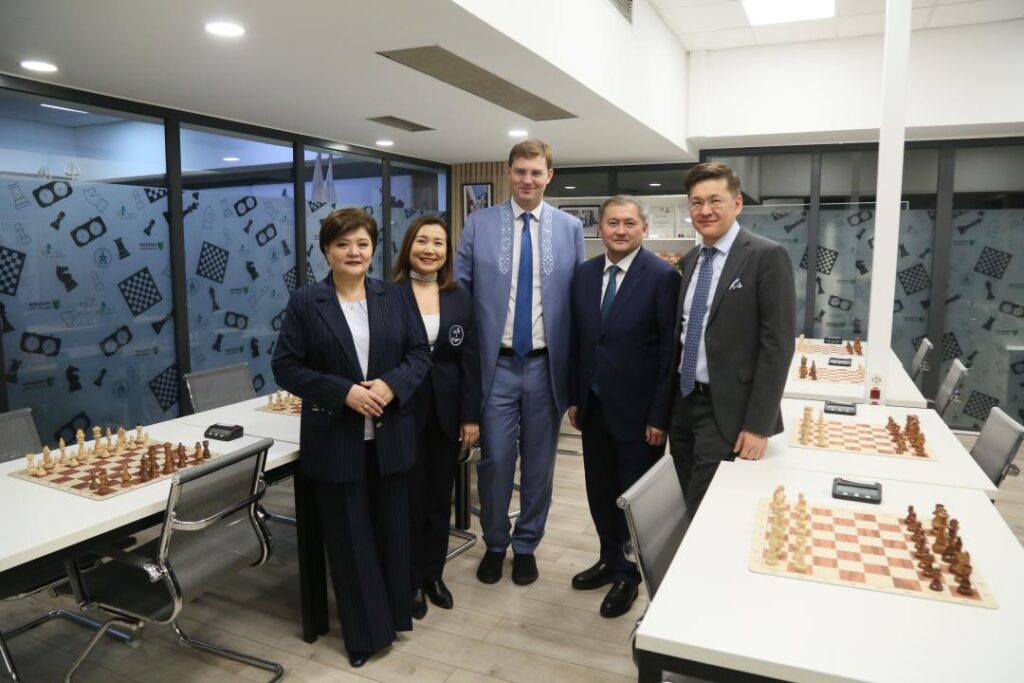
The KazChessLab innovation laboratory has been officially inaugurated at the Kazakh National Women’s Pedagogical University (QyzPU) in Almaty. The project is supported by the Ministry of Science and Higher Education and is a partnership between QyzPU and the Kazakhstan Chess Federation.

KazChessLab is a modern educational platform designed to prepare chess teachers for secondary schools. The program is intended for students majoring in pedagogy and is offered as a minor. Upon completion of the course, graduates will receive certificates confirming their eligibility to teach chess in Kazakh schools.

At the opening ceremony on February 20, Minister of Science and Higher Education Sayasat Nurbek highlighted the importance of developing chess in Kazakhstan.

“In 2023, on the instructions of President Kassym-Jomart Tokayev, a strategic chess development plan was approved. Every child should be introduced to chess and master the game from an early school age. Today, Kazakhstan demonstrates high achievements in chess, and qualified teachers are essential for further development,” the minister said.

“The opening of KazChessLab at our university is an important step aimed at updating educational content and enhancing the professional potential of future teachers,” said Beibitkul Karimova, Chair of the Board and Rector of QyzPU. “Chess is not just a game, but a tool for developing strategic thinking, responsibility, and perseverance. Training teachers capable of teaching this subject at a professional level is one of the pressing challenges of our time.”

Timur Turlov, President of the Kazakhstan Chess Federation, described the opening of the laboratory as a milestone.

“Kazakhstani chess has been consistently moving toward this goal for several years. These young specialists will not only teach children the rules of the game but also contribute to their intellectual development. I am confident that the synergy of modern infrastructure, a strong teaching school, and government support will take chess and chess education in Kazakhstan to a whole new level,” he said.

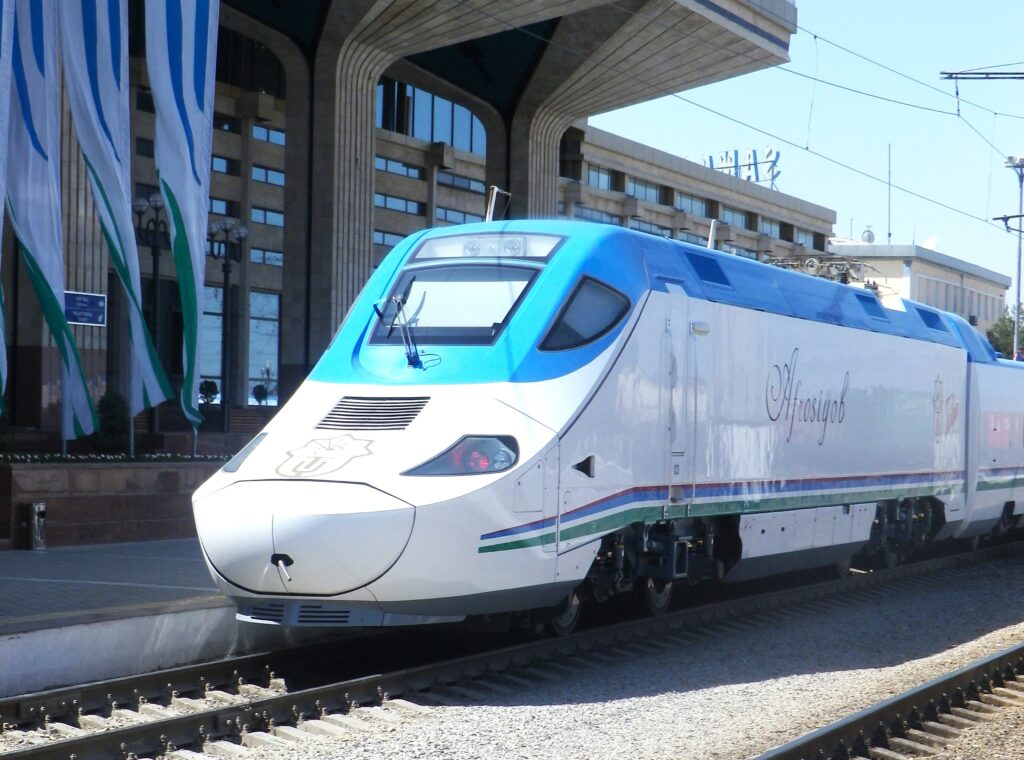
Kazakhstan and Uzbekistan Boost Rail Freight to 32.3 Million Tons

Kazakhstan and Uzbekistan have agreed on new measures to expand rail freight capacity as Astana works toward increasing overall transit volumes to 55 million tons.

According to Kazakhstan’s Ministry of Transport, the agreement was reached during a meeting between the transport ministers of the two countries, where they discussed further cooperation in the railway sector. The talks were held as part of Kazakhstan’s broader strategy to strengthen its role as a key transit hub in Central Asia.

Both sides emphasized the strategic importance of rail connections between Kazakhstan and Uzbekistan, describing them as central to trade growth, international transit flows, and regional transport integration. Officials also pointed to the strong potential for increasing freight volumes and improving the efficiency of logistics corridors linking the two economies.

By the end of 2025, rail freight transportation between the two countries reached 32.3 million tons, representing a 16% increase compared to 2024, the ministry said.

To maintain steady growth and achieve agreed capacity targets, the parties adopted a joint action plan focused on infrastructure development at key border crossings, including Saryagash, Oasis, and Syrdarya. The plan also provides for the completion of major railway projects, including the Darbaza-Maktaaral section.

Currently, up to 36 pairs of trains pass daily through the Saryagash crossing, with plans to increase that figure to 40. At the Oasis junction, traffic is expected to grow from two to 10 train pairs per day. Through Syrdarya, volumes are projected to reach 10 train pairs daily following the launch of the Darbaza-Maktaaral line.

During the meeting, the ministers also reviewed the synchronization of infrastructure upgrades and maintenance work, improvements to border control procedures, and measures to optimize operational coordination in order to raise overall transport efficiency.

Last month, Kazakhstan’s national railway company, Kazakhstan Temir Zholy, announced that its Jibek Joly, or Silk Road, tourist train route would be extended to Dushanbe for the first time, linking cities in Kazakhstan and Uzbekistan with Tajikistan’s capital. The inaugural journey on the expanded route is scheduled to depart from Almaty on March 20, 2026, coinciding with Nauryz celebrations across the region.