• KGS/USD = 0.01144 0%
  • KZT/USD = 0.00196 -0%
  • TJS/USD = 0.10899 -0%
  • UZS/USD = 0.00008 -0%
  • TMT/USD = 0.28490 0%
  • KGS/USD = 0.01144 0%
  • KZT/USD = 0.00196 -0%
  • TJS/USD = 0.10899 -0%
  • UZS/USD = 0.00008 -0%
  • TMT/USD = 0.28490 0%
  • KGS/USD = 0.01144 0%
  • KZT/USD = 0.00196 -0%
  • TJS/USD = 0.10899 -0%
  • UZS/USD = 0.00008 -0%
  • TMT/USD = 0.28490 0%
  • KGS/USD = 0.01144 0%
  • KZT/USD = 0.00196 -0%
  • TJS/USD = 0.10899 -0%
  • UZS/USD = 0.00008 -0%
  • TMT/USD = 0.28490 0%
  • KGS/USD = 0.01144 0%
  • KZT/USD = 0.00196 -0%
  • TJS/USD = 0.10899 -0%
  • UZS/USD = 0.00008 -0%
  • TMT/USD = 0.28490 0%
  • KGS/USD = 0.01144 0%
  • KZT/USD = 0.00196 -0%
  • TJS/USD = 0.10899 -0%
  • UZS/USD = 0.00008 -0%
  • TMT/USD = 0.28490 0%
  • KGS/USD = 0.01144 0%
  • KZT/USD = 0.00196 -0%
  • TJS/USD = 0.10899 -0%
  • UZS/USD = 0.00008 -0%
  • TMT/USD = 0.28490 0%
  • KGS/USD = 0.01144 0%
  • KZT/USD = 0.00196 -0%
  • TJS/USD = 0.10899 -0%
  • UZS/USD = 0.00008 -0%
  • TMT/USD = 0.28490 0%
08 December 2025

#ForSaltanat: The Quest for Justice in Domestic Violence Cases in Kazakhstan

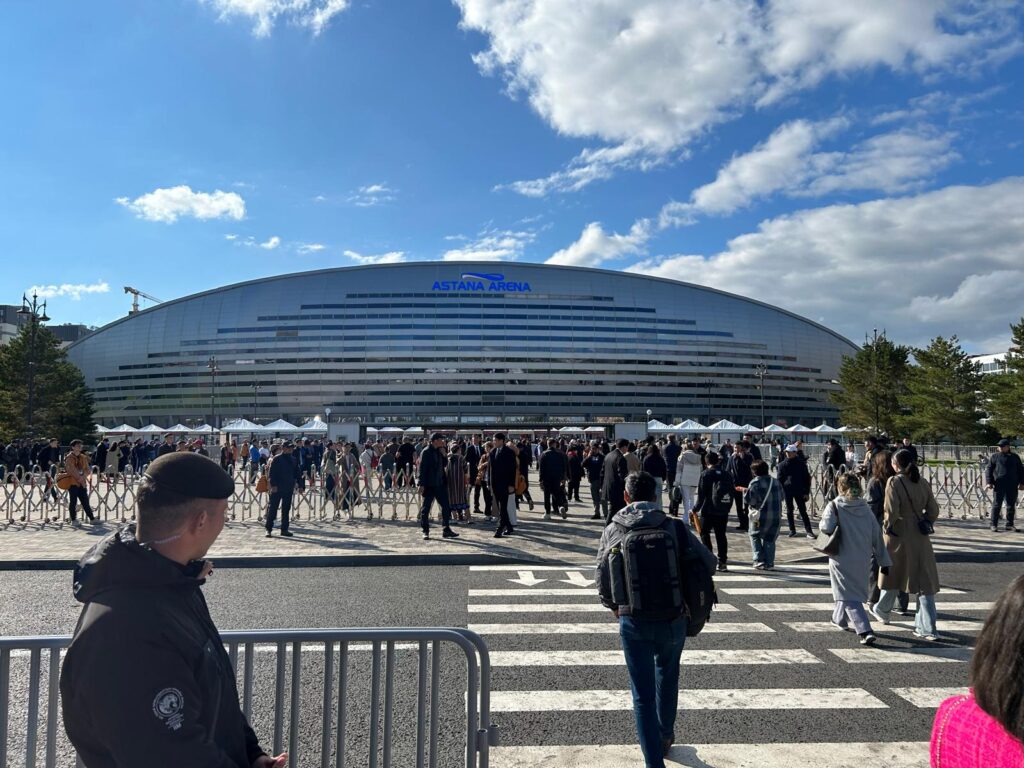
In the spring of 2024, the televised murder trial of Kuandyk Bishimbayev, Kazakhstan’s former Minister of the National Economy, captivated viewers across the country. Bishimbayev was found guilty of the brutal murder of his wife, Saltanat Nukenova, in a restaurant in Astana, and sentenced to 24 years in prison. Comparisons to the O.J. Simpson trial of 1995 were inevitable. Both trials involved a prominent figure — in this case, a politician previously pardoned by President Nursultan Nazarbayev after serving time for corruption — a victim who had endured domestic abuse, and a massive viewership. Bishimbayev’s trial underscored public fascination with the case, driven not only by its reality TV appeal but by a growing awareness of deeply ingrained gender inequities, particularly regarding the societal expectations placed on Kazakh women within marriage. The trial’s timing occurred shortly before — and perhaps by no coincidence — new legislation was signed by President Kassym-Jomart Tokayev on April 15, 2024, amending laws to protect the rights and safety of women and children. However, critics noted an omission: a clear, targeted focus on preventing domestic violence.

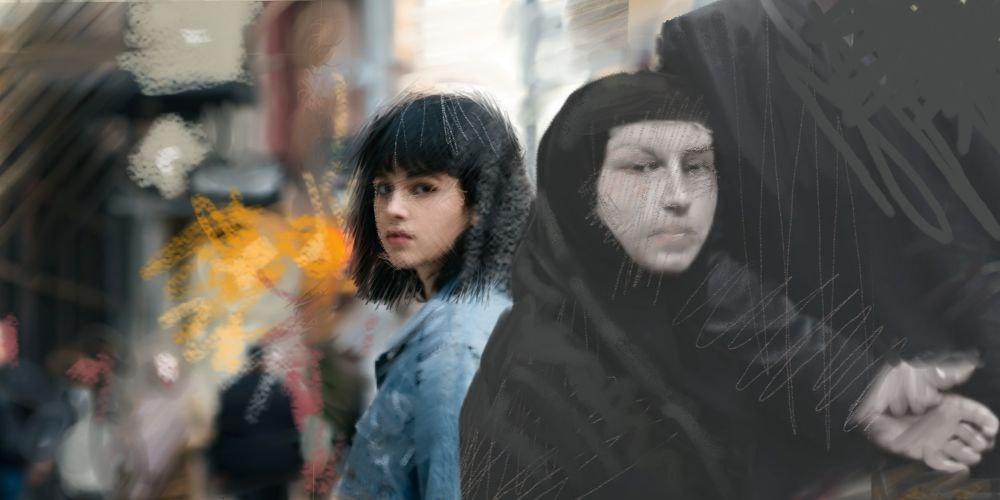
Two Kazakh women, who shared their stories with The Times of Central Asia, revealed the extent to which domestic violence remains embedded in Kazakh society. Rayana, from Astana, and Aliya, a Kazakh student in New York City, have never met, yet their stories echo shared challenges and hopes for change in their home country.

Rayana, a beauty industry professional in her mid-twenties, reflected on her brief and tumultuous marriage, which began when she was 23. “I loved my husband, but felt it was too early to marry. We married just four months after meeting, and within a month of living together, I wanted a divorce. He was unfaithful and violent.”

When Rayana sought help from her mother-in-law, she was told that her mother-in-law had also been a victim of domestic violence and that she, too, must learn to endure it. “It is worth mentioning that in Kazakhstan the north is very different from the south,” Rayana added. “I’m a northerner, he’s a southerner. I had never experienced abuse before, and then for the first time, I felt a panic attack, which I still live with. In the south, people adhere more to traditions and have a negative attitude towards divorce and washing their dirty linen in public. Women keep silent about domestic violence. I can’t say anything about his family’s attitude. I still don’t fully understand.”

Having grown up around domestic violence, she believes that one in two families is affected by it. After separating, Rayana’s family offered her support, while her in-laws disapproved, even throwing out her belongings.

Rayana’s life since then, however, has vastly improved. “I have been working in the beauty industry for a long time. In our field, at least, climbing the career ladder is not difficult. My first supervisor helped me a lot. He spoke fondly of his wife and cared about his female employees. This gives us faith that there are good men in Kazakhstan. Now, I provide consulting services for beauty salons and barbershops. In addition to organizing events, we are currently preparing a women’s forum for 500 people with speakers represented by successful women who inspire us. I’m not ready to start my own business yet, but I feel comfortable with hiring and I feel like I can help a lot of people here. There is already a lot of evil and violence, so we are trying to be kinder and more united.”

Now financially independent, Rayana is optimistic about the recent legal reforms, but wary of the road ahead. “Just because the constitution says you can’t beat a woman, men don’t stop,” she noted. “Our silence and fear are passed down to our daughters. This chain needs to be broken now.”

Having taken a break from entering into a new relationship, Rayana remains hopeful about remarrying and building a family in the future. “I hope to meet a man whose ego can embrace the success of his partner.”

Reflecting on the Bishimbayev trial and recent women’s rights law amendments, Rayana has thought carefully about what is needed to bring about real improvements in the lives of women and girls in Kazakhstan.

“Of course, the brutal murder of Saltanat Nukenova and the way her family fought for justice opened the eyes of the people. I believe that the educational program should include an elective on financial literacy. Quite a few women remain in abusive relationships due to financial dependence on their husbands. I urge parents to explain to their children from an early age what is bad and what is good, and if they are in trouble, there are always people who will help them. I hope the government will pay more attention to support centers for victims of domestic violence. I have experienced domestic violence, infidelity, and divorce. Today, I dictate the rules of my own life. I am surrounded by kind and successful people, and my past has taught me a lot and made me stronger.”

Aliya, 28, who moved from Kazakhstan to the United States six years ago and is now a student in New York City, has noticed significant differences in the support available to women in each country. “I experienced domestic violence here in the States when I was 24,” she said. “I lived in fear and constant anxiety. If I’d known that a simple protection order could help, I would have sought help sooner. I was shocked at how easy it was to get that protection and finally feel safe. This experience has given me a unique perspective on women’s rights issues in both countries. I understand deeply how difficult it is for many women in Kazakhstan who may not have the same option. I didn’t realize I was suffering from post-traumatic stress disorder, anxiety, and panic attacks until a therapist reached out to me after my police visit. I didn’t know I needed help as I’m from a country where mental health is ignored.”

Aliya believes that Kazakhstan’s patriarchal norms perpetuate abuse, with survivors often blamed for their situations, stigmatized if they divorce, and pressured to stay in unsafe marriages. “In Kazakh society, divorced women — especially mothers — face significant stigma, making it harder to leave abusive relationships.”

Reflecting on the Bishimbayev case, Aliya described the sentence as a small step in a long journey. “Bishimbayev represents all abusive men to me. His wife was brutally beaten for eight hours in a restaurant filled with staff who likely heard her cries for help, but chose to ignore them. I’m not fully satisfied with his 24-year sentence. His status as a political figure made it even harder for Saltanat to seek help, as men with money and power could easily influence the police and courts.”

Both women agree on the need for change at every level — from stronger laws to shifts in cultural attitudes. Rayana advocates for financial literacy education for girls, to reduce financial dependence on abusive partners, while Aliya emphasizes the need to educate boys and men about equality and respect. “Parents, teachers, and leaders should emphasize that no one has the right to harm others,” Aliya noted, “and girls should feel empowered and valued in society.”

Despite their challenges, Rayana and Aliya remain hopeful. “Kazakhstan is at a critical turning point,” Aliya remarked. “There’s a rising awareness among the younger generation, and recent legislative changes show promise. However, true progress will require both structural changes and a shift in cultural attitudes to ensure that women are treated with respect and dignity, free from fear and stigma.”

Six Key Names in the Music of Kazakhstan

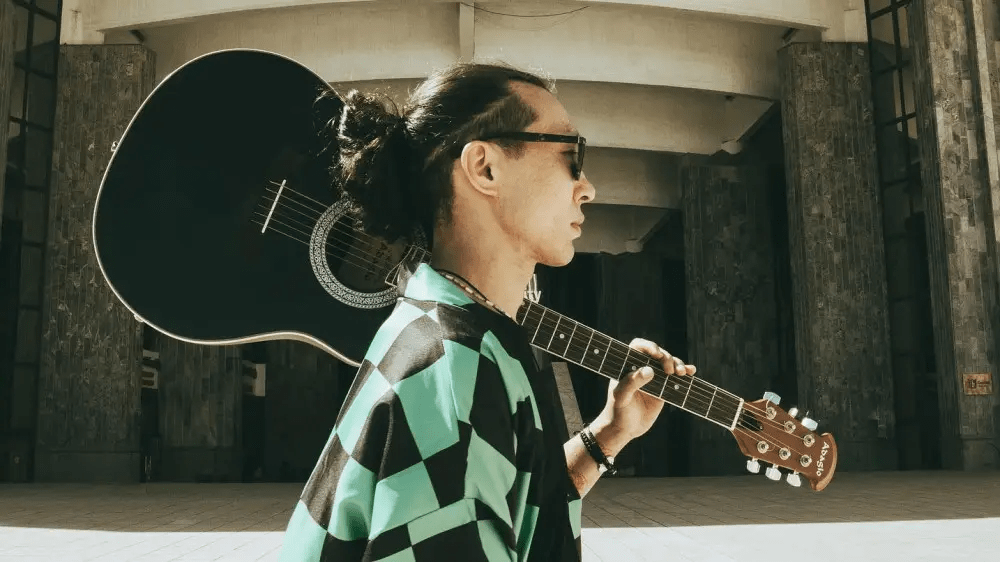
The music of Kazakhstan is a bright reflection of the national identity. From pop classics to groundbreaking hip-hop sounds, Kazakhstani artists are creating more than just songs – they’re blazing a new cultural trail, where every chord and lyric is imbued with a unique identity. TCA has compiled a list of six key names whose music has united generations, captured hearts and made Kazakhstan a prominent spot on the global music map.


Dos-Mukasan


Dos-Mukasan have been one of the most popular bands in Kazakhstan since the late 1960s. The group was created by students of the Kazakh Polytechnic Institute and soon became a firm favorite with the public. They combined folk motifs with elements of rock music, which was revolutionary at the time, and set a new vector for Kazakhstani pop music. Their compositions, such as “Aliya” and “Toi Zhyry”, remain popular and are played at various events, evoking a strong sense of nostalgia among the older generations.

Following the release of the movie Dos-Mukasan in 2022, the band gained a second lease of life with a younger audience. Now, the legendary band can be heard on a new generation of headphones, and the number of monthly listens on Spotify has already exceeded 19,000.


Roza Rymbayeva

Roza Rymbayeva, the “Nightingale of Kazakhstan”, is one of the most famous performers from Soviet-era Kazakhstan. Her career began in 1975 when she became a soloist with the Arai ensemble and quickly gained immense popularity. Rymbayeva continued her career performing on various international stages and won a plethora of awards. Her songs are characterized by strong vocals and deep content, and many, such as “Aliya,” have become true classics of Kazakhstani pop music.


Kairat Nurtas

Kairat Nurtas is one of the most commercially successful performers in modern Kazakhstan. He began his musical career as a teenager, and by the 2010s had become a star of the Kazakh pop scene. His songs, such as “Arman” and “Almaty tүni,” became hits, winning over fans across the country. Kairat is listened to by both the younger generation, who appreciate his modern pop sounds, and more mature listeners, who are drawn to his lyrics and national motifs. Thanks to his charisma and ability to find a common language with different generations, Kairat has a huge army of fans and has a significant influence on the modern pop culture of Kazakhstan.


Dimash Kudaibergen

Dimash Kudaibergen is a singer with a unique voice, the range of which reaches six octaves. He became famous globally thanks to his participation in the Chinese show “I Am a Singer” in 2017, where he captivated the audience with his powerful voice. Dimash has won numerous international awards and actively popularizes Kazakh culture abroad, incorporating national themes into his performances. His compositions, “S.O.S” and “Acapella” have been recognized both in Kazakhstan and far beyond its borders.


Skriptonit

Skriptonit (Adil Jalelov) is one of the most influential rappers in Kazakhstan and the CIS. His style combines elements of hip-hop, rap, and various experimental genres. He became popular thanks to his debut album “House with Paranormal Phenomena” and subsequent works, which reflected both his depth of personal experiences and social themes. Skriptonit has set a new standard in Kazakhstani rap, and inspired a generation of young artists.


Darkhan Juzz

Darkhan Juzz (Darkhan Juzbay) is one of the brightest representatives of the Kazakhstani alternative scene. His style combines elements of indie rock, jazz and soul, which makes his music both unique and deeply emotional. Darkhan Juzz has found his audience through his sincere and melancholic lyrics, which touch upon such themes as loneliness, love, and self-awareness. His compositions, such as “Úıde” and “Sheker” have gained popularity among young people, and Darkhan has become a symbol of modern Kazakh music.

Food Catering for Rioters? Alleged Signs of a Coup Plot in Kyrgyzstan

One grenade, a pistol, several drones, vodka to get would-be rioters drunk, one ton of rice and one horse for slaughter.

These were among the tools that a band of half a dozen alleged plotters, including Kyrgyzstan’s former deputy prosecutor general, planned to deploy in order to foment chaos and violently seize power, according to the Ministry of Internal Affairs.

The suspects’ plan was to hold a sports event along with other competitions on the outskirts of Bishkek, ply spectators with alcohol and food and then rile them up on Nov. 17, when local elections are held, the ministry said.

Whatever the chances of success of such an alleged coup plot, the charges against the group are severe and have been rolled out in other instances by a government whose opponents say is intent on snuffing out perceived threats to stability, at the expense of free expression and other rights.

Kyrgyzstan has experienced periodic political upheavals over the years. President Sadyr Japarov himself came to power in one of those chaotic events, winning election in 2021 after being released from jail by protesters just months earlier. Japarov had been in a cell for kidnapping, a conviction that he said was politically motivated. He has sometimes warned of the perils of “anarchy” in Kyrgyzstan; critics fear a slide toward authoritarianism.

Earlier this week, media organizations in Kyrgyzstan reported that Kuban Adyl uulu, a former top prosecutor who was dismissed in April, was arrested and will be held in pretrial detention until Jan. 10. The government described him as the “main organizer” of the coup plot “whose tasks included financial support, communication with law enforcement agencies, transmission of information obtained about their actions, distribution of roles and coordination during mass riots and seizure of power.”

Adyl uulu was among seven people, including several foreign nationals, who were arrested, the Ministry of Internal Affairs said. One of the foreigners allegedly participated in military operations in another country, a possible reference to Russia’s full-scale invasion of Ukraine.

“The group had 1,000 bottles of vodka to get the crowd drunk, 2,000 bottles of mineral water, 1 ton of rice, 1 horse for slaughter, and food for cooking pilaf for the participants in the mass riots confiscated from the warehouse,” the ministry said.

It said charges including plans to incite riots and resist government officials by force were based on evidence, including the grenade, the pistol, several drones, a thermal imager and other items. If convicted, the suspects could face long prison terms.

Adyl uulu had been fired as part of a reshuffle of the leadership, including anti-corruption officers, in the prosecutor general’s office that was ordered by Japarov. At the time of his dismissal, there was no mention of his alleged involvement in a possible coup plot. Instead, the president had reprimanded the prosecutor general and the natural resources minister over the alleged interference of subordinates in the activities of the ministry’s licensing commission.

On Wednesday, Russia weighed in on the alleged coup plot in Kyrgyzstan.

Kremlin spokesman Dmitry Peskov said the Kyrgyz government “has everything necessary to ensure order and legality” and that the security forces of both countries “are in constant contact,” according to Russian state news agency Tass.

Human Rights Activists Urge Belgian Authorities to Halt Deportation of Tajik Citizens with Children

The human rights organization Freedom for Eurasia has called on Belgian authorities to halt the deportation of Sitoramo Ibrohimova and her four children to Tajikistan. Human rights activists argue that the 37-year-old, currently being held in a Belgian migration detention center, risks facing persecution in Tajikistan, where she is accused of ISIS affiliation and participation in the war in Syria. Her name is reportedly included on a list of individuals linked to extremism by the National Bank of Tajikistan.

Ibrohimova is married to Murodali Halimov, who was sentenced to 23 years in prison in Tajikistan on terrorism and mercenary charges. Leyla Nazgul Seyitbek, head of Freedom for Eurasia, informed Radio Ozodi that while Belgium has not agreed to extradite Ibrohimova, they have decided on deportation. “She is depressed, and her 12-year-old son has stopped speaking due to stress,” Seyitbek said.

In addition to her children, Ibrohimova cares for the two daughters of her sister, Nigora Saidova, who was deported from Poland and sentenced to seven years in Tajikistan for allegedly “supporting terrorism.” According to The Insider, Tajikistan has requested Ibrohimova’s extradition, though activists insist the terrorism charges are fabricated.

Since 2015, when the Islamic Renaissance Party of Tajikistan (IRPT) was banned, many IRPT supporters and other opposition members have fled, seeking asylum in Europe. However, reports from European media, including The Insider and Polityka, indicate that EU authorities frequently deport Tajik refugees without full consideration of their cases, despite concerns over their safety if returned to Tajikistan.

The Times of Central Asia is covering the detention of Tajik opposition figure Dilmurod Ergashev, who was deported from Germany. In recent years, several political refugees have faced deportation from the EU and were subsequently sentenced to long prison terms in Tajikistan. Examples include Abdullo Shamsiddin, son of IRPT activist Shamsiddin Saidov, who received a seven-year sentence, and Bilol Kurbonaliev from Group 24, sentenced to ten years.

Farrukh Ikromov, deported from Poland, received a 23-year sentence, and Hizbullo Shovalizoda, an IRPT member deported from Austria in 2020, was sentenced to 20 years in prison in Tajikistan.

Uzbekistan Aims to Export 10-15 Billion kWh of Electricity to Europe by 2030

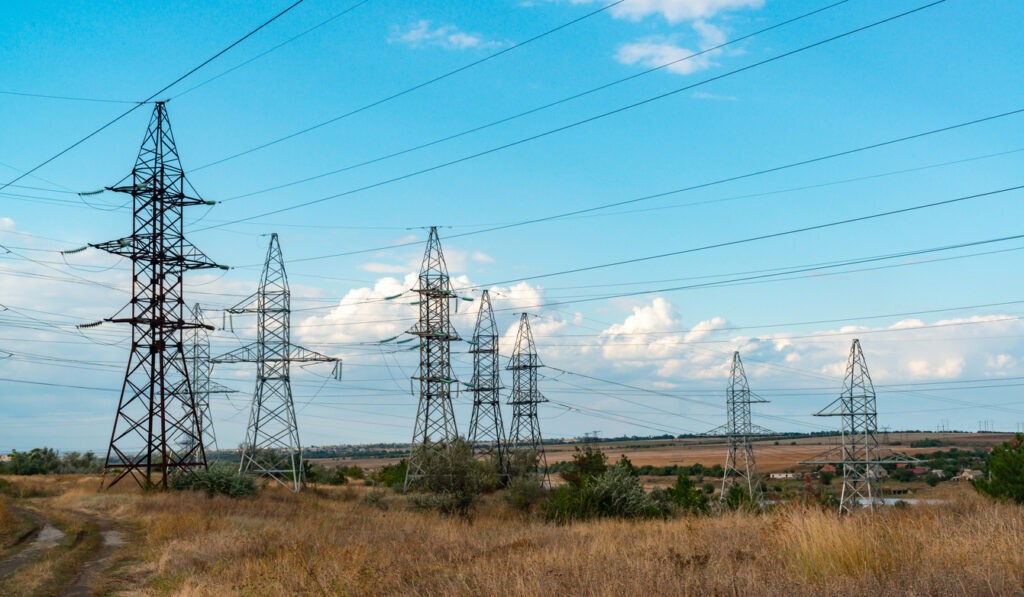
Uzbekistan plans to export 10-15 billion kWh of electricity abroad by 2030, according to Deputy Minister of Energy Umid Mamadaminov, who discussed the initiative in an interview on November 6 during the “Days of European Economy in Uzbekistan” forum.

“In 2030, electricity demand is projected to be around 120-125 billion kWh. Our generation capacity will reach approximately 135 billion kWh. Once the necessary infrastructure is ready, we’ll be able to export electricity to Europe,” Mamadaminov explained.

At a meeting in Astana in August, Uzbekistan outlined plans to start exporting surplus electricity to Europe by 2030. Energy Minister Jurabek Mirzamahmudov noted that if the joint project with Kazakhstan and Azerbaijan to lay a cable under the Caspian Sea is successful, Uzbekistan will be able to transmit excess energy to Europe. Mirzamahmudov said that renewable energy capacity would exceed 4 GW by the end of this year and is expected to reach over 20 GW by 2030, with 2-5 GW available for export.

In the summer, Uzbekistan, Kazakhstan, and Azerbaijan agreed on a draft strategic partnership to develop and transmit green energy. The agreement includes terms for a preliminary feasibility study, which is being developed by the Italian company CESI.

“We selected CESI to handle the project’s feasibility study,” Mamadaminov stated. “The study will take about a year and a half to complete, with an expected finish date by the end of 2025. Following this, construction will begin based on the study. The project requires around 2,500 km of HVDC (high-voltage direct current) cable, which will be costly—exceeding $2 billion.”

Mamadaminov added that the electricity price will be market-driven but is expected to start at around 4-5 cents per kilowatt.

Kazakhstan Sports Anticipates Influx of Russian and Belarusian Athletes

Kazakhstan’s lower house of parliament, the Mazhilis, has approved in its first reading a bill on physical culture and sports that would ban the funding of foreign athletes (legionnaires) from the state budget and national companies with government stakes. However, even if this bill is enacted, Kazakh sports teams will retain a legal avenue to invite athletes from Eurasian Economic Union (EAEU) countries using public funds.

For the first time, Kazakhstan’s national legislature is proposing a provision prohibiting the use of state funds to finance athletes who are not citizens of Kazakhstan, with the goal of prioritizing Kazakh athletes in terms of both sports representation and financial support. Minister of Tourism and Sports Yerbol Myrzabasynov has also suggested setting a cap on state funding for professional sports clubs, which would vary by sport according to national priorities. “The freed funds will be redirected towards children’s and youth sports, including boarding schools, youth sports schools, sports reserves, and facility upgrades,” Myrzabasynov explained. The bill was approved in the first reading.

Currently, government funding for sports clubs in Kazakhstan comes from two main sources. Teams competing internationally, such as the Barys hockey team in the Continental Hockey League, the Astana basketball team in the VTB United League, and the Astana cycling team in the World Tour, receive support from the Samruk-Kazyna fund. Other teams in soccer, hockey, basketball, and volleyball competing in Kazakhstan’s national championships are funded by local budgets, with Astana’s soccer team – which also receives sponsorship from the Samruk-Kazyna fund – being the sole exception. Should the bill pass, these teams will need to rely on Kazakh athletes — or athletes from EAEU countries such as Russia, Belarus, Armenia, and Kyrgyzstan.

The Treaty on the Eurasian Economic Union, enacted in January 2015, promotes the free movement of services, goods, capital, and labor across member states, ensuring equal labor rights and remuneration for citizens of EAEU countries. This treaty means that Kazakh clubs cannot restrict funding for athletes from EAEU nations without breaching international commitments. In Kazakh soccer, for instance, EAEU athletes are not counted as foreign players in the Premier League, a policy instituted after the Kazakhstan Football Federation set a limit on foreign players several years ago, capping each team’s roster at eight foreign players per season. Athletes from Russia, Belarus, Armenia, and Kyrgyzstan, however, are treated as domestic players due to Kazakhstan’s international obligations.

This arrangement stems from Kazakhstan’s Law on Legal Acts, which stipulates that ratified international treaties take precedence over national laws. Therefore, if the bill banning foreign athletes’ funding from the state budget is fully enacted, EAEU athletes will remain exempt from this ban. The bill must still pass through a second reading in the Mazhilis, two readings in the Senate, and obtain presidential approval before it becomes law.

Questions remains as to whether Kazakh sports clubs will use this provision to hire athletes from EAEU countries, given potential legal challenges. Local administrations (akimats) who would be affected by any restrictions on funding for Russian or Belarusian athletes could hypothetically encourage clubs to pursue legal action to establish a precedent for continued public funding of EAEU athletes. In Kazakhstan, court rulings carry nationwide legal authority, so a favorable decision would provide akimats with a legal basis to bypass any restrictions.

In Kazakh hockey, Russian players already comprise a significant portion of team rosters, ranging from a third (e.g., Karaganda’s Saryarka) to half (e.g., Petropavlovsk’s Kulager). In soccer, the presence of Russian and Belarusian players has been comparatively modest, though their numbers may rise sharply if this funding ban is enacted.

Alexander Shevchenko, Alexander Bublik, Elena Rybakina and Yulia Putintseva number among a pleyhora of tennis players who have switched nationality from Russia to Kazakhstan, with the latter three all having accepted support from the Kazakh tennis federation as teenagers.