• KGS/USD = 0.01144 0%
  • KZT/USD = 0.00196 -0%
  • TJS/USD = 0.10899 -0%
  • UZS/USD = 0.00008 -0%
  • TMT/USD = 0.28490 0%
  • KGS/USD = 0.01144 0%
  • KZT/USD = 0.00196 -0%
  • TJS/USD = 0.10899 -0%
  • UZS/USD = 0.00008 -0%
  • TMT/USD = 0.28490 0%
  • KGS/USD = 0.01144 0%
  • KZT/USD = 0.00196 -0%
  • TJS/USD = 0.10899 -0%
  • UZS/USD = 0.00008 -0%
  • TMT/USD = 0.28490 0%
  • KGS/USD = 0.01144 0%
  • KZT/USD = 0.00196 -0%
  • TJS/USD = 0.10899 -0%
  • UZS/USD = 0.00008 -0%
  • TMT/USD = 0.28490 0%
  • KGS/USD = 0.01144 0%
  • KZT/USD = 0.00196 -0%
  • TJS/USD = 0.10899 -0%
  • UZS/USD = 0.00008 -0%
  • TMT/USD = 0.28490 0%
  • KGS/USD = 0.01144 0%
  • KZT/USD = 0.00196 -0%
  • TJS/USD = 0.10899 -0%
  • UZS/USD = 0.00008 -0%
  • TMT/USD = 0.28490 0%
  • KGS/USD = 0.01144 0%
  • KZT/USD = 0.00196 -0%
  • TJS/USD = 0.10899 -0%
  • UZS/USD = 0.00008 -0%
  • TMT/USD = 0.28490 0%
  • KGS/USD = 0.01144 0%
  • KZT/USD = 0.00196 -0%
  • TJS/USD = 0.10899 -0%
  • UZS/USD = 0.00008 -0%
  • TMT/USD = 0.28490 0%
08 December 2025

Tajikistan Expresses Concerns over Violations of its Citizens’ Rights in CIS Countries

The most recent meeting of the Council of Foreign Ministers of the Commonwealth of Independent States (CIS) was hosted by Moscow on October 7.

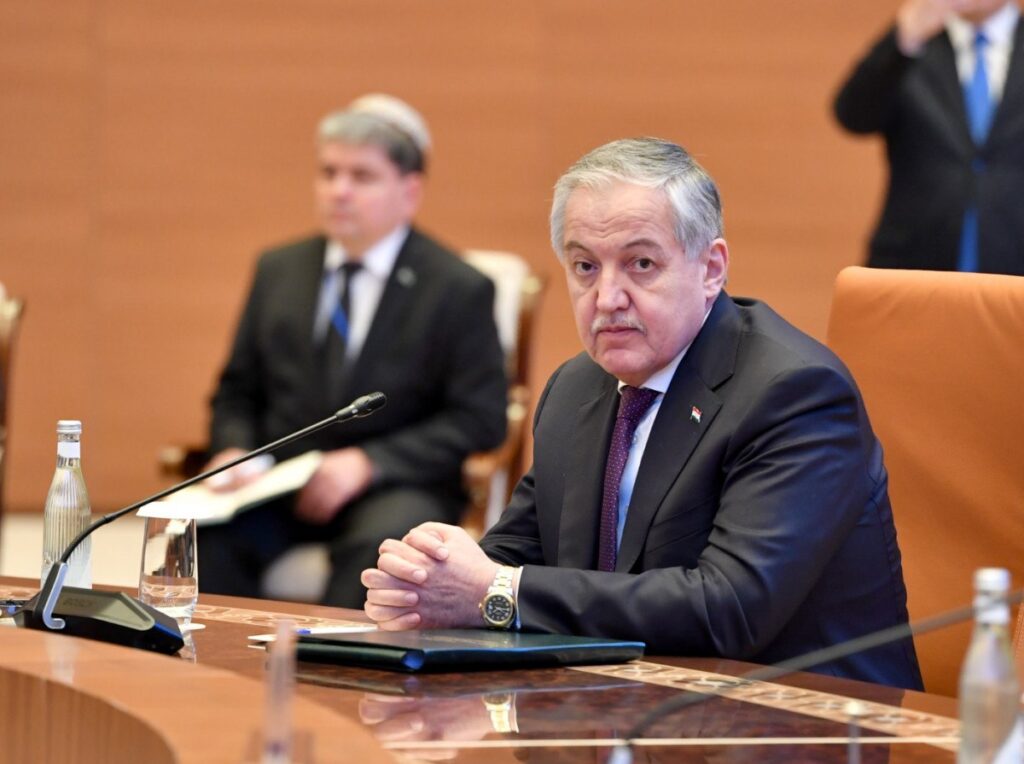
During the meeting,  Minister of Foreign Affairs of Tajikistan, Sirojiddin Muhriddin, expressed his concern about the violation of the rights of the republic’s citizens on the territory of some CIS countries. Emphasizing the need for a comprehensive approach to solving migration issues in the countries of the Commonwealth of Nations, he called for consideration of all parties’ interests: host countries, migrant-sending countries, foreign citizens, and the local population.

The Minister also addressed urgent security issues and stressed the need to strengthen the fight against terrorism, extremism, illegal drug trafficking, and transnational crimes. He invited the CIS states to participate in the international conference on counterterrorism, scheduled for early November in Kuwait City as part of the Dushanbe process.

USAID Launches Green Solutions in Kyrgyzstan

The United States Agency for International Development (USAID) has announced a new U.S. government-sponsored Green Solutions Activity. This five-year initiative backed by a $24 million investment aims to empower small and medium enterprises in Kyrgyzstan to adopt innovative green solutions, enhance energy efficiency, and increase the supply of renewable energy, the U.S. Embassy in Bishkek reported.

“This investment marks a pivotal moment in the U.S. government’s commitment to building a greener future in close partnership with the Government of the Kyrgyz Republic. USAID will partner with local businesses and offer grants to adopt green solutions and technologies. Importantly, we will also work with local banks and financial institutions to advance green finance initiatives,” USAID Deputy Assistant Administrator Änjali Kaur stated at the launch event in Bishkek.

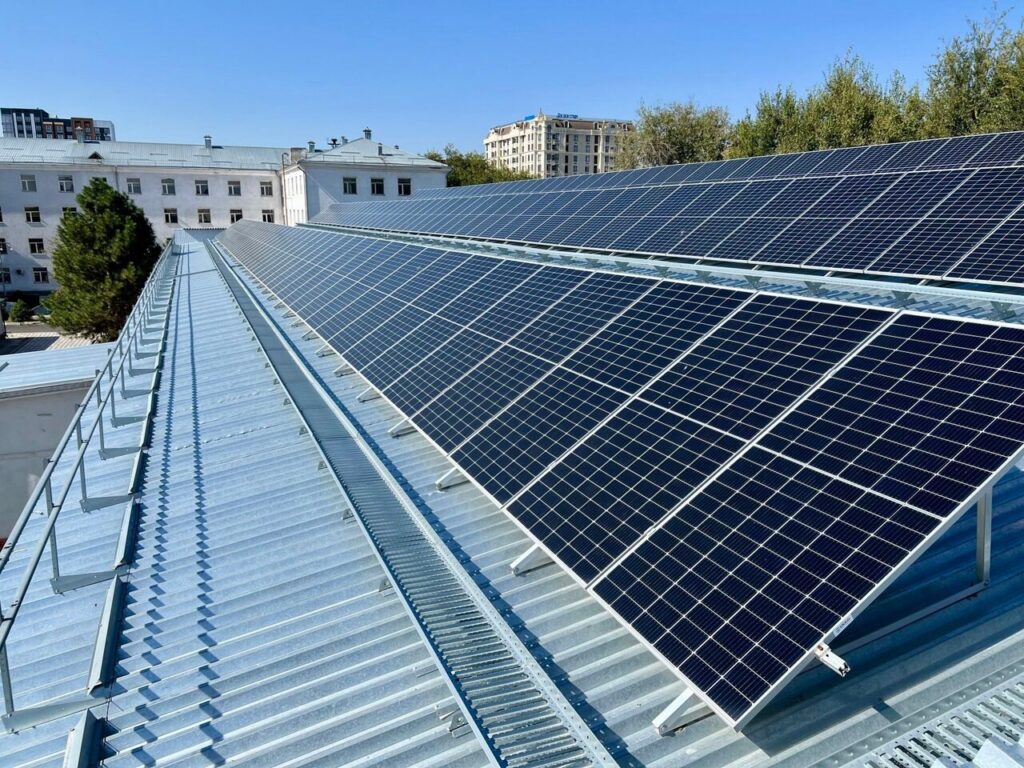
The launch event occurred at Kyrgyzstan’s first rooftop grid-connected photovoltaic solar plant at the Kyrgyz State Technical University. Developed with USAID support and officially inaugurated in December 2023, the 80-kilowatt solar power installation can generate 143,037 kilowatt hours annually. It not only powers the university but also enables it to sell excess electricity back to the grid, effectively helping to offset operational costs and modeling a more sustainable energy future for the region.

USAID is supporting the Kyrgyz government’s green economy initiative to diversify its energy sources into various clean energy forms. The regional Power Central Asia activity focuses on energy sector connectivity and decarbonization, energy security and resilience, and expanded cross-border electricity trade. Additionally, the USAID Future Growth Initiative and USAID Agro Trade Activity promote green production.

China and Afghanistan are the Main Importers of Kazakh Grain and Flour

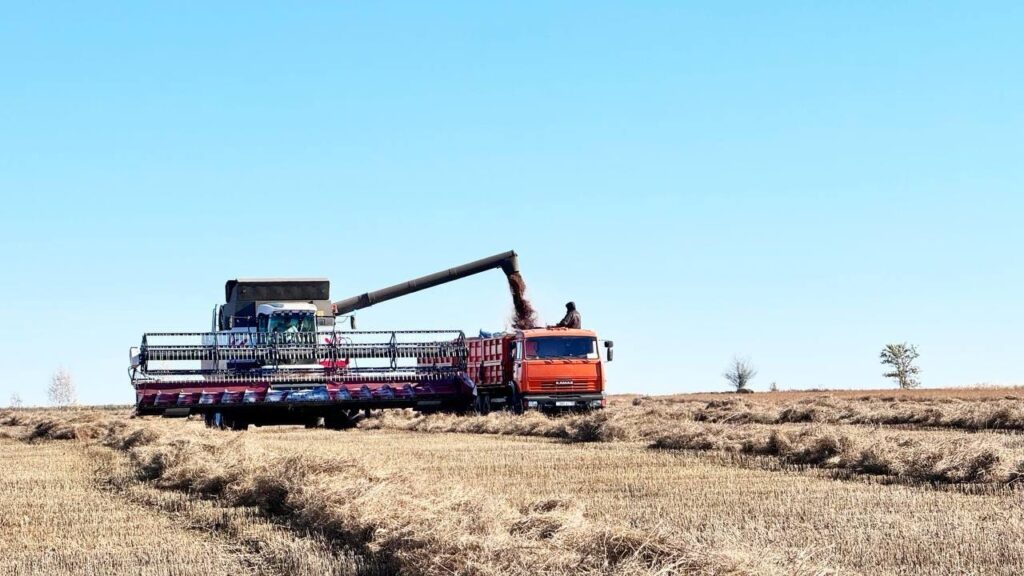
In January-September 2024, Kazakhstan’s national railways company, Kazakhstan Temir Zholy (KTZ), transported 6.6 million tons of Kazakh grain and 2.7 million tons of flour. Of that amount, 5 million tons of grain and 2.1 million tons of flour were exported. KTZ Managing Director Bauyrzhan Urynbasarov announced this at a government meeting on October 7.

According to Urynbasarov, Kazakhstan exported grain mainly to neighboring Central Asian countries (2.9 million tons), China (1.3 million tons), and Afghanistan (127,000 tons). Kazakhstan resumed grain supplies to Iran (211,000 tons), and 423,000 tons of grain were exported to Italy, Turkey, and Russia.

From January to September, 495,000 tons of flour were exported to Central Asian countries, 639,000 tons to China, and 666,000 tons to Afghanistan.

At the meeting, Deputy Prime Minister Serik Zhumangarin said that Kazakhstan must supply 2 million tons of grain to China this year, but the figure can be increased to 3 million tons. He also ordered an increase in flour supplies to Afghanistan.

According to the Ministry of Agriculture, as of October 7, Kazakhstan had completed harvesting 93.2% of grain crops on 15.5 million hectares, and 23.5 million tons of grain had been threshed.

Uzbekistan Aims to Attract 15 Million Foreign Tourists by 2030

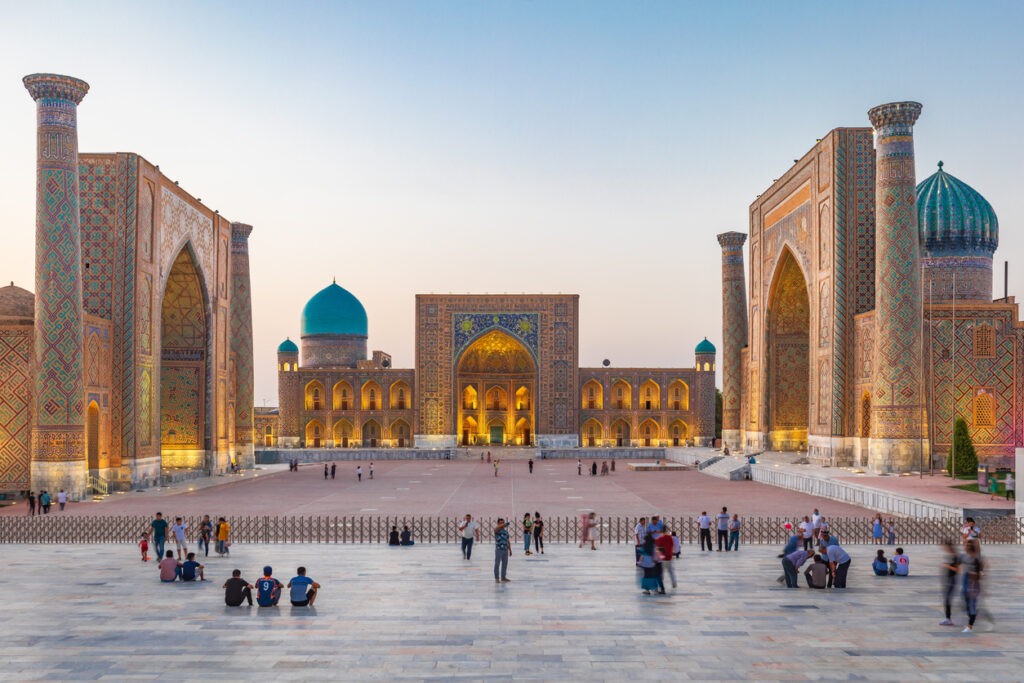
In an article, “Uzbekistan Attracts More and More Foreign Tourists to the Country”, published on the popular online portal Tiger’s Media in Poland, Dunyo reports that Uzbekistan plans to increase the number of foreign tourists to 15 million by 2030.

As stated by Tiger’s Media, “this number is twice as much as the 6.6 million tourists who came to the country in 2023. In 2023, tourism brought about $2.1 billion to the economy and created about 70 thousand new jobs.” The portal adds that “to attract the attention of young travelers, Uzbekistan is also attracting bloggers and social network activists with more than 10 million subscribers,”

Uzbekistan is located on an important part of the ancient Silk Road. Cities of the republic, such as Samarkand, Bukhara, and Khiva, important trade centers in ancient times, are UNESCO World Heritage Sites, known for their architecture, including madrasahs, mosques, and bazaars.

The Times of Central Asia previously reported that tourism revenue made up 2.35% of Uzbekistan’s GDP last year.

Other countries in Central Asia are likewise looking to boost their tourism industry. In June, Kazakh President Kassym-Jomart Tokayev spoke bluntly about infrastructure weaknesses that must be fixed. Kyrgyzstan, meanwhile, is focusing on its rugged, mountainous landscape, citing riding and hiking and “hunting with eagles” among its main attractions.

Kyrgyzstan Proposes to Fine Employers for Paying Wages in Cash

The Kyrgyz Ministry of Economy has proposed introducing fines for legal entities for paying salaries in cash. The relevant draft law has already been submitted to the parliament, the Jogorku Kenesh, for consideration.

According to the law, wages shall be paid in non-cash form except in cases of force majeure, emergency, or disaster, as well as certain types of activities or in certain territories of the country.

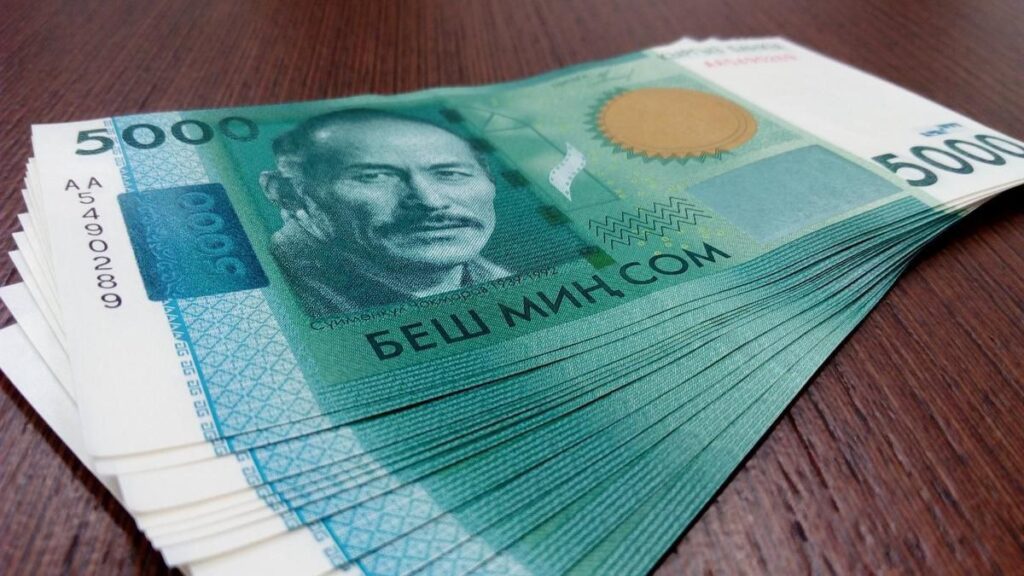
Employers who fail to fulfill the requirement to pay wages in non-cash form can be fined 5,000 soms ($59.2).

The new article, proposed to the Code of Offenses, aims to combat the shadow economy and encourage the transition to non-cash payments. In general, the country has already developed several measures for this purpose. Among them is the installation of online cash registers in retail outlets and service enterprises. In 2022, about 65,000 online cash registers were installed in the country, a significant step towards transparency of financial flows. In addition, the government is utilizing tax incentives and developing an e-invoicing system, which helps track transactions and increase tax revenues.

Turkmenistan Among Ten Countries With Cheapest Gasoline

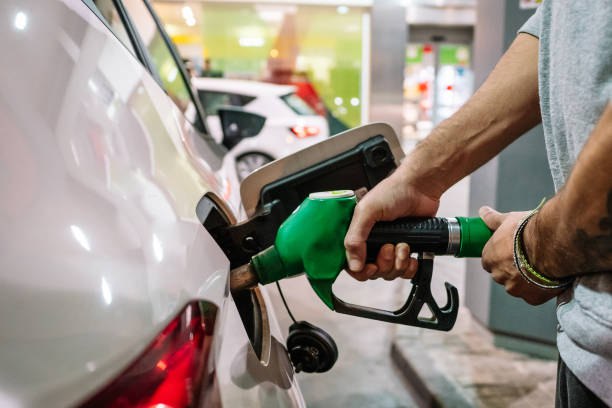
According to the Global Petrol Prices portal, the average price of gasoline worldwide is $1.21 per liter as of September 30, 2024.

“However, there is a substantial difference in these prices among countries. As a general rule, richer countries have higher prices while poorer countries and the countries that produce and export oil have significantly lower prices,” the report explains.

Iran, Libya, and Venezuela have the lowest diesel fuel prices. Singapore, Israel, Finland, Albania, Switzerland, Liechtenstein, Iceland, the Central African Republic, Monaco, and Hong Kong have the highest prices. The highest price is noted in Hong Kong, where one liter of gasoline is $3,279.

Turkmenistan has the lowest oil prices among Central Asian countries. One liter of gasoline costs $0.429, making it among the top 10 countries in terms of low prices.

In Kazakhstan, the price of one liter of gasoline is $0.508. In Kyrgyzstan, it is slightly higher—$0.880.

The most expensive price in the region is in Uzbekistan, where the price of one liter of gasoline is $0.983.

There is no information about the price of gasoline in Tajikistan.