• KGS/USD = 0.01144 0%
  • KZT/USD = 0.00213 0%
  • TJS/USD = 0.10456 0.19%
  • UZS/USD = 0.00008 0%
  • TMT/USD = 0.28490 0%
  • KGS/USD = 0.01144 0%
  • KZT/USD = 0.00213 0%
  • TJS/USD = 0.10456 0.19%
  • UZS/USD = 0.00008 0%
  • TMT/USD = 0.28490 0%
  • KGS/USD = 0.01144 0%
  • KZT/USD = 0.00213 0%
  • TJS/USD = 0.10456 0.19%
  • UZS/USD = 0.00008 0%
  • TMT/USD = 0.28490 0%
  • KGS/USD = 0.01144 0%
  • KZT/USD = 0.00213 0%
  • TJS/USD = 0.10456 0.19%
  • UZS/USD = 0.00008 0%
  • TMT/USD = 0.28490 0%
  • KGS/USD = 0.01144 0%
  • KZT/USD = 0.00213 0%
  • TJS/USD = 0.10456 0.19%
  • UZS/USD = 0.00008 0%
  • TMT/USD = 0.28490 0%
  • KGS/USD = 0.01144 0%
  • KZT/USD = 0.00213 0%
  • TJS/USD = 0.10456 0.19%
  • UZS/USD = 0.00008 0%
  • TMT/USD = 0.28490 0%
  • KGS/USD = 0.01144 0%
  • KZT/USD = 0.00213 0%
  • TJS/USD = 0.10456 0.19%
  • UZS/USD = 0.00008 0%
  • TMT/USD = 0.28490 0%
  • KGS/USD = 0.01144 0%
  • KZT/USD = 0.00213 0%
  • TJS/USD = 0.10456 0.19%
  • UZS/USD = 0.00008 0%
  • TMT/USD = 0.28490 0%

Kazakhstan Launches High-Resolution Weather Forecast Powered by Supercomputer

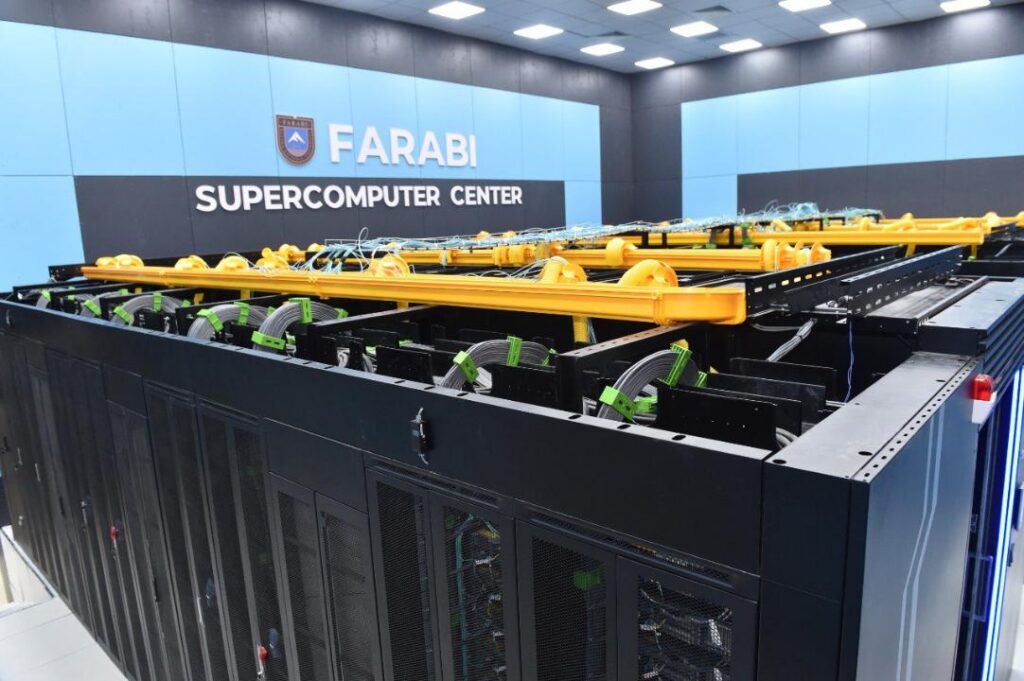
Kazakhstan has introduced a new high-resolution digital weather forecasting system powered by the country’s most powerful supercomputer, marking a significant step toward strengthening national hydrometeorological security.

The National Hydrometeorological Service, Kazhydromet, has deployed the Weather Research and Forecasting (WRF) model across the entire territory of the country. The system provides forecasts with a spatial resolution of 2 kilometers, significantly enhancing the accuracy and detail of weather predictions.

All computations are carried out on Central Asia’s most powerful supercomputer at the Farabi Supercomputer Center, located at Al-Farabi Kazakh National University in Almaty.

According to Amirkhan Temirbayev, Director of the Farabi Supercomputer Center, the new model strengthens Kazakhstan’s ability to anticipate hazardous natural phenomena and respond more effectively to climate-related risks.

“The new system improves early warnings of dangerous weather events, particularly in the mountainous regions of Almaty and southeastern Kazakhstan and enhances the country’s hydrometeorological security. Accurately modeling atmospheric processes requires millions of calculations that conventional servers cannot handle. A supercomputer is no longer just a scientific instrument, it is infrastructure of national importance,” Temirbayev said.

He added that the initiative demonstrates how university-based high-performance computing resources are increasingly being used to address applied government needs. While the supercomputer is currently dedicated to weather forecasting, potential future applications include flood and mudflow modeling, climate analysis, air quality monitoring, and digital urban simulations.

Kazhydromet plans to publish outputs from the new WRF model on its official website, where users will have access to interactive weather maps and detailed forecasts for all regions of Kazakhstan.

Uzbekistan Discusses Local Production of Hungarian Magnus Aircraft

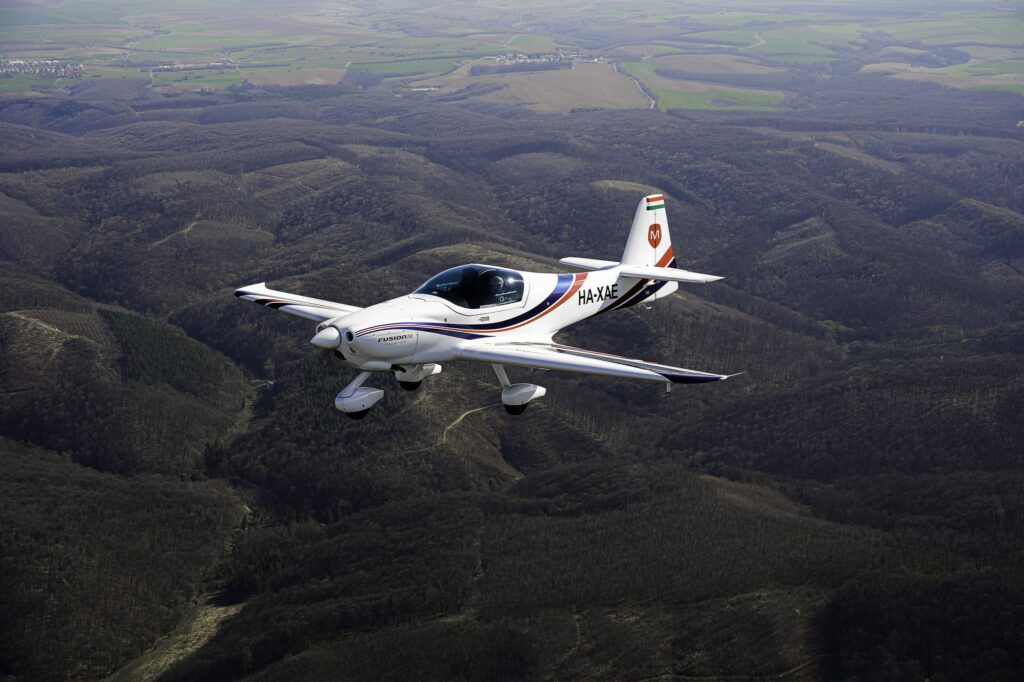
Uzbekistan is continuing efforts to expand its aviation sector, as Deputy Minister of Transport Jasurbek Choriyev held talks with Laszlo Borosh, Chief Executive Officer of the Hungarian company Magnus Aircraft Zrt., on the potential production of the Magnus Fusion 212 aircraft in the country.

According to the Ministry of Transport, the meeting focused on prospects for assembling and manufacturing the lightweight composite aircraft in Uzbekistan. The Magnus Fusion 212 is produced by the Hungary-based firm, which specializes in the design, production, and sale of innovative aircraft made from composite materials.

Magnus Aircraft is headquartered in Pogány, Hungary, near Pécs-Pogány International Airport, where it operates a facility covering approximately 8,000 square meters. The company is active in several international markets, including the United States, China, Kenya, Nigeria, Serbia, and countries in the Middle East.

Earlier this month, Brazilian aerospace manufacturer Embraer Defense & Security announced at the Singapore Airshow that Uzbekistan is the previously undisclosed buyer of its C-390 Millennium military transport aircraft. In a statement released on February 3, the company identified Uzbekistan as the first Central Asian country to acquire and operate the aircraft.

Embraer stated that the Uzbek Air Force will use the C-390 primarily for transport and humanitarian missions, strengthening national airlift and emergency response capabilities. “We officially welcome the Republic of Uzbekistan to the group of C-390 operators,” said Bosco da Costa Junior, President and CEO of Embraer Defense & Security.

The Board of Peace and the Emerging C6 Regional Ecosystem

Washington is hosting the first summit of the Board of Peace, an initiative convened by U.S. President Donald Trump. Aircraft carrying leaders from several post-Soviet states have arrived at Joint Base Andrews. While Russia and Belarus have been invited – representation levels vary – the presidents of Kazakhstan, Uzbekistan, and Azerbaijan have traveled to the United States in person.

Although each leader has a separate bilateral agenda, Kassym-Jomart Tokayev, Shavkat Mirziyoyev, and Ilham Aliyev share a broader objective: presenting a consolidated regional grouping, informally referred to as the C6, in which Kazakhstan is seen as playing a leading role.

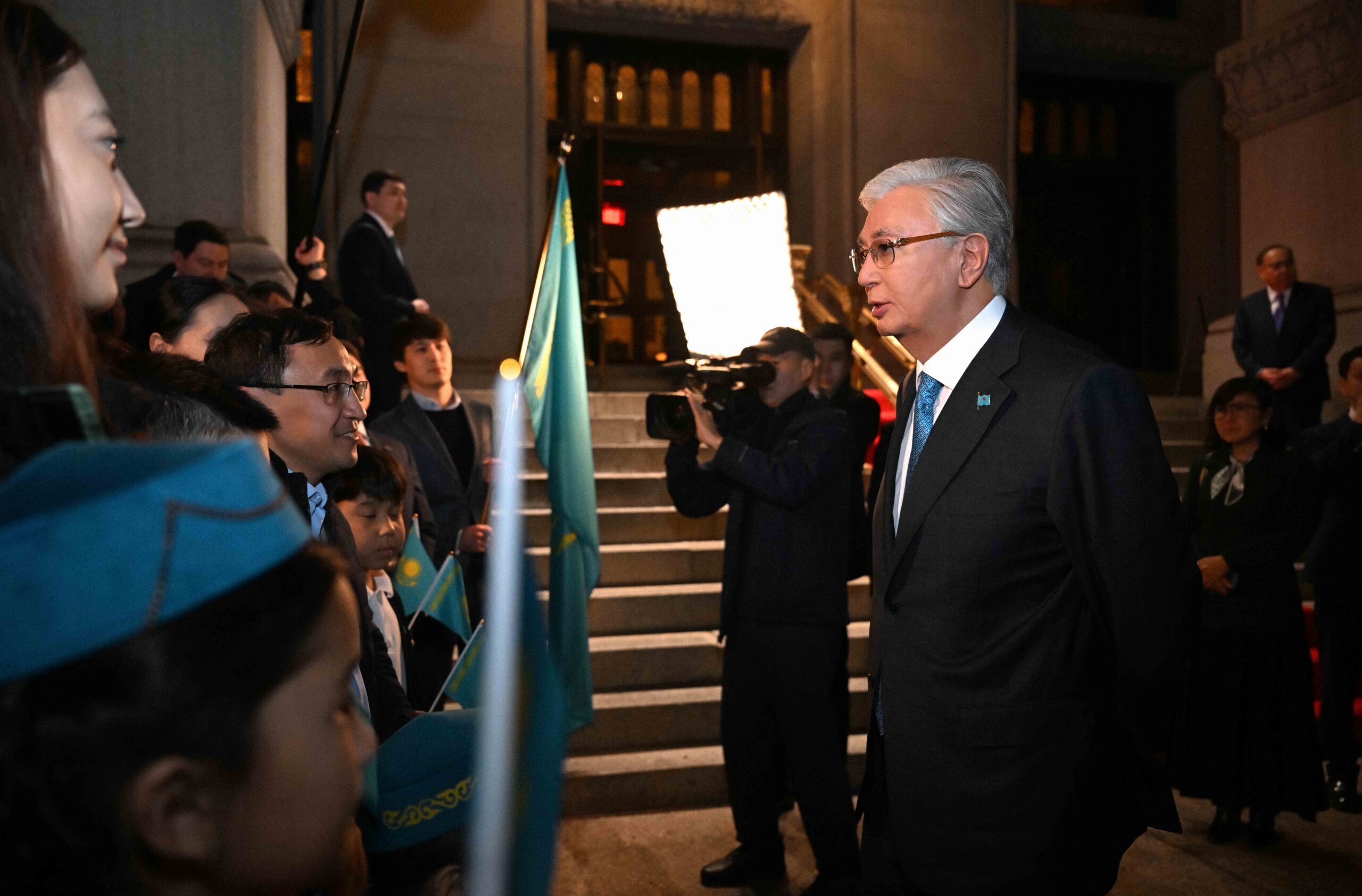
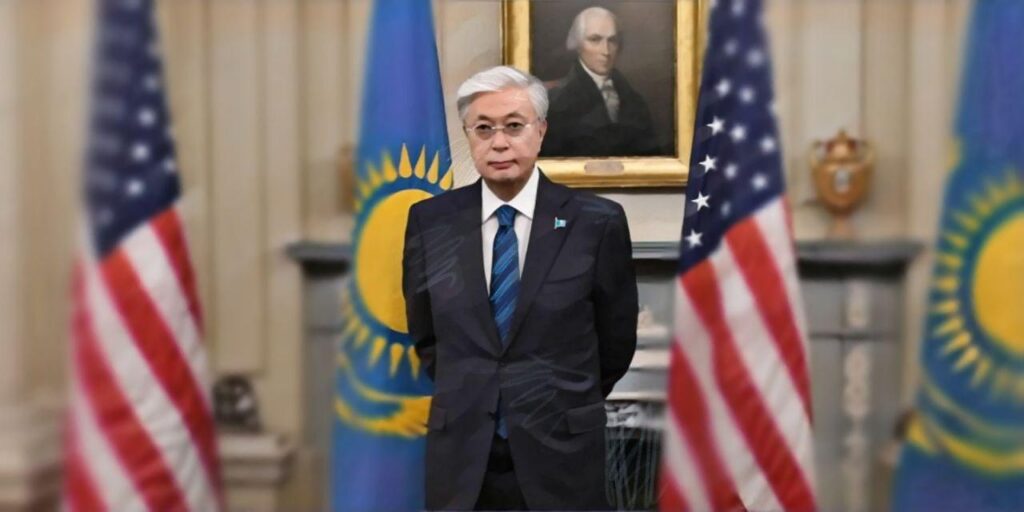
Tokayev, a career diplomat who previously served as a senior United Nations official, has developed a consistent approach to foreign visits, which typically includes a meeting with Kazakh citizens residing abroad, particularly students and young professionals, and the publication of an opinion piece in a leading outlet in the host country. During his current visit to the United States, he met members of the Kazakh diaspora and published an article in The National Interest outlining his vision for international stability.

President Kassym-Jomart Tokayev meets with Kazakh citizens living and studying in the United States; image: Akorda.kz

According to Kazakh political analyst Andrei Chebotarev, the central theme of Tokayev’s article is the importance of stability amid intensifying geopolitical rivalry and growing international conflicts. Chebotarev emphasized Tokayev’s call for a pragmatic international order grounded in the rule of law, accountability, predictable commitments, and respect for national and cultural identities, arguing that ideologically driven frameworks have proven ineffective.

Tokayev described the Board of Peace as “not just another forum for endless discussions,” but as a practical initiative aimed at delivering tangible outcomes, particularly in relation to the Gaza Strip and the broader Middle East. He characterized the White House’s approach as one that views peace “not as a slogan, but as a project” built around infrastructure, investment, employment, and long-term stability.

“This initiative deserves respect and international attention,” Tokayev said.

During his visit to the United States last November for the C5+1 summit, Tokayev held meetings with senior U.S. officials, including Commerce Secretary Howard Lutnick, as well as executives from major international corporations.

A delegation led by Deputy Prime Minister and Minister of National Economy Serik Zhumangarin is also in Washington during the current visit. In addition to promoting investment and technology partnerships, the delegation engaged with members of Congress involved in efforts to repeal the Jackson-Vanik amendment, which continues to complicate trade relations between the United States and certain Central Asian countries.

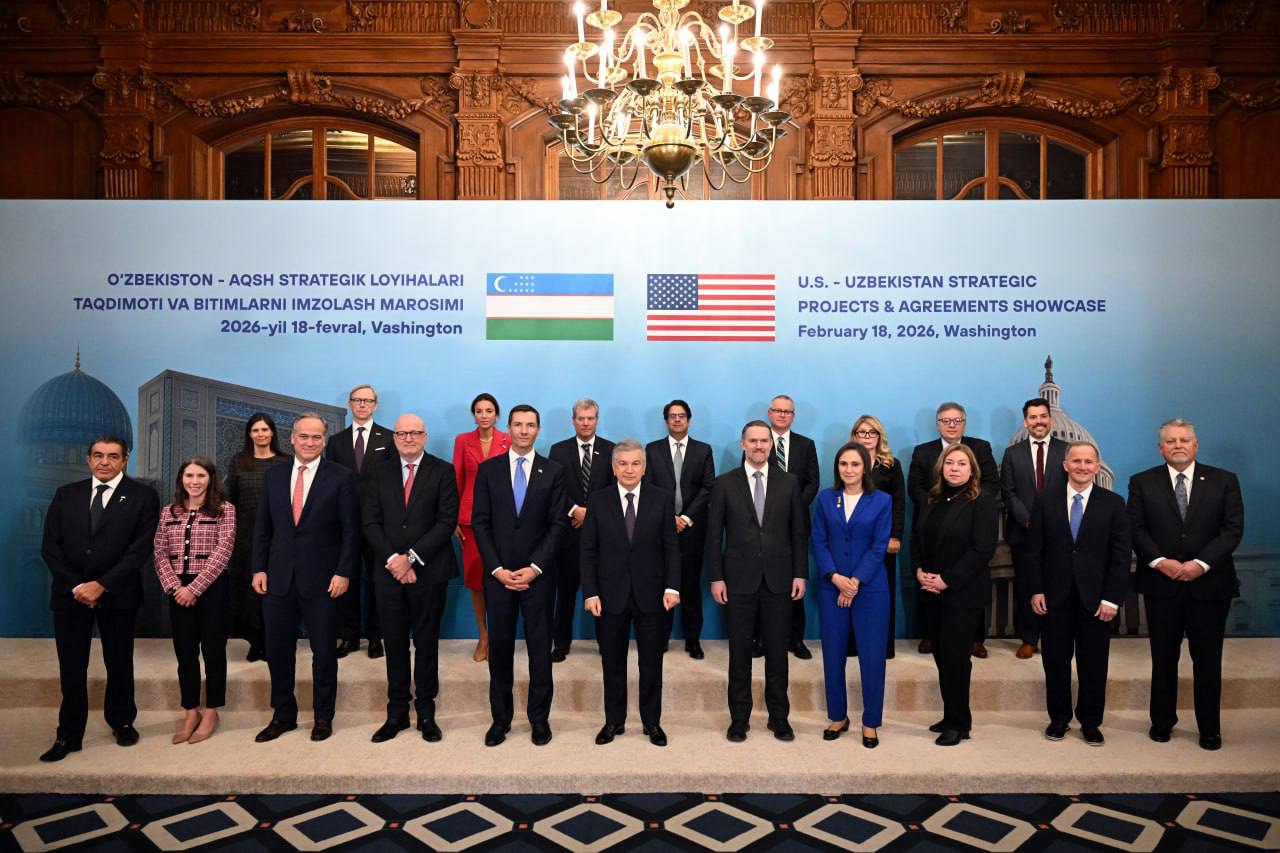
Mirziyoyev has pursued a similar agenda during his current visit, holding meetings with U.S. Commerce Secretary Howard Lutnick and U.S. Trade Representative Jamieson Greer. He also met representatives of American businesses and signed an agreement establishing a new investment platform.

A set of bilateral agreements on priority areas of Uzbekistan-U.S. cooperation was signed; image: President.uz

Aliyev, for his part, met in Washington with the leadership of the American Israel Public Affairs Committee, including Executive Director Elliot Brandt. During the meeting, Aliyev highlighted the organization’s role in strengthening Azerbaijani-American and Azerbaijani-Israeli relations.

Bilateral groundwork between Baku and Washington had already advanced earlier in February, when U.S. Vice President JD Vance visited Azerbaijan. During that visit, a strategic partnership charter was signed, outlining cooperation in security, energy, and counterterrorism.

Kazakhstan’s strategic partnership with the United States dates back to the late 1990s, when Washington formally identified Central Asia as a region of national interest.

The renewed focus on Central Asia reflects Washington’s broader reassessment of the region’s strategic importance, particularly amid economic competition and geopolitical balancing with China. Within this framework, the traditional C5 format, comprising the five Central Asian states, appears to be evolving into the C6, incorporating Azerbaijan into a broader geo-economic configuration.

Kazakh political analyst Samat Kushkumbayev argues that the C6 format represents not the creation of an entirely new structure, but rather the revival of historical regional interconnections. He recalls that in August 1991, shortly before the dissolution of the Soviet Union, the leaders of the Central Asian republics and Azerbaijan met in Tashkent to establish an Inter-Republican Consultative Council. Although the collapse of the USSR subsequently placed these states on divergent geopolitical trajectories, Kushkumbayev suggests that renewed integration efforts are now emerging.

In his assessment, Azerbaijan’s inclusion significantly alters the region’s strategic configuration by providing Central Asia with a direct link to the South Caucasus, Turkey, and the Mediterranean. This shift, he argues, marks a transition from a transit-centered model toward the construction of a broader regional economic ecosystem.

Against this backdrop, the inaugural Board of Peace summit may serve as a platform to present this evolving regional architecture, including discussions of proposed transport initiatives such as the Zangezur corridor.

Why Tajikistan Does Not Prosecute Individuals for Participation in the War in Ukraine

Russia’s full-scale war against Ukraine has been ongoing for nearly four years, and media outlets have repeatedly reported that citizens of Tajikistan are participating in the fighting. However, Tajikistan’s authorities state that no criminal cases have been initiated against citizens on these grounds. The country’s top law enforcement officials have explained their position.

At a press conference, Khabibullo Vokhidzoda said that over the past year no citizen of Tajikistan had been prosecuted for participation in Russia’s war in Ukraine.

He noted that many of those involved hold Russian citizenship. According to Vokhidzoda, such individuals are legally obligated to fulfill the military duties of the country whose citizenship they possess.

“Under Tajikistan’s legislation, we do not have the right to initiate criminal proceedings against citizens who also hold Russian citizenship and who participated in the conflict with Ukraine under an agreement with that country,” he said.

At the same time, he clarified that if a Tajik citizen who does not hold Russian citizenship takes part in hostilities abroad, a criminal case will be opened.

“The provisions of the Criminal Code of Tajikistan will definitely be applied to such actions. This is Article 401, Part 1 of the Criminal Code, which concerns illegal participation in armed clashes abroad,” the prosecutor general emphasized.

He added that the agency currently does not have verified official data on such cases. Vokhidzoda expressed a similar position in the summer of 2025.

Interior Minister Ramazon Rahimzoda confirmed that no criminal cases have been initiated in this category.

“We do not keep records of how many of our citizens are participating in the war in Ukraine, and we have no obligations in this regard,” he said.

For several years, media outlets have reported that thousands of Tajik nationals are involved in the conflict, with some estimates suggesting that the number of fatalities has reached into the hundreds. No official Tajik government body has confirmed or denied these figures.

On February 12, reports emerged of the death of 26-year-old Karomatullo Odinaev. His body was returned to his native village of Basmand in Devashtich district for burial. In 2025, the remains of other deceased Tajik nationals were also repatriated.

Tajikistan’s legislation prohibits the illegal participation of citizens and stateless persons in armed formations or military operations abroad. Article 401, Part 1 of the Criminal Code provides for a prison sentence of between 12 and 20 years for such offenses. However, individuals who voluntarily cease participation in armed groups before the end of a conflict and who have not committed other crimes may be exempt from criminal liability.

Approaches to the issue differ across Central Asia.

In Uzbekistan, a 38-year-old citizen was sentenced to three years in prison for participating in the war against Ukraine. According to the State Security Service, between 2022 and mid-2025, 338 criminal cases were opened over citizens’ participation in armed conflicts abroad.

In Kazakhstan, authorities reportedly opened around 700 criminal cases in 2025 involving citizens conscripted into Russian military service, with several convictions handed down. Criminal proceedings have also been initiated in Kyrgyzstan on similar grounds.

In April 2025, the Ukrainian state project I Want to Live published a list of 3,062 citizens of Tajikistan, Kazakhstan, Kyrgyzstan, and Uzbekistan who it said had signed contracts with the Russian Ministry of Defense.

Among them were 931 people from Tajikistan, 196 of whom the project reported as dead. Subsequently, an additional 446 names of Tajik nationals alleged to have died while serving in the Russian armed forces were published.

Trade Accounted for More Than a Quarter of Kazakhstan’s Economic Growth in 2025

The trade sector accounted for 26% of Kazakhstan’s total economic growth in 2025, according to the Ministry of Trade and Integration.

Data from the National Statistics Bureau show that the country’s GDP grew by 6.5% in January-December 2025, equivalent to $20.1 billion in nominal terms, bringing the total size of the economy to $305.9 billion. More than a quarter of this growth was generated by trade.

At a government meeting, the Ministry of Trade and Integration reported that domestic trade turnover reached $162.3 billion in 2025, while investment in the sector amounted to $2.6 billion. Non-resource exports totaled $41 billion, and services exports increased by 3.7% to $12.3 billion.

Speaking at the meeting, Deputy Prime Minister and Minister of National Economy Serik Zhumangarin said the ministry’s objective is not only to maintain current momentum but also to raise trade to a new level of efficiency and competitiveness. Key priorities include expanding wholesale and retail turnover, increasing the share of domestically produced goods in the market, ensuring stable supplies of socially important products, shortening the supply chain between producers and retailers, boosting exports, and systematically reducing the shadow economy in the trade sector.

Special emphasis was placed on measures to curb inflation and ensure adequate food supplies for the domestic market.

According to Zhumangarin, a preliminary pool of approximately 1,500 projects has been formed under the “Investment Order” initiative. These projects are aimed at expanding the production of goods with high import dependence, including more than 500 in the agro-industrial complex, over 400 in manufacturing, and the remainder in infrastructure. The ministry’s key task is to secure guaranteed sales channels for products manufactured within these projects.

The Times of Central Asia previously reported that trade between Central Asian countries and China exceeded $100 billion in 2025, setting a new record.

President Tokayev’s Washington Visit: Peace is Not a Bridge Too Far

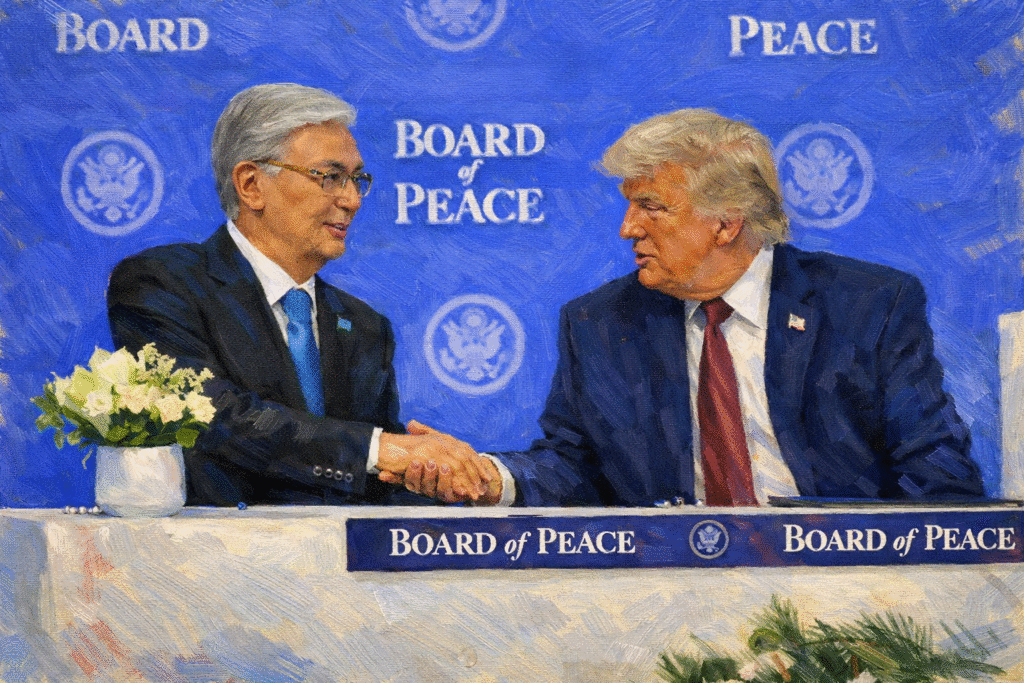
 On February 19, President Tokayev will meet President Trump for the third time in six months to advance Trump’s Board of Peace initiative – an undertaking that aligns with Kazakhstan’s long-articulated view that peace remains achievable, even in a war-torn world under seemingly impossible odds. This approach emphasizes sustained diplomacy, interfaith coexistence, economic integration, and respect for human dignity. Moreover, Washington has not only pivoted towards Central Asia but has found Kazakhstan a rational and predictable partner in an increasingly chaotic and multipolar world — one in need of credible mediators capable of engaging across political, economic, and religious divides.

In accepting Trump’s invitation to join the Board, Tokayev has assumed a role consistent with Kazakhstan’s long-articulated identity and practice as a bridge-builder. Kazakhstan’s lived experience of pluralism and balanced pragmatic diplomacy gives that role substance. Kazakhstan brings to the Board a distinctive societal composition that has, despite differences, remained cohesive and broadly tolerant.

Although it is a Muslim-majority country in Central Asia, it is also home to a substantial Christian, agnostic, and atheist population and has more than 100 ethnic groups. This demographic and religious diversity is not peripheral to its national identity and story as a relatively newly formed nation; it is foundational and will resonate as it carries out its responsibilities as a member of the Board. For decades, Kazakhstan has institutionalized interreligious dialogue as a matter of state policy rather than relying on symbolic rhetoric. In the process, it has learned to separate political ideology from the core principles of religious freedom and freedom of conscience.

The Board of Peace initiative fits squarely within Tokayev’s priorities. As he said recently, this new platform is a “timely and relevant initiative designed to deliver meaningful and long-lasting results” in tackling global conflicts, aiming to complement—not replace—institutions like the United Nations. For Kazakhstan, participation reflects the external expression of that domestic model of pluralism and balanced engagement. It builds on Kazakhstan’s long experience of managing domestic diversity while sustaining balanced relations across competing global power centers through disciplined statecraft and structured dialogue.

Kazakhstan brings this worldview into its seasoned practice of diplomacy. On the Board of Peace, Tokayev will bring experience and practical recommendations to the table. Other heads of state joining Tokayev include another Central Asian leader, President Mirziyoyev of Uzbekistan.

A Continuation of Kazakhstan’s Role as an International Mediator

This visit to Washington continues Kazakhstan’s long-standing diplomatic tradition of prioritizing dialogue without dogma, development without division, and peace through prosperity.

Tokayev has consistently framed the country’s foreign policy in measured terms: “Kazakhstan will continue to serve as a bridge-builder and peacemaker. It will also continue to choose balance over domination, cooperation over confrontation, and peace over war.” Rather than mere aspirational rhetoric, this statement, made at the 80th United Nations General Assembly in 2025, reflects a pragmatic doctrine that has guided Astana’s multi-dimensional diplomacy — maintaining constructive relations across competing power centers while advancing mediation, confidence-building, and multilateral engagement as tools of stability. This approach is structural rather than situational, having shaped Kazakhstan’s external posture for decades.

President Tokayev has consistently advocated for the principle that “diplomacy remains the only tool to manage international relations, reduce risks and strengthen security and well-being.” This approach reflects a strategic doctrine rather than aspirational rhetoric: Kazakhstan seeks stability through predictable statecraft, balanced relations, and principled mediation across competing power centers.

Kazakhstan’s readiness to provide neutral platforms for dialogue reflects that doctrine in practice. From hosting negotiations to supporting confidence-building measures, Astana has sought to position itself as a constructive intermediary rather than a partisan actor. Participation in the Board of Peace represents an extension of this long-cultivated diplomatic identity — one rooted in balance, continuity, and pragmatic engagement.

A Muslim Nation Championing Peace and Interfaith Dialogue

As a country shaped by religious and ethnic diversity, Kazakhstan has long positioned itself as an example of peaceful pluralism. For more than two decades, the Congress of Leaders of World and Traditional Religions in Astana has brought together spiritual leaders from across the globe to foster mutual understanding and respect. Tokayev has long emphasized his belief that despite differences in faith and traditions, people are “united by common aspirations and good intentions,” underscoring the vital role of inter-religious and intercultural cooperation for humanity’s future.

These efforts demonstrate that Kazakhstan’s interfaith dialogue is not merely theatrics but is embedded in its socio-political culture. Kazakhstan argues that such cooperation is essential to lasting peace, which is possible only once these values are internalized and practiced— an approach and attitude relevant for any durable peace framework.

In Washington, Tokayev will appeal to leaders who likewise recognize the need for what he describes as the “moral compasses of humanity.” In a forum that brings together leaders from across the world’s major civilizations and religious traditions, the moral framing of which Tokayev speaks is not ornamental; it underpins the trust necessary for sustained engagement across political fault lines.

Peace Through Mutual Understanding and Economic Stability

Tokayev will also underscore that economic development and connectivity are necessary complements to diplomatic dialogue. Landlocked countries like Kazakhstan encounter distinct challenges. He has argued that strengthening trade and connectivity not only drives economic growth but also fosters political stability. By backing initiatives that connect markets, develop infrastructure, and deepen regional and global economic integration, he maintains that shared prosperity and a recognition of the common good become another foundation of lasting peace.

In Tokayev’s view, peace is not merely the absence of conflict, but a positive state of mind reinforced by cooperation in trade, infrastructure, and shared growth. In his addresses at the United Nations, he linked economic development and connectivity with long-term global stability, arguing that economic integration and mutual prosperity reinforce diplomatic efforts. Support for frameworks like the Board of Peace reflects a broader conviction that religious tolerance and economic opportunity must function together as stabilizing factors in a fragmented and disoriented international system.

Looking Ahead

President Tokayev’s visit to the White House represents more than protocol or symbolism; it signals continuity in Kazakhstan’s strategic posture at a moment of global uncertainty. As a Muslim-majority nation that has institutionalized interfaith dialogue for over two decades, served as a neutral venue for negotiations, and consistently linked economic development with stability, Kazakhstan approaches this engagement with a record rather than rhetoric. Tokayev’s message has been consistent: peace requires discipline, structured dialogue, and sustained cooperation anchored in respect for human dignity.

In Washington, he is expected to reinforce the argument that stability cannot be built on maximalism, ideological rigidity, or civilizational rivalry. Instead, it must rest on predictable diplomacy, balanced partnerships, and a willingness to engage across political, economic, and religious divides. Kazakhstan’s experience managing internal diversity while maintaining constructive relations with competing global powers informs that outlook and shapes its contribution to initiatives such as the Board of Peace.

There is no room, Tokayev would say, for unnecessary ambitions, religious intolerance or extremism, and dangerous ideological imperatives that ignore the universal dignity of the human person. When states commit to responsible statecraft and principled engagement, peace is not a bridge too far.