• KGS/USD = 0.01144 0%
  • KZT/USD = 0.00212 0%
  • TJS/USD = 0.10456 0.19%
  • UZS/USD = 0.00008 0%
  • TMT/USD = 0.28490 0%
  • KGS/USD = 0.01144 0%
  • KZT/USD = 0.00212 0%
  • TJS/USD = 0.10456 0.19%
  • UZS/USD = 0.00008 0%
  • TMT/USD = 0.28490 0%
  • KGS/USD = 0.01144 0%
  • KZT/USD = 0.00212 0%
  • TJS/USD = 0.10456 0.19%
  • UZS/USD = 0.00008 0%
  • TMT/USD = 0.28490 0%
  • KGS/USD = 0.01144 0%
  • KZT/USD = 0.00212 0%
  • TJS/USD = 0.10456 0.19%
  • UZS/USD = 0.00008 0%
  • TMT/USD = 0.28490 0%
  • KGS/USD = 0.01144 0%
  • KZT/USD = 0.00212 0%
  • TJS/USD = 0.10456 0.19%
  • UZS/USD = 0.00008 0%
  • TMT/USD = 0.28490 0%
  • KGS/USD = 0.01144 0%
  • KZT/USD = 0.00212 0%
  • TJS/USD = 0.10456 0.19%
  • UZS/USD = 0.00008 0%
  • TMT/USD = 0.28490 0%
  • KGS/USD = 0.01144 0%
  • KZT/USD = 0.00212 0%
  • TJS/USD = 0.10456 0.19%
  • UZS/USD = 0.00008 0%
  • TMT/USD = 0.28490 0%
  • KGS/USD = 0.01144 0%
  • KZT/USD = 0.00212 0%
  • TJS/USD = 0.10456 0.19%
  • UZS/USD = 0.00008 0%
  • TMT/USD = 0.28490 0%

Azerbaijan Tightens Visa Rules for Russians Amid Aktau Crash Fallout

The Azerbaijani government has announced new restrictions on the temporary stay of Russian citizens, effective January 1, 2025. Under the new rules, Russian citizens and stateless persons residing in Russia will be limited to a maximum of 90 days per calendar year without a visa.

The announcement comes in the wake of a tragic plane crash involving an Azerbaijan Airlines (AZAL) aircraft near the Kazakh city of Aktau on December 25. The plane, which had taken off from Baku headed to Grozny, Chechnya, crashed, killing 38 people and injuring 29 others. Kazakhstan is currently leading the investigation into the incident.

Accusations and Responses

Azerbaijan’s President Ilham Aliyev has stated that the plane was struck by Russian ground fire while flying over Russian territory. He accused Russia of attempting to obscure the truth by spreading “absurd theories” about the crash.

Russian President Vladimir Putin had issued an apology for the incident one day before Aliyev’s remarks, but did not admit responsibility for the alleged ground fire.

International Reactions

The crash has prompted flight suspensions to Russia by several airlines, citing safety concerns.

  • Turkmenistan: Flights on the Ashgabat-Moscow-Ashgabat route have been canceled from December 30, 2024, to January 31, 2025. The reason for the decision has not been disclosed, but the airline previously operated twice-weekly flights to Moscow.
  • Kazakhstan: Kazakh Air has suspended its Astana-Yekaterinburg route from December 28, 2024, to January 27, 2025, to ensure passenger safety.
  • Israel: Israeli airline El Al has halted flights on the Tel Aviv-Moscow route until next week, citing “events in Russian airspace.”
  • UAE: Flydubai has suspended flights to Sochi and Mineralnye Vody due to technical reasons. Flights to Sochi are expected to resume on January 2, while services to Mineralnye Vody will restart on January 3.

In a symbolic gesture, an Uzbekistan Airways plane circled Aktau Airport twice in memory of the Azerbaijan Airlines crash victims.

Broader Implications

The tragedy and subsequent allegations have heightened tensions in the region and raised concerns about air travel safety in Russian airspace. While investigations are ongoing, the incident underscores the geopolitical sensitivities and potential risks associated with the aviation sector in this area.

Kazakhstan Reveals Fish Industry Plans

Kazakhstan’s fishing industry and its future development were the focus of a meeting held at the Ministry of Agriculture on December 28. Minister Aidarbek Saparov acknowledged that the sector’s current results fall short of expectations and called for intensified efforts across all areas​.

A key announcement from the meeting was the planned modernization of the Atyrau sturgeon plant on Kazakhstan’s Caspian coast. The facility, which was commissioned in 1998, has not undergone major repairs since its establishment. Renovation work is scheduled to begin in the spring of 2025.

The meeting also addressed strategies for developing fishing in the Caspian Sea. This includes increasing catch limits for sprat, as commercial sprat fishing has recently resumed in Kazakhstan’s section of the sea. However, participants emphasized the need for comprehensive studies on the migration patterns of marine fish species to fully capitalize on the Caspian’s fishing potential​.

Efforts are underway to introduce preferential lending and leasing for sea fishing vessels. These measures aim to boost the total volume of Caspian fish production to 70,000 tons – a more than 1.5-fold increase – by 2025.

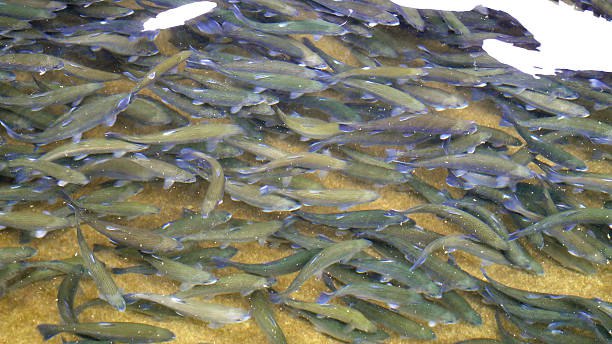
Aquaculture, or fish farming, is another key area of focus. The government is providing subsidies for purchasing young fish, fodder, and medicines, as well as reimbursing 25% of investment costs for establishing fish farms and acquiring equipment.

Kazakhstan’s parliament has approved the first reading of the “On Aquaculture” bill, which aims to expand state support for fish farming. The legislation includes provisions for allocating reservoirs and ponds to large investors and subsidizing water supply costs.

These measures are expected to lead to a 25% increase in the number of fish farms by 2027, rising from 560 in 2024 to 700. Additionally, fish farm production is projected to grow from 20,000 tons to 50,000 tons per year.

The initiatives discussed at the meeting reflect Kazakhstan’s commitment to revitalizing its fishing industry through modernization, financial support, and legislative reforms. By combining efforts in both marine and aquaculture sectors, the country aims to achieve sustainable growth while leveraging the vast potential of its fishing resources.

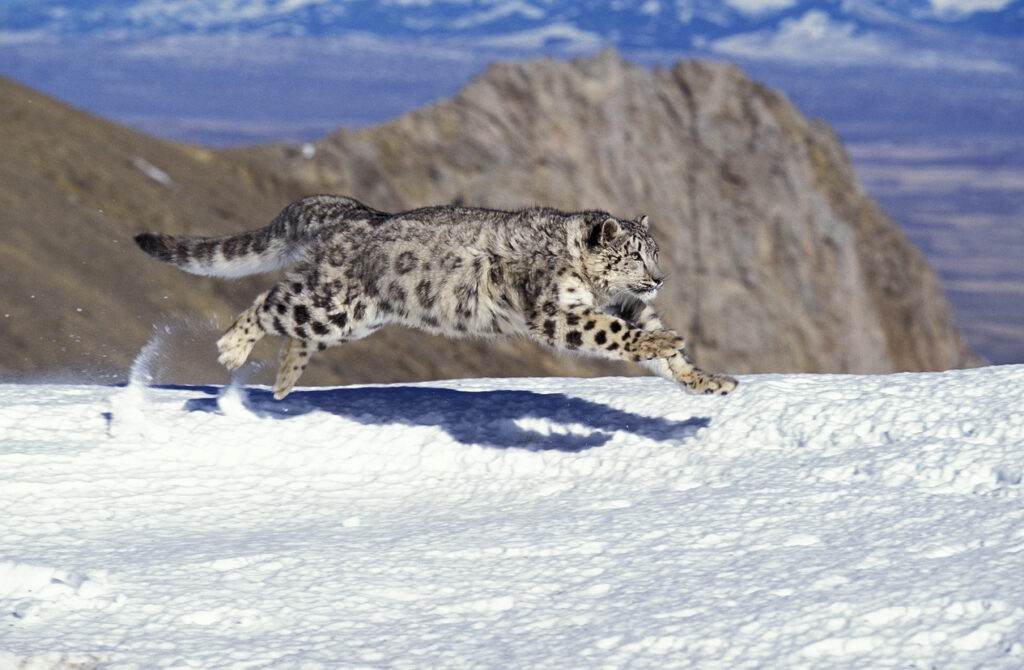
Kazakhstan’s Snow Leopard Population Reaches Near-Historic Levels

The snow leopard population in Kazakhstan has rebounded to near-historic levels, with an estimated 152 to 189 individuals now residing in the country. This marks a significant achievement in conservation efforts, as such numbers were last observed in the 1980s. Despite this progress, human activity remains the most significant threat to the survival of this elusive predator.

Known as the irbis, the snow leopard is listed in the International Union for Conservation of Nature’s (IUCN) Red List and the national Red Books of all 12 countries within its range. In Kazakhstan, these majestic predators reside in mountainous areas such as the Altai, Tien Shan, Zhetysu Alatau, and other large mountain systems.

Since 2018, Kazakhstan has implemented a snow leopard conservation project under the United Nations Development Program (UNDP). As a result, the snow leopard population has increased by more than 26% since 2019. Alexei Grachev, executive director of the Snow Leopard Foundation and head of the Snow Leopard Monitoring Center, noted that the species’ numbers have stabilized, with protected areas playing a crucial role in their survival.

Key habitats include Ile-Alatau National Park, Altyn-Emel, and the Katon-Karagai Reserve. The Zhetysu region, in particular, boasts the highest population density thanks to favorable conditions such as abundant prey, effective protection, and minimal human interference. In contrast, the snow leopard population in Katon-Karagai Park remains small. Their presence was first confirmed by photo traps in 2020. A recent sighting of a female with two cubs in the park indicates a gradual recovery.

Despite the positive trends, snow leopards face several threats including poaching, expanding economic activities, climate change, and conflicts with local communities. To mitigate these risks, efforts are being made to establish new protected areas, such as the Merken Regional Park in Zhambyl Oblast. Satellite telemetry has also been introduced, with 11 leopards collared in 2021 to track their movements and better understand their behavior.

The high mortality rate among young leopards is a pressing issue. Without the expansion of protected areas, juvenile leopards are forced to migrate to neighboring countries, increasing the likelihood of human-wildlife conflicts. To address this, Kazakhstan is offering financial compensation to herders whose livestock is attacked, thereby reducing the retaliatory killing of the predators.

Kazakhstan’s conservation measures have been widely praised by the international community. Unlike many countries where snow leopard populations are declining or stagnating, Kazakhstan has achieved tangible growth. Collaborative efforts with Kyrgyzstan, bolstered by international memorandums, have further enhanced regional conservation efforts. Additionally, UNDP initiatives have improved protection in 14 natural areas across the country through the use of advanced technologies, including camera traps, drones, and thermal imaging devices.

The recovery of the snow leopard population in Kazakhstan is a rare and noteworthy example of successful conservation. By safeguarding this iconic species, the country is contributing significantly to global biodiversity, demonstrating the impact of focused and sustained environmental efforts.

Rahmon Unveils Tajikistan’s Roadmap for Economic Growth and Diplomacy

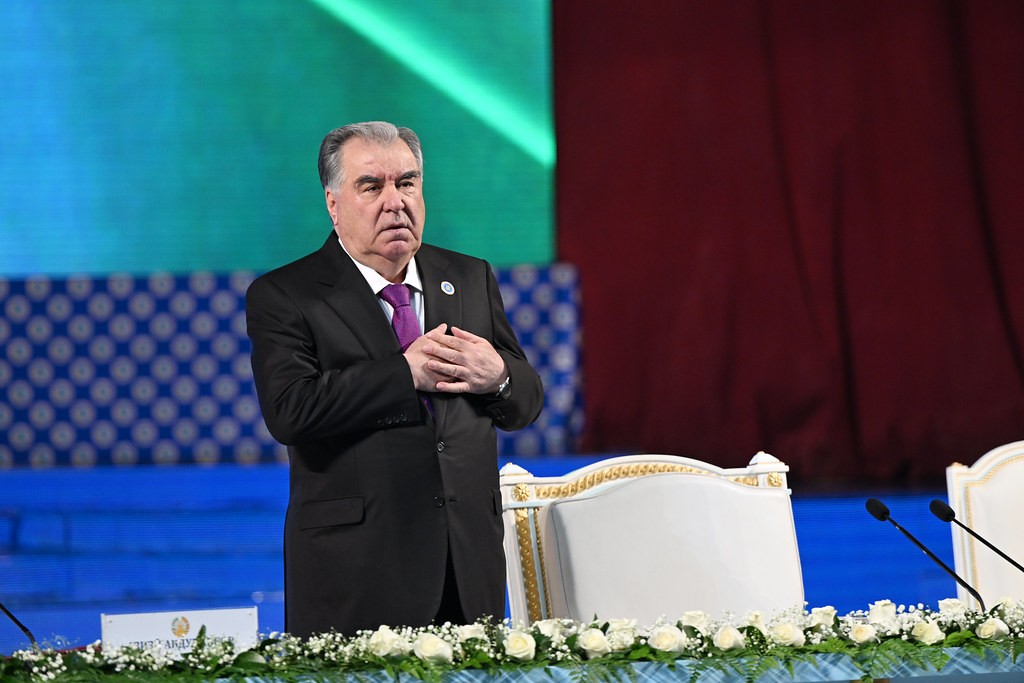
On December 28, Tajikistan’s President Emomali Rahmon delivered his annual address, titled “On Major Dimensions of Tajikistan’s Domestic and Foreign Policy,” during a joint session of both chambers of the Tajik Parliament​.

The president outlined key priorities for implementing domestic and foreign policy and advancing various sectors of Tajikistan’s economy, including industry, energy, agriculture, transport, investment, entrepreneurship, education, science, healthcare, and social protection.

Rahmon directed the government to draft a “Medium-Term Development Program for 2026-2030” by the end of 2025. Highlighting the need for innovation, he proposed declaring 2025-2030 the “Years of Development of the Digital Economy and Innovation.” Additionally, he announced plans to establish a University of Innovation and Digital Technologies in Kulob, building upon the existing Institute of Technology and Innovation Management.

Rahmon noted significant progress in industrialization, with Tajikistan’s industrial production nearly doubling in the past five years. This growth included the creation of more than 2,040 industrial enterprises and 74,000 jobs.

In the road and transport sector, Rahmon underscored the importance of transforming Tajikistan into a transit hub. Ongoing modernization and reconstruction efforts have already improved the country’s ranking in the World Economic Forum’s road quality index, rising from 50th to 44th among 165 countries.

Rahmon highlighted that 43% of Tajikistan’s 2024 state budget is allocated to the social sector. Over the past five years, public-sector wages have increased four times, doubling overall during this period. He instructed the government to further raise salaries for employees in education, healthcare, social protection, culture, sports, government agencies, law enforcement, and the military.

Employment remains a strategic priority. Rahmon noted that 4.1 million jobs have been created since independence, and he directed regional and local authorities to generate an additional 1.4 million jobs across all sectors of the economy in the next five years.

On foreign policy, Rahmon reiterated Tajikistan’s commitment to its “open doors” approach, expressing readiness to strengthen bilateral and multilateral relations. He emphasized the importance of constructive engagement with international and regional organizations, including the United Nations, international financial institutions, and development partners.

Rahmon’s address outlined a comprehensive roadmap for Tajikistan’s development, combining innovation, infrastructure, and social investment with an open and cooperative foreign policy. His directives reflect a vision aimed at fostering economic growth, improving living standards, and enhancing the country’s position on the global stage.

You Can Now Pay Your Fare on Tashkent’s Subway with the Palm of Your Hand

The Tashkent subway has introduced a pilot project for the “MyID Palm” fare payment system, which uses biometric technology to identify passengers by the unique vein pattern in their palms​.

This innovative system was developed by local scientists in collaboration with the Ministry of Transport, the payment service “ATTO,” and Octobank. It marks a significant advancement in biometric identification for public transportation.

The system relies on palm vein scanners to read each passenger’s unique vein pattern. According to the developers, this data is securely protected against unauthorized access and forgery. The goal of the technology is to enhance both security and convenience in fare payments.

Currently, “MyID Palm” devices have been installed at 12 stations along the Chilanzar line, where they are operating in test mode. Plans are underway to expand this system to all metro stations in Tashkent.

To use the service, passengers need an “ATTO” transportation card and the associated mobile application to create a biometric profile. The activation process involves scanning their palm at a designated info kiosk located at one of the stations equipped with the technology.

Testing of the palm payment system began in late October 2023, with Druzhba Narodov station becoming the first to enable this feature​. Earlier, in September 2023, the Tashkent subway began testing a Face ID payment system, which allows passengers to pay their fare using facial recognition technology​.

These advancements signal a move toward a more modernized and user-friendly public transportation system in Uzbekistan’s capital, with both residents and visitors benefiting from the improved efficiency and security of biometric payment solutions.

Tensions Rise as Uzbek Leaders Respond to Ramzan Kadyrov’s Remarks

Uzbekistan has placed two residents of Chechnya, Bislan Rasayev and Shamil Temirkhanov, on Interpol’s wanted list. The Times of Central Asia has previously reported that the two men are accused of multiple crimes, including a plot to assassinate Komil Allamjonov, the former head of President Shavkat Mirziyoyev’s information policy department, and Dmitry Li, head of the National Agency for Prospective Projects (NAPP). Rasayev and Temirkhanov were reportedly offered $1.5 million for the assassinations.

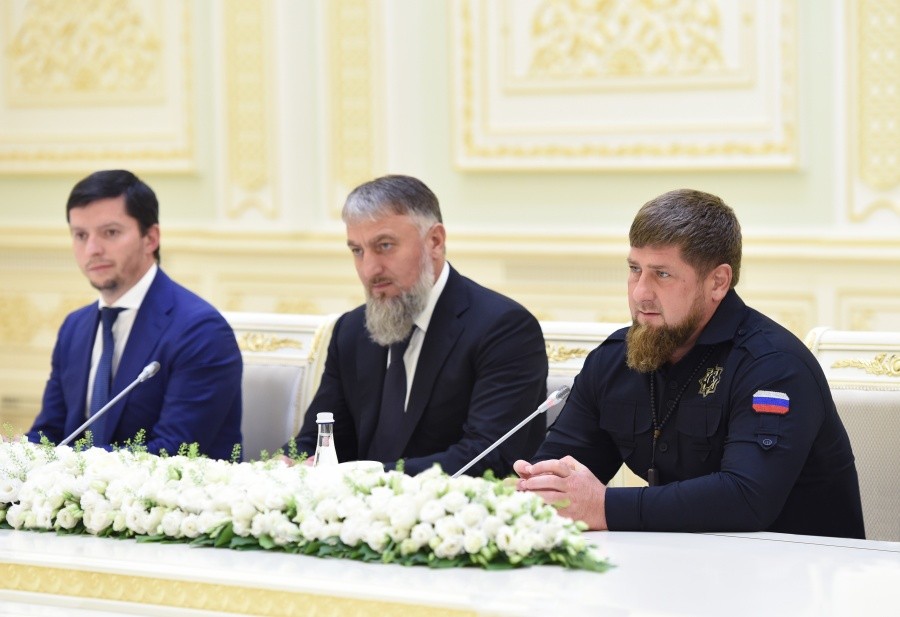
Chechnya’s leader Ramzan Kadyrov has called the arrest warrants “fabrications”. Kadyrov claims that pro-Western media are spreading baseless rumors about divisions within Mirziyoyev’s family as part of a larger effort to destabilize the country’s leadership.

The attempt on Allamjonov’s life is said to have taken place on October 26 outside his home in Tashkent’s Kibray district. According to Uzbek media, two unidentified individuals fired multiple shots at Allamjonov’s car before fleeing the scene. No injuries were reported. Opposition outlets speculated about a “Chechen connection,” suggesting Kadyrov’s possible involvement in the attack.

In an earlier statement, Kadyrov said that “if I had really planned something, I would have completed it with a 100% result.” He also expressed skepticism about the investigation’s timeline, noting that Li was identified as a secondary target only months after the probe began. Kadyrov suggested that the case could be part of internal “behind-the-scenes games” orchestrated by certain groups.

In response, Uzbek officials and lawmakers condemned Kadyrov’s statements and threats.

Rasul Kusherbayev, a former deputy and adviser to the Minister of Ecology, described Kadyrov’s comments as terrorism. “Open threats to officials in Uzbekistan are terrorism. Those who make such statements or attempt such actions must be held accountable,” he said.

Kusherbayev also criticized the Uzbek government for remaining silent in the face of these threats. “Why should the government of Uzbekistan remain silent? How long will we tolerate those who openly threaten us with chauvinistic views? The response should go beyond mere statements – it should involve concrete measures. If necessary, flights to Grozny should be canceled, and every Chechen citizen entering Uzbekistan should be strictly vetted,” he added.

Odiljon Tojiyev, a deputy of Uzbekistan’s Legislative Chamber, similarly denounced Kadyrov’s interference in Uzbekistan’s internal affairs and his threats against Uzbek officials. He warned that such actions could harm relations between Uzbekistan and Chechnya.

“I call on the Prosecutor General’s Office of the Russian Federation to assess Ramzan Kadyrov’s threats against Uzbek officials. Moreover, Kadyrov should issue a public apology to the people of Uzbekistan. If he is truly a friend, he should assist Uzbekistan’s Prosecutor General’s Office in locating and extraditing Bislan Rasayev and Shamil Temirkhanov,” Tojiyev stated.

Kadyrov’s remarks and the allegations surrounding the assassination attempt have brought tensions between Uzbekistan and Chechnya into the spotlight. While Uzbekistan values its friendly relations with Russia and its regions, the controversy has prompted calls for firm action to protect the country’s sovereignty and ensure accountability.