• KGS/USD = 0.01143 -0%
  • KZT/USD = 0.00192 -0%
  • TJS/USD = 0.10820 0.19%
  • UZS/USD = 0.00008 0%
  • TMT/USD = 0.28575 0%
  • KGS/USD = 0.01143 -0%
  • KZT/USD = 0.00192 -0%
  • TJS/USD = 0.10820 0.19%
  • UZS/USD = 0.00008 0%
  • TMT/USD = 0.28575 0%
  • KGS/USD = 0.01143 -0%
  • KZT/USD = 0.00192 -0%
  • TJS/USD = 0.10820 0.19%
  • UZS/USD = 0.00008 0%
  • TMT/USD = 0.28575 0%
  • KGS/USD = 0.01143 -0%
  • KZT/USD = 0.00192 -0%
  • TJS/USD = 0.10820 0.19%
  • UZS/USD = 0.00008 0%
  • TMT/USD = 0.28575 0%
  • KGS/USD = 0.01143 -0%
  • KZT/USD = 0.00192 -0%
  • TJS/USD = 0.10820 0.19%
  • UZS/USD = 0.00008 0%
  • TMT/USD = 0.28575 0%
  • KGS/USD = 0.01143 -0%
  • KZT/USD = 0.00192 -0%
  • TJS/USD = 0.10820 0.19%
  • UZS/USD = 0.00008 0%
  • TMT/USD = 0.28575 0%
  • KGS/USD = 0.01143 -0%
  • KZT/USD = 0.00192 -0%
  • TJS/USD = 0.10820 0.19%
  • UZS/USD = 0.00008 0%
  • TMT/USD = 0.28575 0%
  • KGS/USD = 0.01143 -0%
  • KZT/USD = 0.00192 -0%
  • TJS/USD = 0.10820 0.19%
  • UZS/USD = 0.00008 0%
  • TMT/USD = 0.28575 0%
13 December 2025

Turkmen Students To Be Able to Apply for British Scholarships

The British Embassy in Turkmenistan has announced the opening of applications for the Chevening Scholarship program for the 2025-2026 academic year. The scholarship, funded by the UK government, gives Turkmen students a unique opportunity to earn a Master’s degree at leading British universities within one year.

The Chevening program covers many specialties, and the scholarship covers all tuition, accommodation, and transportation costs, allowing students to focus fully on their studies. Candidates wishing to participate in the program must be at the beginning or middle stage of their professional career, and have an excellent command of English. Chevening provides young professionals in Turkmenistan with an opportunity to enhance their qualifications, gain invaluable learning experience at one of the world’s leading universities, and broaden their professional horizons.

Live Long and Prosper: Kazakhstan’s Population Ageing

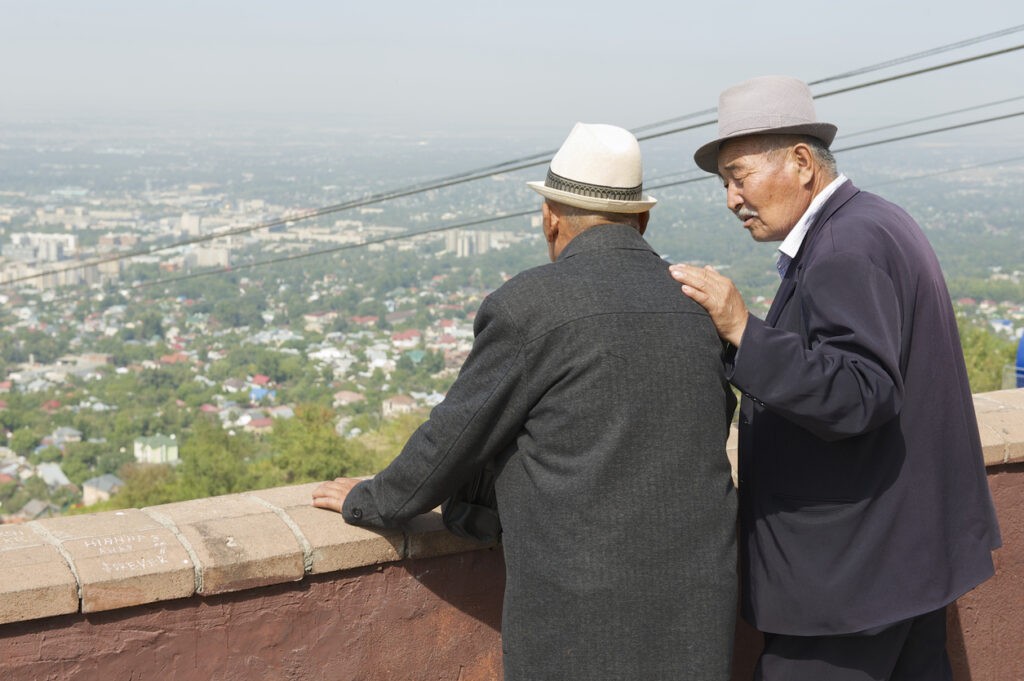
In 2023, life expectancy in Kazakhstan reached a record high of 75.09 years. As stated in a study from Ranking.kz, at the beginning of 2024, the number of adults over the age of 60 in the country exceeded 2.7 million, an increase of 4.2% year-on-year.

Life expectancy in Kazakhstan has steadily increased for many years, except in 2020 and 2021, when it declined due to the COVID-19 pandemic. From 2022, this indicator began to rise again. The highest life expectancy was recorded in Almaty (78.28 years), Astana (78.09 years), Shymkent (76.32 years), and the Mangistau (75.84 years) and Atyrau (75.29 years) regions.

By the beginning of 2024, the number of older people in the total population had reached 13.6%, up from 12% in 2020, and 9.8% in 2010. International and Kazakhstani experts predict that the population’s demographic aging will intensify by 2050; the share of people over 60 will reach 16.7%, which means that every sixth resident of the country will be over 60 years old.

Population aging has led to a decrease in the potential support ratio of the working-age population (25 to 64 years old) to the number of people over 65 years old. This ratio fell from 7.7 in 2012 to 5.49 in 2023. The ratio will drop to 4 by 2050, significantly increasing the working-age population’s burden.

Inland Water Transportation in Kazakhstan

Kazakhstan’s inland waterways run to 4,302 km with an infrastructure that includes inland ports in Atyrau and Pavlodar, along with small cargo wharves and docks with access roads and ferry lines. Inland navigation is concentrated in the Ural-Caspian, Ili-Balkhash, and Irtysh river basins, and the Irtysh River is navigated via three locks at Bukhtarma, Ust-Kamenogorsk, and Shulbinsk.

As such, Kazakhstan’s inland waterways have great potential. Transporting cargo and passengers by ship is cheaper and more environmentally friendly than overland alternatives and has a significant multiplier effect on the development of  recreation and tourism in surrounding areas. However, there are a number of challenges to realizing this potential, including the unsatisfactory condition of navigable routes, an insufficient amount and high wear of coastal infrastructure, the state of the inland fleet and waterway locks, and a shortage of specialists.

Over time, the Kazakh government’s lack of proper attention to developing inland waterways has translated into falling transportation volumes along the country’s main navigable rivers. In turn, the lower handling volumes have led to a dearth of funds to update and repair port facilities, along with a deterioration of coastal infrastructure on navigable waterways, industrial ships, and waterway locks. In the last five years, Kazakhstan’s inland waterway fleet has decreased from 171 to 150 vessels. Meanwhile, 70% of those in operation are past their service life, while the existing coastal infrastructure is unable to process modern types of cargo at the pace required by the market.

As reported by  Kazakhstan’s statistics agency, in the first half of 2024, 156,300 tons of cargo and 74,200 passengers travelled  on inland waterways, down 40.8% and 40.1%, respectively, from the same period last year. A key problem lies in the lack of a comprehensive analysis of the classification and volume of cargo carried through inland waterways.

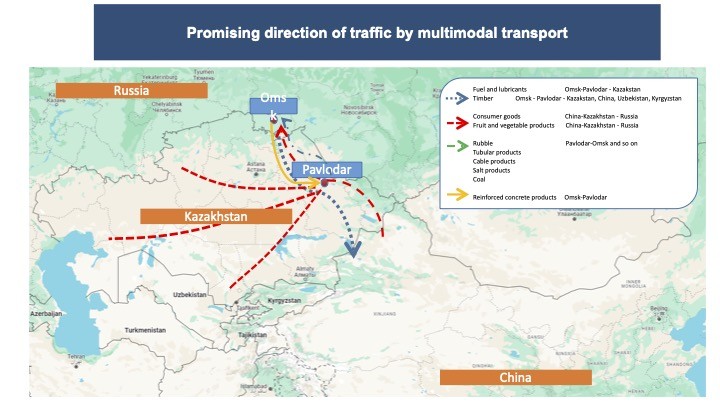
Current developments in shipping are focused around the Irtysh, home to the inland fleet and the main cargo base from which crushed stone is exported to Russia. On the Russian side, plans are in place to further increase shipped imports of both stone and other inert materials, alongside a proposal to import timber to Kazakhstan from Khanty-Mansiysk. The shipment of petroleum products to Chinese refineries from Kazakh and Russian plants is also being explored in tandem with the Chinese side sending back construction materials and consumer goods. At the initial stage, the volume of cargo transportation along the Irtysh is estimated at 350,000-400,000 tons a year, which could be ramped up to 1.5 million tons in the future.

Experts note the important role of a strategic task set by the government to develop the transit logistics of integrating inland waterways into the multimodal logistics chain. This is especially relevant amid congestion on Kazakhstan’s railways and roads, the gravitation of export-import cargo to the transport system, and energetic discussions on developing the Russia-Kazakhstan-China transit corridor using the Irtysh. The project entails shipping cargo via the river to Lake Zaysan where reloaded onto trains, it continues its journey through a new Maykapshagay–Jeminay border crossing. In addition to creating an alternative to traditional rail and road transportation, it could also increase trade between the countries by 3.6 million tons a year.

According to Kazakhstan’s Ministry of Transport, the project involving the transboundary Irtysh River should be realized before 2026. Alongside the opening of the above Maykapshagay–Jeminay border crossing, it includes a Tugyl– Maykapshagay railway, the construction of an additional hydraulic structure for navigation on the Pavlodar–Semey section, and a port near Tugyl in East Kazakhstan .

In addition to plans for the Irtysh, proposals are being considered to develop boating excursions for tourists on the Kapchagay Reservoir and a regular passenger route from Pavlodar to Lake Zaisan, and given the problems of roads in the region, incorporate the Ural-Caspian basin in the transportation of cargo between the port of Atyrau and the Volga ports of Astrakhan and Volgograd, via inland waterways.

Promising routes such as Atyrau–Baku and Atyrau–Astrakhan through the Zhaiyk–Caspian Canal are currently being dredged with plans to transport 2 million tons of cargo per year.

Kazakhstan’s inland water transportation can offer the country an efficient, cost-effective, and environmentally- friendly way to move cargo. However, to advance its development, the state must first implement  systematic and comprehensive measures including expanding and updating the inland fleet and coastal infrastructure; creating a ship repair and shipbuilding base; ensuring safe navigation through dredging, training professional personnel, introducing modern technology, and cooperating with partners that share transboundary rivers.

On an encouraging note, a Concept for the Development of Kazakhstan’s Transport and Logistics to 2030 comprises plans to build a cargo fleet and coastal infrastructure for inland water transport, as well a number of other measures, including the digitalization of operations in the country’s waterways.


Drones, Armored Vehicles, and Planes: Kazakhstan Announces Large-Scale Rearmament

The Defense Department of Kazakhstan has provided a report on its work for the first half of this year, documenting that the Kazakh army intends to update its weaponry. The geography of supplies is extensive, from Chinese quadcopters to European heavy transport aircraft.

In 2024, the delivery of the armored wheeled vehicles Arlan (produced by Kazakhstan Paramount Engineering) and COBRA II (Turkish Otocar) is expected. By the end of the year, the department plans to purchase complex tactical unmanned systems (SUNQAR) and mini unmanned systems (EVOMax). Experts believe that the decision to buy drones was dictated by the mass use of such systems in the Russian-Ukrainian conflict. These hostilities have convincingly proved that quadcopters are an effective type of weaponry.

The Defense Ministry reports that the “Armed Forces continue rearming with modern equipment models, including domestically produced ones. More than equipment was received this year, 50 units were overhauled.” Five hundred units of new fighter jets and anti-aircraft missile systems formed of high-precision weapons classes are being purchased for the Air Defense Forces.

According to Orda.kz, the choice was made to favor the Russian Su-30SM aircraft. Earlier, there was information about the possible purchase of French Rafale fighters. “In December last year, the Defense Ministry noted that given the high cost of French Rafale aircraft, the purchase of Russian planes is being considered. The Su-30SM is a multi-role fighter, and, logically, the Defense Ministry does not advertise that it will buy planes, and possibly SAMs, from a ‘sub-sanctioned ally,'” the publication noted.

In addition, the ANKA heavy-class unmanned aerial vehicle system is undergoing experimental military operations. The Turkish strike UAV entered service with four countries in 2023. This year, production of the ANKA will begin in Kazakhstan.

The report indicates that the European Union is expected to deliver the first A400M heavy-lift military transport aircraft and an anti-diversion boat for the Navy. The department stated, “Shops have been launched to repair armored and automotive equipment, troop air defense, anti-tank systems, artillery, and small arms. So far, more than 1.5 thousand military equipment units have been repaired.”

In the annual rating of countries based on their level of military power Global Firepower-2024, Kazakhstan was placed 58th out of 145. Kazakhstan’s armed forces are recognized as being the strongest in Central Asia.

Samarkand to Host International Music Festival “Sharq Taronalari”

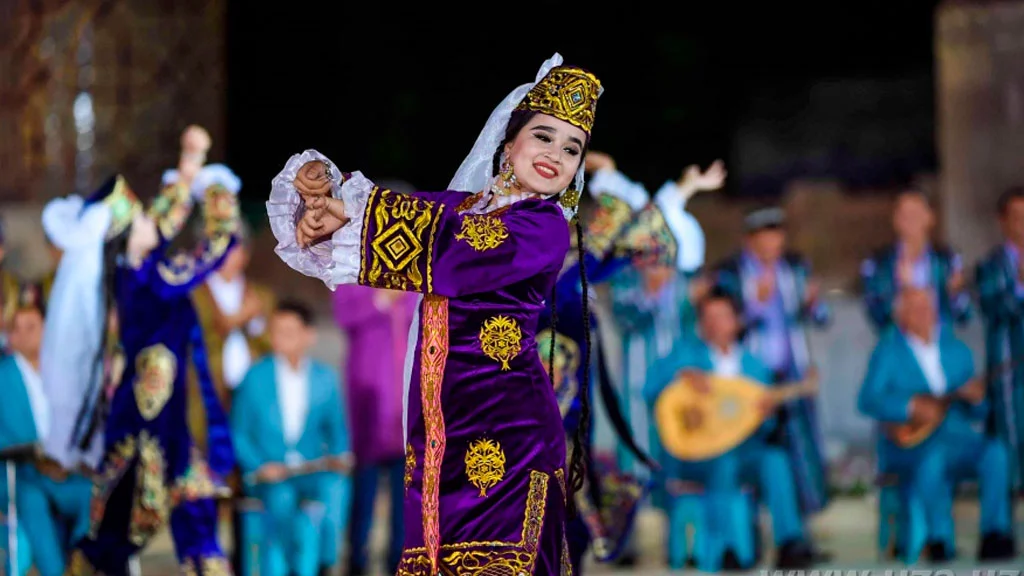
The XIII International Music Festival “Sharq Taronalari” will be held in Samarkand from August 26 to 30 under the auspices of UNESCO, the Ministry of Culture in Uzbekistan reported. “‘Sharq Taronalari’ is considered one of the largest festivals in Central Asia. The main objectives of the festival are to promote achievements in national musical art to the wider public, to preserve and develop the cultures and traditions of nations, to support talented youth in the fields of music and singing, and to expand international creative ties while promoting the ideals of peace, friendship, and mutual tolerance,” according to the festival’s press release.

More than 300 delegates from 70 countries are expected to participate in the festival this year. As of August 1, delegates from 62 countries have expressed their desire to participate, and applications for the festival are still being accepted. The festival’s opening ceremony will be held on August 26. On August 27-28, an international scientific and practical conference on “Music Culture of Eastern Peoples: Principles of Creative Convergence in the Processes of Globalization” is scheduled.

On August 27-29, a competition will be held, and an international jury will evaluate the participants’ performances. The closing ceremony will be held on August 30, and the winners will be announced. The “Grand Prix” of $10,000 will not be awarded, however, if a worthy candidate is not found according to the decision of jury.

Tajikistan Proposes Afghan Border Logistics Zone to Enhance Trade

According to Bakhriddin Sirojiddinzoda, Head of the Tajikistan Export Agency, Tajikistan has plans to establish a large logistics zone on the border with Afghanistan.

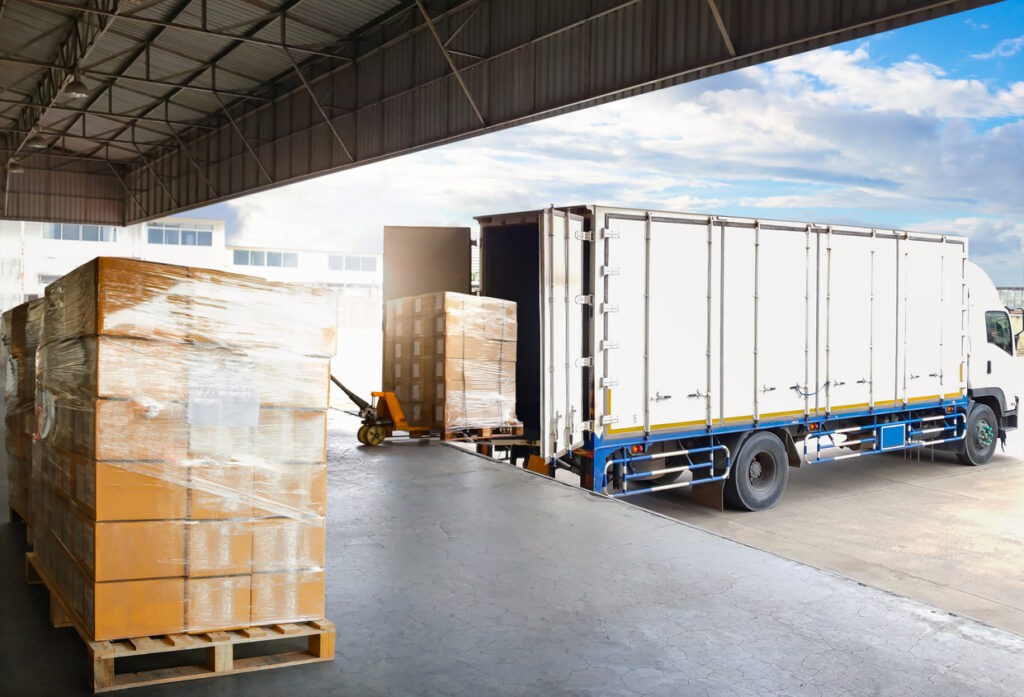
Based on national interests in using existing production and export opportunities, the aim of the export zone is to increase trade turnover, create a modern infrastructure for transporting goods and products, and regulate transportation costs.

Referencing the proposal submitted to the government of Tajikistan for consideration, Sirojiddinzoda stated that the  large logistics centre should be established in the neutral zone or near the Pyanj-Sher Khan Bandar border crossing and explained, “Experience shows that drivers need a visa to pay road taxes and other fees in Afghanistan to cross only 500 meters of road when exporting products to Afghanistan.”

He also stressed that establishing such a centre and developing business was unconnected to the country’s official relations with the Taliban, stating: “No country has officially recognized the Taliban government, but their trade cooperation with the country continues. Some have even opened a ‘Trading House’ and a commercial representative office in Kabul. Tajik goods are transported through Afghanistan to Pakistan, and goods are also transported from there to us, the security of which is still ensured by Afghanistan.”

In the first half of 2024, the volume of sales of Tajikistan’s agricultural products to Afghanistan amounted to $82.7 thousand; an 85% increase compared to the same period in 2023 when it barely reached $22.7 thousand.

According to the Tajikistan Export Agency, nothing was imported from Afghanistan, and goods leaked into the republic from its territory were in transit from Pakistan and other countries.