• KGS/USD = 0.01144 0%
  • KZT/USD = 0.00213 0%
  • TJS/USD = 0.10456 0.19%
  • UZS/USD = 0.00008 0%
  • TMT/USD = 0.28490 0%
  • KGS/USD = 0.01144 0%
  • KZT/USD = 0.00213 0%
  • TJS/USD = 0.10456 0.19%
  • UZS/USD = 0.00008 0%
  • TMT/USD = 0.28490 0%
  • KGS/USD = 0.01144 0%
  • KZT/USD = 0.00213 0%
  • TJS/USD = 0.10456 0.19%
  • UZS/USD = 0.00008 0%
  • TMT/USD = 0.28490 0%
  • KGS/USD = 0.01144 0%
  • KZT/USD = 0.00213 0%
  • TJS/USD = 0.10456 0.19%
  • UZS/USD = 0.00008 0%
  • TMT/USD = 0.28490 0%
  • KGS/USD = 0.01144 0%
  • KZT/USD = 0.00213 0%
  • TJS/USD = 0.10456 0.19%
  • UZS/USD = 0.00008 0%
  • TMT/USD = 0.28490 0%
  • KGS/USD = 0.01144 0%
  • KZT/USD = 0.00213 0%
  • TJS/USD = 0.10456 0.19%
  • UZS/USD = 0.00008 0%
  • TMT/USD = 0.28490 0%
  • KGS/USD = 0.01144 0%
  • KZT/USD = 0.00213 0%
  • TJS/USD = 0.10456 0.19%
  • UZS/USD = 0.00008 0%
  • TMT/USD = 0.28490 0%
  • KGS/USD = 0.01144 0%
  • KZT/USD = 0.00213 0%
  • TJS/USD = 0.10456 0.19%
  • UZS/USD = 0.00008 0%
  • TMT/USD = 0.28490 0%

Up to 300 Tajik Women and Children Remain in Syria and Iraq

An estimated 250 to 300 Tajik women and children remain in Syria and Iraq, according to Suhaili Kodiri Abduhafizzoda, Head of the Department for State Protection of Children’s Rights at the Office of the Human Rights Commissioner of Tajikistan.

Abduhafizzoda stated that the repatriation process, previously overseen by a dedicated Tajik working group, has stalled since the change of government in Syria. At its peak, approximately 800 Tajik nationals, mainly women and children, were believed to be in the two countries. While more than half have returned home, hundreds remain stranded.

Four Repatriation Waves Since 2019

Tajikistan has conducted four formal repatriation missions since 2019, resulting in the return of 382 individuals. These included:

  • 2019: 84 children repatriated
  • 2022: 144 women and children
  • 2023: 104 individuals
  • 2024: 47 women and children

In addition, roughly 90 Tajik citizens returned independently, although their exact routes and methods of escape from conflict zones have not been officially disclosed.

Final Stage Falls Short

Officials had hoped the 2024 operation would mark the final stage of the repatriation effort. However, Abduhafizzoda confirmed that not all remaining women and children agreed to return.

“We planned to return all remaining women and children, but this was not possible, primarily because they themselves refused,” he explained.

Fear of legal consequences was the most commonly cited reason. Many of the women expressed concern that they would face criminal prosecution upon returning to Tajikistan.

However, authorities insist these fears are largely unfounded. According to the ombudsman’s office, none of the women previously repatriated have been charged or prosecuted. Instead, they were reportedly met with state support and reintegration programs.

“Some of the women who had already returned had similar fears. But once they came back, they saw that no criminal cases were initiated, and they were all forgiven,” Abduhafizzoda noted.

Children Reunited With Families

Officials report that all repatriated children have been reunited with relatives and received assistance in resuming their education and adjusting to civilian life.

Nonetheless, the fate of those still in Syria and Iraq remains unclear.

Legacy of the Islamic State

According to official figures, more than 2,500 Tajik citizens joined the Islamic State group after 2013. Many men took their families with them to Syria and Iraq. By 2017, most of the men were reported killed or missing, and some women and children are also believed to have died during the conflict.

With no current framework for further repatriation, the future of the remaining Tajik women and children in the region remains uncertain.

Tokayev to Personally Oversee Probe Into Medical Insurance Fund Embezzlement

President Kassym-Jomart Tokayev has pledged to personally oversee the investigation into large-scale embezzlement from Kazakhstan’s Social Medical Insurance Fund (SMIF) and has instructed the government to accelerate the rollout of a unified national healthcare information system.

The move follows a series of alarming revelations about systemic fraud in the medical insurance system. In January, Prime Minister Olzhas Bektenov ordered that control of the SMIF be transferred to the Ministry of Finance to bring financial flows under tighter oversight.

Subsequent audits uncovered widespread violations, including the registration of fictitious patients, the billing of unnecessary medical services, duplicate financing of procedures, and even the provision of treatments to deceased citizens. The findings have been submitted to law enforcement agencies for investigation.

Addressing an expanded government meeting, Tokayev stated that fraudulent activity in the social sector had reached “unprecedented proportions,” and emphasized that the Prosecutor General’s Office and other relevant bodies must investigate all instances of wrongdoing, regardless of the statute of limitations or the individuals involved.

“I will personally oversee the investigation process,” the president declared.

Tokayev attributed much of the abuse to the absence of a unified digital infrastructure in Kazakhstan’s healthcare system. More than 30 separate and unintegrated information systems are currently in use, creating serious gaps in oversight and traceability.

In response, the president has ordered the government to finalize the development of a single, centralized state medical information system by December 1. The new platform is expected to provide full traceability of services and financial transactions, and to digitize all SMIF operations.

Tokayev emphasized that digitization is essential for ensuring transparency and the proper use of public funds.

As The Times of Central Asia previously reported, earlier this year, the government also announced it would cover health insurance contributions for more than one million unemployed citizens.

Kyrgyz MP Questions Why Uzbekistan and Kazakhstan Don’t Pay for Irrigation Water

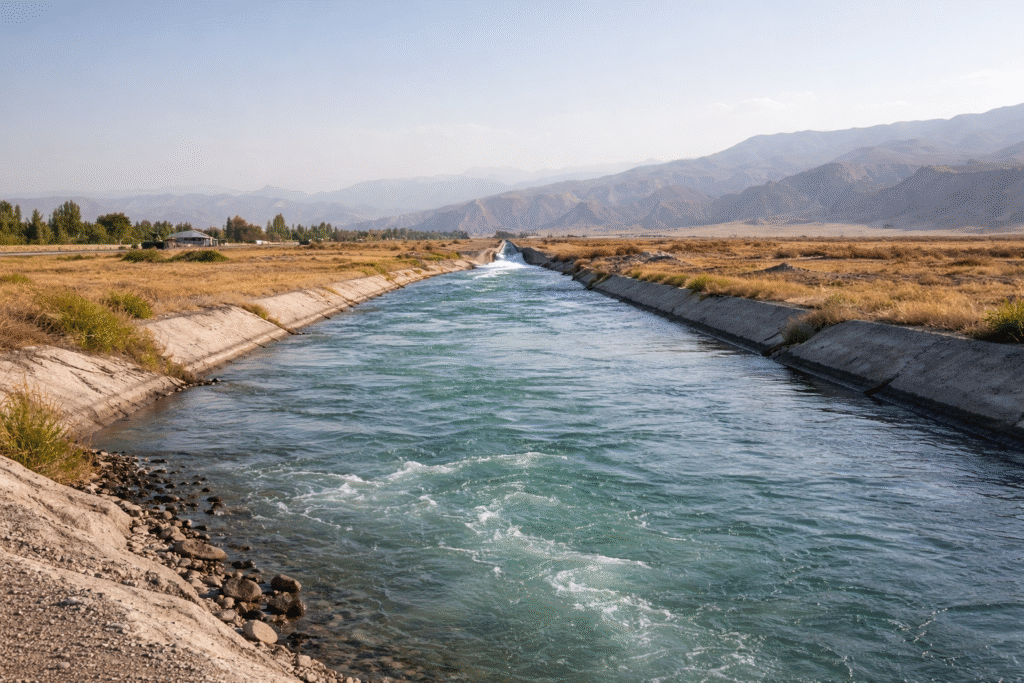
A long-standing debate over Kyrgyzstan’s water resources resurfaced this week after a member of parliament questioned why Uzbekistan and Kazakhstan do not compensate Kyrgyzstan for irrigation water sourced from its reservoirs, according to a report by Kaktus Media.

Speaking at a February 9 meeting of the parliamentary committee on agrarian policy, water resources, ecology, and subsoil use, MP Umbetaly Kydyraliev raised concerns about growing water shortages caused by climate change and the lack of economic return from water exports to neighboring countries.

“About 80% of the water in our reservoirs goes to Kazakhstan and Uzbekistan,” said Kydyraliev. “How are we resolving this issue with them?”

Regional Cooperation vs. Compensation

In response, Deputy Prime Minister and Minister of Water Resources, Agriculture, and Processing Industry Bakyt Torobaev explained that while Uzbekistan and Kazakhstan are not making direct payments for water, they are contributing to major regional infrastructure projects, most notably, the Kambar-Ata-1 hydropower plant.

Torobaev emphasized that cooperation is based on mutual benefit rather than transactional agreements. He noted that both countries have expressed strong interest in ensuring reliable access to water and have supported the hydropower initiative accordingly.

Kambar-Ata-1: Strategic Investment

Kambar-Ata-1, originally launched during the Soviet era and later shelved, is poised to become one of Central Asia’s largest hydropower plants. Once completed, it is expected to surpass the output of the Toktogul hydropower station, currently Kyrgyzstan’s main source of electricity. The plant’s projected cost is around $3.6 billion.

Who Should Pay for Upkeep?

Kydyraliev also cited other key reservoirs, including Kempir-Abad (jointly managed with Uzbekistan), Kirov, and Orto-Tokoy, which remain under Kyrgyzstan’s jurisdiction. Annual intergovernmental commissions determine how much water is released from these facilities, yet no financial compensation is received.

“Does this mean Kyrgyzstan gains no economic benefit from maintaining these hydropower facilities?” he asked. “We have to repair them, stabilize water levels, and inspect dams. These are real costs. Other countries pay for water under international law.”

Official Position: No Demands for Payment

Deputy Energy Minister Nasipbek Kerimov noted that the issue is being jointly studied by energy and water specialists. Torobaev added that details of these discussions are confidential but confirmed that President Sadyr Japarov has instructed officials not to demand payments from neighboring states for infrastructure maintenance.

Instead, Kyrgyzstan will shoulder those costs itself, with any external assistance remaining voluntary.

A Stranger Among His Own: Rejected by Russia, Kazakh Comedian Nurlan Saburov Faces Cold Reception at Home

Kazakh comedian Nurlan Saburov has become the third stand-up performer to be officially barred from entering Russia, this time with a 50-year entry ban.

The decision, reportedly issued on national security grounds, follows years of mounting controversy surrounding the artist, who has struggled to reconcile his dual identity as a Kazakhstani citizen and a celebrity shaped by Russian showbusiness.

From Stepnogorsk to Moscow Spotlight

Born in 1991 in Stepnogorsk (Akmola region, Kazakhstan), Saburov’s career took off through KVN, the long-running Soviet-era improv competition, after enrolling at Ural Federal University in Yekaterinburg. In 2014, he relocated to Moscow with his family to pursue a career in the booming Russian stand-up scene, eventually gaining national fame through television appearances.

However, that rise has since been marred by a series of political and legal controversies.

Neutrality in the Spotlight and Its Consequences

Saburov’s troubles began in April 2022, when he was confronted during a U.S. tour by a protester covered in red paint, a symbolic act referencing the war in Ukraine. His offhand joke referencing menstruation drew global backlash, leading to an American tour cancellation and public outrage. Attempts to declare a neutral stance on the war in Ukraine only deepened public criticism.

By May 2025, he faced his first major setback at Moscow’s Sheremetyevo airport, where he was fined for immigration violations but allowed to leave without a ban.

Then, on February 6, 2026, upon arrival at Vnukovo airport from Dubai, Saburov was detained and issued an official notice of a 50-year ban from entering Russia. The document cited violations of tax and migration law, with authorities alleging he attempted to legalize his earnings through intermediaries while refusing to apply for Russian citizenship.

“In 2024 alone, Nurlan Saburov declared more than 50 million rubles [$645,000] in income while ignoring tax and migration rules,” Russian law enforcement sources told RIA Novosti.

He was initially scheduled for deportation to Dubai but instead chose to fly to Almaty, Kazakhstan.

Uneasy Return to Kazakhstan

Speculation quickly emerged about whether Saburov would settle permanently in Almaty, where he co-hosts a successful YouTube talk show alongside three Russian hosts. The program, previously hosted on YouTube, now runs on VK, Russia’s state-backed video platform, and frequently features Russian celebrities. Relocating the production to Kazakhstan could, some argued, benefit the country’s cultural profile and tourism appeal.

However, Saburov was met with public hostility. A video from 2025 resurfaced online showing him donating 10 enduro motorcycles to fighters from the Wagner Group’s Istra unit, a controversial paramilitary force implicated in operations in Ukraine.

In response, Almaty-based activist Marat Turymbetov submitted a formal complaint to the Prosecutor General’s Office of Kazakhstan, calling for an investigation into possible violations of Article 170 of the Criminal Code, which prohibits financing illegal armed groups.

“I believe the authorities will investigate and bring this individual to justice,” Turymbetov stated in a social media post, citing possible mercenary activity.

Other Kazakhstani citizens, particularly those who support Ukraine, joined Turymbetov’s call for legal action.

Saburov Responds

Despite the backlash, Saburov has not distanced himself from Russia. In a statement on Instagram, he thanked Russian audiences and signaled plans to contest the ban:

“Time will put everything in its place. My career began 15 years ago in Yekaterinburg and later in Moscow. I’ve performed in many Russian cities and was always met with warmth. I’m grateful to the country that allowed me to grow as an artist and reach a multinational audience,” Saburov wrote, adding that his lawyers would “deal with all relevant authorities”.

As legal and public scrutiny continues in both Russia and Kazakhstan, Saburov now finds himself without a stage, caught between two countries no longer willing to claim him as their own.

U.S. to Host “Board of Peace” Meeting on February 19 

The United States plans to host a meeting this month of the “Board of Peace” that President Donald Trump set up. The attendance list is still in the works, and there is no word yet on whether the leaders of Kazakhstan and Uzbekistan, which are among more than two-dozen member countries, will attend the gathering in Washington on February 19.

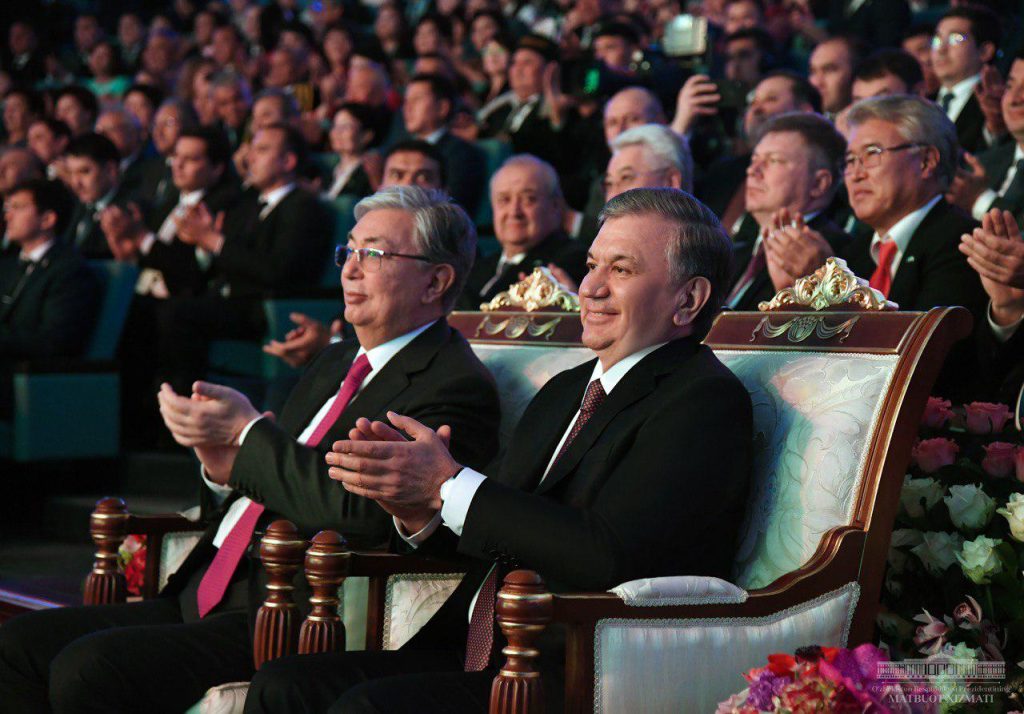
Kazakhstan’s President Kassym-Jomart Tokayev and his Uzbek counterpart Shavkat Mirziyoyev traveled to Davos, Switzerland, last month to join Trump for the signing ceremony of the board, which supporters say is aimed at resolving Gaza and other conflicts around the world. There are concerns, however, that the international mechanism could undermine the United Nations, and critics question the sweeping power that Trump holds over the board, as chairman with veto power and no term limits.

The White House plans to hold the meeting in Washington, D.C. to support implementation of the Gaza cease-fire deal and raise funds for reconstruction of the territory, the Axios news outlet has reported. It said planning is in the early stages and could change. Axios attributed the information to a U.S. official and diplomats from several countries that are on the board.

Other media organizations also reported on the planned meeting this month.

President Javier Milei of Argentina will attend the meeting, according to the Argentine government. Hungarian Prime Minister Viktor Orbán is also expected to attend.

The involvement of Kazakhstan and Uzbekistan in the Board of Peace reflects their goals of playing a more robust role on the international stage as well as the expanding relationship, particularly centered around trade and investment, between the United States and Central Asia. Azerbaijan is also among the countries that signed up to join the Board of Peace.

Some traditional U.S. allies, including in Europe, have not joined the U.S.-led organization, partly because of concerns over the board structure. Additionally, their relations with Washington have frayed over tariffs, U.S. plans to take over Greenland, and other issues.

Life After Relocation: Kazakhstani Inna Baitukenova on the U.S., Blogging, and Building a Business

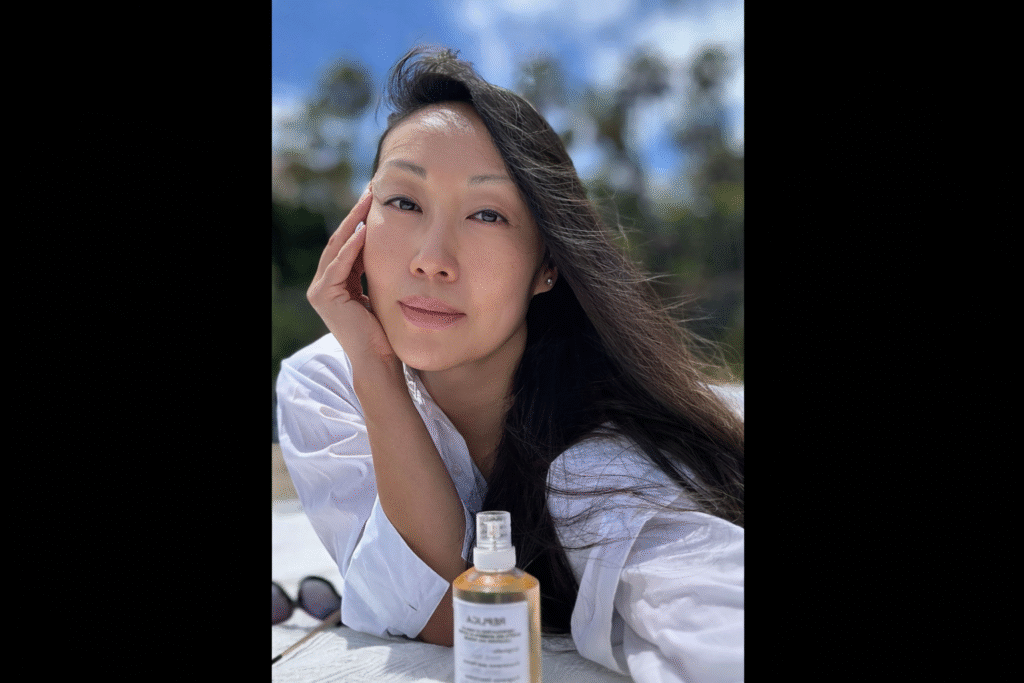
Kazakh producer and screenwriter Inna Baitukenova, known for projects such as Satash, the documentary Oleg: The Story of Oleg Vidov, and the television series Ana Zhuregi and Taitalas, has opened a new chapter in her professional life since relocating to the U.S. A lawyer by education, she now works as a blogger and is developing her own beauty business in the American market.

She spoke with The Times of Central Asia about adapting to life abroad, navigating the U.S. blogging scene, and the challenges and rewards of launching a business as a Kazakhstani immigrant.

TCA: Inna, how long have you been living in the U.S.?

Inna: My husband and I first came here as tourists in 2018. During that trip, my husband, journalist and film director Tolegen Baitukenov, met an American producer interested in making a documentary exploring potential familial ties between Native Americans and Kazakhs. He signed a contract, and we returned to Kazakhstan. In 2019, he presented the project at the Kazakh pavilion at the Cannes Film Festival. Interest was high, so we decided to change our status from tourists to working residents. We officially moved to the U.S. in 2019. We’ve now been living here for seven years.

TCA: Did you and your husband come on talent visas?

Inna: Yes. Initially, we came without our children, just to see how it felt. We liked it, returned home, and began applying for work visas. It wasn’t easy; we even had to obtain approval from the Directors Guild of America.

TCA: How long did it take you to adapt? When did you begin to feel at home?

Inna: I think we’re still adapting. But the first time I really felt at home was in 2022, after moving from Los Angeles to Orange County. It’s a suburb about 90 minutes from LA. I was driving around, and suddenly everything felt familiar: the streets, the houses. That’s when I realized I felt a sense of home.

The early days were very tough, but day by day, it got easier. We got used to the environment, improved our English, and started understanding how daily life works here, from utility payments to taxes. At first, we were converting all prices into tenge. When Tolegen started his company in 2019, everything was a challenge; there wasn’t even ChatGPT back then to ask questions. We were googling everything: how to get a license, register a business, and secure a trade name. When I started my own beauty studio in May 2025, I already knew how to rent an office and obtain all the necessary permits.

TCA: You seem to have found your footing once you landed a good blogging contract. You now work with major brands, right?

Inna: Yes, but blogging wasn’t my goal. It happened by accident. I used to keep an Instagram account as a hobby back in Kazakhstan and never thought of it as a platform for making money. But I’ve always loved cosmetology and beauty. One day, I began posting about the products I use, unboxings, and reviews. I tagged an American brand in a post, and to my surprise, they reached out offering to send me a gift. They told me I could choose anything I wanted from their site. It was a huge surprise. They sent me almost a year’s worth of cosmetics, probably worth over $1,000. As a woman, and especially an immigrant, I can say it was an amazing gift. Cosmetics aren’t a necessity, but they’re always a pleasure.

TCA: When did you start working with bigger names like Prada and Shiseido?

Inna: A little later. One of my first major clients was LPG France, a top cosmetics and beauty tech brand. A marketing agency contacted me by email. I was skeptical at first, worried it might be a scam, but it turned out that email is a standard business channel in the U.S. They commissioned two reels and several stories, and also gave me a course of treatments, body, and anti-cellulite programs.

I remember when they asked for my rate, I had to Google how much bloggers charge for posts, reels, or stories. I quoted an average rate, and we reached an agreement. Even though I was a beginner, we took it seriously and filmed professional content with Tolegen’s help. I eventually took a course at UCLA on influence marketing to understand the U.S. market, how much brands spend, and what niches exist. For me, beauty is the most profitable niche, followed by fashion, food, e-commerce, and home goods.

My account also appeals to a broad audience; it’s family-focused. I have a husband and three children: a college student, a schoolgirl, and little Tanya, who’s 3 1/2 years old.

TCA: Can a Kazakhstani blogger succeed in the U.S. market?

Inna: Yes, but brands are primarily interested in a U.S. audience. That’s why I had to switch to English. It’s not easy; some followers in Kazakhstan prefer Kazakh or Russian, but my Instagram has grown to around 126,000 followers, and more and more are American. Advertisers also care about TikTok, Threads, and other platforms; they often ask for cross-posting, so presence across multiple channels is a plus.

TCA: In Kazakhstan, bloggers are often more popular than artists. What about in America?

Inna: Here, too, whatever your field, blogging is an advantage. That’s why everyone blogs here, from plastic surgeons to musicians. When I opened my beauty studio, I realized that blogging is essential for promotion.

TCA: Is it true that most things in the U.S. are handled through agencies or intermediaries?

Inna: Often, yes, but I work independently. I haven’t signed with any agency. The only time I worked through one was with LPG France. Even then, I didn’t have a direct contract with the brand; the agency did.

TCA: Is there a lot of competition among bloggers?

Inna: Tremendous competition. And income is highly unstable. During holidays like Christmas, New Year, or Black Friday, when brands allocate large budgets, income can be good. But there are dry spells too; you can go months without work. It’s not reliable as a main source of income.

TCA: Could a Kazakhstani blogger work remotely in the U.S. market?

Inna: It’s possible, but difficult. Brands need to ship products, and international logistics can be tricky. Deadlines are strict. You also need U.S. registration, bank accounts, documentation, and a social security number.

TCA: After seven years in the U.S., are you financially stable?

Inna: We’ve made good progress. We live comfortably in a nice area. But we’re still growing. Tolegen has a production company, and I have my studio. I even went back to school to get a cosmetology license. I was recently offered a position at a Beverly Hills clinic by the owner, a doctor. That job means a lot; it’s a new professional level. Eventually, I want to pursue a medical degree and continue in this field. Blogging is a passion project with some nice perks.

TCA: You’re in Los Angeles, the heart of the film industry. Have you thought of returning to film?

Inna: I have, and I still dream of it. We haven’t given up, we keep writing. Tolegen recently won a screenwriting contest with a short film. We still love everything about cinema, film festivals, and discussions. We even run through scripts on the go. But right now, it’s more of a hobby. It’s not monetized yet.

TCA: Why is that? Is it hard to break into the industry?

Inna: That’s part of it. Early on, the pay is low, and the work is demanding: 4 a.m. call times, long shoots in all kinds of weather. I have a small child, and I’m just not ready for that kind of schedule. Many famous people started out doing tough jobs. Brad Pitt worked as an entertainer, but I can’t do that at this point in life.

TCA: Is Los Angeles really the city of stars?

Inna: Absolutely. When we first arrived, we walked around like wide-eyed kids. You’d see Anne Hathaway one day, Janet Jackson the next. Celebrities are especially common in Beverly Hills and West Hollywood.

TCA: Do you miss Kazakhstan?

Inna: Of course. I miss the people: my parents, my little brother, and my friends. We stay in touch, but nothing replaces being together in person. I also miss the food, kazy, irimshik, and zhen. Sometimes we meet someone here, an African American woman or a Mexican, and she reminds us of a Kazakh apashka or tateshka (a familiar, older auntie or grandma-type figure). It’s such a warm, familiar feeling. We even say, “What a nice tateshka,” and that means a lot.