Hydropower strain returns as rationing tightens
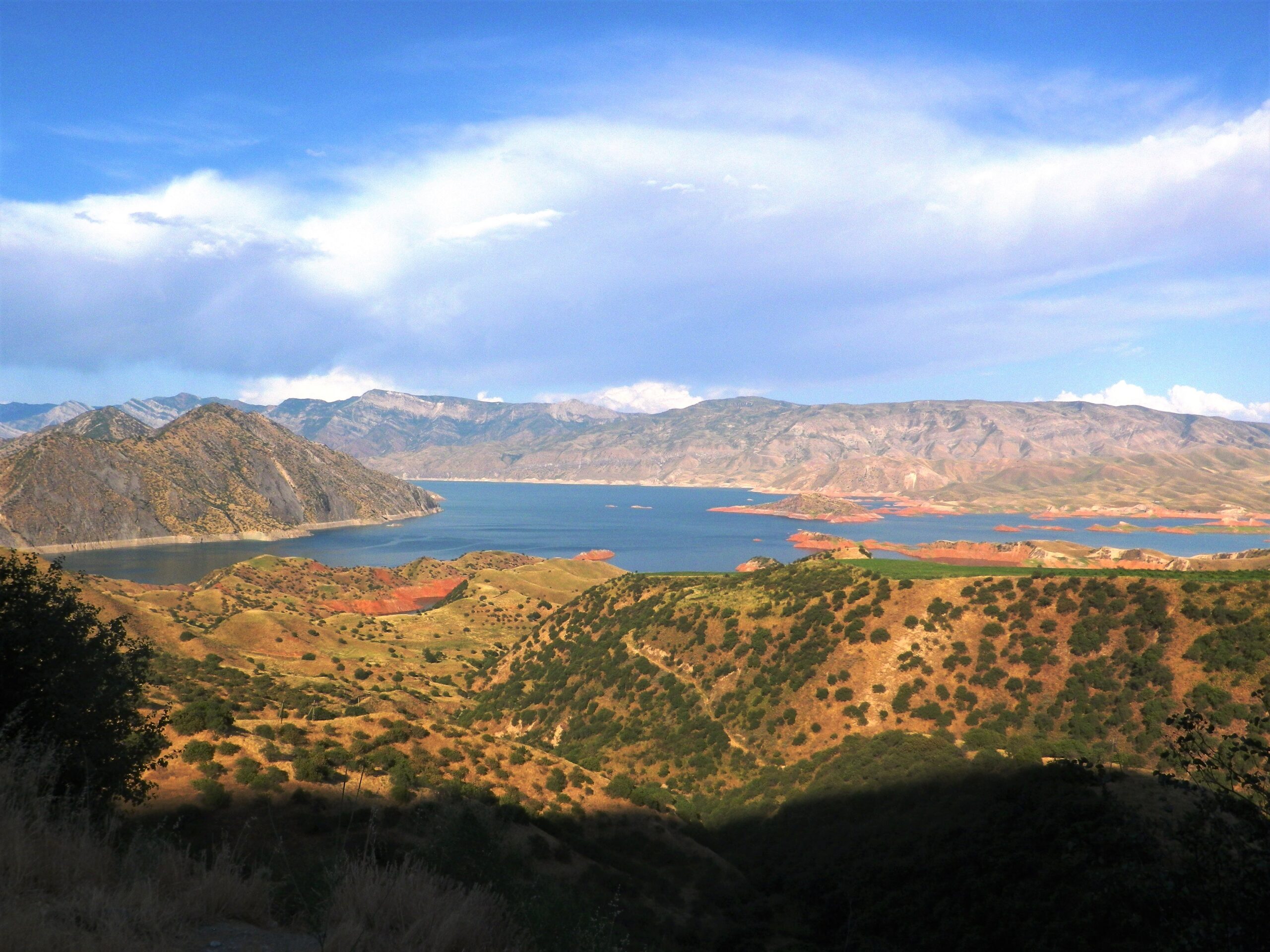
A dry autumn has translated into a difficult start to winter for Tajikistan’s electricity system, with renewed restrictions tied to low reservoir levels. A recent Reuters report on rationing described a drop in water levels feeding the country’s hydropower fleet, with the reservoir at Nurek, the backbone of generation, reported to be substantially below the same point last year.
The measures announced go beyond household inconvenience: restrictions have been accompanied by reduced lighting and tighter electricity allocations for public institutions, while officials explore imports and balancing arrangements with neighbors.
Rogun’s mitigation narrative hardens as oversight grows
The Rogun hydropower project remains the long-term answer Dushanbe puts forward for these seasonal crunches, and also the project that draws the most intense international scrutiny.
The Times of Central Asia’s coverage of Rogun’s environmental planning highlighted a shift in framing: a “no net loss” biodiversity approach, built around compensatory habitat restoration exceeding the estimated footprint of land losses.
That messaging is designed to reassure lenders and stakeholders that the dam’s scale will be matched by formal safeguards, and to keep financing pathways open at a time when environmental and social governance has become central to major infrastructure underwriting.
But “no net loss” is also an invitation for closer measurement, and criticism has increasingly focused on whether offsets can meaningfully address river-system impacts, not only terrestrial habitat.
Advocacy briefs circulating around Rogun argue that aquatic biodiversity mitigation and downstream ecological risk remain the hardest pieces to quantify and enforce, especially on long timelines where implementation phases stretch years beyond core construction.
In other words, Rogun’s external story is evolving: it is no longer only about generating electricity and exporting surplus. It is also about whether international standards can be applied credibly to a project of this size — and whether promised safeguards hold up under cross-border water politics and long-term monitoring.
A border-security story triggers a rare media confrontation
If energy is the long-term strategic theme, border security remains the most sensitive. That sensitivity spilled into public view after a Reuters dispatch on alleged Tajik–Russian border talks suggested Dushanbe was considering deeper cooperation with Moscow and the CSTO for monitoring the Afghan frontier.
Tajikistan’s response was unusually direct. In a sharply worded statement reported by Eurasianet’s account of the dispute, the Foreign Ministry said the report “does not correspond to reality” and insisted the border situation was under national control.
Shortly afterwards, The Times of Central Asia’s report on Reuters withdrawing the story underscored how rare it is for a major international outlet to retract a piece following an official denial in the region.
For Western governments, the episode illustrates how the Afghan border remains a geopolitical pressure valve, and how carefully Dushanbe manages the optics of any foreign military footprint, particularly at a time when Russia’s regional role is politically charged and China’s security profile is rising.
Land degradation moves from “environmental” to “economic risk”
Finally, an issue that has long sat in the “environment” column is now being described increasingly as a macroeconomic threat: land degradation and food security. The Times of Central Asia’s summary of FAO-linked findings drew attention to estimates that a very large share of arable land is already degraded, driven by erosion, salinization and nutrient loss.
International analysis has pushed the point further. In The Diplomat’s deep dive on Tajikistan’s food-security constraints, the argument is that fragmentation of farmland, limited mechanization and underinvestment in irrigation and soil management are combining with climate stress to reduce resilience, in a country where household economics, migration decisions and political stability are closely tied to rural livelihoods. Broader UN messaging, including FAO’s work on land and soils, frames the same dynamic globally: degraded land reduces yields and amplifies vulnerability to drought and extreme weather.
Together, these four developments capture Tajikistan’s current trajectory: hydropower remains both the country’s strength and its exposure; Rogun is increasingly a test case for international infrastructure standards; the Afghan border remains politically combustible; and land degradation is becoming an economic headline rather than a background environmental warning.