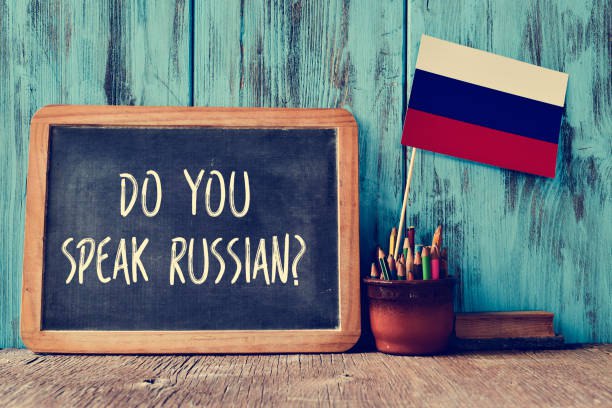
Russia’s Ministry of Foreign Affairs has commissioned a new research initiative to evaluate the effectiveness of its global Russian language promotion efforts, with a particular focus on Uzbekistan and Azerbaijan. According to the Russian daily Vedomosti, the state-funded All-Russian Public Opinion Research Center (ARPOR) secured the contract, valued at 34.8 million rubles (approximately $390,000).
ARPOR Director Valery Fedorov confirmed that the study has not yet begun, as the contract is still being finalized. When asked whether recent diplomatic strains between Russia and Azerbaijan might affect the initiative, Fedorov replied, “Escalations come and go.”
While the focus includes several post-Soviet states, the survey will also encompass countries such as India, China, Venezuela, and the United Arab Emirates. ARPOR previously conducted a similar study in 2024 in Israel, Kazakhstan, China, Cuba, Egypt, and India.
The current research will survey at least 1,500 people online and a minimum of 1,000 participants via phone or in-person interviews in each country. A ten-member expert team specializing in linguistics, international relations, culture, and media will analyze the results. The initiative will culminate in a roundtable discussion in Moscow.
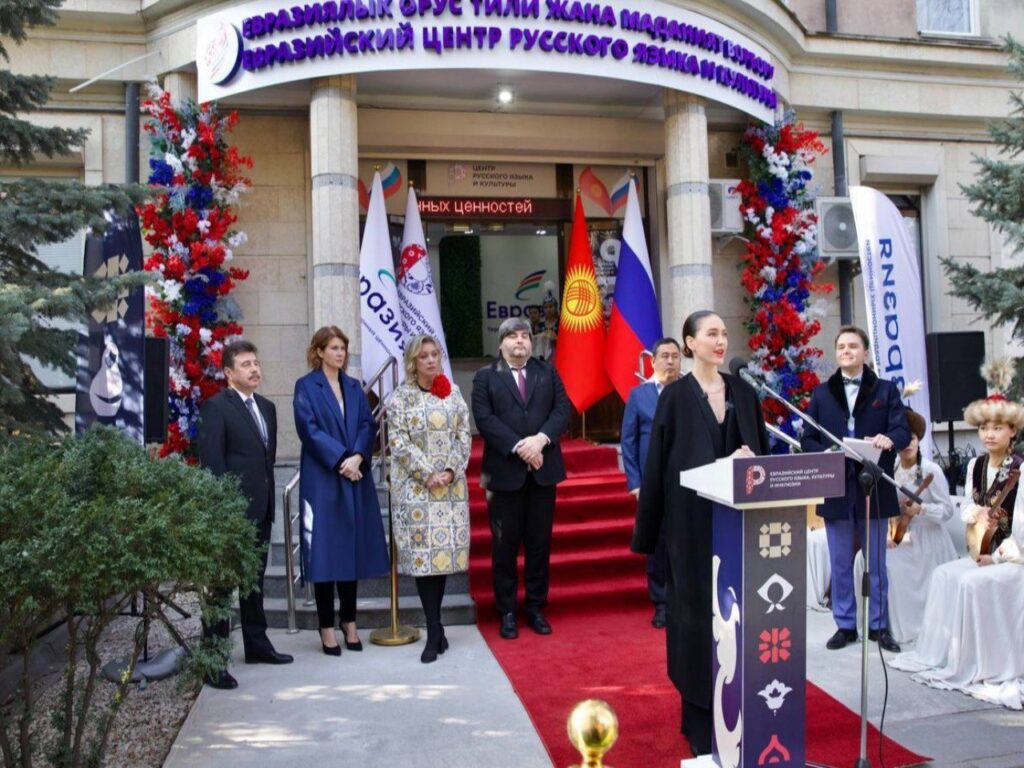
Rossotrudnichestvo, the Russian government agency responsible for promoting cultural and educational ties abroad, told Vedomosti that more than 14,000 individuals studied Russian at its “Russian House” cultural centers across 71 countries in 2024. Uzbekistan remains one of the agency’s core focus areas, alongside Armenia, Belarus, Kazakhstan, Kyrgyzstan, Moldova, Tajikistan, and Turkmenistan.
In Uzbekistan, over 1,000 schools offer instruction in Russian or in bilingual formats. In contrast, Kazakhstan has more than 3,600 such schools.
Russian retains official language status in Kazakhstan and Kyrgyzstan, while in Tajikistan it is designated as a “language of interethnic communication.” In Uzbekistan and Turkmenistan, however, Russian does not have any official legal status.
In Kazakhstan, the use of Russian has been in gradual decline, largely due to demographic shifts. As of January 1, 2024, ethnic Russians made up 14.89% of the population, down sharply from nearly 40% in 1989. Nevertheless, Russian remains widely spoken and is supported by educational institutions and strong bilateral ties with Moscow.
Experts cited by Vedomosti noted that conditions for Russian language education are significantly more challenging outside urban centers like Tashkent and Baku. In many schools across Uzbekistan, Russian is taught for just two hours per week, insufficient to meet growing demand, they argue.
While interest in the Russian language remains steady, analysts say this is driven more by pragmatic factors, such as aspirations to study at Russian universities or pursue employment with Russian firms, than by cultural affinity or the effectiveness of Moscow’s soft power outreach.