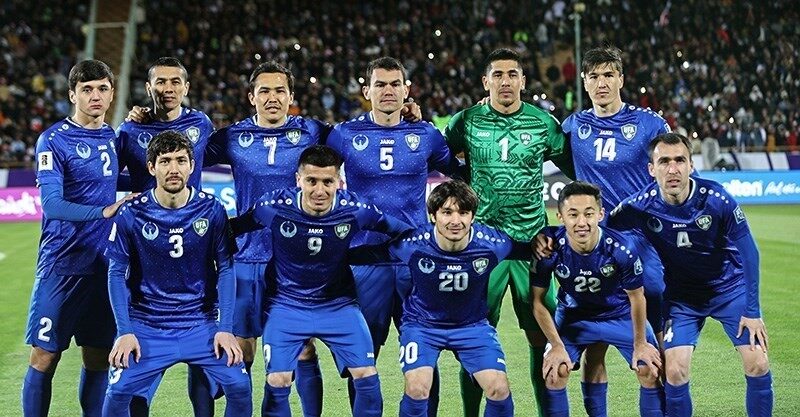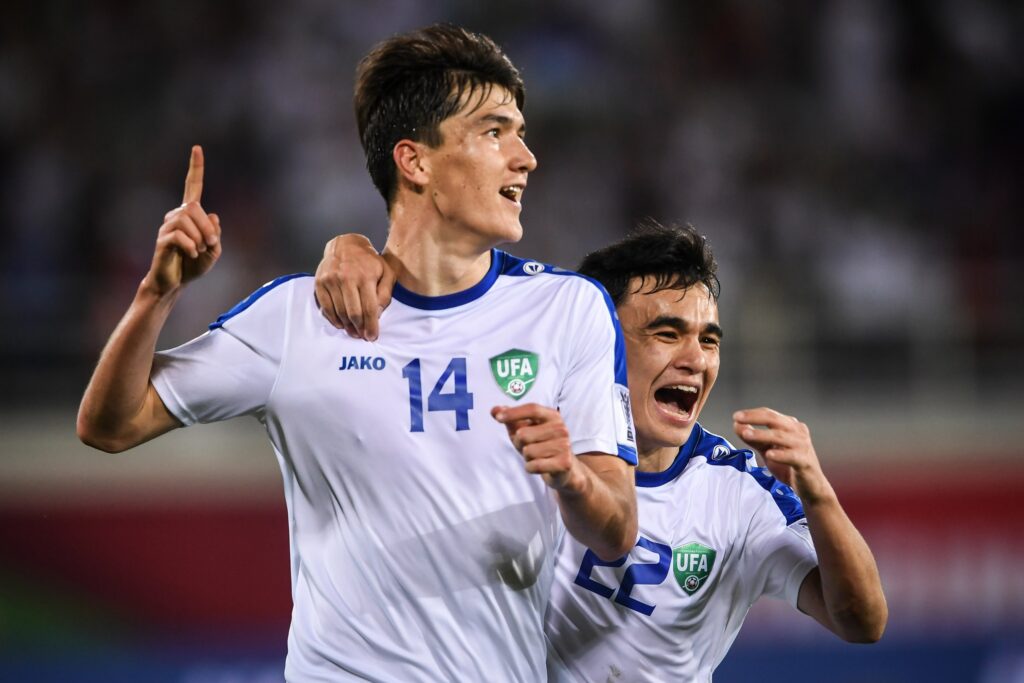
Tonight, at midnight local time, the FIFA World Cup will get underway while Central Asia sleeps. For the first time, however, the region will be part of the story. When Uzbekistan walk out at the Estadio Azteca on June 17, they will be representing a region that has waited more than three decades to see one of its own at football’s greatest tournament.
Since the collapse of the Soviet Union, Central Asia has produced Olympic champions, world-class boxers, judokas, wrestlers, weightlifters, cyclists, tennis stars and chess players. It has staged major events, built new arenas and invested heavily in elite sport. But football, the world’s global game, has long been something the region watched rather than participated in.
Uzbekistan are the first Central Asian country ever to reach the FIFA World Cup. Their qualification, sealed last year with a tense 0-0 draw against the United Arab Emirates in Abu Dhabi, was the culmination of years of investment in youth football, academies, domestic infrastructure and a generation of players no longer burdened by the near-misses that defined earlier campaigns.

Uzbekistan’s players celebrate qualifying for the World Cup. Image: TCA
The country had come close before, most painfully in qualifying campaigns for 2006 and 2014. FIFA’s decision to expand the tournament to 48 teams, derided by many as money-grabbing, has also played its part in expanding opportunity to countries that were formerly locked out.
Uzbekistan’s breakthrough also comes at a moment when football across Central Asia is becoming harder to dismiss. Kairat Almaty’s Champions League campaign ended in defeat to Arsenal in London, but the Kazakh club’s presence at that level was itself a marker of change, and the chance to play against Real Madrid’s Galácticos was savoured by many. Kazakh sides have also started to attract more recognizable names, including former Manchester United winger Nani and former Chelsea forward Victor Moses. These are still early signs, but they suggest that the region’s football ecosystem is becoming more ambitious, more professional and more visible.
The face of Uzbekistan’s own shift is Abdukodir Khusanov. The Manchester City defender endured a difficult start in England, recovering from a gaffe-strewn debut to become an assured presence in one of the most scrutinized teams in world football. For some City fans, his arrival had initially looked like a gamble.
“Uzbekistan isn’t exactly known for being a production line of talent,” Manchester City fan Ant Clayton said, recalling his skepticism when the club signed him. After Khusanov’s debut, Clayton thought the signing “looked like a big mistake”. But by the end of the season, Khusanov had become a rock at the heart of City’s defense, helping the club to an English cup double and giving Uzbekistan something it had never previously possessed: a genuine world-class star playing at the summit of the European game. “Many of Europe’s best forwards have played against Khusanov in the last 12 months,” Clayton said. “In my opinion, not one of them has got the better of him.”
That said, the team does struggle for goals. Striker and captain Eldor Shomurodov has struggled at the highest level in the past, failing to break through during his spell in Italy at AS Roma. However, his 20 goals in 32 games in the Turkish Süper Lig for Istanbul Başakşehir suggest he’s capable of finding the net if given the right service.
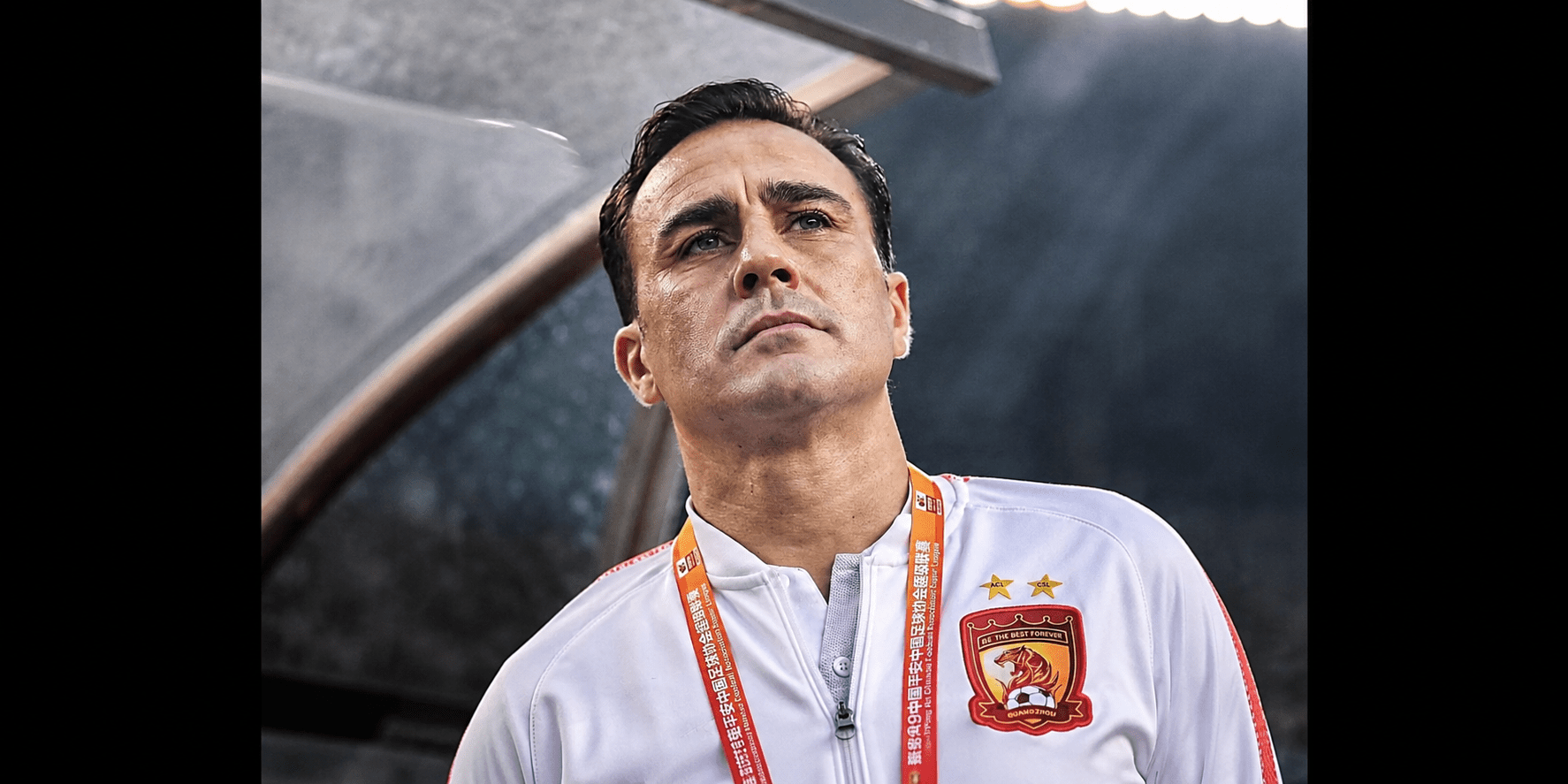
Uzbekistan’s World Cup-winning coach, Fabio Cannavaro
If Khusanov is in need of advice on how to guide a team to glory from the center of defense, he need look no further than his coach, Fabio Cannavaro, who lifted the 2006 World Cup for Italy.
And he will need to be at his best. Uzbekistan open against Colombia in Mexico City on June 17. Colombia, ranked 13th in the world and narrowly beaten finalists at the last Copa America, will arrive with one of the most fervent traveling supports in the tournament. With Luis Diaz, James Rodriguez and a squad accustomed to high-pressure football, they are strong favorites. For Uzbekistan, anything from the game would be a major result.
Six days later comes Portugal in Houston. Ranked fifth in the world, Portugal have a squad bristling with stars and are widely expected to win the group. For many Uzbek fans, the game carries a simpler appeal: the chance to see their country face Cristiano Ronaldo, now 41 and likely playing at his final World Cup. Whether he starts remains part of the pre-tournament debate after a series of high-profile misses in warm-up games. Uzbekistan will hope that if Ronaldo does play, his misfiring continues.
The most realistic opportunity comes in the final group match against DR Congo in Atlanta on June 27. That is not to suggest it will be easy. DR Congo have their own story of return, having reached the tournament for the first time since 1974, when they played as Zaire. They also have a squad drawn from competitive European leagues and enough athleticism to trouble any side. But on paper, this is the match Uzbekistan will have circled as their best chance of a first World Cup win.
With 32 teams progressing from 48, third place may be enough. If Uzbekistan can beat DR Congo and avoid heavy defeats against Colombia and Portugal, they may still have a path to the knockout rounds. If they can also scrape a draw from one of their first two games, the dream becomes much more tangible.
Even so, Tashkent has not exactly been overcome by World Cup fever – although perhaps this is due to scheduling. Uzbek fans still have almost a week to wait before their own team appears, and while the Colombia game takes place on Wednesday evening for the players in Mexico City, viewers back home will be watching at 7 a.m. over breakfast the following morning. The Portugal match is kinder, with a 10 p.m. kickoff in Tashkent. The likely decisive final group game against DR Congo, however, will test national devotion: only the hardcore will be setting alarms for 4:30 a.m.
Fortunately, given the international nature of North America, there will be a home-away-from-home element to the tournament. The Uzbek community in the United States is not vast by American standards, but it is established, especially around New York, Philadelphia, Chicago and parts of Texas and California. Many are expected to travel, particularly for the games in Houston and Atlanta. For a diaspora often associated with restaurants, trucking, small businesses and family networks, this World Cup offers a rare public moment of collective visibility.
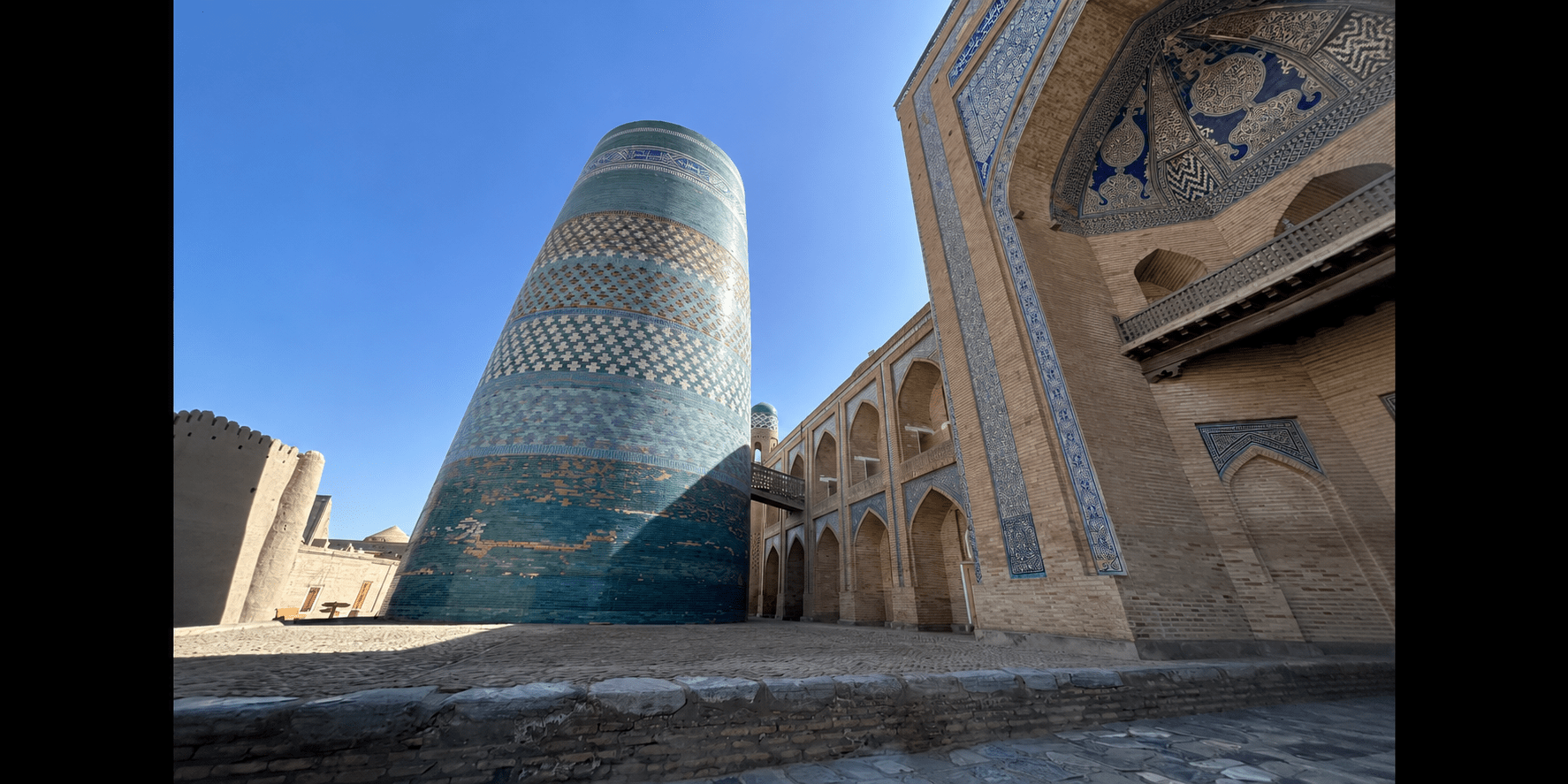
The World Cup gives Uzbekistan the chance to move beyond Silk Road stereotypes. Image: Joe Luc Barnes.
That is where the soft-power question becomes interesting. Uzbekistan’s government has spent years trying to project a more open, outward-facing image: through tourism campaigns, cultural diplomacy, regional connectivity and international events. But a competitive performance at the World Cup would put Uzbekistan before audiences that may know little about the country beyond old Silk Road clichés, if that.
There is a danger of asking too much from one team. Uzbekistan are debutants and outsiders in a difficult group. They may play well and still go home early. But for Central Asia, the breakthrough has already happened. In footballing terms, the region is no longer on the outside looking in.
Uzbekistan Fixtures
Wednesday, June 17
Uzbekistan vs. Colombia, Mexico City, Mexico
(June 18, 7 am Tashkent time)
Tuesday, June 23
Portugal vs. Uzbekistan, Houston, USA
(June 23, 10 pm Tashkent time)
Saturday, June 27
DR Congo vs. Uzbekistan, Atlanta, USA
(June 28, 4.30 am Tashkent time)