Central Asia’s water politics are moving beyond Soviet-era quotas. As glaciers in the Tien Shan retreat and climate pressure increases, river management has become a question of energy security, food production, and regional stability.
The Soviet-era system of river-water allocation has reached its limits, forcing Central Asian states to look beyond traditional negotiations and toward joint ownership of strategic water infrastructure.
Even as regional governments learn to cooperate more closely, a new challenge is emerging on Central Asia’s southern frontier, one that could disrupt the region’s hydrological balance.
The Illusion of Control
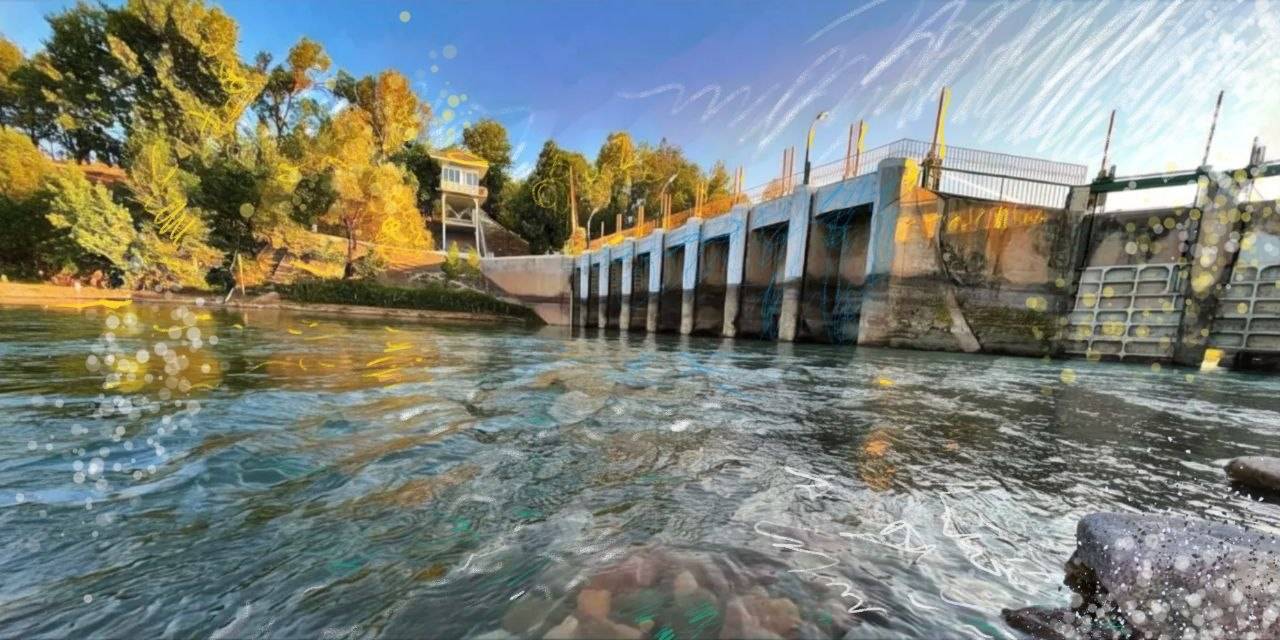
Formally, Central Asia’s water resources are governed through a network of interstate institutions. The principal mechanisms are the Interstate Commission for Water Coordination (ICWC) and the International Fund for Saving the Aral Sea (IFAS).
On paper, the system appears effective. Twice a year, ahead of the spring-summer irrigation season and the autumn-winter period, representatives of the region’s countries meet to approve water-withdrawal quotas from the Syr Darya and Amu Darya river basins. At the end of 2025, for example, officials meeting in Ashgabat agreed on water allocations for 2026, setting total withdrawals from the Amu Darya at nearly 55.4 billion cubic meters.
This framework has helped prevent open interstate conflicts by providing a permanent forum for dialogue. However, its foundation remains the 1992 Almaty Agreement, which essentially preserved a Soviet-era quota system designed for a single centrally planned state rather than a group of independent countries with competing interests.
The greatest weakness of the system is the absence of any meaningful enforcement mechanism. If one country exceeds its agreed allocation during a drought year, there are no legal or economic penalties. Disputes are instead resolved through emergency negotiations between ministries or, in some cases, direct interventions by heads of state.
A system dependent on political goodwill and personal relationships is increasingly fragile in an era of climate stress.
Turning Water Disputes Into Joint Investments
As the quota system shows signs of strain, Central Asian countries have begun experimenting with a more pragmatic approach: shared ownership of infrastructure.
The central paradox of the Syr Darya basin is that upstream and downstream countries need water at different times of the year. Kyrgyzstan and Tajikistan, which control the river’s headwaters, require releases in the winter to generate electricity and heat their cities. Kazakhstan and Uzbekistan, meanwhile, need that same water in summer to irrigate millions of hectares of farmland.
Winter releases often flow downstream when demand is low, while shortages emerge during the peak agricultural season.
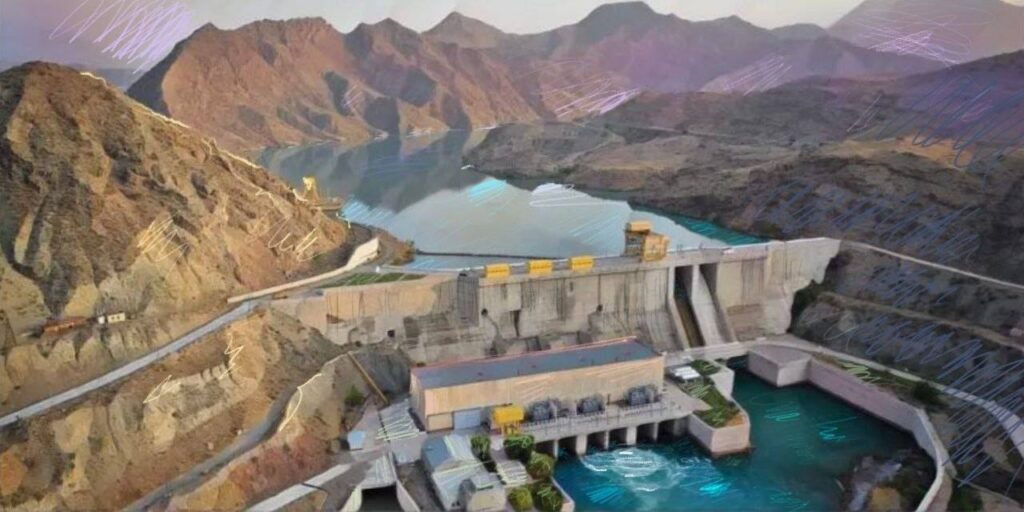
The proposed solution is the Kambarata-1 hydropower plant on Kyrgyzstan’s Naryn River, a project now estimated to cost around $4.2 billion.
What makes the project unusual is its ownership structure. Under a 2024 agreement, Kyrgyzstan will hold a 34% stake, while Kazakhstan and Uzbekistan will each own 33%.
By investing billions of dollars in infrastructure located outside their territory, Kazakhstan and Uzbekistan are effectively purchasing seats at the decision-making table. As shareholders, they gain a direct role in determining reservoir operations, helping ensure water is stored during winter and released according to agricultural needs in summer.
For Kyrgyzstan, the project promises greater energy independence. For downstream states, it offers more predictable water management.
In that sense, economic incentives may prove more reliable than traditional intergovernmental agreements.
The Qosh Tepa Canal and the Domino Effect
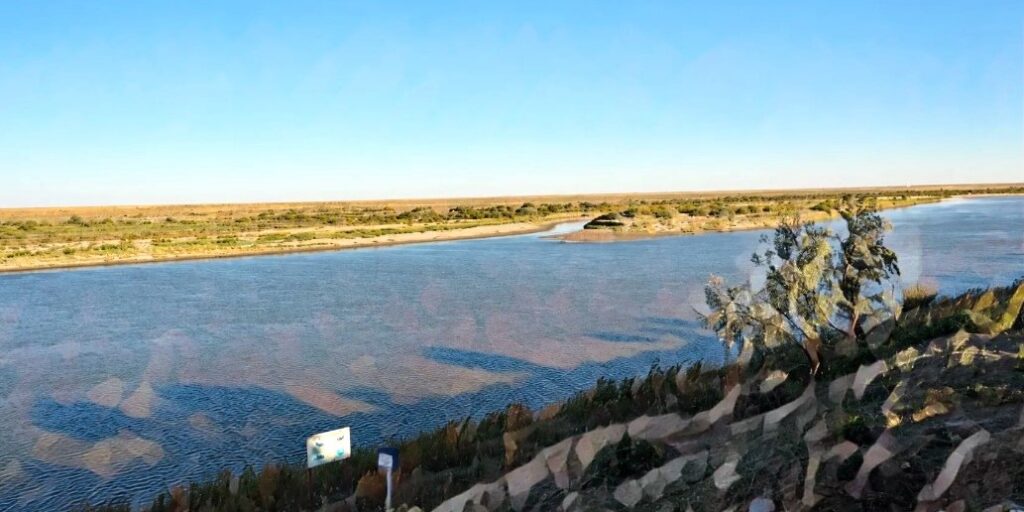
While Central Asian states are developing new models of cooperation on the Syr Darya, a potentially far greater challenge is emerging in the Amu Darya basin.
The Taliban authorities in Afghanistan are pressing ahead with construction of the massive Qosh Tepa Canal in the country’s north. Stretching 285 kilometers and measuring roughly 100 meters in width, the canal could divert as much as 25% to 30% of the Amu Darya’s total flow, according to some estimates.
The problem is not only the scale of the project, but its construction methods.
Because Afghanistan remains largely isolated from international financial institutions such as the World Bank and the Asian Development Bank, the canal is being financed primarily through domestic revenues. To reduce costs, large sections are being excavated through sandy terrain without concrete lining, increasing the risk of substantial water losses through seepage.
At first glance, Kazakhstan may appear distant from the issue, with Uzbekistan and Turkmenistan likely to bear the immediate impact. Yet because Central Asia’s hydrological system functions as an interconnected network, the consequences could ripple across the region.
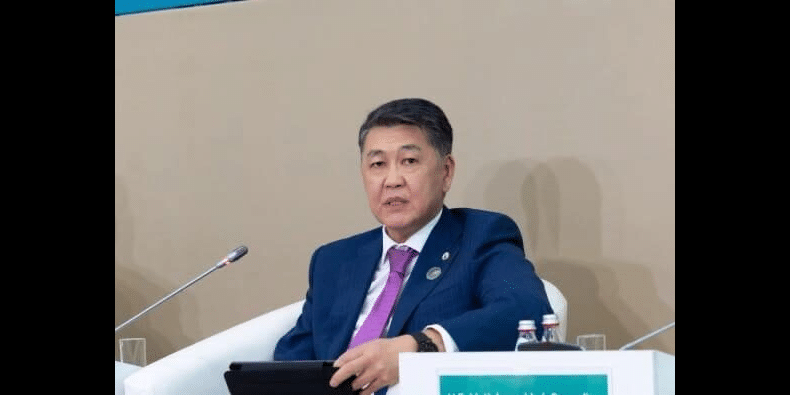
Faced with reduced water availability from the Amu Darya, Uzbekistan could seek to compensate by increasing withdrawals from the Syr Darya basin. Kazakh political figure Azamatkhan Amirtayev has warned that this could reduce water flows into Kazakhstan by as much as 30% to 40%.
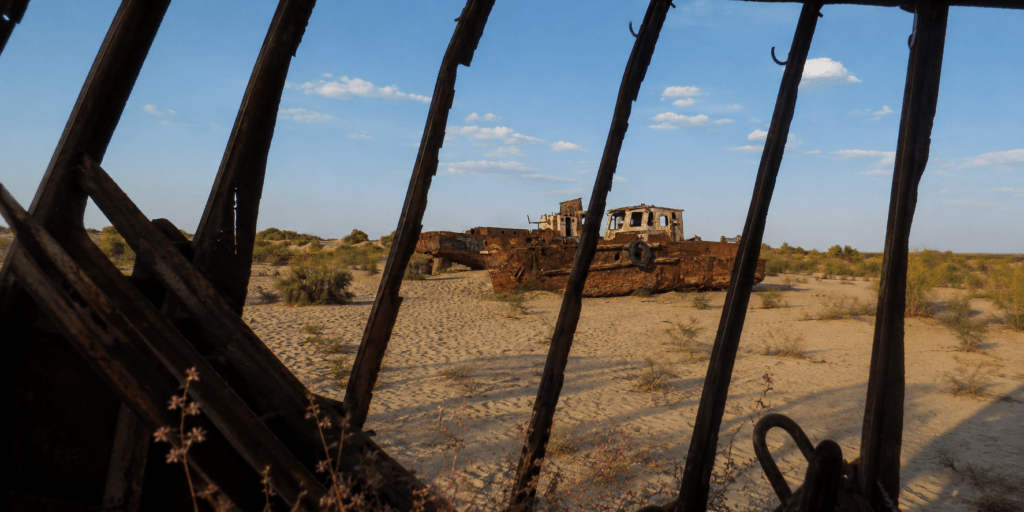
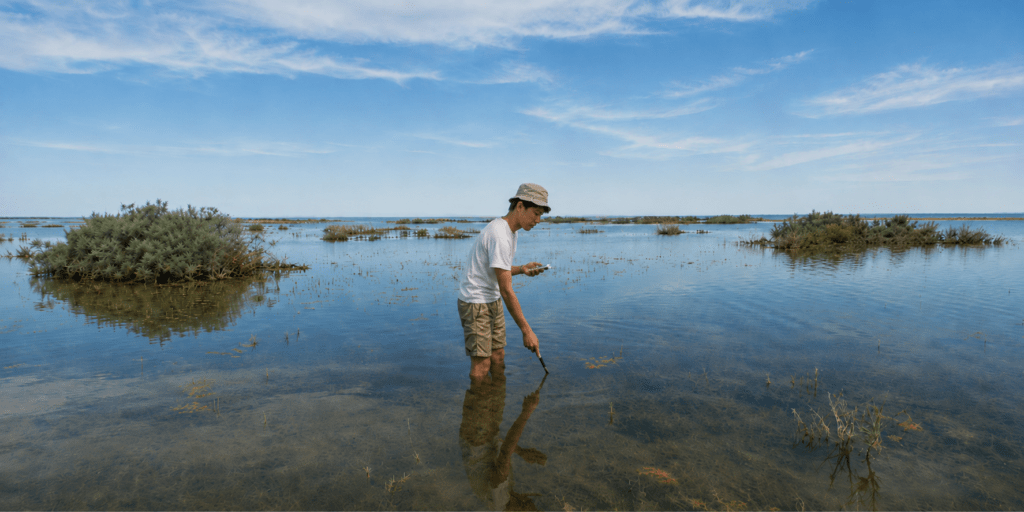
The effects could fall hardest on rice farmers in Kazakhstan’s Kyzylorda Region, agricultural producers in Turkistan Region, and the fragile recovery of the North Aral Sea.
Searching for a New Framework
Afghanistan presents a particularly difficult challenge because it lies outside the existing regional water-management framework. Kabul has not signed the Convention on the Protection and Use of Transboundary Watercourses and International Lakes and is not bound by ICWC allocation quotas.
Recognizing the risks, Uzbekistan, likely to be the first country directly affected, offered assistance to Afghanistan in the spring of 2026, proposing support for engineering work and concrete lining of the Qosh Tepa Canal to reduce water losses and improve efficiency.
Today, Central Asia’s water-security architecture is being pulled in two directions. The region is moving toward a more pragmatic model, with stability built through joint investment and shared ownership of strategic infrastructure. Yet it remains vulnerable to external shocks that lie beyond its control.
The shift from quotas to investment-driven cooperation also creates a new challenge: ensuring that multibillion-dollar agreements are respected and enforced.
For that reason, Kazakhstan has proposed creating a Specialized International Water Organization under the auspices of the United Nations. As water management becomes more closely tied to infrastructure finance and regional security, Kazakhstan argues that a neutral international body could help strengthen cooperation over this most vital resource.