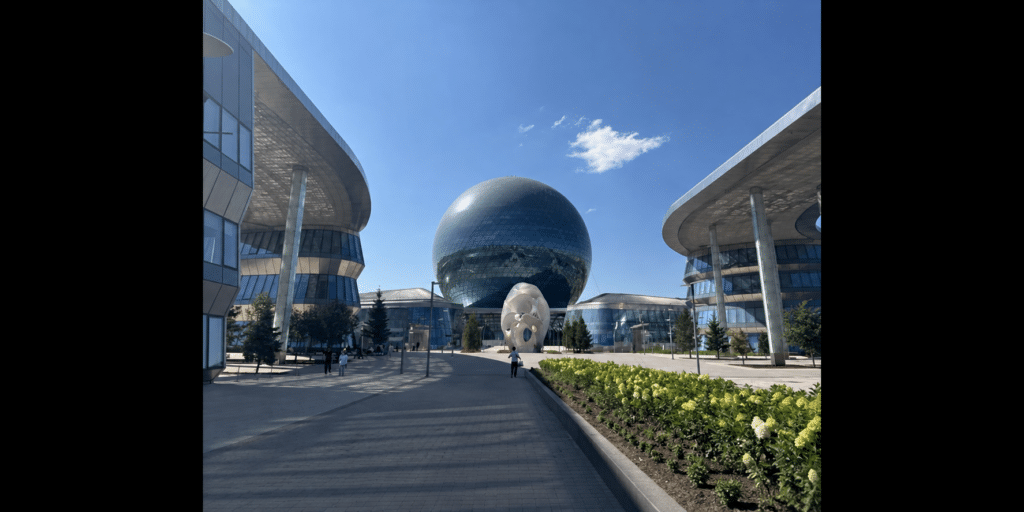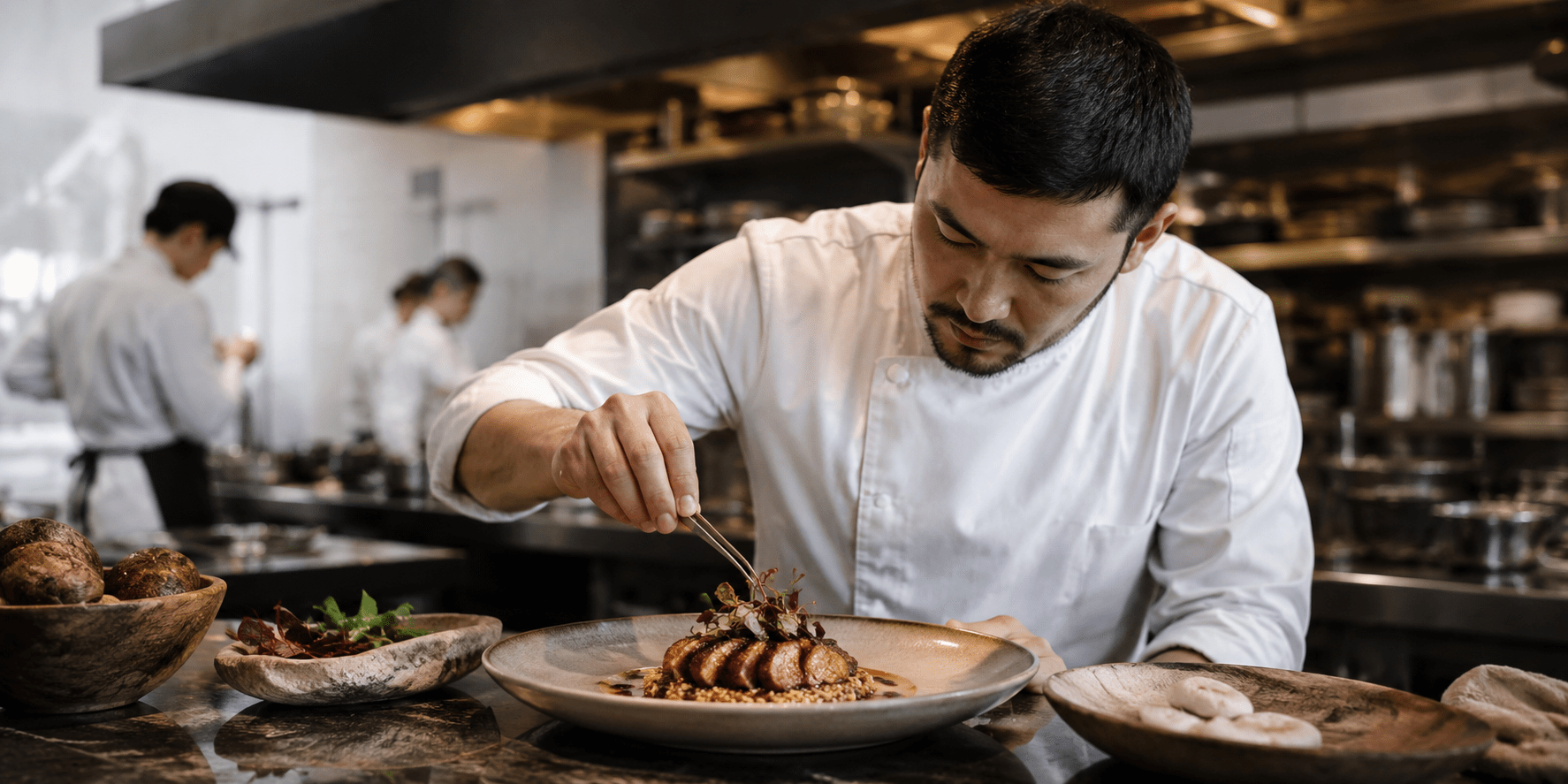
Almaty is trying to turn its restaurant scene into part of its international tourism brand. The city administration has announced cooperation with Gault&Millau, the French restaurant guide that evaluates restaurants, chefs, hotels, and hospitality culture in multiple countries. The partnership gives the city a new external platform, while also raising a public-spending question.
The Almaty authorities described the cooperation as the first time a guide of this level had entered the Central Asian market. The tourism department said the partnership would open Almaty to a global audience of gastronomic tourists and strengthen the city’s position on the international tourism map. “For Almaty, this is a landmark event of international scale,” the department said.
The public-spending side emerged in the contract details cited by local media. The project was identified as a 234 million tenge (about $478,000) contract between the city’s tourism department and SA GAULTMILLAU for services to promote Almaty’s tourism and gastronomic potential on the Gault&Millau platform. The terms cited by local media said the guide would inspect 150 restaurants and 25 hotels in Almaty. At least 100 restaurants are to receive ratings, while hotels would be published or recommended on Gault&Millau platforms and in printed materials. The agreement also provides for an English-language guide and a gala event for the restaurant industry.
Gault&Millau’s arrival gives Almaty a recognized international format for measuring restaurants and hotels. The value of the project will depend less on the gala and more on whether the ratings are seen as credible, whether restaurants use the process to improve service and consistency, and whether tourists respond.
Gault&Millau describes itself as an international gastronomy guide and media brand covering restaurants, chefs, hotels, and culinary culture across multiple countries. In fine dining, it is often mentioned alongside the Michelin Guide and The World’s 50 Best Restaurants, though each system works differently and carries different weight in different markets.
For Almaty, the appeal is clear. The city already sells itself through mountains, parks, Soviet-era modernist landmarks, coffee shops, nightlife, and food. Its official tourism website says Almaty has more than 3,810 restaurants, cafes, coffee shops, snack bars, and street-food outlets. It also highlights national cuisine, fine dining, bars, wine venues, street food, restaurants with a view, and vegetarian options.
The city has been building this pitch for more than a year. In 2025, the Almaty Tourism Bureau presented an official gastronomic guide with more than 140 venues and themed routes, including traditional Kazakh cuisine, multicultural dining, street food, bars, Art&Eat, and a “Mountains and Gastronomy” route. The idea was to show food as part of a wider Almaty experience, rather than as a narrow list of premium restaurants.
The international audience was already starting to notice. In 2024, The Times of Central Asia reported that The New York Times had placed Almaty 25th on its list of 52 places to visit, citing its nature, urban life, coffee culture, markets, and growing interest in gastro-tourism.
The Gault&Millau project also places Almaty in competition with Astana. The capital signed its own cooperation agreement with Gault&Millau in May 2026. Under that project, inspectors are expected to evaluate more than 150 restaurants and more than 25 hotels in Astana, giving selected venues the chance to enter the guide.
The two cities are selling different versions of Kazakhstan’s food scene. Astana can use its capital status, new hotels, premium venues, and state-backed event calendar. Almaty has a more established urban restaurant culture, with coffee shops, bars, street food, chef-led venues, Soviet-era neighborhood cafes, and cuisines shaped by Kazakh, Uyghur, Korean, Uzbek, European, and other influences.
That breadth is Almaty’s strongest argument. Modern culinary tourism is not built only around expensive tasting menus. Travelers look for a full city experience: breakfast near the mountains, a market visit, a modern Kazakh lunch, coffee in the center, dinner in a chef-led restaurant, and a late drink in a busy bar. Almaty can credibly offer that mix.
The risk is that international rankings can produce a short burst of publicity without changing the fundamentals. A guide can help organize attention, but it cannot create skilled service, reliable quality, trained staff, distinctive local products, or sustained tourist demand by itself. Those are slower tests for the city and its restaurant industry.
If the project works, Almaty will gain more than a place in a guide. It will have a stronger way to present its food culture to visitors and a new benchmark for local restaurants. If it becomes only a branding exercise, the city may get a glossy publication and gala, but not the durable gastronomic reputation it is trying to build.