With one of Central Asia’s youngest populations and a rapidly changing economy, Uzbekistan is betting that education – particularly digital and inclusive schooling – can determine whether demographic growth becomes an economic asset or a long-term challenge.
Officials from Uzbekistan’s Ministry of Preschool and School Education say the country’s education system is being reshaped to support a development model centered on human capital, equal opportunity, and modern skills. The reforms are anchored in the national Uzbekistan 2030 Strategy, which identifies education and human capital development as central pillars of long-term economic and social transformation.
Around 6.8 million students are enrolled in almost 11,000 general education schools across Uzbekistan, while the preschool system now includes over 38,000 institutions serving children nationwide. While access has expanded significantly over the past decade, disparities in quality – particularly between urban centers and rural regions – remain a persistent challenge.
Digital Education as a Strategic Lever
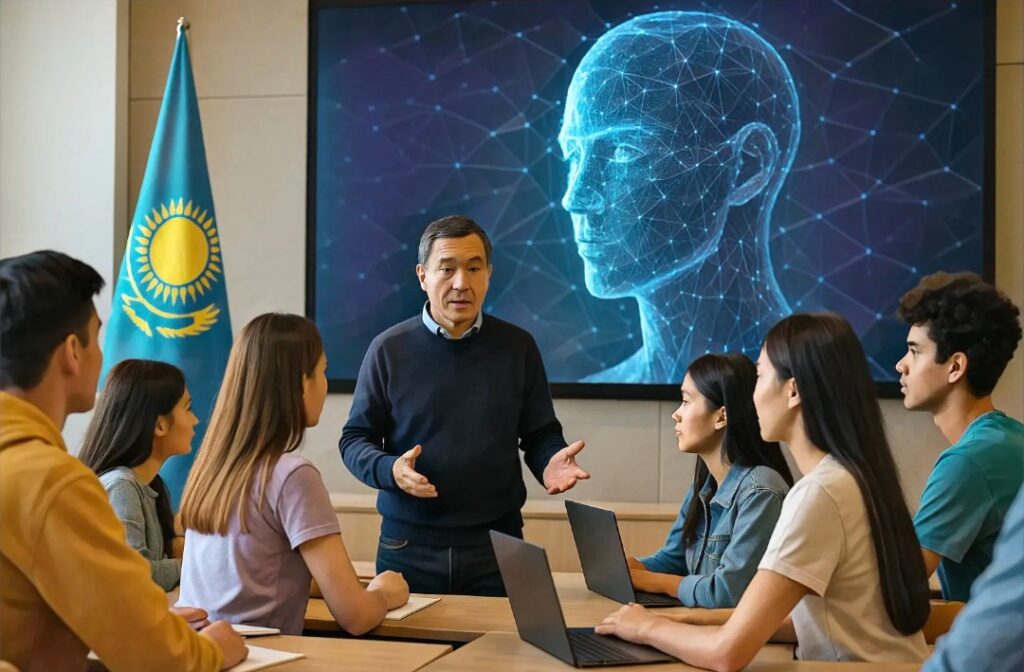
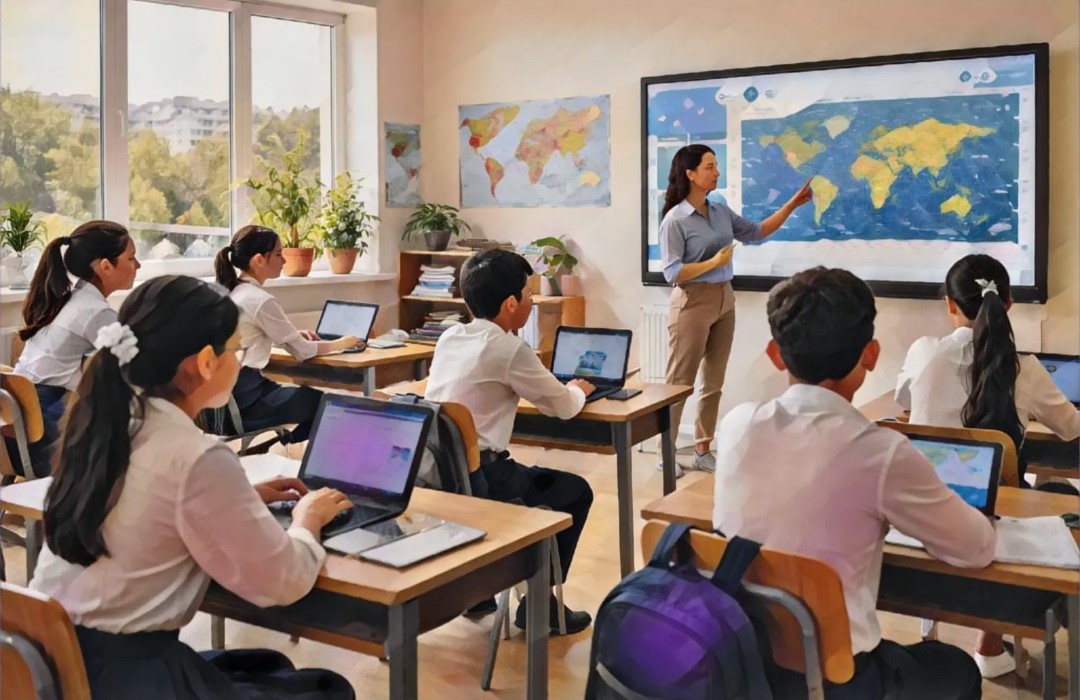
To address these gaps, the Ministry is increasingly turning to online and blended learning. Digital platforms are being used to deliver standardized educational content nationwide, offering students in remote areas access to lessons and teaching materials that were previously unavailable.
An official from the Ministry described online education as “a complementary tool rather than a replacement for traditional schooling,” emphasizing its role in supporting both students and teachers.
Pilot projects supported by UNICEF have tested inclusive digital school models that combine classroom instruction with online resources in underserved regions.
Beyond student learning, digitalization is also reshaping how the education system is managed.
Electronic education management systems now allow authorities to track attendance, learning outcomes, and regional disparities more systematically, supporting data-driven policymaking and resource allocation.
Teachers at the Center of Reform
Teacher capacity remains one of the most critical variables in the success of digital reform.
Online professional development programs, including short-format training under initiatives such as ISHONCH 2030, are being used to help teachers and school leaders adopt modern practices. Officials argue that digital tools can reduce teacher workload and support independent learning.
However, they also acknowledge that technology alone cannot solve systemic challenges without sustained investment in training, infrastructure, and long-term support.
Aligning with Global Development Priorities
Uzbekistan’s education reforms broadly align with findings from World Bank analytical work on human capital and growth, which highlights education quality, digital skills, and reduced regional inequality as long-term priorities. The report highlights the importance of digital skills, reduced regional inequality, and closer alignment between education systems and labor market needs.
The Ministry says these priorities are increasingly embedded in national policy. Cooperation with international partners – including the World Bank, UNICEF, the Global Partnership for Education, and the European Union – supports curriculum reform, digital infrastructure expansion, and efforts to narrow regional gaps in learning outcomes.
Education and skills development were also highlighted as core priorities at the 2024 Country Platform meeting, reinforcing the sector’s strategic importance within the broader Uzbekistan 2030 agenda.
The Road to 2030
By the end of the decade, the Ministry of Preschool and School Education aims to introduce a nationwide “digital school” model. The vision includes stable internet access in all schools, electronic grading systems, and unified digital platforms connecting students, teachers, and administrators.
Future curricula are expected to place greater emphasis on critical thinking, digital literacy, environmental awareness, and skills relevant to a green and digital economy.
Reducing disparities between urban and rural schools – and ensuring full access for vulnerable and disabled children – remains a central objective.
While implementation challenges persist, particularly in infrastructure and teacher capacity, officials stress that education reform is a long-term investment rather than a quick policy win.
As Uzbekistan navigates economic transition and demographic pressure, the effectiveness of its preschool and school education reforms may prove decisive – not only for individual students, but for the country’s development trajectory over the next decade.