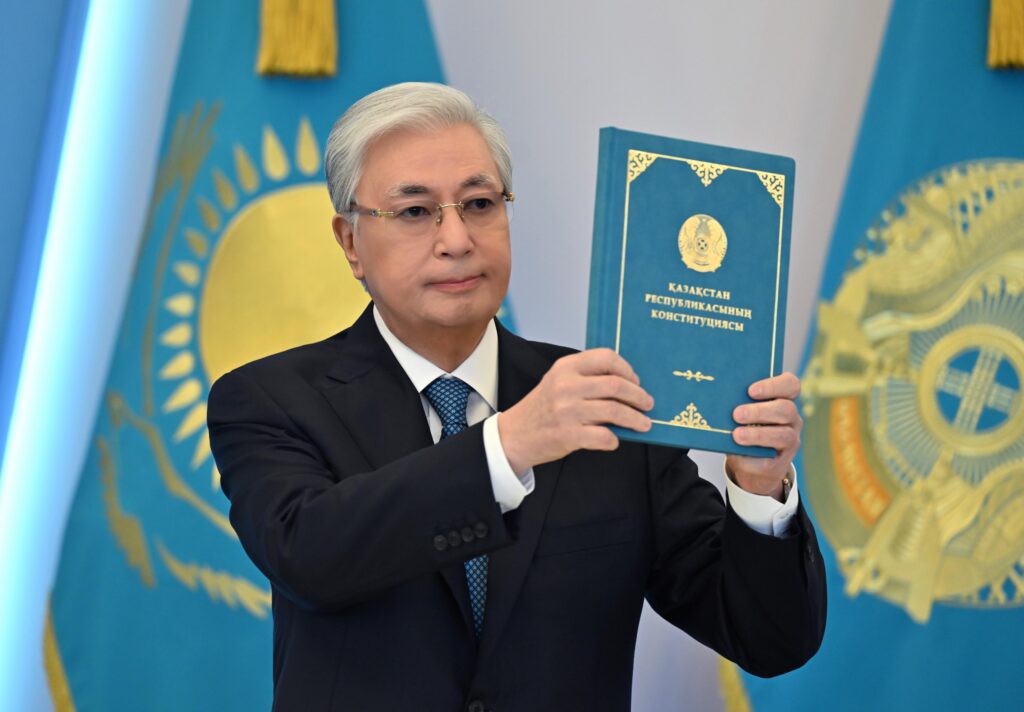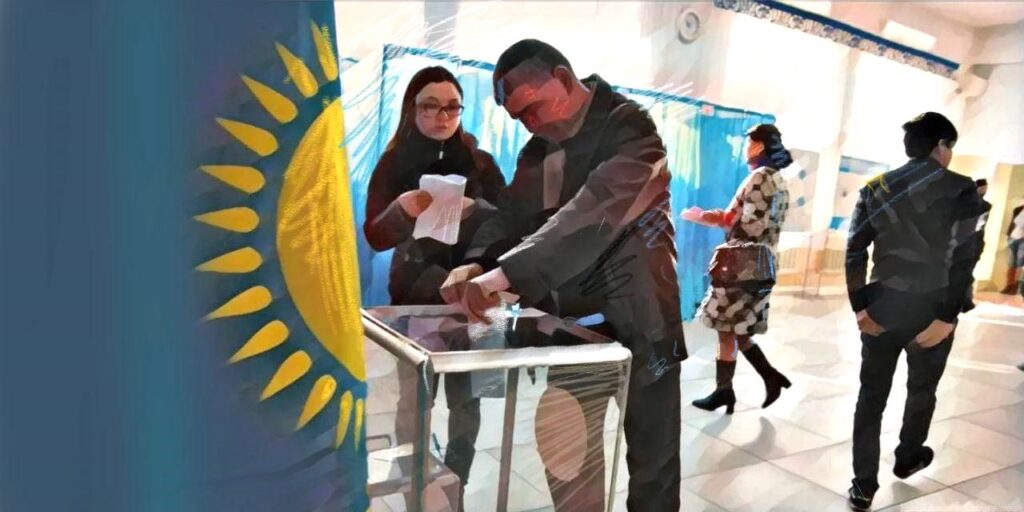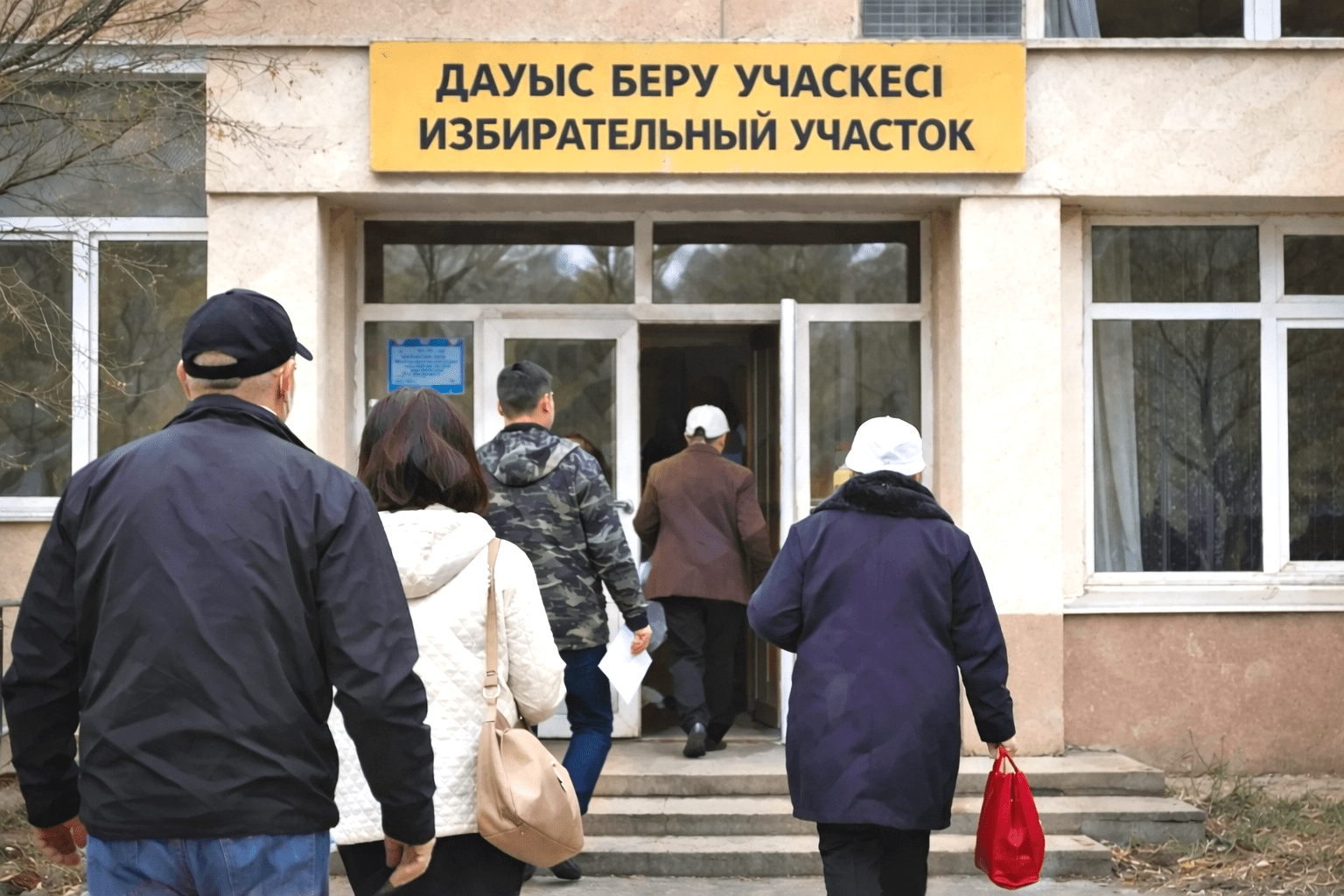
On March 15, citizens will vote in a nationwide referendum on sweeping constitutional amendments that could significantly reshape Kazakhstan’s political system.
Kazakhstan’s Constitution has undergone periodic revision since independence, with changes adopted in 1998, 2007, 2011, 2017, 2019, and most recently in 2022, when 56 amendments to the basic law were approved in a national referendum. According to official statements, the proposed draft would affect about 84% of the Constitution, making it the most extensive revision in the country’s modern history. President Kassym-Jomart Tokayev has described the proposed document as “essentially a new Constitution.”
At the same time, the draft retains several core principles. Kazakhstan would continue to be defined as a secular, democratic, unitary state, with the people recognized as the sole source of state power. Attempts to overthrow the constitutional order would remain punishable by law.
The draft also proposes the creation of a new representative body, the Kurultai, which would replace the current bicameral parliament, consisting of the Mazhilis (lower house) and the Senate (upper house), with a unicameral legislature.
The scale of the proposed reforms has generated significant public attention. The draft Constitution has been widely debated, and the referendum campaign has been accompanied by a large-scale public information effort. Supporters argue that the changes could streamline governance and modernize political institutions, while critics have raised concerns about the concentration of authority and the pace of reform.
Rights and Freedoms
The current Constitution states that human rights and freedoms must not infringe on the rights of others, the constitutional order, or public morality. The new draft expands this provision, specifying that the exercise of rights and freedoms must not violate the rights or restrict the freedoms of other individuals, undermine the constitutional order, disrupt public order, threaten public health, or contradict societal morality.
The document continues to guarantee freedom of speech and prohibit censorship, stating, “Freedom of speech and scientific, technical, and artistic creativity is guaranteed.” It also introduces an additional clause stipulating that the dissemination of information must not infringe upon the honor and dignity of others, public health, or public order.
The list of prohibited forms of propaganda is also broadened. It includes advocacy for violent changes to the constitutional order, violations of territorial integrity and sovereignty, threats to national security, incitement to war or armed conflict, and the promotion of social, racial, national, ethnic, or religious superiority or discord, as well as the glorification of cruelty and violence.
Supporters of the draft say these provisions are intended to strengthen social stability and national security. However, some observers note that broader restrictions linked to public order or morality may raise questions about how such norms would be interpreted and applied in practice.
In family law, the draft specifies that marriage is defined as a voluntary and equal union between a man and a woman, registered by the state in accordance with the law.
President and Vice President
Proposed changes to the structure of executive power have been among the most widely discussed aspects of the reform. The draft retains the rule that the president is elected for a single seven-year term. It also provides that, with the consent of the Kurultai, the president would appoint ten judges to the Constitutional Court for eight-year terms, six members of the Central Election Commission for five-year terms, and eight members of the Supreme Audit Chamber for five-year terms. If the Kurultai twice refuses to approve these appointments, the president would have the authority to dissolve the legislature.
The draft reintroduces the post of vice president, which existed between 1991 and 1996, and was held by Yerik Asanbayev before being abolished. Under the proposed amendments, the vice president would be appointed by the president with the consent of the Kurultai.
The vice president’s anticipated duties include representing the country abroad on behalf of the president, serving as the president’s representative in relations with the Kurultai, the government, and other state bodies, and maintaining contacts with public, scientific, and cultural organizations both domestically and internationally.
If the Kurultai twice refuses to approve the vice-presidential appointment, the president would again have the right to dissolve it. Proponents argue that the measure could help prevent institutional deadlock, while critics warn it may further strengthen presidential leverage over the legislature.
The reintroduction of the vice presidency would also alter the constitutional succession procedure. Currently, if the president leaves office early, his duties are assumed by the chair of the Senate, followed by the chair of the Mazhilis, and then the prime minister. Under the draft, presidential powers would first pass to the vice president. If the vice president is unable to assume the role, authority would transfer to the chair of the Kurultai and subsequently to the prime minister.
Unicameral Parliament
Legislative authority in Kazakhstan is currently vested in a bicameral parliament comprising the Senate and the Mazhilis. If the amendments are approved, these chambers would be replaced by the Kurultai, a term historically used for assemblies of tribes among Turkic and Mongol peoples.
President Tokayev first proposed the creation of a unicameral parliament in September 2025 and suggested the name Kurultai. The proposed body would consist of 145 deputies elected for five-year terms.
According to the draft, the Kurultai would serve as the country’s highest legislative authority, responsible for passing laws, reviewing legislation challenged by the president, deciding on matters of war and peace, calling presidential elections, and initiating referendums. It would also approve key state appointments and oversee government activity through reports and votes of no confidence, as well as establish commissions, hold hearings, and monitor budget implementation.
Supporters of the unicameral model argue that it could make the legislative process more efficient and responsive. Others caution that removing the upper chamber may reduce institutional checks within the parliamentary system.
The draft also provides for the creation of the Kazakhstani People’s Council as a consultative body representing citizens’ interests. It would be tasked with developing recommendations on major areas of domestic policy, strengthening national unity, and promoting national values. The council would also be able to submit draft legislation to the Kurultai and propose national referendums.
Correcting Accumulated Imbalances
Kazakh political analyst Daniyar Ashimbayev argues that both domestic developments and changes in the international environment are driving the push for constitutional reform.
“The 1995 Constitution was adopted during the transition to a market economy and the consolidation of independence. At that time, expectations about globalization and international law were different. Today, international legal norms are under strain, and geopolitical risks are increasing. Some provisions have become outdated and require reassessment. In this sense, the new Constitution reflects an emerging political reality,” he stated.
Ashimbayev added that modern societies face competing trends, including what he described as cosmopolitanism on the one hand, and a revival of traditionalist social models on the other. In his view, this creates a need to redefine and institutionalize balanced social principles.