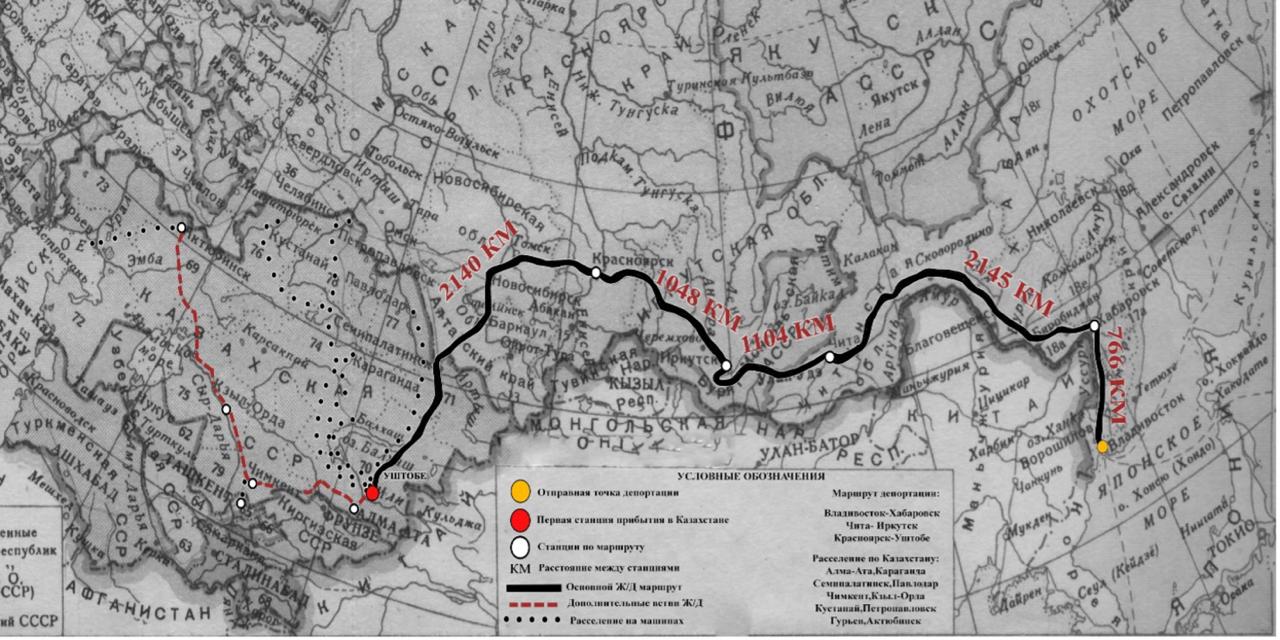
The 1937 deportation from the Soviet Far East was the greatest tragedy in the history of Soviet Koreans, Koryo-saram, the self-designation of ethnic Koreans living across the former Soviet Union. It became the first case in Soviet history in which an entire ethnic group was forcibly relocated solely on the basis of ethnicity. Later, Soviet Germans, Crimean Tatars, Chechens, Ingush, Kalmyks, Poles, Kurds, and many other peoples would endure similar repression.
For decades, this history remained largely suppressed, giving rise to numerous myths and misconceptions surrounding the deportation.
Yet it is inaccurate to claim that Koreans first appeared in Kazakhstan and Central Asia only in 1937. Historical and archaeological evidence points to earlier Korean ties with the region. The 1897 census of the Russian Empire recorded 42 Koreans living in Turkestan, while in 1929 a Korean agricultural cooperative called “Kazakh Rice” was established in Kazakhstan. Nevertheless, 1937 marked the beginning of the modern history of Koreans in Central Asia.
Myth One: The Deportation Was a Sudden Decision
One common belief is that Joseph Stalin suddenly decided to deport Koreans from the Soviet Far East as part of a campaign against Japanese espionage.
Reality
In fact, plans to relocate Koreans had been discussed since the late 1920s. The Politburo of the Soviet Communist Party repeatedly revisited the issue of the Korean population living in border regions. The joint decree issued by the Soviet government and Communist Party on August 21, 1937 (No. 1428-326ss), was the culmination of a long-term state policy.
By the mid-1930s, the Soviet Far East was increasingly viewed as a vulnerable frontier zone. Japan had expanded its military presence in the region, and Soviet authorities feared a possible war. Koreans living in compact settlements near the border, while maintaining cultural and family ties with Korea, came to be regarded as politically unreliable. Ironically, many of them had originally fled to Russia precisely to escape Japanese colonial rule in Korea.
Myth Two: The Deportation Was Entirely About Japanese Espionage
Officially, Soviet authorities justified the deportation as a measure aimed at preventing Japanese espionage.
Reality
The espionage threat served more as a pretext than the principal cause. During the years of the Great Terror, Stalin’s regime perceived danger not only in individuals, but also in entire social and ethnic groups. Suspicion replaced evidence, and ethnic origin itself could become grounds for repression.
Local officials sought to demonstrate political vigilance, while the state simultaneously pursued broader strategic and economic goals: strengthening military control in the Far East and redirecting labor resources to Kazakhstan and Central Asia, regions devastated by collectivization and famine.
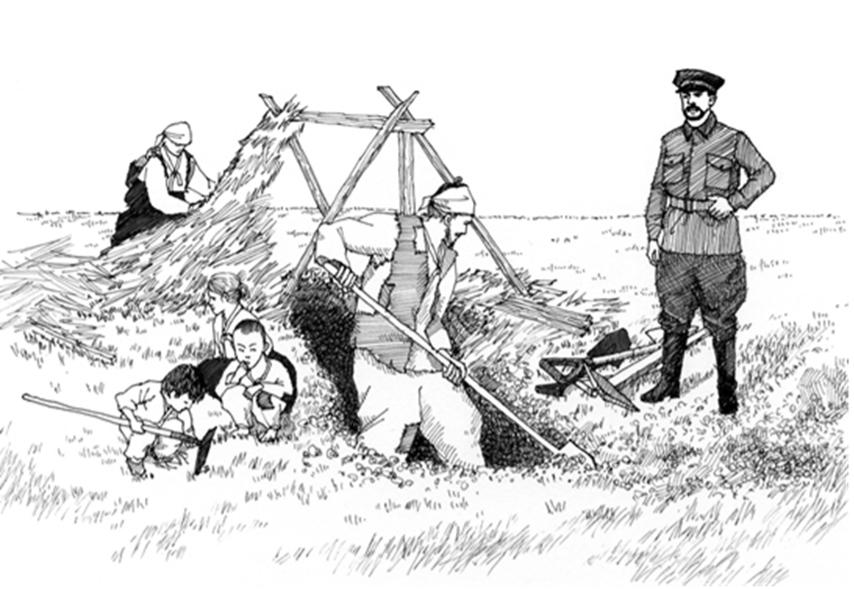
Museum of the History of Russian Koreans (Koryo-saram) in Ussuriysk.
Myth Three: The Operation Was Chaotic
For many deported families, the expulsion felt like a sudden catastrophe, creating the impression of disorder and improvisation.
Reality
At the state level, however, the operation was carefully organized. Before the deportation, party purges and political repression had already targeted the Korean intelligentsia. Soviet authorities fabricated cases involving alleged “spy networks” and “insurrectionary organizations.”
In the spring of 1937, Soviet newspapers actively promoted narratives about Japanese espionage, fueling an atmosphere of fear and suspicion. At the same time, officials compiled population lists, calculated the number of trains required, determined transportation routes, and designated settlement areas.
Myth Four: Koreans Were Passive Victims
Another widespread perception is that deported Koreans silently accepted their fate.
Reality
Koreans found themselves effectively stripped of their rights. Identity documents were confiscated, strict surveillance imposed, and even private remarks could be labeled anti-Soviet. Yet people did resist. NKVD records document protest conversations, attempted escapes, and acts of defiance.
Open protest was nearly impossible, so the most important forms of resistance became internal resilience, the preservation of family ties, collective memory, language, and professional skills.
Myth Five: The Soviet State Sent Koreans to Certain Death
The deportation is often portrayed as a deliberate attempt to physically exterminate the Korean population.
Reality
The deportation was unquestionably a criminal act that caused immense suffering and countless deaths. People were transported in freight wagons without adequate food or medical care, and the journey could last up to 40 days.
On October 29, 1937, NKVD chief Nikolai Yezhov reported to Stalin that the operation had been completed: 124 trains carrying 36,442 families, a total of 171,781 people, had been dispatched.
The greatest losses occurred after arrival. Koreans were unloaded in late autumn without proper housing, food supplies, or medical assistance. Children and the elderly suffered the most, and many families lost infants and young children during the first months of resettlement.
Myth Six: Kazakhstan and Uzbekistan Were Unprepared
There is sometimes an impression that local authorities in Central Asia were unaware that deportation trains were arriving.
Reality
The leaderships of Kazakhstan and Uzbekistan had received secret directives from Moscow in advance and established commissions to organize the settlement process. However, the scale of the operation and the weakness of regional infrastructure made adequate preparation virtually impossible.
By 1938, more than 18,000 Korean families had been settled in Kazakhstan, while approximately 74,000 Koreans were relocated to Uzbekistan. They were placed both in specially created collective farms and in existing agricultural and urban communities.
Myth Seven: The Deportation Ended Upon Arrival
Many assume the deportation concluded in the autumn of 1937.
Reality
In reality, the harshest period began afterward. People lived in dugouts and barracks while facing severe shortages of fuel, clothing, and food. Assistance from local populations, Kazakhs, Uzbeks, Russians, and others played a critical role in helping deportees survive.
Some Koreans continued to move within Kazakhstan and Central Asia in search of better conditions. In 1941, another wave of deportations affected Koreans living in the Astrakhan region, who were also relocated to Kazakhstan.
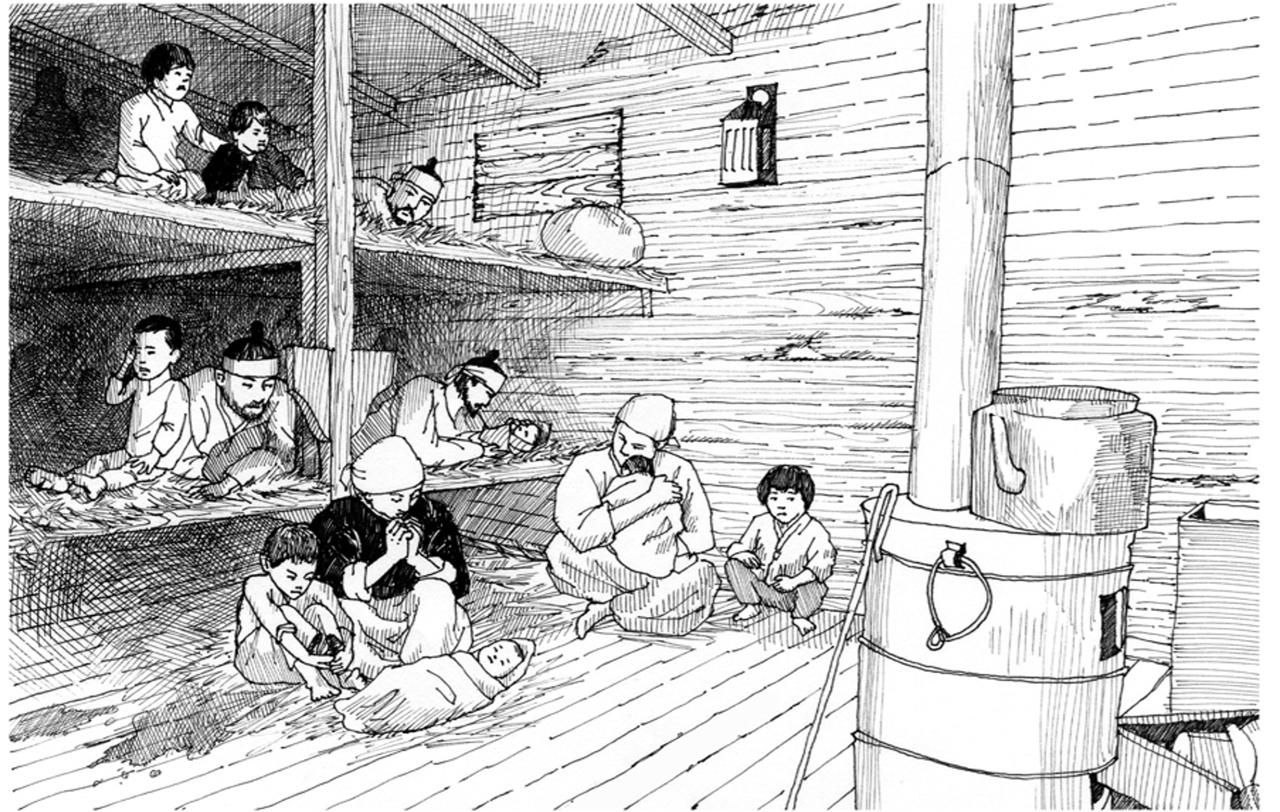
Museum of the History of Russian Koreans (Koryo-saram) in Ussuriysk.
Myth Eight: Koreans Vanished From History After Deportation
Because Soviet authorities long prohibited research into deported peoples, the impression of a historical rupture persists.
Reality
Koreans did not disappear. They rebuilt their lives under extraordinarily difficult circumstances. During World War II, many were mobilized into labor battalions and worked in mines, on construction sites, and in defense industries. Only a small number were allowed to serve on the front lines. The best-known example was Captain Alexander Min, the only ethnic Korean awarded the title Hero of the Soviet Union.
After the war, Koreans made a major contribution to the agricultural development of Kazakhstan and Uzbekistan. More than 200 Koreans became Heroes of Socialist Labor. Over time, Koreans increasingly participated in the scientific, cultural, and public life of the Central Asian republics.
Following the collapse of the Soviet Union, Koryo-saram once again faced the challenge of adapting, this time within newly independent states. Many moved to Russia, Kazakhstan, South Korea, and elsewhere, while preserving a complex and multilayered identity.
The Central Reality: A Crime of the Regime and the Resilience of a People
The deportation of Soviet Koreans was a violent state campaign based on collective punishment along ethnic lines. It formed part of the broader system of Stalinist repression, in which the state claimed the right to determine the fate of entire peoples.
But this history is not only a story of tragedy. Koreans survived, rebuilt communities and livelihoods, raised new generations, and made lasting contributions to Kazakhstan, Uzbekistan, Russia, and other countries. Decades later, they were fully rehabilitated, and Soviet repressions against them were officially declared illegal.