A new joint project is being launched by the International Labour Organization (ILO) and the European Union aimed at combating child and forced labor in Turkmenistan. Its focus is primarily on the country’s cotton sector, which has long faced criticism from human rights groups and international companies.
The ILO announced the initiative on May 13.
The program, titled Promoting Decent Work and Preventing Child and Forced Labour in Turkmenistan, is scheduled to run from 2026 to 2027 with the project’s budget estimated at approximately €2 million ($2.3 million).
The initiative will focus on three main areas: updating labor legislation, implementing international labor standards, and strengthening institutional oversight mechanisms for the protection of workers’ rights.
Organizers say the project’s ultimate goal is to prevent labor rights violations and create a more sustainable system for monitoring working conditions across the country.
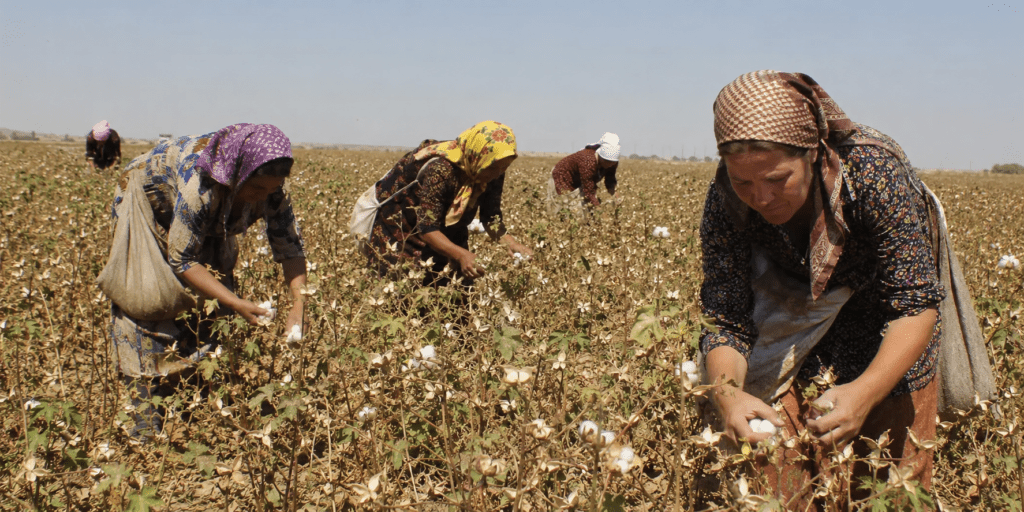
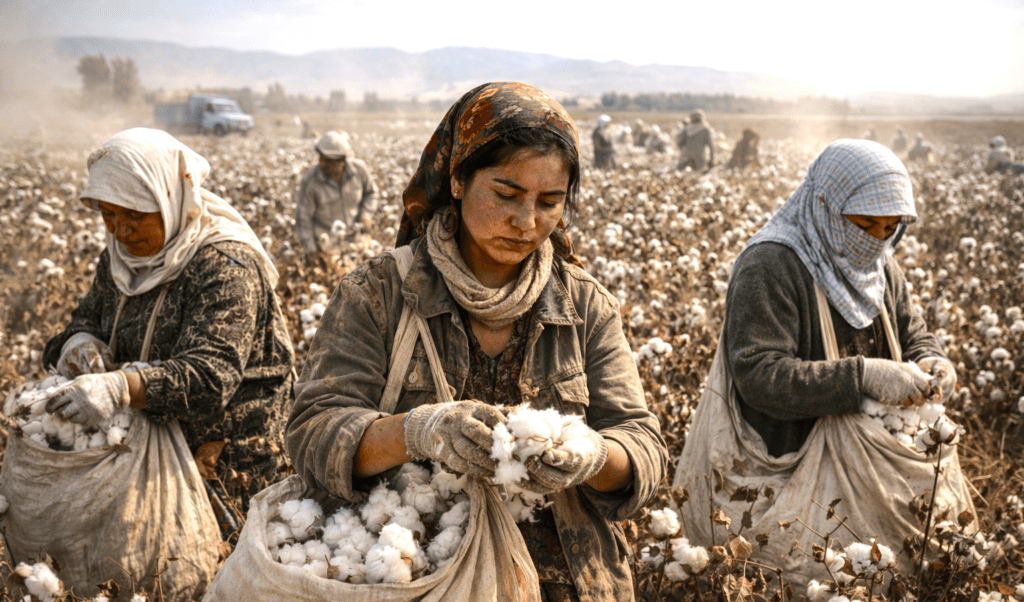
The initiative is directly linked to longstanding concerns over forced labor during Turkmenistan’s annual cotton harvest.
Human rights organizations including turkmen.news, the Turkmen Initiative for Human Rights, Progres Foundation, and the Cotton Campaign previously released a joint report alleging that Turkmen authorities have only partially fulfilled commitments to reform the sector.
According to the report, despite an official ban on child labor, minors continue to participate in cotton harvesting campaigns. Rights groups say some children assist relatives in meeting production quotas, while others work in the fields because of difficult economic conditions facing their families.
The report also alleged that teachers, medical workers, utility employees, and other public-sector staff continue to be mobilized for cotton harvesting under state direction.
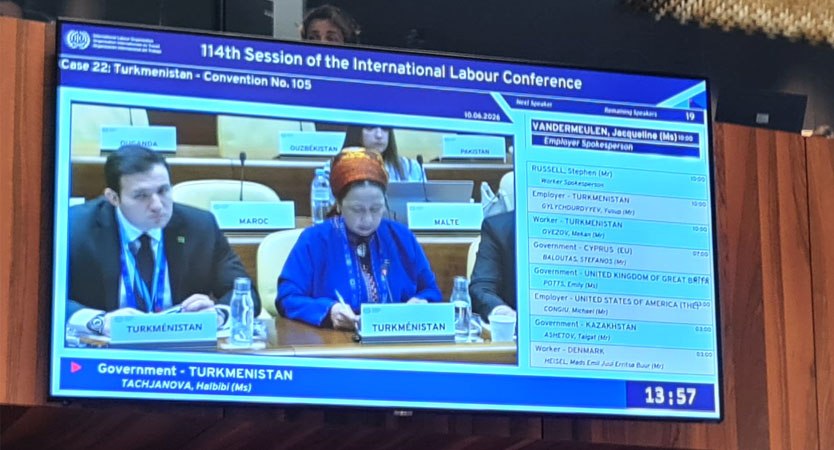
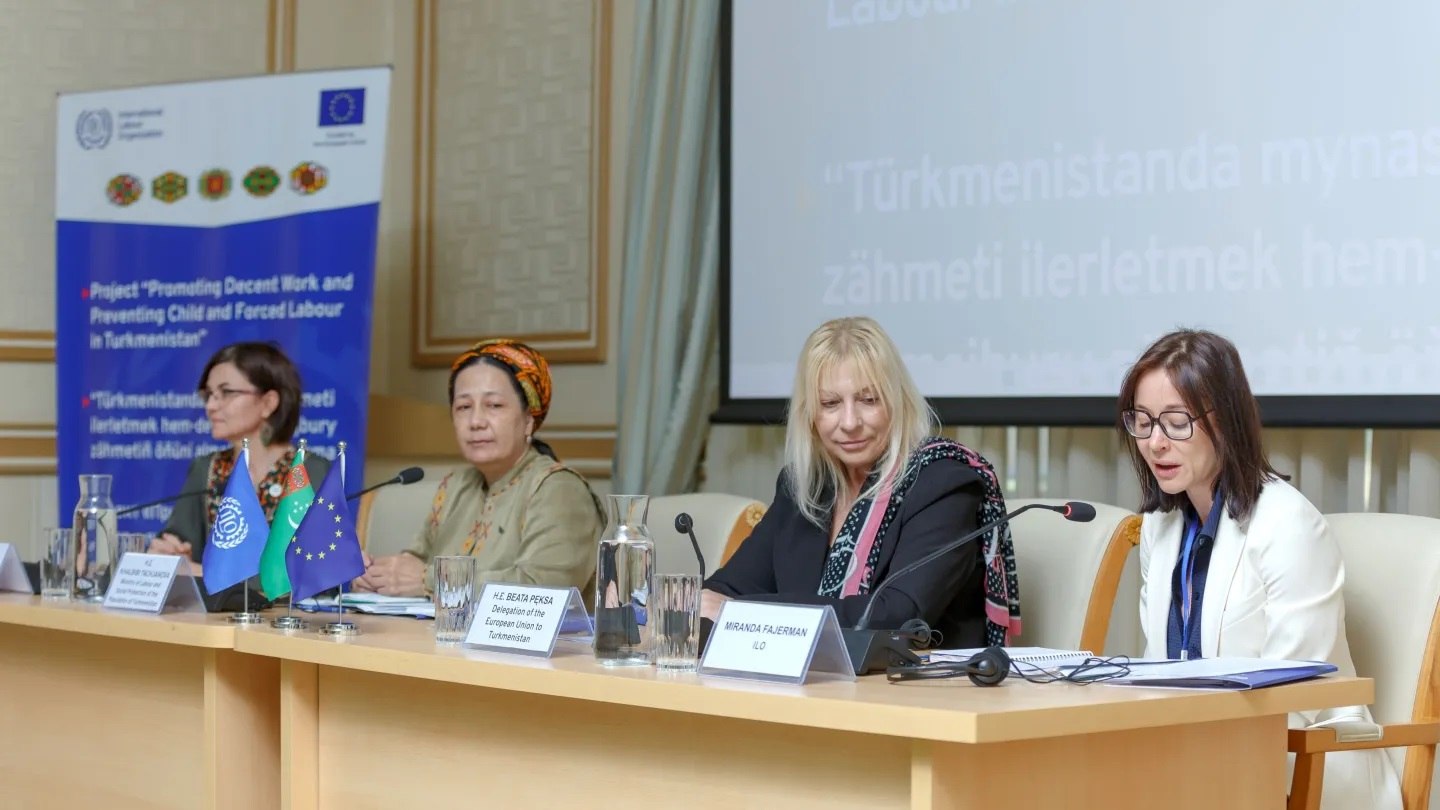
The launch of the new project was discussed during a special event in Ashgabat attended by Turkmen Deputy Labor and Social Protection Minister Halbibi Tachjanova.
“This project reflects Turkmenistan’s strong commitment to preventing child and forced labor, especially in the cotton sector, and to promoting decent working conditions,” Tachjanova said.
European Union Ambassador to Turkmenistan Beata Pexa said the initiative should contribute to protecting labor rights and supporting sustainable economic development.
However, it remains unclear whether the program will include mechanisms allowing workers subjected to forced labor to safely file complaints without fear of retaliation.
The issue carries not only social but also economic significance for Turkmenistan.
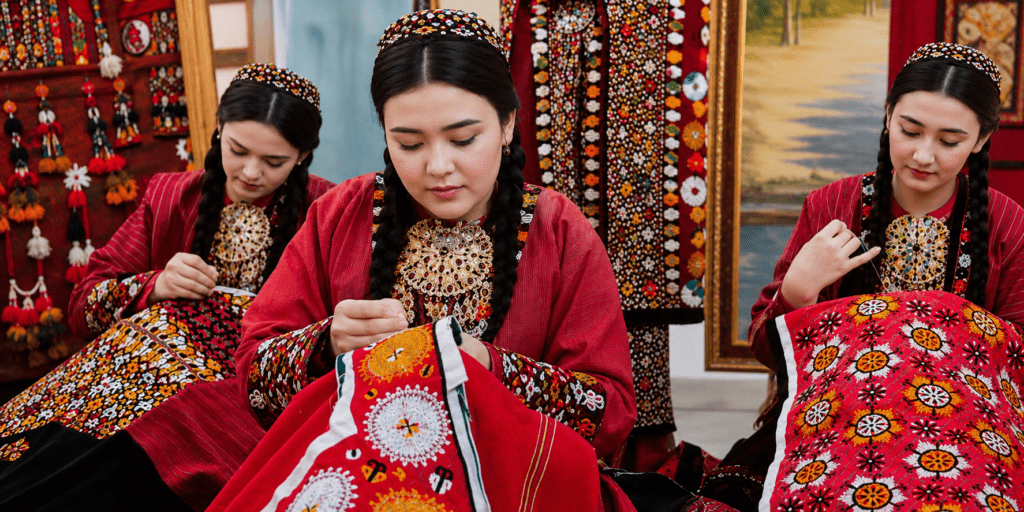
Cotton and textile products remain among the country’s key exports and an important source of foreign currency revenue. Both state authorities and private companies have been seeking to expand access to Western markets.
In May, the textile company Batly Gadam from Balkanabat held talks with British retailer Primark and signed a memorandum of cooperation with Somerbond in London.
Nevertheless, many international brands continue to avoid Turkmen textiles because of allegations involving forced labor practices.
Against this backdrop, the new ILO-EU project is being viewed not only as an effort to prevent forced labor in Turkmenistan but also as a step toward rebuilding trust with international partners and global markets.