In only four editions, the Bishkek International Film Festival has begun to look less like a young local event and more like one of Central Asia’s key meeting points for cinema. This year’s edition, held in the Kyrgyz capital, brought guests from more than 30 countries, and saw nine world premieres and a competition slate that revealed how closely filmmakers across Asia and Europe are now speaking to one another.
Alongside its three competition strands — International, Central Asian and the national KyrgyzBox section, which featured some of the country’s highest-grossing projects — the festival hosted industry events, pitching sessions and the Bars in Progress section for films at various stages of post-production. Kyrgyz audiences were also introduced to Mongolian cinema through the festival’s annual country focus.
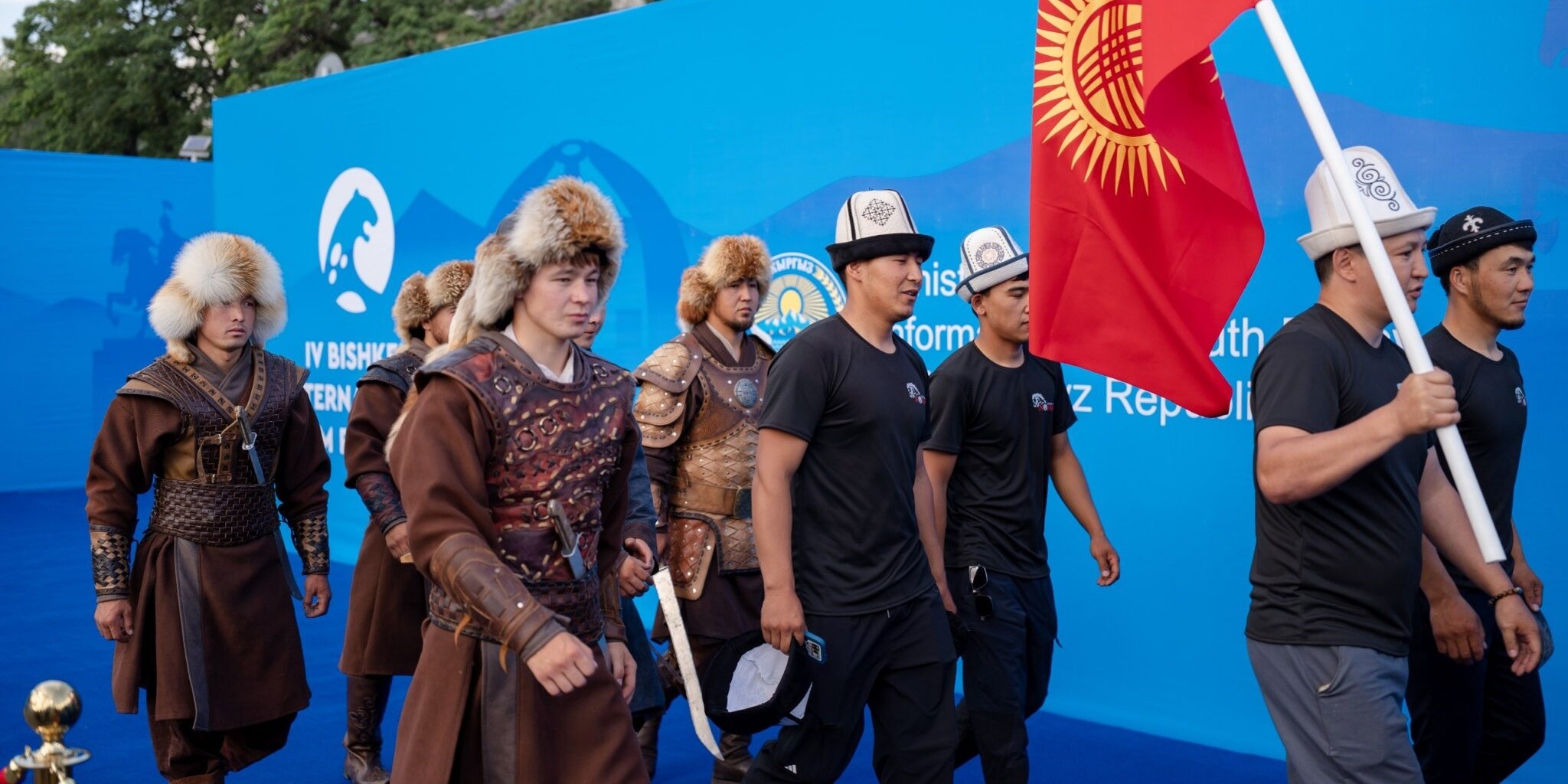
The opening ceremony took place under open skies in Bishkek’s main square, where guests were welcomed on a sky-blue carpet. The event’s growing profile has been backed by state support, with the authorities recognizing that such an event can give the local film industry a major boost.
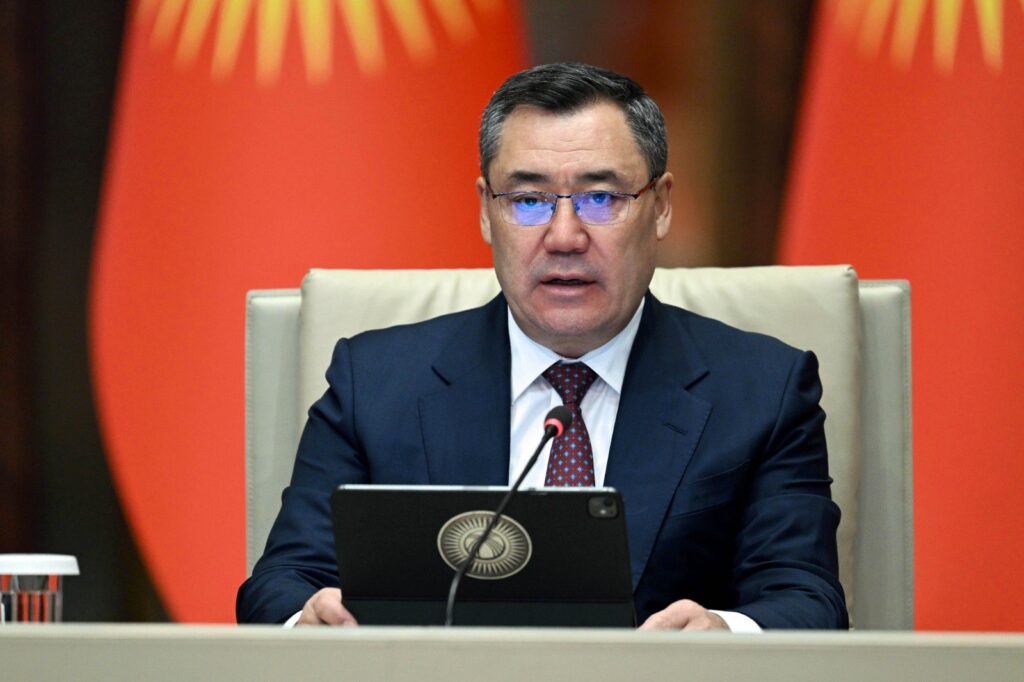
At the opening, Kyrgyzstan’s Minister of Culture, Information and Youth Policy, Mirbek Mambetaliev, said state support for national cinema had increased almost tenfold: while four years ago around $915,000 was allocated for film production, today that figure has reached $10.6 million.
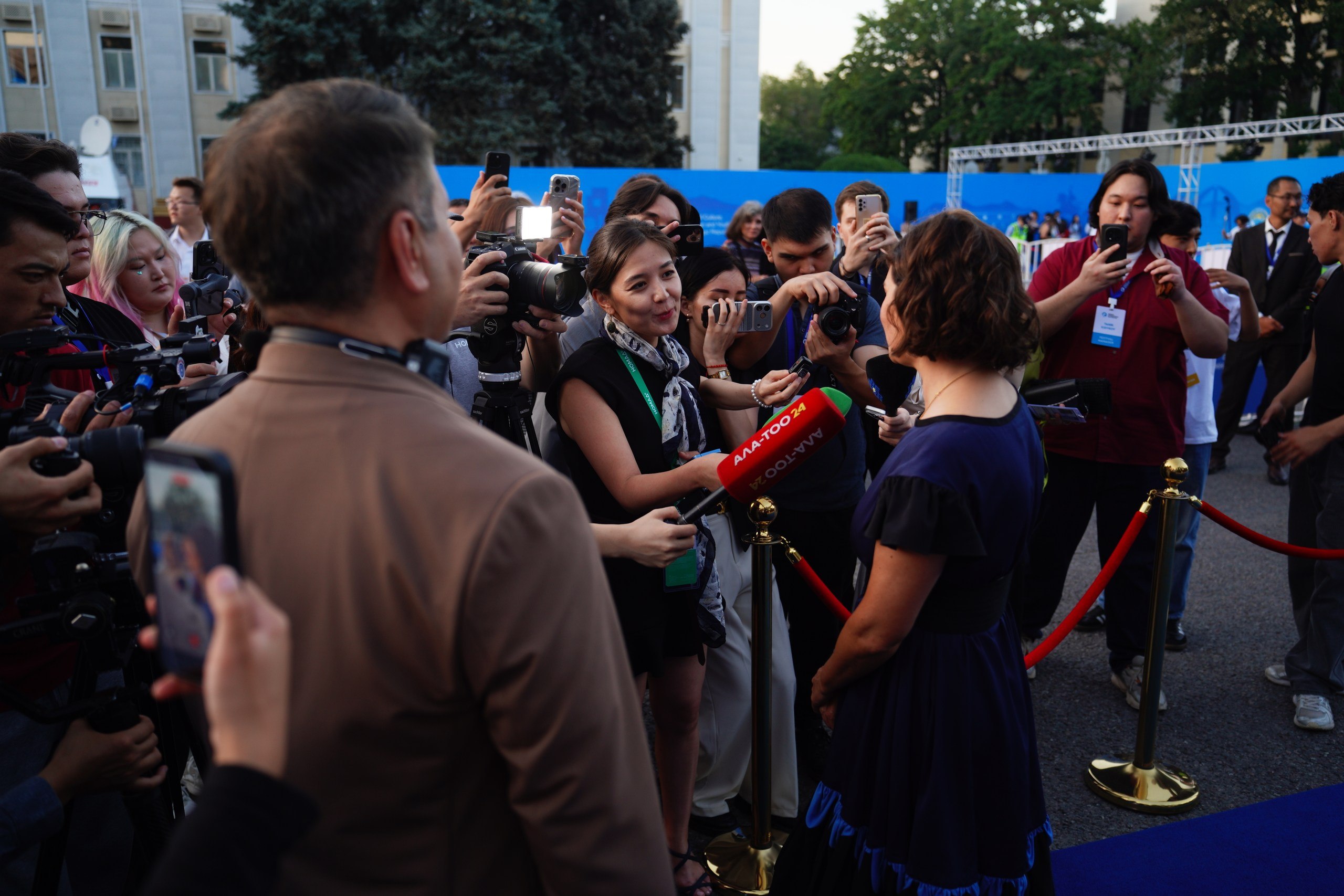
Image: bishkekfilmfest
Guest Program: Audrey Tautou and a Bollywood Masterclass
This year, the festival placed its bets not only on films, but also on high-profile international guests. The main highlight was Audrey Tautou, who rarely appears at events of this kind. The French actress said she is now more interested in working on the other side of the camera, and is producing an animated project.
Tautou seemed deeply moved by the reception. As she said goodbye to the audience, she singled out and thanked a small child who had sat quietly in the hall the entire time without crying. Only then did it emerge that the little girl’s name was Audrey Bermet: her parents, an American father and a Kyrgyz mother, had named her after the actress. This almost accidental episode unexpectedly became a symbol of the festival itself: a major international event that, despite its growing scale, has not yet lost its remarkable intimacy and human warmth.
Another highlight was a masterclass by Sandip Soparrkar, a Bollywood choreographer who has worked with some of the biggest stars of both Bollywood and Hollywood. He turned an ordinary lecture into a full-scale show, explaining why dance became the main language of Indian cinema and how it had been shaped by a variety of influences, from classical traditions to jazz, disco and modern hip-hop.
Soparrkar also lifted the curtain on Bollywood itself: the cost of the biggest musical sequences, he said, can reach about $700,000. Famous scenes flashed on the screen one after another, and by the end of the session, the audience had become part of a Bollywood musical number, with the entire square dancing alongside Soparrkar to an Indian interpretation of “Kalinka.”
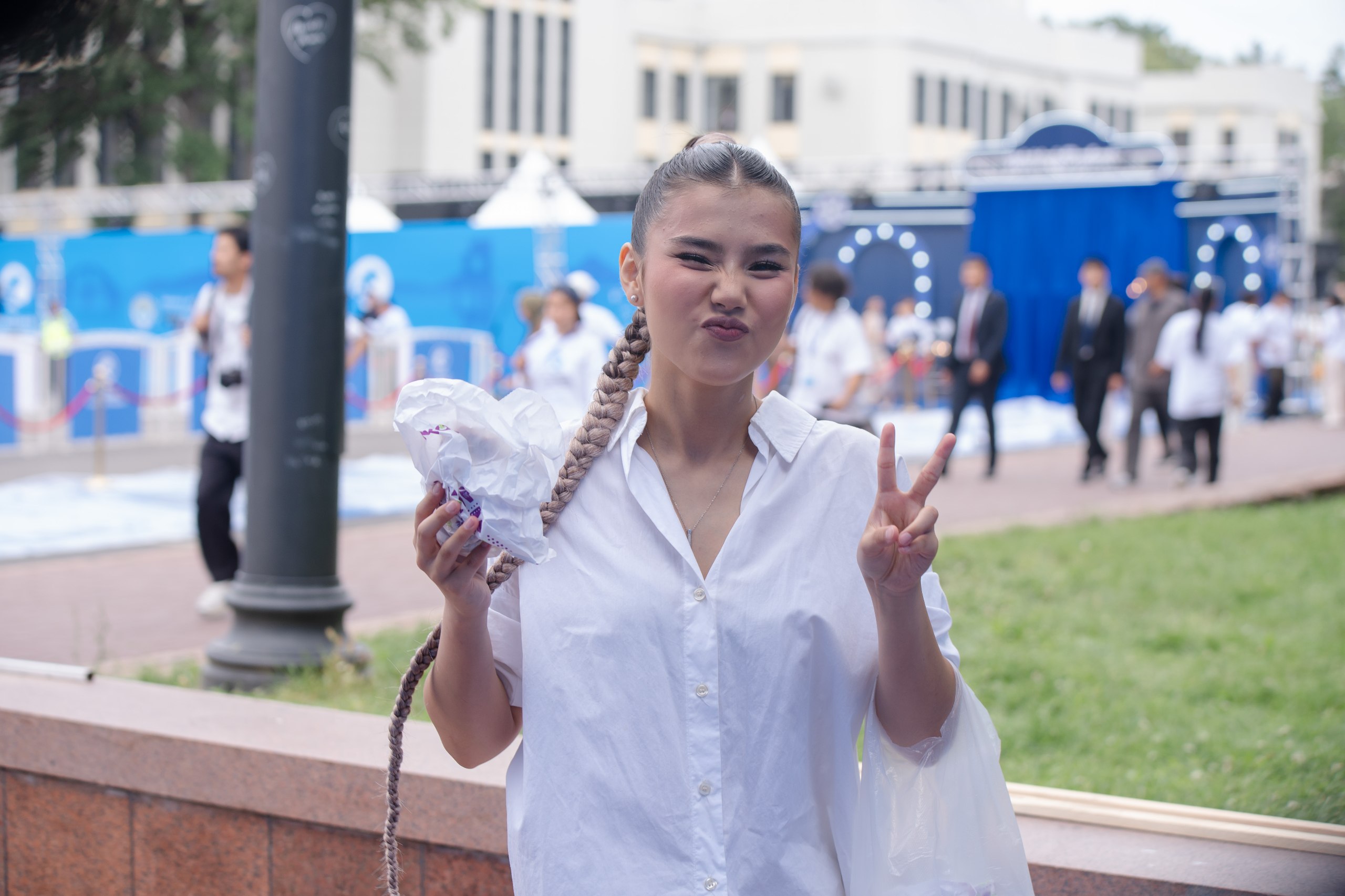
Image: bishkekfilmfest
What the Competition Films Were Talking About
It was striking that films from entirely different countries, from Central Asia to Southeast Asia, from Europe to the Middle East, seemed to be engaged in the same conversation. Their characters live in different cultures and circumstances, but face similar struggles: growing up without parents, trying to escape toxic relationships, dealing with the aftermath of violence, or learning to trust their loved ones again.
For many filmmakers, the family remains the place where society’s deepest and most painful processes are reflected. Migration, poverty, social inequality and the crisis of traditional roles are changing not only individual destinies, but also entire societies.
Across several titles, this pressure fell most heavily on women raising children without support. The main prize in the international competition went to the Indonesian drama On Your Lap, directed by Reza Rahadian, about a pregnant woman who, left without a home, is forced to raise her child in a brothel. The owner of the establishment becomes almost like a grandmother to the young woman and her children. According to the filmmakers, it was important to preserve the memory of a generation of women who single-handedly carried the burden of major social change.
The heroine of the Kyrgyz film Only Heaven Knows, which brought Nurjamal Karamoldoeva the Best Director award in the Central Asian competition, is left in a similarly vulnerable position. A young Kyrgyz migrant in Chicago loses her gambling-addicted husband and finds herself pregnant, penniless and unsupported. Gradually, however, the loss becomes not only a tragedy but also a chance to begin again.
The same concern with women’s vulnerability under male power appeared in one of the international competition’s biggest discoveries: the Iranian film The Divine Ideal of Killing, which won Best Director and Best Actress. Its director, AriobarzaN, turns the story of one family into a parable about unfreedom: a father isolates his loved ones from the outside world and creates a miniature authoritarian state inside his own home, with absurd laws and total control. At the center of the film is a young woman trying to preserve herself and find the strength to rebel. It was no coincidence that, when receiving the award, the director dedicated it to his compatriots who had died in recent years.
The fate of the Kyrgyz drama Kurak, dedicated to domestic violence and the vulnerable position of women in modern patriarchal society, was less fortunate. Despite international recognition, the film never received a distribution certificate in its home country, and although it had been announced as a special festival event, it was not screened.
Alongside the Iranian film, which received two awards, another major winner came from the Persian-speaking world: the Tajik film Another Birth by Isabelle Kalandar, which took part in the Central Asian program. The delicate, poetic film won several awards, including the FIPRESCI prize, the Kyrgyzstan Filmmakers’ Union prize, and acting awards for its two young actresses, Shukrona Navruzbekova and Shoira Abdulgaezkhonova. Kalandar also received the top prize in the Bars in Progress section for her project Life Says: Still We Must Live.
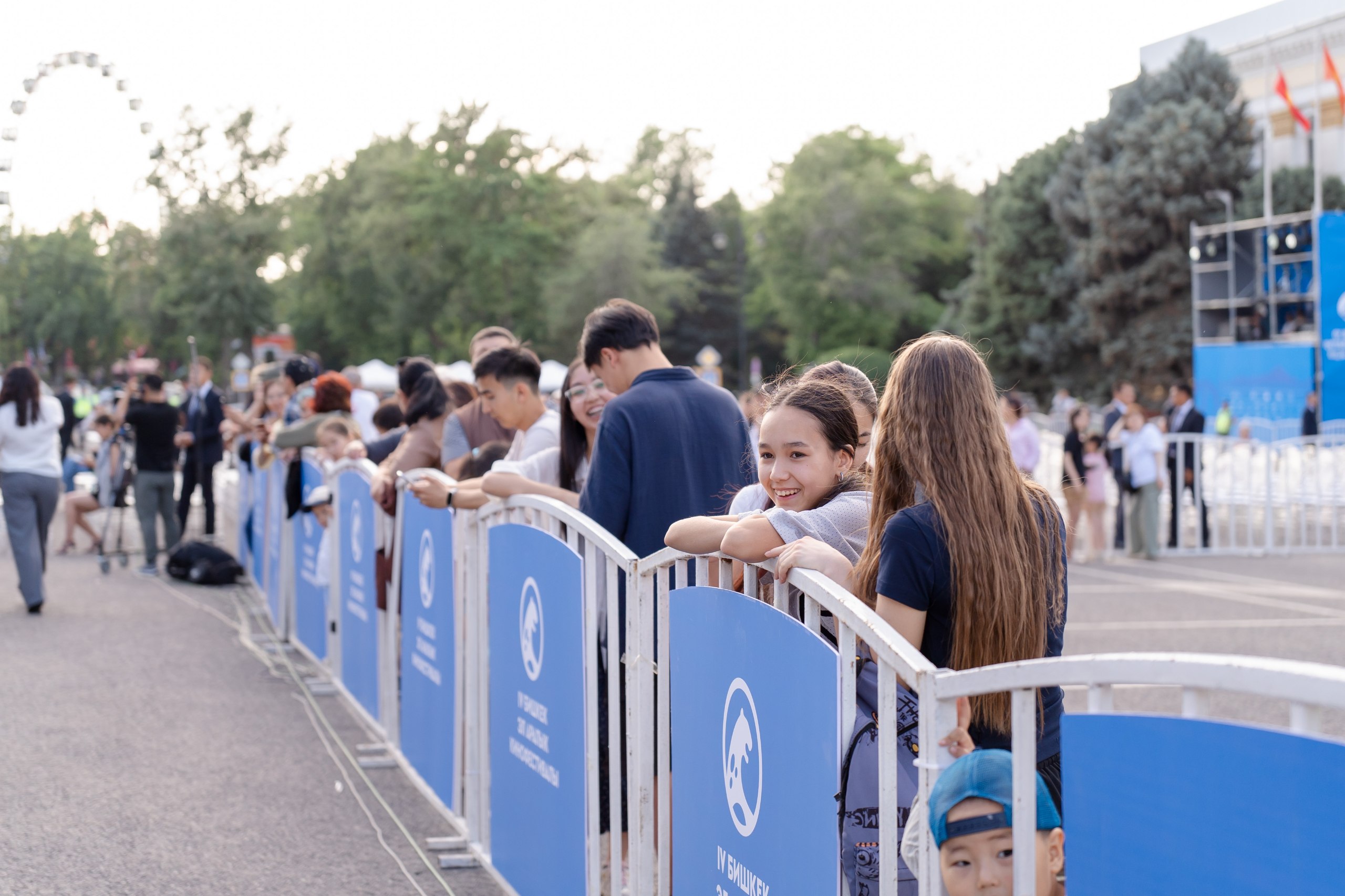
Image: bishkekfilmfest
Kazakhstan Leads the Region
Kazakhstan continues to be one of the festival’s strongest regional presences. This year, the Grand Prix of the Central Asian competition went to the debut feature Qaitadan (Restart) by Duman Yerkimbek, while the main industry prize in Central Asian Film (CAF) Pitch went to a Kazakh project by Amir Amenov and producer Zarina Kisikova.
Yerkimbek’s film was a somewhat unexpected winner because it was also the most audience-friendly title in the section. Described by Kazakh critics as a “Kazakh Groundhog Day,” it works within the disaster-film genre: after failing his exams, a young man is sent to a village and repeatedly returns to the day when a local dam destroys everything around it. The jury praised it as bright, youthful cinema with its own voice.
Amenov’s winning project, Taste of Shawarma After a Tipsy Night, is a light urban story in the style of Woody Allen films. Its protagonist arrives in Almaty from a small town and, enchanted by the owner of an art gallery, begins trying on someone else’s life. He says the right things, copies other people’s habits, and discovers that society is willing to accept an invented version of him. When the time comes to be sincere, sincerity itself has become just another role.
The shorter list of Kazakh projects suggested real momentum. A special mention went to Teacher, a promising debut by Ayana Nurdinova, produced by Aruzhan Dosymkozha, while Silent Wind, a new feature by independent director Sharipa Urazbayeva, was singled out in the industry program. Good Mother by Malika Mukhamedzhan and Work and Travel by Dana Alimzhanova also point to the range of stories now coming from Kazakhstan.
In summary, the Bishkek Film Festival has become a valuable platform for young filmmakers from around the world, and especially from Central Asia.