Kazakhstan wants to more than double its oil refining capacity and sell more petrol and diesel to neighboring countries. The case for reducing its reliance on crude exports has gained urgency. Disruptions to the Caspian Pipeline Consortium (CPC) this year have already forced the country to cut its 2026 oil production forecast by 2 million tonnes.
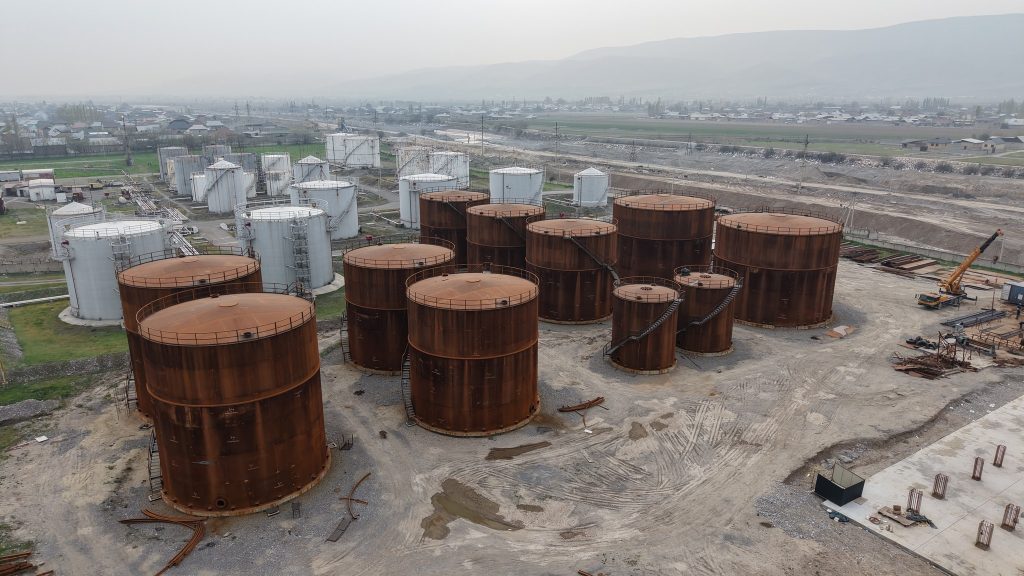
Kazakhstan produced 99.6 million tonnes of oil in 2025 but refined only 18.4 million tonnes. Energy Minister Yerlan Akkenzhenov said at a briefing on August 25 that refining capacity is planned to increase to 40 million tonnes.
“We want to bring this ratio, as in other developed countries that are also producers, to one to two or one to three,” Akkenzhenov said. According to him, Kazakhstan eventually expects to supply neighboring countries with motor fuel and expand its export potential.
This does not mean abandoning crude oil exports: even after refining capacity reaches 40 million tonnes, a significant share of production will continue to be exported. Astana is instead seeking to shift the balance toward finished products.
The oil refining industry development concept runs through 2040. According to the Energy Ministry, Kazakhstan’s refineries processed 18.4 million tonnes of oil in 2025 and produced 15.47 million tonnes of petroleum products.
The concept adopted in 2025 envisaged refining rising to 39.2 million tonnes a year by 2040. The government has since accelerated the timetable, targeting 40 million tonnes of annual capacity by 2033. Average refining depth at the country’s three main refineries reached 90% in 2025 and is targeted to rise to 94%.
To achieve this, Kazakhstan is preparing to build a fourth major refinery with capacity of up to 10 million tonnes a year. Possible locations include the Mangystau, Atyrau and Turkestan regions, as well as Ulytau, with the authorities expecting to select a site by the end of the year.
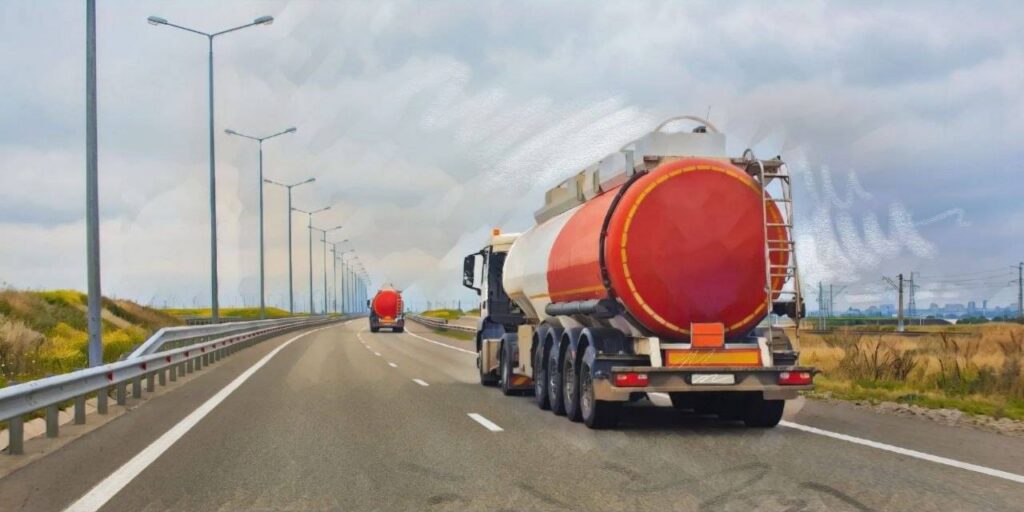
The new plant could begin operating by 2033, with the Energy Ministry expecting its launch to fully cover domestic demand for jet fuel and allow Kazakhstan to expand exports of K5-standard petroleum products, broadly equivalent to Europe’s Euro 5 standard.
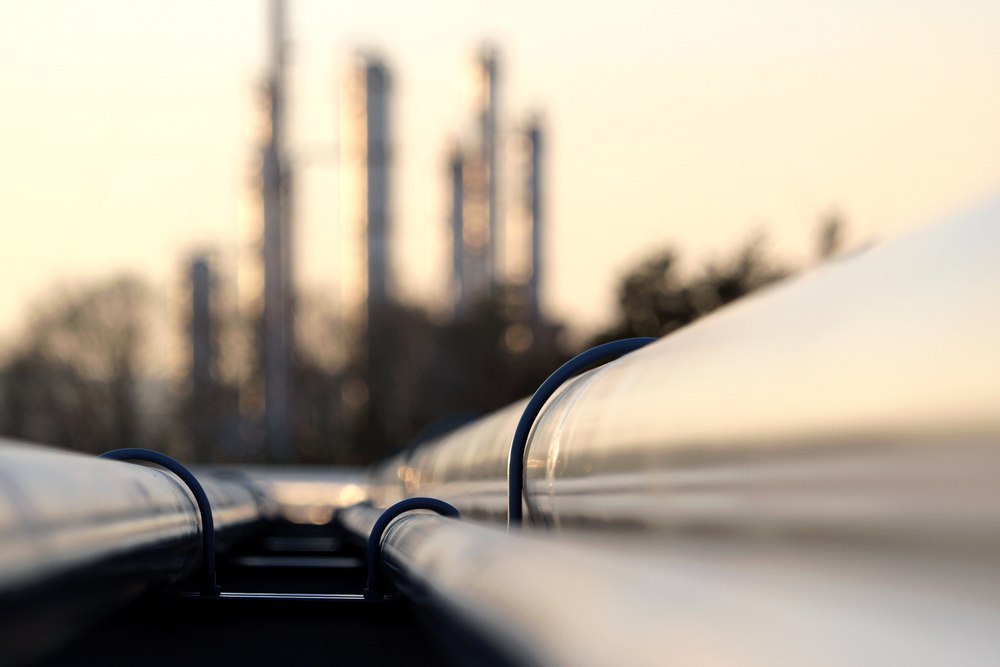
Problems with the Caspian Pipeline Consortium, Kazakhstan’s main route for getting oil to the global market, have strengthened the case for diversifying the way Kazakhstan uses and exports its oil. The pipeline runs through Russia to a Black Sea terminal near Novorossiysk, meaning disruptions there can quickly affect production in Kazakhstan.
On August 25, Akkenzhenov said the country’s oil production forecast for 2026 had been cut from 98 million to 96 million tonnes. He estimated production losses resulting from attacks on CPC infrastructure at around 3.5 million tonnes. The authorities are trying to compensate for part of the lost volumes by rescheduling major maintenance at large oil fields.
Astana is also looking for additional routes to global markets. Akkenzhenov identified Baku-Supsa, the pipeline running from Azerbaijan to Georgia’s Black Sea coast, as one option, saying it could carry around 5 million tonnes a year.
The route has seen only limited use since 2022, although Azerbaijan and Georgia signed a new operating agreement in May 2026 aimed at supporting the restoration of regular operations.
“We lost 3.5 million tonnes because of the attacks on the CPC, although we could have redirected those volumes through the port of Aktau and the Baku-Supsa pipeline,” the minister said. No direct negotiations with Azerbaijan have yet taken place, although some preliminary groundwork exists, according to Akkenzhenov. He described the route as “vital” for Kazakhstan.
Another Caspian route is already in use. Kazakhstan ships around 1.2 million tons of oil a year through the Baku-Tbilisi-Ceyhan pipeline and plans to increase the volume to 2.2 million tonnes.
Kazakhstan is simultaneously considering an unusual flow in the opposite direction. As reported by The Times of Central Asia, Moscow has proposed supplying Russian feedstock to the Kondensat refinery in the West Kazakhstan Region, with 30% of the resulting petrol and diesel remaining in Kazakhstan and the rest returning to Russia. Kondensat has already processed Russian feedstock on a tolling basis, while its ownership structure includes an indirect link to Russia’s Tatneft rather than the direct 50% Russian ownership initially suggested by Akkenzhenov.
Kazakhstan is therefore pursuing two oil strategies at once: additional export routes are needed for crude, while new refining capacity is intended to increase domestic production of fuels and petrochemicals.
The country is still a long way from shifting from crude exports to finished fuels. Even with 40 million tonnes of refining capacity, most Kazakh oil would still need to reach foreign markets as crude. But the 3.5 million tonnes of production lost amid CPC disruptions illustrates the advantage of having more ways to process and sell the oil Kazakhstan produces.