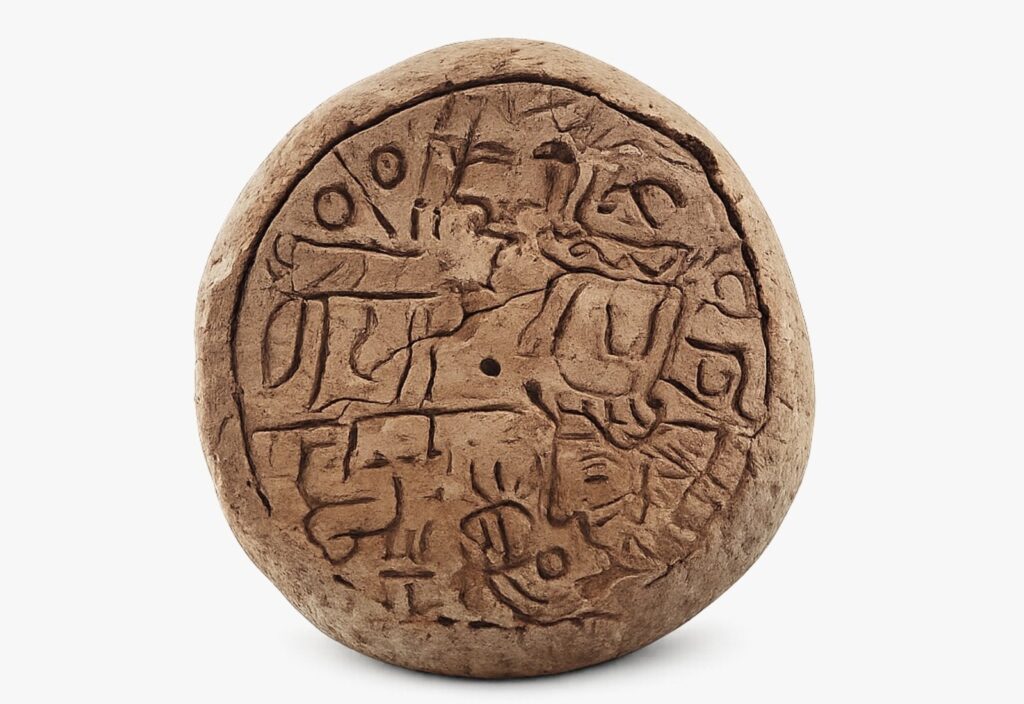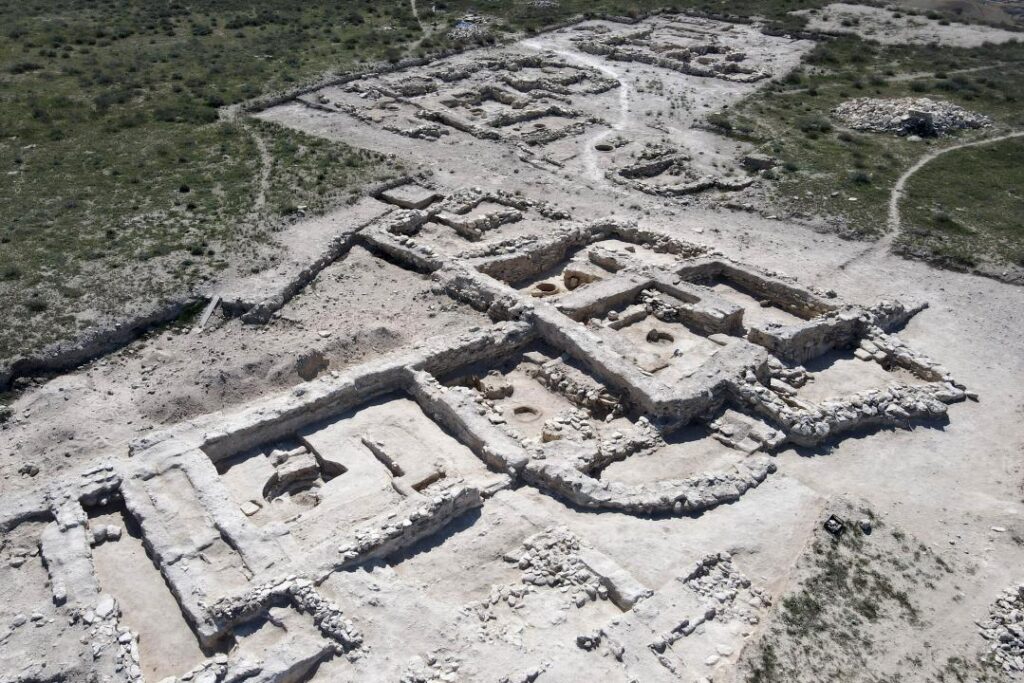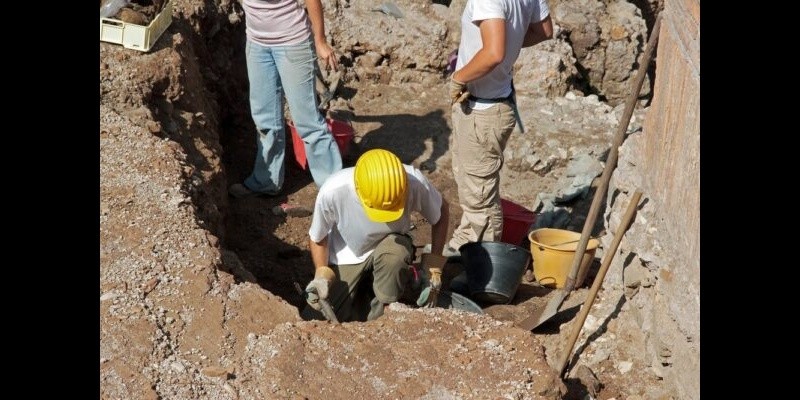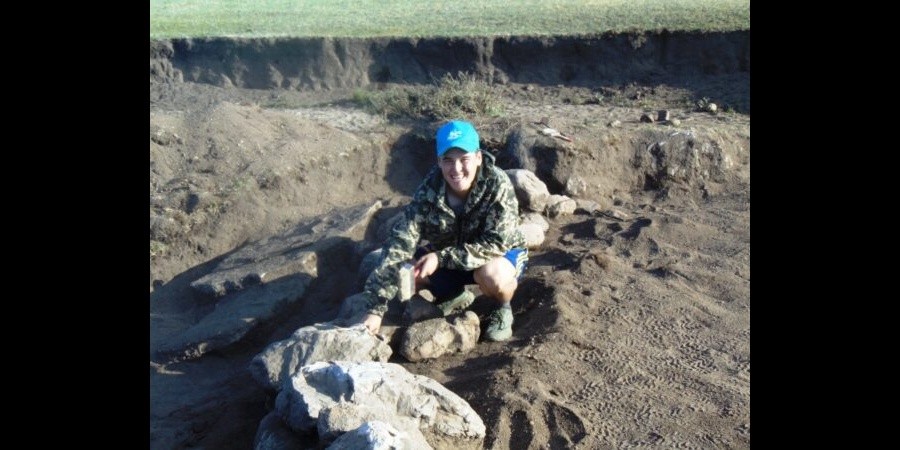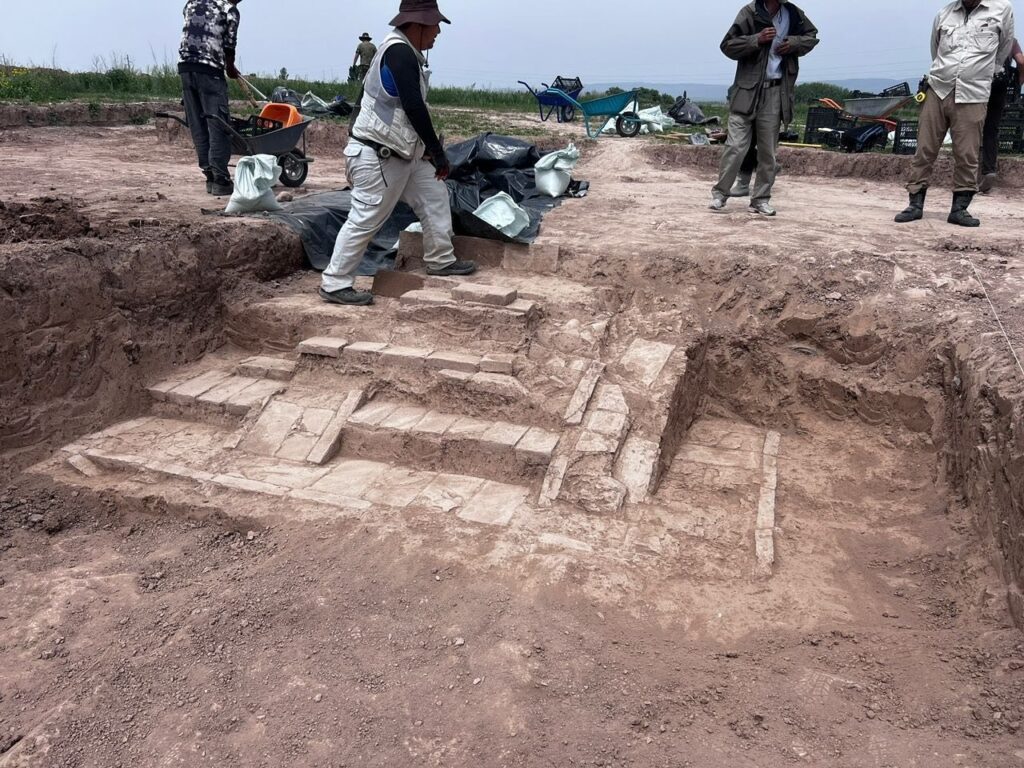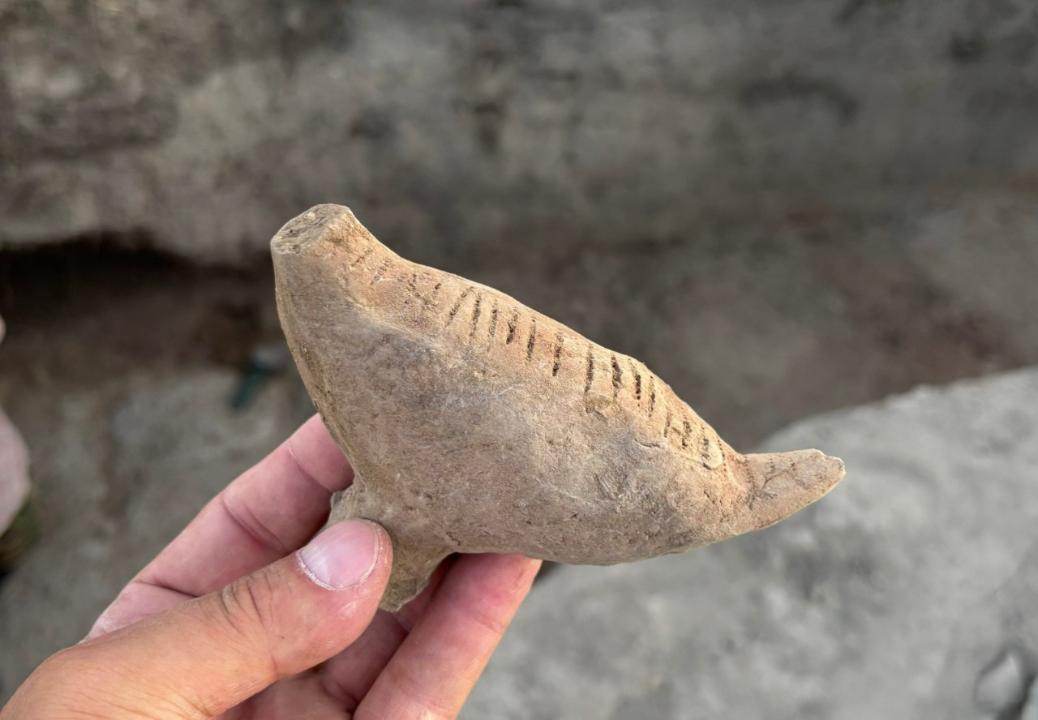
Fortress walls destroyed by fire, remains of ancient buildings, and a rare ceramic bird figurine with a rattle inside were discovered by Kazakh archaeologists during excavations at the Kalzhyr settlement in the country’s east, near the border with China. Archaeological evidence and radiocarbon analysis date the site to the 6th–7th centuries CE, when the first Turkic states were emerging in Central Asia.
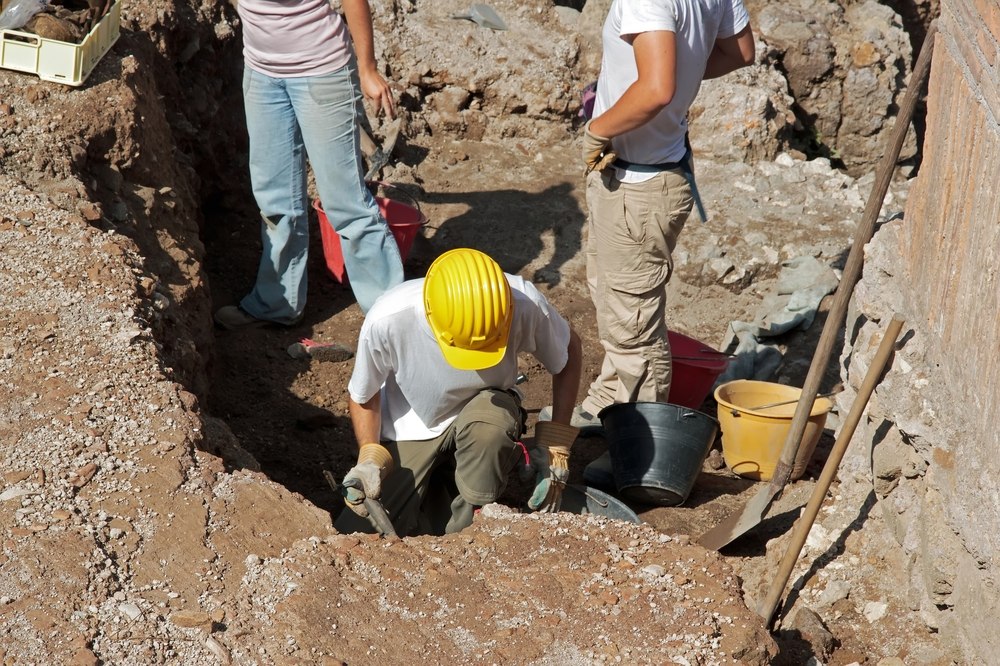
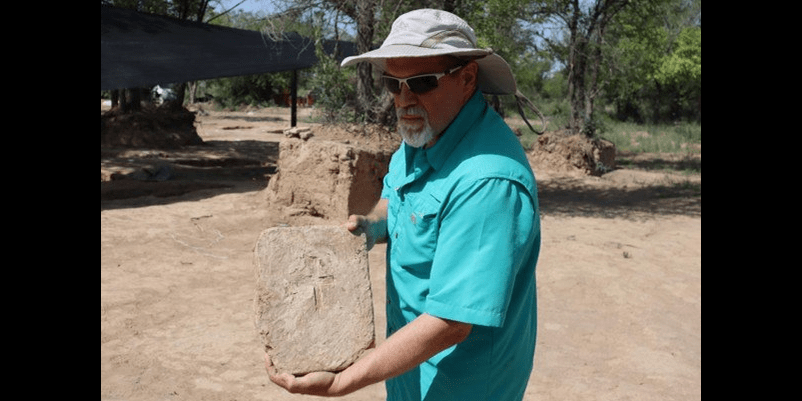
An expedition from Al-Farabi Kazakh National University studied the settlement in the Zaysan Basin, between the villages of Kalzhyr and Boran. Researchers uncovered the remains of fortifications in the southern part of the 25-hectare site and found evidence that many had been destroyed by fire.
The finds include plaster bearing traces of decorative patterns, ceramic vessels, and charred grains of wheat and legumes, giving us an insight into crops available to the settlement’s inhabitants.
According to the researchers, construction of the fortified settlement may date to the period of the First Turkic Khaganate. This state emerged in the mid-6th century and extended its influence across vast areas of Eurasia.
Archaeologists also discovered a much older burial monument – a khirigsuur, a funerary and commemorative structure dating to the Late Bronze Age. Similar complexes are known primarily from Mongolia and Xinjiang in northwestern China.
In studying the sites, archaeologists used aerial and thermal imaging alongside other surveying methods. Based on the data collected, they plan to develop three-dimensional models and a geographic information system for the region. The work is being carried out as part of a project studying the archaeological landscapes of the basin.
The Times of Central Asia previously reported on the discovery of two rare bronze knives, believed to be associated with the early Saka, in Bayanaul National Park in the Pavlodar region. Other research conducted at the ancient Karakabak settlement in the Mangystau region has provided new evidence of trade links between East and West.