Archaeologists working in southern Uzbekistan have uncovered what may be the earliest known evidence of surgery in Central Asia. The discovery involves the remains of a Bronze Age child whose skull bears signs of trepanation, a procedure involving the deliberate opening of the skull.
The discovery was reported by the Turkish archaeology magazine Arkeofili, citing research conducted by a joint Italian-Uzbek archaeological team in the historic region of Northern Bactria, near the present-day border with Afghanistan.
Researchers found the skeleton of a child who died at about age five in a shared grave with another child believed to have been about three years old. The burial dates to the late third millennium BCE, approximately 4,000 years ago.
According to the researchers, the older child’s skull shows clear traces of cranial trepanation, likely performed using stone or bone tools. The marks indicate that the skull was intentionally opened, making it one of the oldest known examples of surgical intervention in Asia and potentially the earliest documented evidence of surgery in Central Asia.
Trepanation was practiced in various ancient societies around the world. Scholars believe it may have been used to treat conditions such as head injuries, epilepsy, severe headaches, or behavioral disorders. However, researchers note that in prehistoric societies, the boundary between medicine and ritual practice was often unclear.
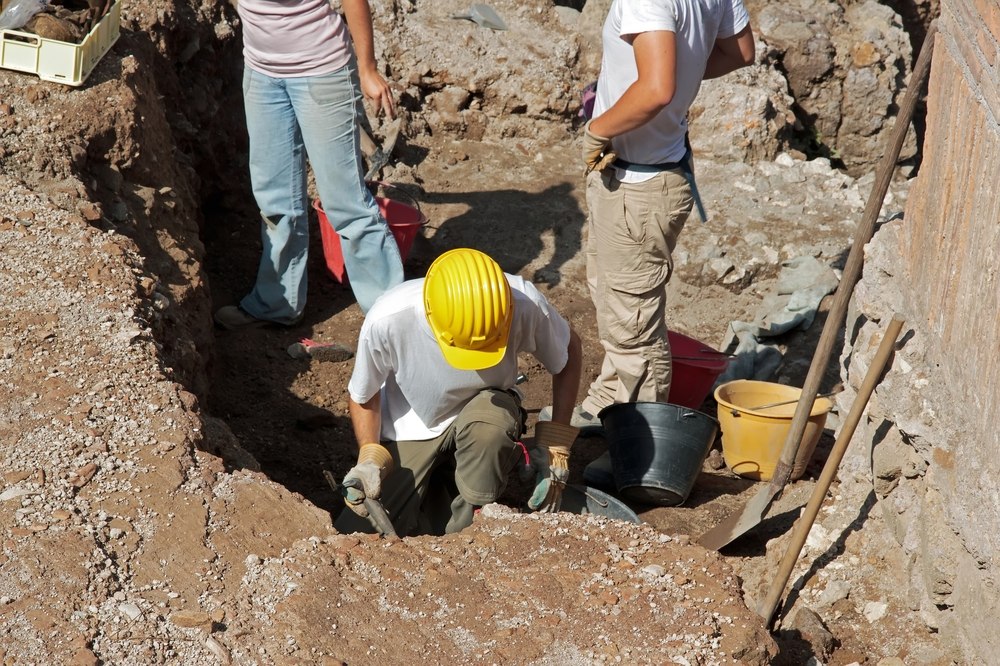
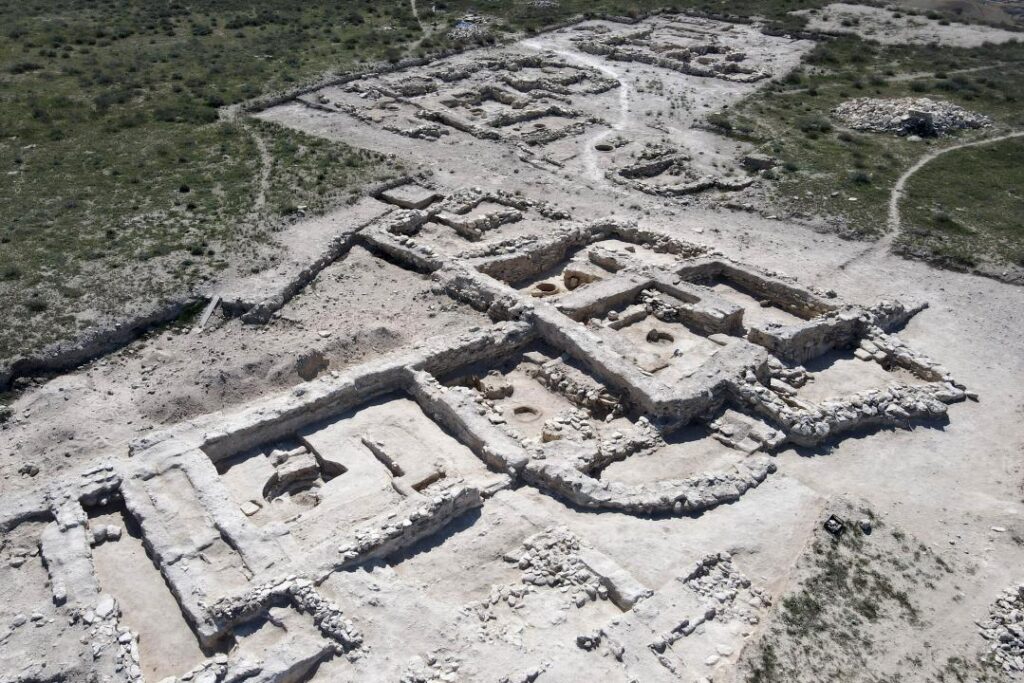
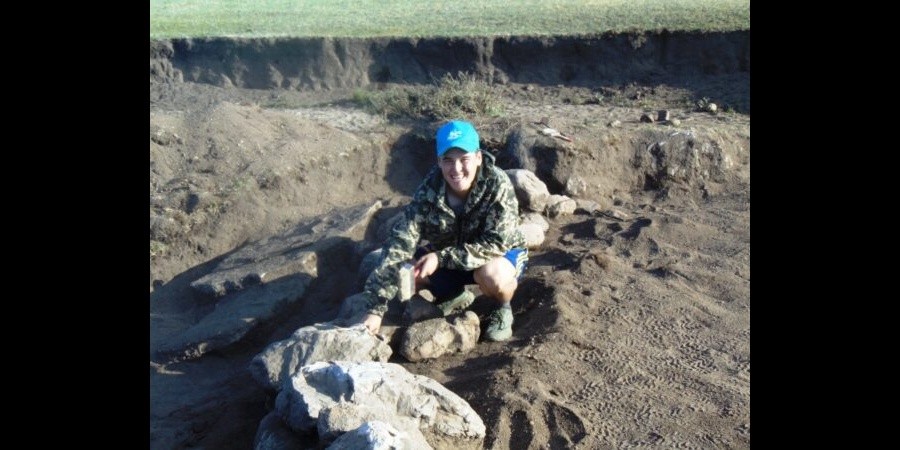
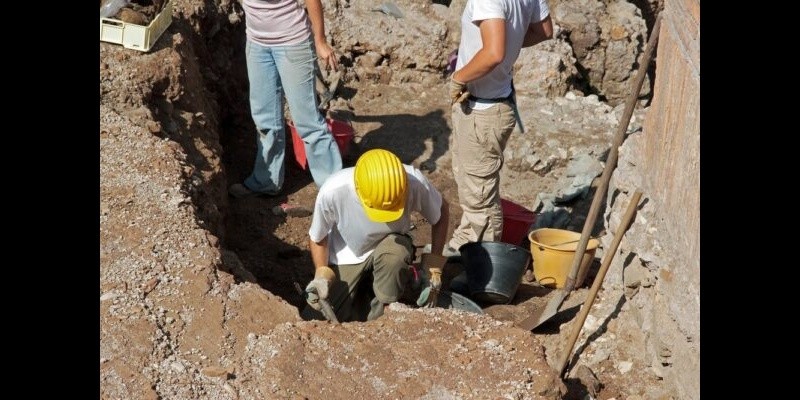
The remains were discovered during excavations at Djarkutan, one of the major urban centers of the Oxus Civilization, also known as the Bactria-Margiana Archaeological Complex. The civilization flourished across parts of modern-day Uzbekistan, Turkmenistan, Afghanistan, and Tajikistan between roughly 2500 BCE and 1500 BCE. It was known for its advanced agricultural systems, urban settlements, and rich material culture.
The discovery adds to growing evidence that ancient Central Asia played a significant role in the development of early human societies. Last year, an international team of archaeologists reported finding evidence that hunter-gatherer communities in Uzbekistan’s Surkhandarya Valley harvested wild barley about 9,200 years ago. Researchers said the finding challenged the long-held view that the origins of agriculture were limited primarily to the Fertile Crescent.