Eastern Kazakhstan has gained international recognition for its extraordinary archaeological discoveries, but alongside that fame has come a growing threat: illegal treasure hunters, known locally as “black diggers,” are destroying historical monuments and depriving future generations of access to invaluable artifacts.
Eastern Kazakhstan’s Archaeological Treasures
In recent years, the Eastern Kazakhstan has become one of the most important archaeological regions in Central Asia. Researchers have uncovered ancient burial complexes belonging to the Saka, nomadic peoples of the early Iron Age whose sophisticated culture has challenged long-standing assumptions about the civilizations of the Eurasian steppe.
Excavations at the Shilikty, Eleke Sazy, and Berel burial mounds have revealed thousands of gold ornaments, clothing adornments, and ceremonial decorations noted for their craftsmanship and artistic sophistication.
At the Shilikty necropolis, archaeologists uncovered burials containing unique gold jewelry, including earrings, bracelets, fibulae, and miniature decorative elements used on clothing.
Each object demonstrates extraordinary craftsmanship, intricate ornamentation, and meticulous attention to detail.
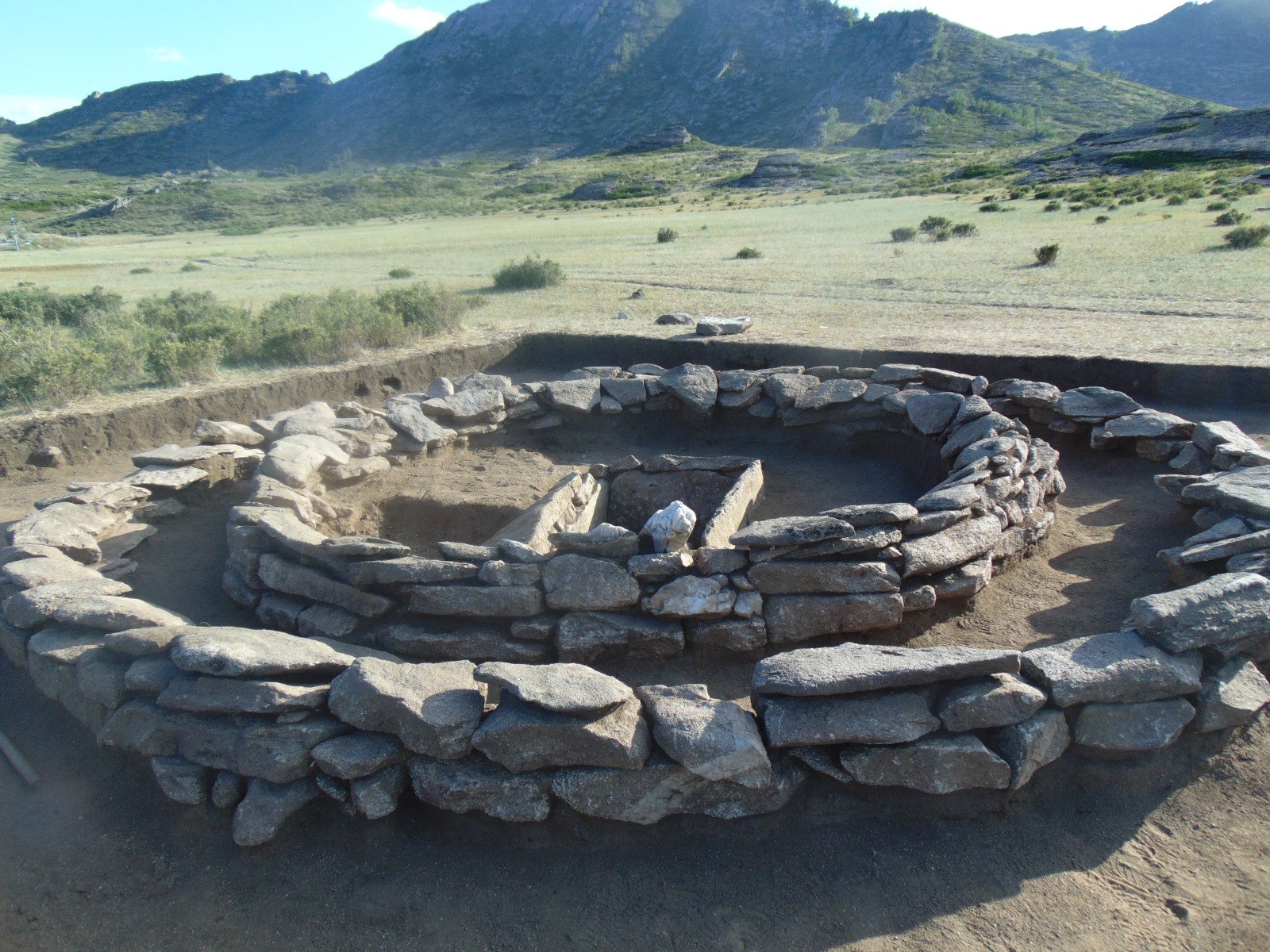
@Yulia Chernyavskaya
At Eleke Sazy, archaeologists found an intact burial containing jewelry, clothing adornments, horse harness ornaments, and other decorative objects associated with a teenage archer who was no older than 18. A heavily looted grave of a girl aged 13 or 14, thought to have been his sister, was found nearby.
Berel yielded particularly significant discoveries, including gold and bronze ornaments, clothing fragments, and horse trappings that reveal the high artistic culture of the ancient nomads. Artifacts from Berel were later displayed at the Fitzwilliam Museum in Cambridge, England, as part of the exhibition Gold of the Great Steppe, drawing widespread attention from scholars and visitors.
The discoveries quickly gained international recognition and confirmed the sophisticated level of Saka civilization.
Equally striking finds emerged from the Kurchum district, where archaeologists uncovered horse equipment, including bits, saddles, and straps, crafted from gold and preserved for millennia. These objects demonstrate that the nomadic cultures of Eastern Kazakhstan possessed metallurgical and jewelry-making skills comparable to the great centers of ancient craftsmanship.
Every archaeological discovery offers another glimpse into the past, a chance to better understand the daily life, beliefs, and culture of the Saka. Yet these discoveries remain vulnerable to destruction by illegal excavators.
The Rise of the Black Diggers
Alongside the archaeological boom has come a darker phenomenon: the rapid growth of illegal treasure hunting.
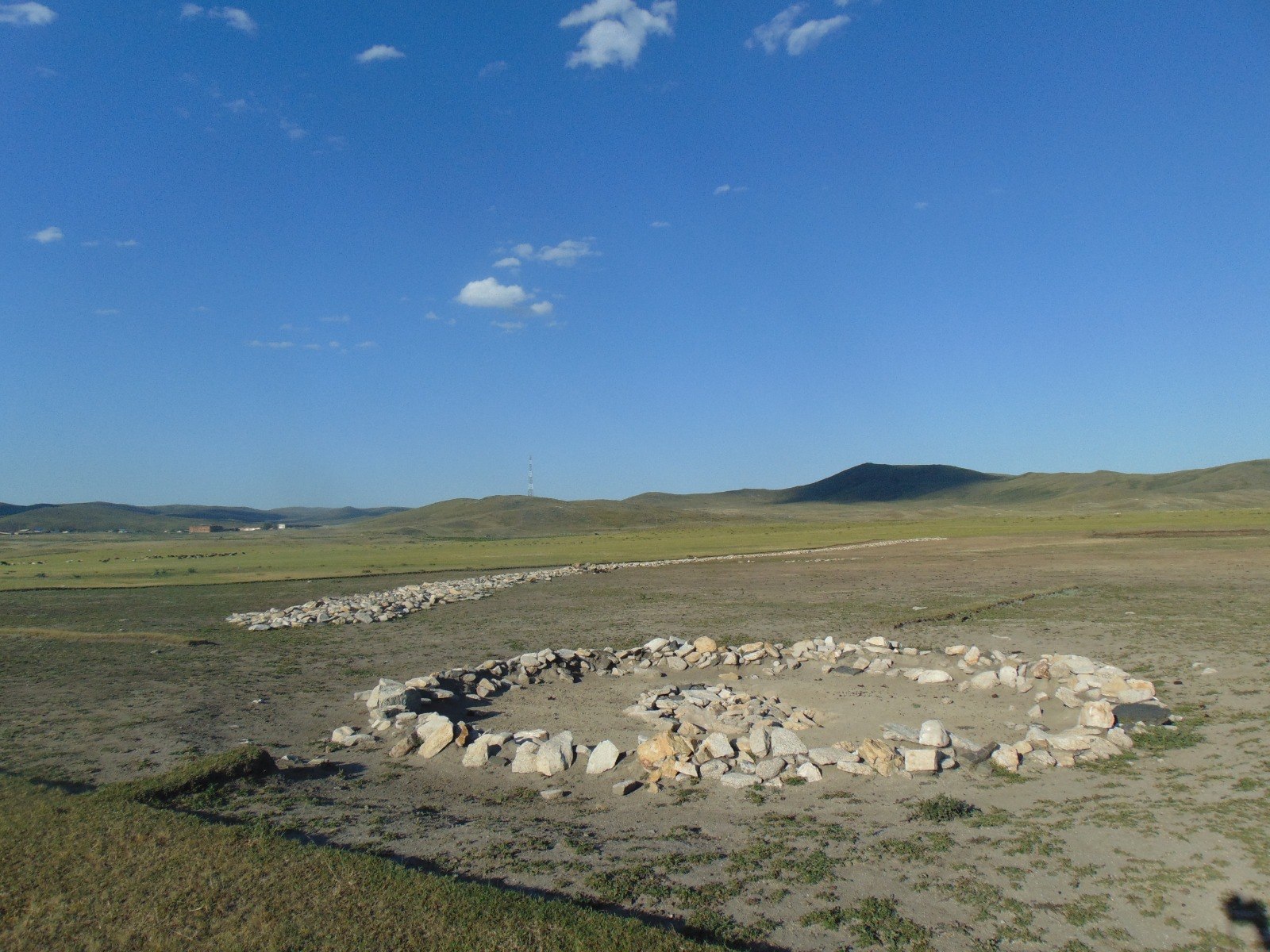
Rather than preserving history, black diggers destroy burial mounds and ancient cemeteries in search of gold and valuables, obliterating archaeological layers and artifacts that could provide scientists with invaluable information about the past.
In many cases, illegal diggers arrive at excavation sites before archaeologists have even begun clearing the area. In pursuit of treasure, they use shovels and metal detectors, as well as heavy machinery such as bulldozers and excavators, which strip away entire layers of earth and destroy everything in their path.
The scale of the destruction has become alarming.
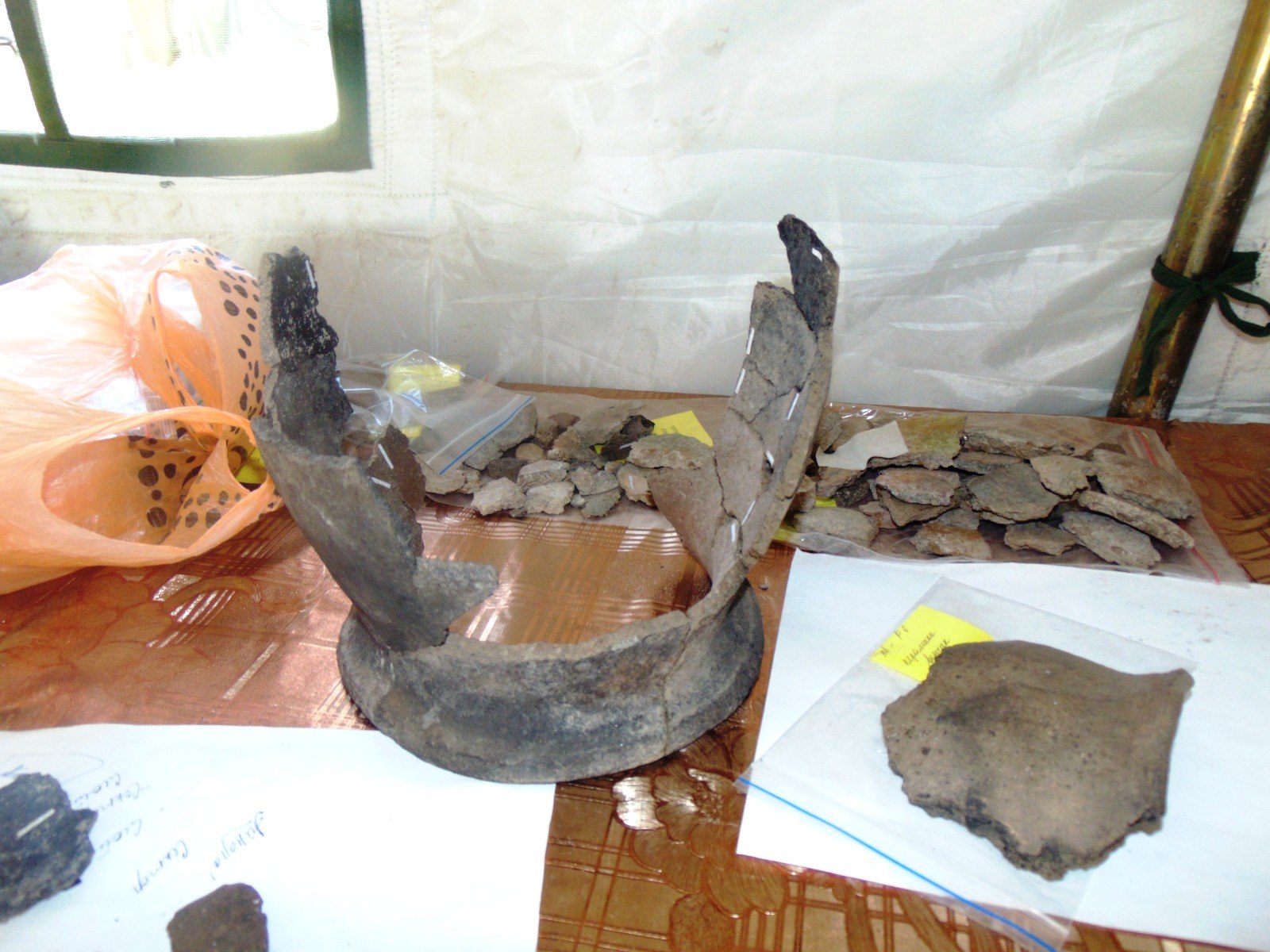
@Yulia Chernyavskaya
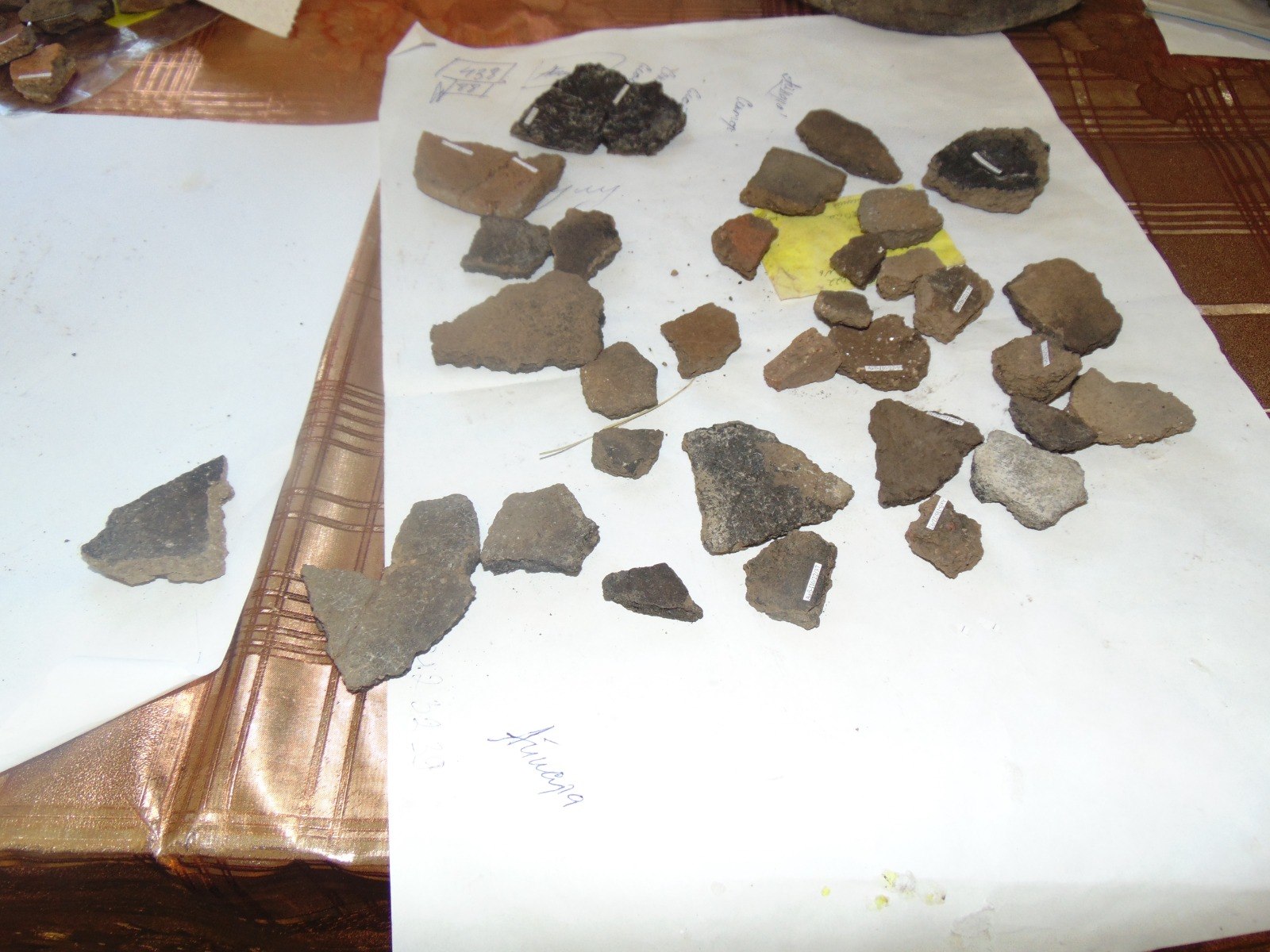
@Yulia Chernyavskaya
Last year, more than 200 burial mounds in the Zharma district of Kazakhstan’s Abai Region were targeted by illegal excavators. Only the vigilance of local residents, who deliberately kept livestock away from the area to monitor activity, helped stop further destruction.
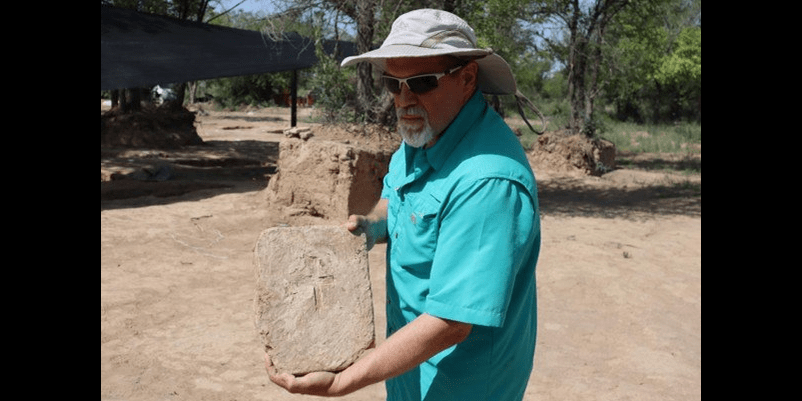
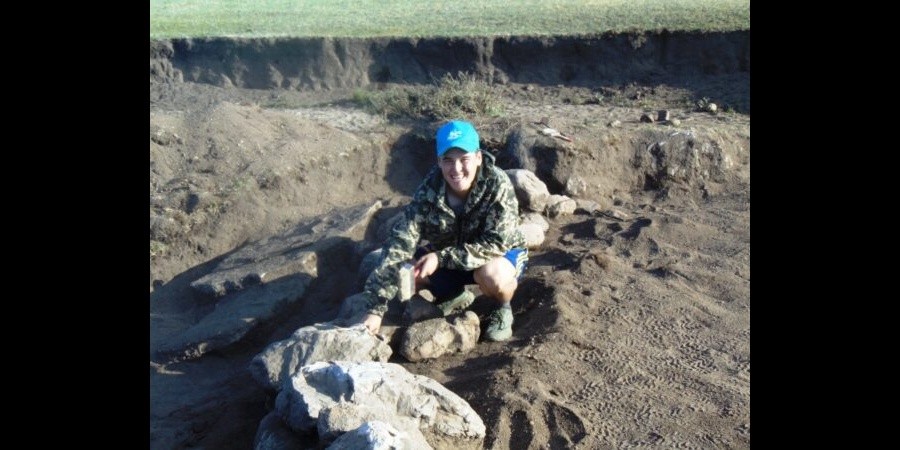
Similar incidents have repeatedly occurred in the Kurchum district of East Kazakhstan Region, where students and professional archaeologists continue to encounter looted burial sites that once contained priceless artifacts but have been reduced to damaged layers of earth.
“Even students lose heart when they see that thousands of years of history have been destroyed for short-term profit,” Professor Zainolla Samashev, chief researcher at the Margulan Institute of Archaeology, told The Times of Central Asia. “A looter does not care about a clay vessel used thousands of years ago; he only wants gold.”
Industrial-Scale Looting
According to archaeologists and law enforcement officials, illegal excavators in the East Kazakhstan and Abai regions often operate in organized groups, some with international involvement.
In 2025, police detained 19 foreign nationals and two residents of Ust-Kamenogorsk for the illegal extraction of precious metals, seizing excavators, bulldozers, and other machinery.
Reports later emerged that dozens of Chinese citizens had been deported over violations related to illegal gold-mining operations. The scale of the activity increasingly resembles industrial extraction, with widespread destruction of riverbeds and soil layers.
Despite law enforcement efforts, archaeologists say real punishment for black diggers remains minimal. Most offenders receive only fines before returning to illegal excavations.
Researchers argue that only tougher legislation and meaningful criminal penalties can halt the destruction.
New Legal Measures
Kazakhstan is currently drafting legislation that would significantly increase penalties for illegal archaeological activity.
The proposed law would raise fines to between 2,000 and 3,000 monthly calculation indices, up to approximately 11.8 million tenge, while repeat offenses or the use of heavy machinery could result in fines of up to 6,000 indices, or around 23.6 million tenge.
If organized criminal groups are involved, offenders could face prison terms ranging from seven to 12 years.
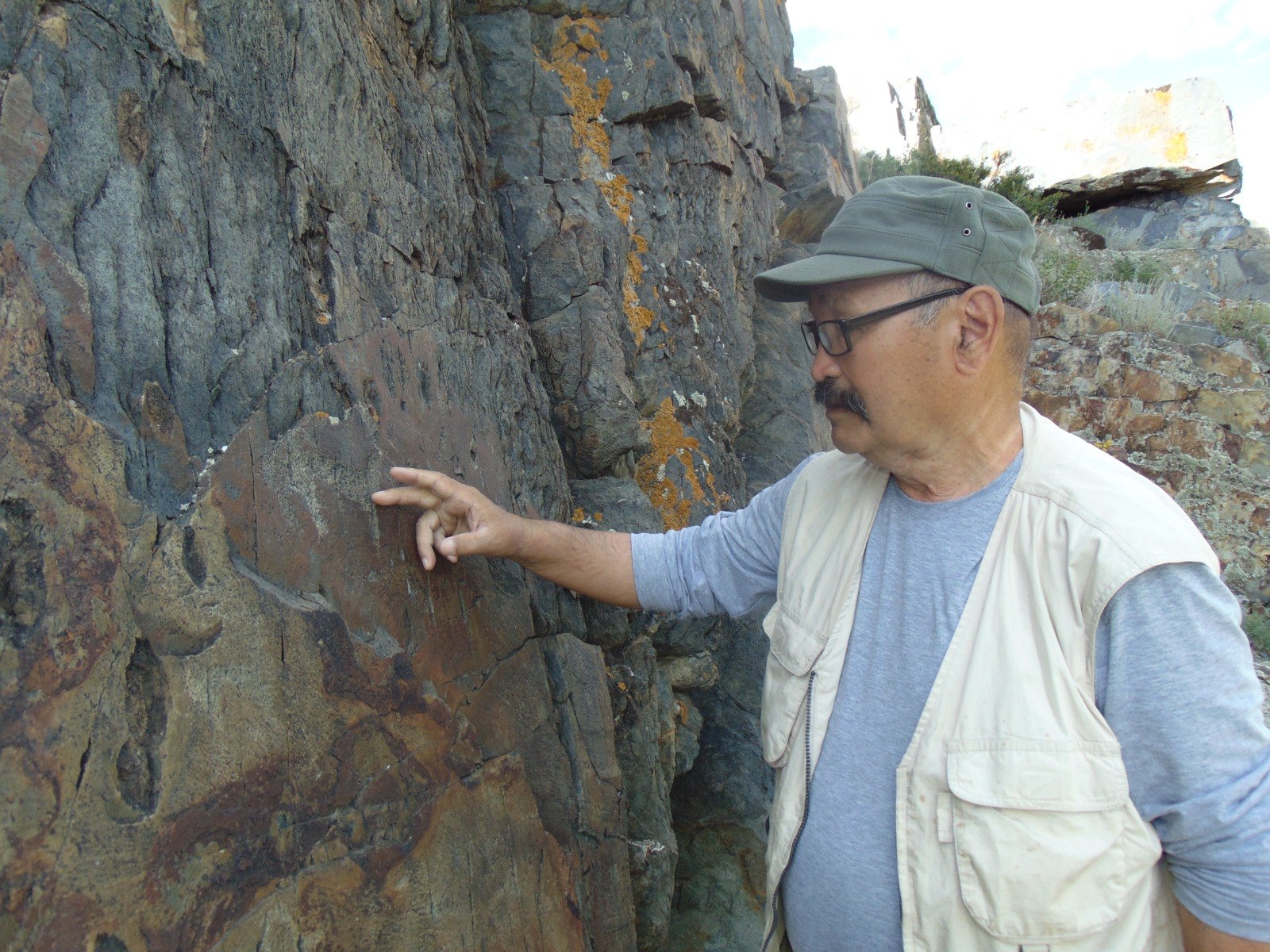
@Yulia Chernyavskaya
Archaeologists say that the problem did not emerge overnight. Interest in ancient burial mounds among illegal diggers began growing in the 1990s but intensified sharply over the past decade after the state increased funding for excavations and publicized major discoveries.
“We share our discoveries with the public and the media, and this literally creates a roadmap for looters who follow archaeological expeditions and arrive before anyone else,” Samashev said.
He argues that only strict controls, bans on the export of artifacts, and real prison sentences can protect Kazakhstan’s cultural heritage.
Otherwise, many of Eastern Kazakhstan’s unique burial complexes may be destroyed before future generations have the chance to learn about their ancestors and the civilizations of the Great Steppe.
A Fight for Historical Memory
Every archaeological discovery is more than a gold ornament or decorative object. It is a window into the world of ancient peoples: evidence of their craftsmanship and beliefs, as well as their cultural achievements.
Every destroyed burial mound and every stolen artifact represents a loss not only for science, but for society as a whole.
Eastern Kazakhstan today stands at a crossroads, between internationally recognized archaeological discoveries and the destructive activities of illegal treasure hunters.
@Yulia Chernyavskaya
Protecting the region’s historical heritage will require coordinated action from the state, law enforcement agencies, and the archaeological community. Each excavation and every recovered artifact offers a chance to preserve a connection to the past and pass it on to future generations.
The struggle against black diggers is ultimately about protecting historical identity and preserving the steppe’s ancient legacy.