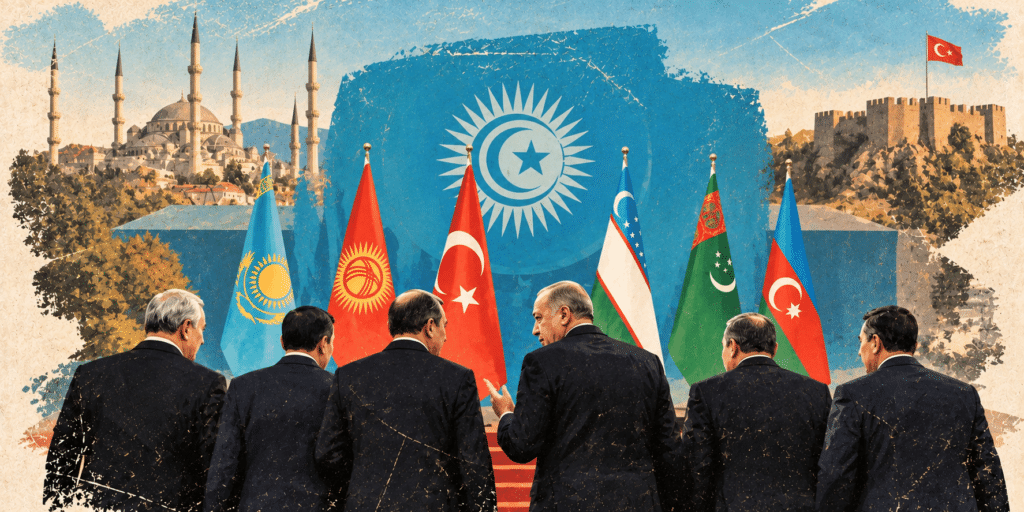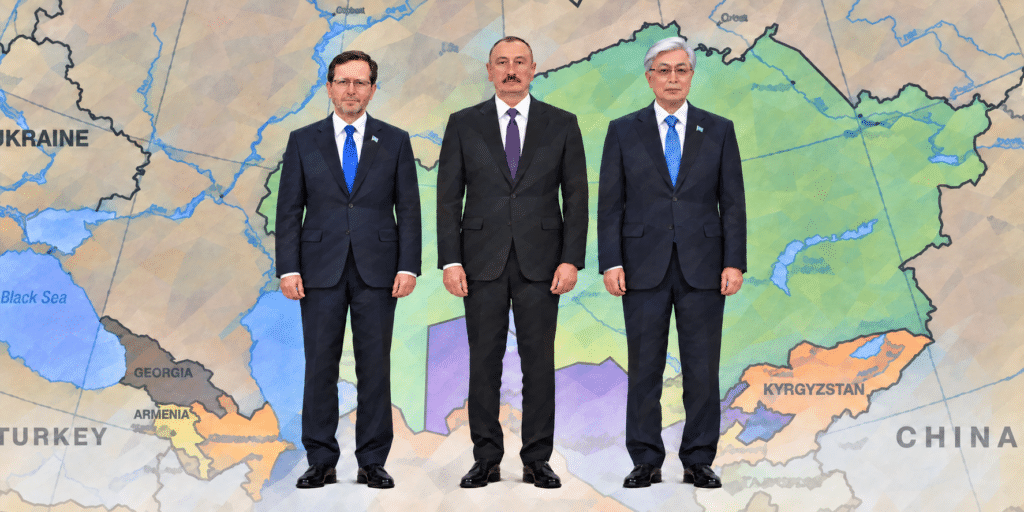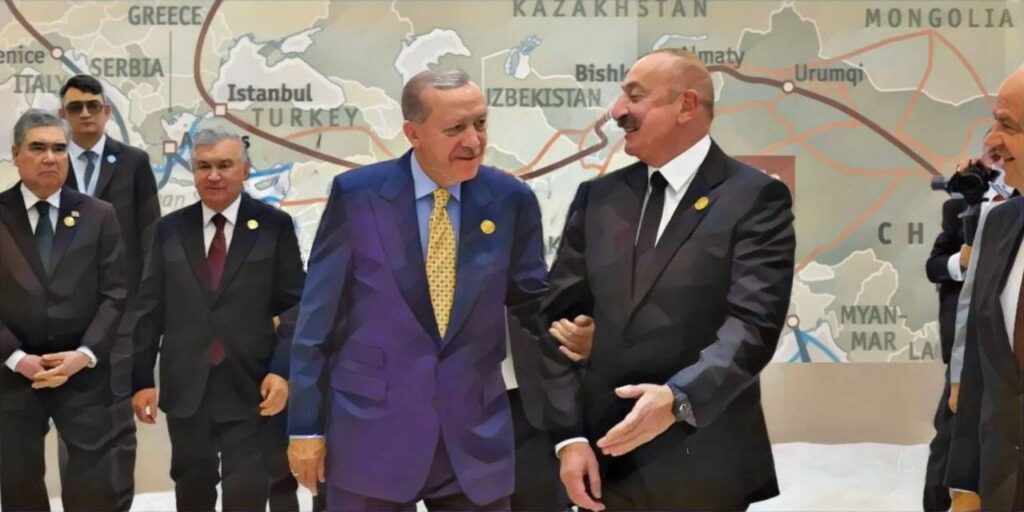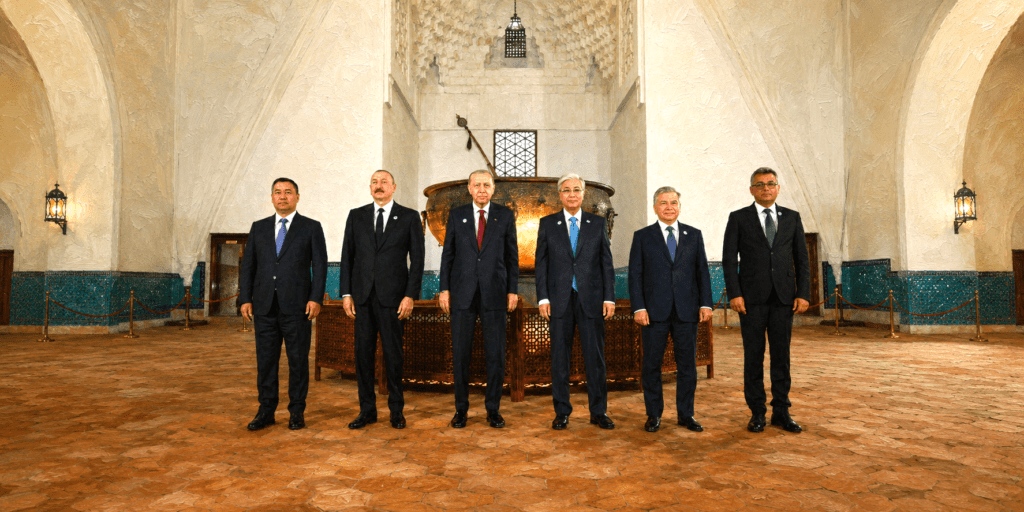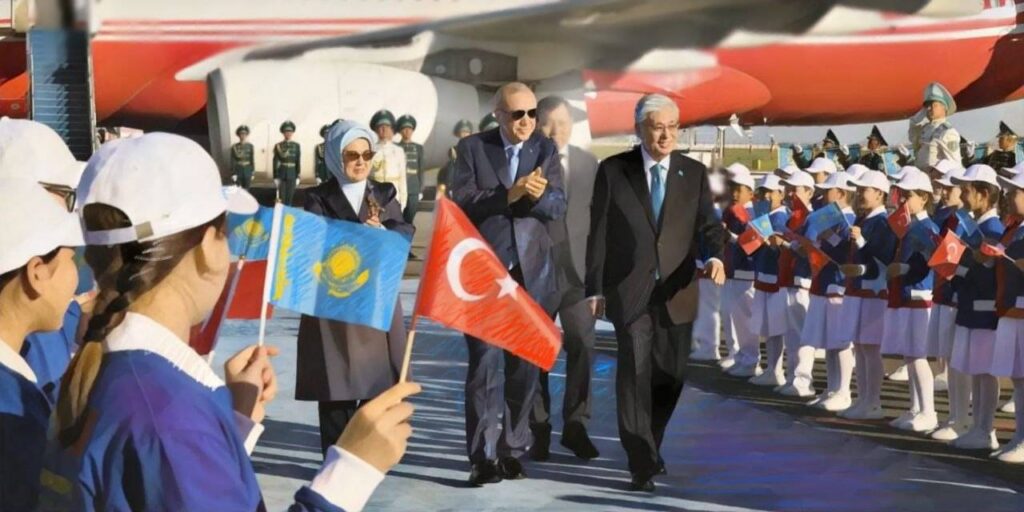
Kazakh President Kassym-Jomart Tokayev has proposed inviting Russia to cooperate with the Organization of Turkic States (OTS) or granting it observer status. He made the proposal on October 30 at the summit in Ankara, where Türkiye assumed the organization’s rotating chairmanship from Azerbaijan. Azerbaijani President Ilham Aliyev did not attend, despite a personal invitation from Turkish President Recep Tayyip Erdoğan.
The participants adopted the Ankara Declaration and appointed Uzbekistan’s Mirvokhid Azimov as the new OTS secretary-general. Azerbaijan was represented by Foreign Minister Jeyhun Bayramov.
Has Russia Expressed Interest in the OTS?
Tokayev proposed two options for Russia’s participation: cooperation through the “OTS+” format or observer status.
“To enhance the standing of our Organization, it would be a right and fair decision to respond positively to Russia’s intention and invite it to join this format or participate in OTS activities as an observer,” the Kazakh president said.
Tokayev referred to Moscow’s intentions, although Russia itself has made no public announcement of plans to participate in the OTS.
The Kazakh president justified the initiative by citing Russia’s historical ties with Turkic peoples, its Turkic-speaking population, and the “Altai – Cradle of Turkic Civilization” project.
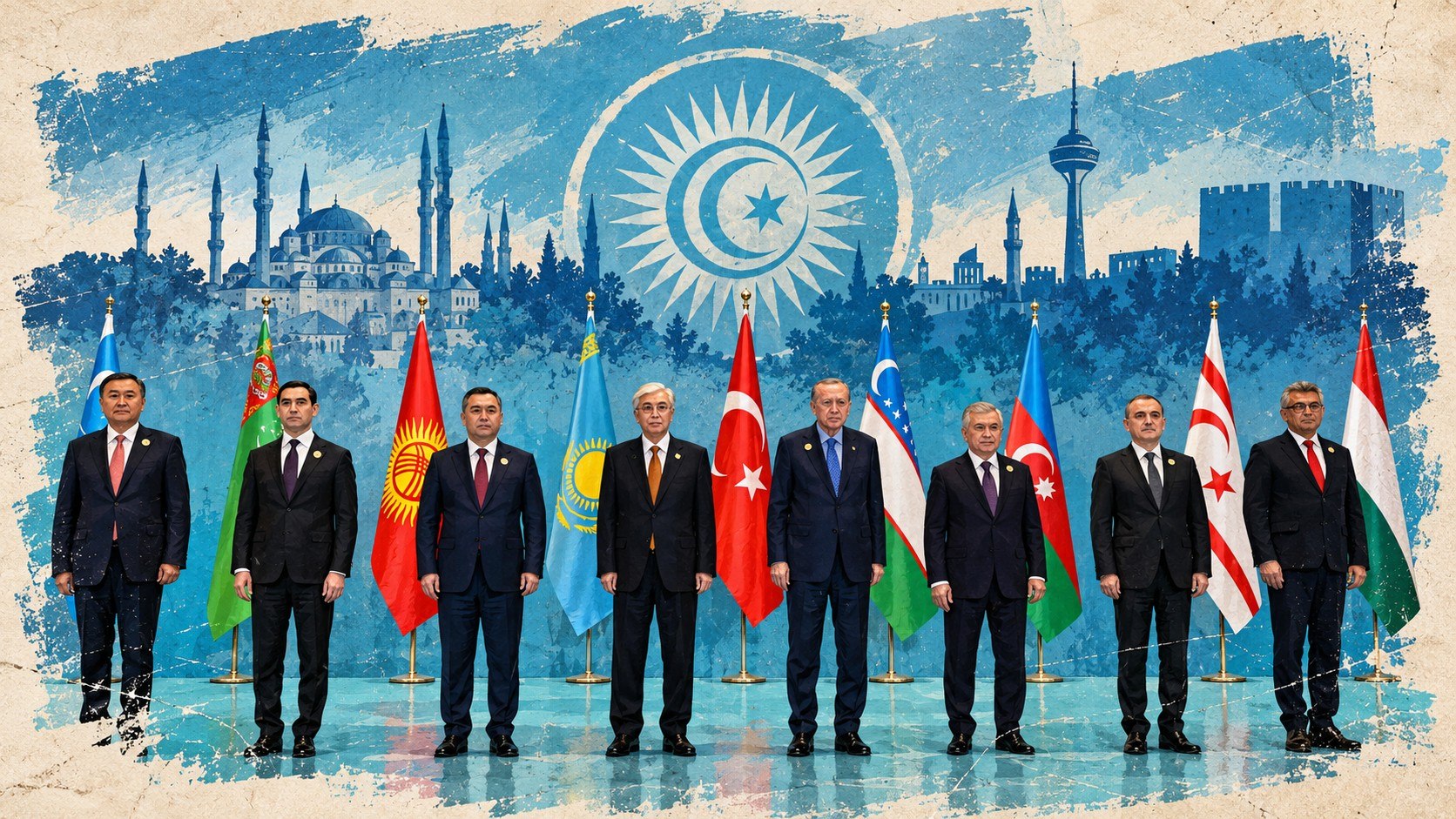
The OTS comprises Türkiye, Azerbaijan, Kazakhstan, Kyrgyzstan, and Uzbekistan. Turkmenistan participates as an observer. Russia is not a member, but its population includes Tatars, Bashkirs, Yakuts, and other Turkic peoples.
The proposed arrangements differ. OTS+ provides a framework for cooperation with external partners, while observer status allows more regular participation in the organization’s activities without the decision-making rights of full members.
In the same speech, Tokayev stressed once again that the OTS should not become a military alliance. Among its members, Türkiye belongs to NATO, Kazakhstan and Kyrgyzstan are members of the Collective Security Treaty Organization (CSTO), and Uzbekistan maintains a policy of nonparticipation in military blocs.
Aliyev’s Absence: Scheduling Conflict or Political Signal?
Erdoğan had invited Aliyev to the summit during a telephone conversation on October 21. The Azerbaijani president, however, remained in Baku. Citing sources, an Azerbaijani news agency report attributed his absence to a previously scheduled appearance at an awards ceremony for finalists in an international FIFA U-15 football tournament.
Public disagreements have emerged between the two allies in recent months. In Türkiye, critics have raised objections to restrictions on religious clothing in Azerbaijani schools. Baku regarded the criticism as interference in its domestic affairs and barred more than 30 Turkish citizens from entering the country. Another source of disagreement is Azerbaijan’s relationship with Israel. Ankara strongly criticizes the Israeli government’s actions, while Baku continues to cooperate with Israel in the energy and defense sectors.
Azerbaijani political analyst Ilgar Velizade told Daily Europe Online that Turkish efforts to ease tensions had not resolved the disagreements. He cited the dismissal of Erdoğan adviser Oktay Saral following remarks critical of Azerbaijan. In Velizade’s assessment, Baku may have regarded the move as a temporary concession ahead of the summit. The analyst also emphasized that Azerbaijan does not intend to change its relationship with Israel because of Türkiye’s position. His comments were reported by AZE.US.
In an opinion article for Azernews, analyst Farman Aydin suggested that Aliyev’s absence may have been intended as a diplomatic signal to Ankara. In his view, even close alliances do not give one country the right to interfere in another’s domestic or foreign policy. He did not rule out the possibility that the president’s decision was simply a matter of scheduling. Baku has not officially linked Aliyev’s absence to political disagreements.
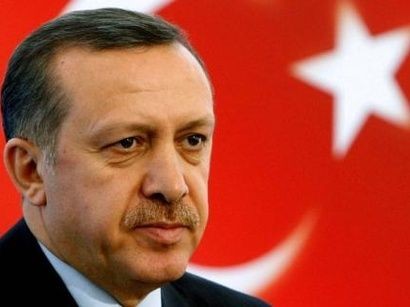
At the summit, Erdoğan said there was no place for division or conflict in the Turkic world. He also raised the question of expanding OTS contacts with the Turkish Republic of Northern Cyprus, recognized only by Ankara. The organization’s other member states maintain diplomatic relations with the internationally recognized Republic of Cyprus.
Uzbek Diplomat Becomes Secretary-General as Türkiye Assumes the Chairmanship
Mirvokhid Azimov succeeded Kyrgyzstan’s Kubanychbek Omuraliev as OTS secretary-general. Uzbekistan, which joined the organization in 2019, has taken charge of its permanent secretariat for the first time.
The secretary-general coordinates the work of OTS institutions, prepares meetings, and oversees the implementation of decisions adopted by member states. The position does not carry independent authority to determine policies.
Erdoğan called for greater use of the organization’s trade, transportation, and energy potential, including development of the Middle Corridor linking China and Europe through the Caspian Sea and the South Caucasus.
Tokayev urged members to accelerate the adoption of the OTS strategy for 2027–2031 and make greater use of the Turkic Investment Fund. According to the Kazakh president, Kazakhstan’s trade with OTS countries has approached $10 billion, an increase of 40% from the previous year.