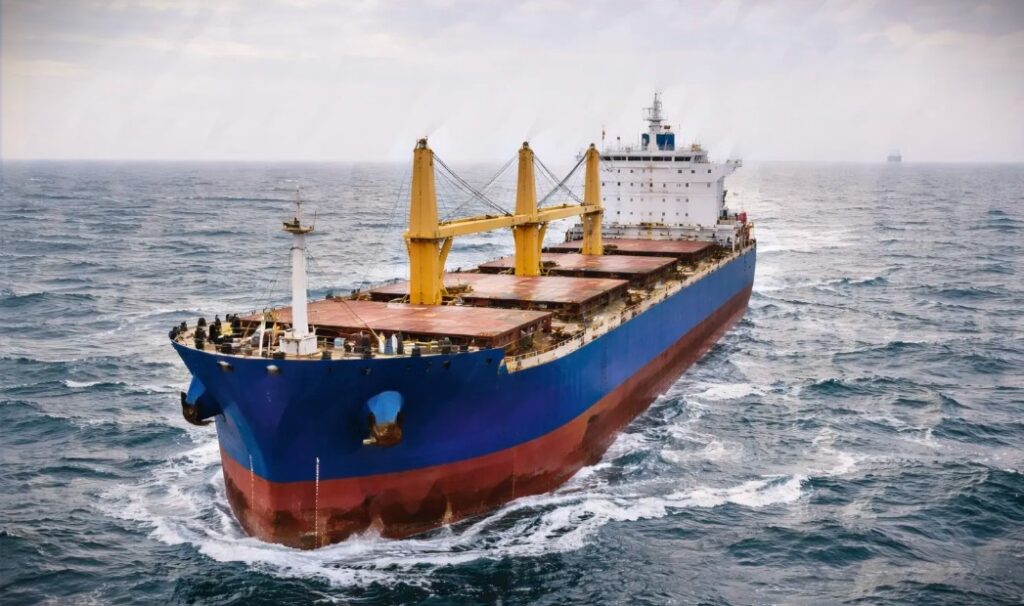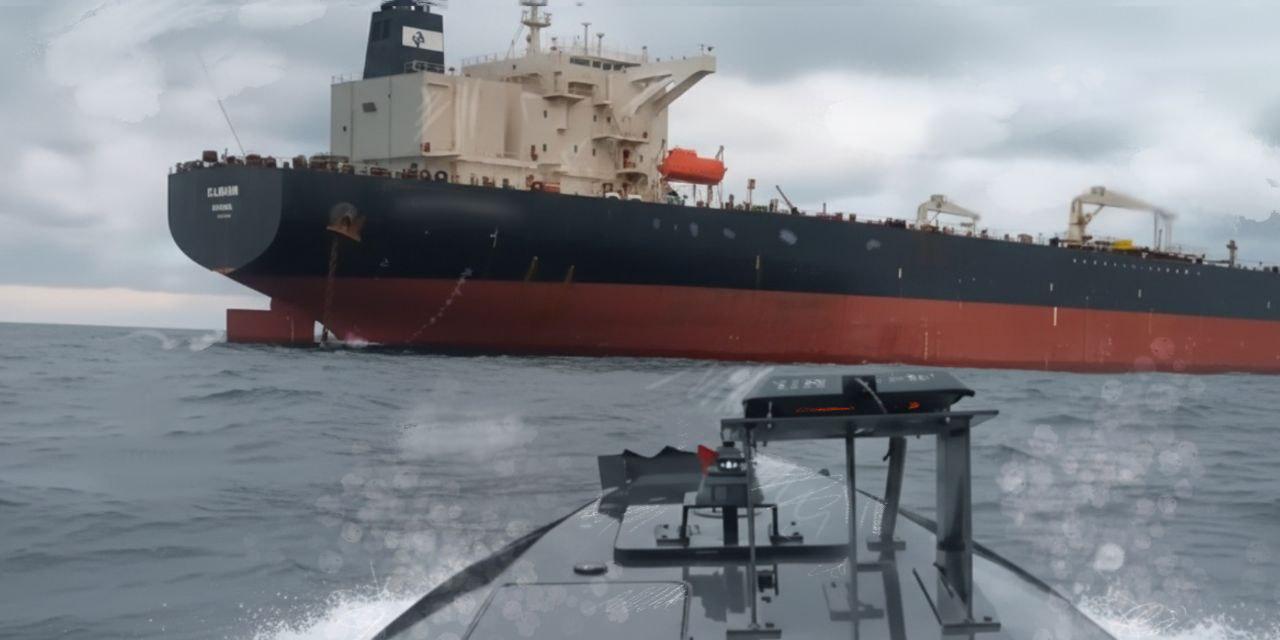
Recent drone attacks on the Delta Harmony and Matilda oil tankers in the Black Sea have added to the growing geopolitical risks facing the global oil market. Both tankers were awaiting loading to transport Kazakh crude via the Caspian Pipeline Consortium (CPC), which operates through the Novorossiysk port in southern Russia.
The attacks have placed renewed attention on the exposure of Western energy majors operating in Kazakhstan, particularly Chevron, a key stakeholder in CPC-linked exports.
“We are aware of reports of incidents involving vessels inbound to CPC loading facilities, including one Chevron-chartered tanker,” Chevron spokesperson Sally Jones told The Times of Central Asia. “All crew are safe, and the vessel has now reached a safe location. We are coordinating with the ship operator and relevant authorities. The safety of personnel and the protection of the environment remain our top priorities. There has been no impact on TCO operations or exports. Chevron continues to closely monitor the situation, and we refer all further inquiries to CPC.”
According to Kazakhstan’s Ministry of Energy, export volumes were unaffected. The fact that attacks occurred near a key export hub has, however, deepened concerns among market participants over the security of regional oil infrastructure.
The country’s Ministry of Foreign Affairs added in a statement: “We emphasize that the Republic of Kazakhstan is not a party to any armed conflict, makes a significant contribution to strengthening global and European energy security, and ensures uninterrupted energy supplies in full compliance with established international standards.”
Reuters, citing unnamed sources, reported that up to three vessels may have been struck, suggesting a broader and potentially escalating threat to maritime safety in the area.
The latest incidents follow a series of security-related disruptions in and around the Black Sea and Caspian regions that The Times of Central Asia has previously reported on, including attacks on energy and transport infrastructure linked to regional export routes. While earlier incidents did not result in prolonged outages, they have steadily heightened concerns among industry participants over the vulnerability of critical energy corridors.
The CPC is a vital artery for Kazakhstan’s oil industry. More than 80% of the country’s crude exports, including output from major fields like Tengiz and Karachaganak, flow through this route. Disruptions in the Novorossiysk area could quickly affect shipping timetables, freight and insurance rates, and, ultimately, global oil prices.
Some analysts warn that these repeated incidents near the CPC expose Kazakhstan’s strategic vulnerabilities, forcing markets to price in a “geopolitical premium.” More significantly, interruptions in oil product flows could have domestic political consequences, potentially prompting a reconfiguration of Kazakhstan’s political timetable.
“The situation involving the CPC, the Orenburg Gas Processing Plant, and reported attempted attacks on the Central Asia-Center gas pipeline, used to transport Russian gas through Kazakhstan, could significantly destabilize the country’s economy,” wrote oil and gas analyst Olzhas Baidildinov on his personal Telegram channel.
He added that, in his view, it could become politically rational either to accelerate elections in anticipation of further instability or to delay them until regional conditions improve or diplomatic agreements are reached between Russia, the United States, Europe, and Ukraine.
The attacks have heightened risks for shipping in the Black Sea, which is already classified as a high-risk area by insurance firms. Under such circumstances, insurers may revise coverage terms, raise premiums, or limit insurance for voyages through the region. These higher logistics and risk-management costs are generally passed on to consumers through increased oil prices, further intensifying inflationary pressure on global energy markets.
Amid ongoing instability, the CPC corridor remains under close scrutiny from traders and policymakers. Kazakhstan’s reliance on Black Sea routes is increasingly viewed as a critical strategic vulnerability both for its economy and for international consumers of Kazakhstani oil.
Compounding the concern, the Black Sea incidents nearly coincided with drone strikes on Lukoil’s offshore drilling platforms in the Caspian Sea. This region is central to Kazakhstan’s long-term efforts to expand its energy transit potential. In 2025, Kazmortransflot, a subsidiary of KazMunayGas (KMG), boosted its transportation volumes by over 15% compared to 2024, reaching 51,400 DFE. This growth was driven by surging demand for shipments along the Trans-Caspian International Transport Route.
However, with military activity now reaching into the Caspian basin, even this alternative corridor may be at risk. The foreign ministry’s statement concluded: “We note that the increasing number of incidents indicates growing risks to the functioning of the international energy infrastructure and call on our partners to closely cooperate in developing joint measures to prevent similar incidents in the future.”
While exports remain uninterrupted, the incidents highlight the increasingly complex security environment surrounding key energy routes. For Kazakhstan and its partners, maintaining the resilience of critical export corridors is likely to remain a central challenge amid continued regional instability.