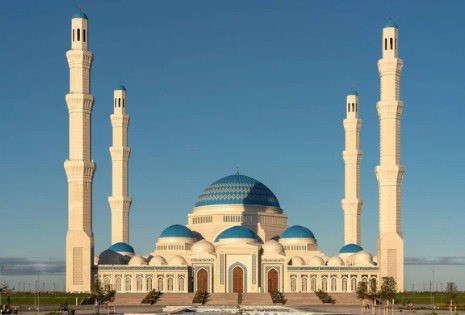
On September 15, Kyrgyzstan inaugurated a state-funded Islamic Academy in the town of Tokmok, approximately 60 kilometers east of Bishkek. Established by presidential decree, the institution is designed to accommodate 400 students and aims to offer structured training in Islamic theology, as well as courses in Islamic finance and banking.
Speaking at the opening ceremony, President Sadyr Japarov emphasized that global threats of extremism and radicalism, including in Central Asia, underscore the need for “objective, scientifically grounded religious education aligned with traditional Islamic values”. He stated that the academy would serve as a regional hub for training imams and promoting spiritual development.
Japarov also urged Kyrgyz youth to pursue religious education domestically, arguing that the academy removes the necessity of studying abroad.
The launch comes amid increasingly stringent state regulation of religious activity. In January 2025, Japarov signed amendments to the Law “On Freedom of Religion and Religious Associations,” introducing restrictions on face coverings in public offices, coercion in religious conversion, ceremonies in closed institutions, and political or foreign-funded religious activities.
As of 2024, Kyrgyzstan had 3,593 mosques and 220 registered religious schools, most of them located in the southern Osh region.