The concept of the Asian Century draws a parallel to the characterization of the 19th century as Britain’s Imperial Century and the 20th century as the American Century. The Asian Century refers to the anticipated dominance of Asian politics and culture in the 21st century, contingent upon the continuation of specific demographic and economic trends. A study by the Asian Development Bank indicated that by 2050, approximately three billion Asians — equating to 56.6% of the projected 5.3 billion total inhabitants of Asia — could attain living standards comparable to those in Europe today. Furthermore, this region is expected to contribute to over half of global output by the middle of this century.
It seems pertinent to explore further insights on this topic. China is home to approximately 1.4 billion people, while India’s population is expected to reach around 1.45 billion by mid-2025. The share of South-South trade, i.e., trade between emerging economies, is expected to rise significantly, increasing from 18% in 2013 to approximately 40% by 2030. This shift will bring these nations back to a trading prominence reminiscent of their historical dominance roughly 200 years ago. Such a trend underscores the changing dynamics of economic power and highlights the growing importance of these countries in the global marketplace.
It is interesting to note that China and India, together, accounted for approximately 50% of the worldwide GDP during the 19th century, according to economist Angus Maddison. However, predicting how these nations will integrate into the global economy proves challenging, as historical events like Germany’s reunification and the fall of the Iron Curtain provide inadequate comparisons for this process. Following those milestones in 1990, a significant number of individuals entered the global economy; yet, the scale of that influx pales in comparison to what is expected with the simultaneous rise of China and India.
Whether this development is welcomed or not, the future of the world is inextricably intertwined with the trajectories of these two nations, Russia, and the former communist countries, such as those in Central Asia, as well as Pacific countries.
It is widely acknowledged that Asia’s impressive economic performance over the three decades leading up to 2024, especially in comparison to the rest of the world, arguably presents the strongest case to date for the emergence of an Asian Century. While this disparity in economic achievement had been recognized for some time, specific individual setbacks — such as the 1997 Asian financial crisis — often overshadowed the broader trends and general trajectory.
However, by the early 21st century, it became increasingly clear that this superior economic performance was not only sustainable but also possessed a force and significance that could dramatically reshape the global distribution of power. Consequently, leadership in various critical domains — such as international diplomacy, military strength, technology, and soft power — may soon be assumed by one or more of Asia’s nation-states.
The Asia-Pacific Region is also a vast geographical area, from Vladivostok, Russia, in the North to Australia in the south, and from Middle and Central Asia in the West to Kiribati in the east. Overall, the Asia-Pacific is characterized by diverse landscapes, climates, societies, cultures, religions, and economies.
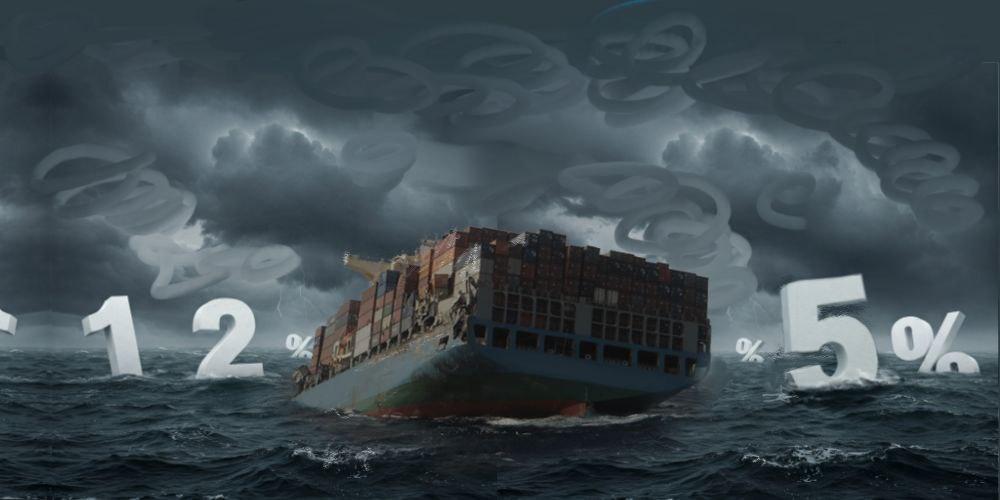
To grasp the concept of reciprocal tariffs, often referred to as the Trump Tariff, it is crucial to recognize that these tariffs have exacerbated the situation. We can explore the calculations behind the tariff rates (or Trump tariffs) aimed at addressing bilateral trade deficits, ideally reducing them to zero. While international trade models suggest that trade balances will naturally adjust over time, the reality is starkly different; the United States has faced persistent current account deficits for the last fifty years. Proponents of these tariffs argue that this ongoing trend suggests that the fundamental assumptions underlying these trade models may no longer hold as previously believed.
The reasons for the inability of trade balances to stabilize are complex and varied. Economic factors, both those related to tariffs and those unrelated to them, play a critical role in this issue. Experts highlight several regulatory challenges that American products face, including stringent environmental assessments, differing consumption tax rates, and the costs associated with compliance requirements. These challenges particularly affect the competitiveness of U.S. manufacturing when products are made in the USA due to high labor costs.
Additionally, issues such as exchange rate manipulation and currency undervaluation complicate the situation, making it less appealing for consumers to purchase American goods and contributing to imbalanced trade.
The consequences of these dynamics are significant, as shown by a marked shift in U.S. consumer demand. This shift has increasingly favored global markets over domestic products, leading to job losses. According to the Bureau of Labor Statistics (BLS), the United States experienced significant net job losses from 1979 to 2009, especially in the manufacturing sector, which lost millions of jobs due to the shift toward a service-oriented economy. This period encompassed the Great Recession (2007-2009), during which the unemployment rate peaked at 10% in October 2009. Manufacturing employment hit a peak of 19.6 million jobs in June 1979 but declined sharply by 2009.
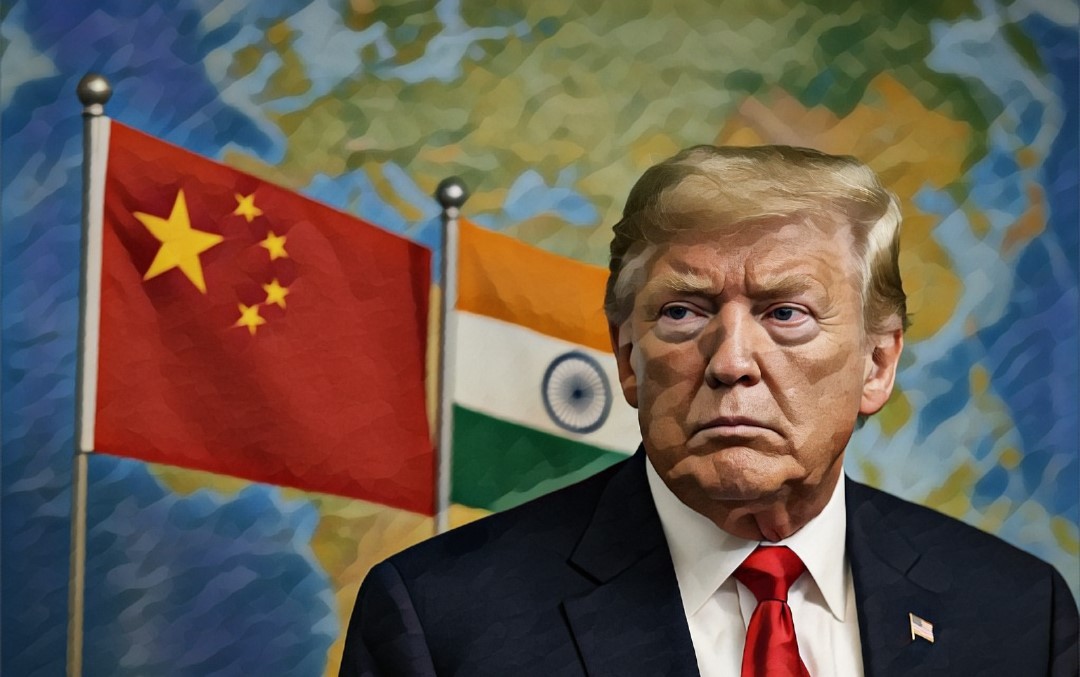
Key industries, such as fabricated metals and machinery, experienced significant job losses between 1979 and 1990, while the computer and electrical products sector also faced steep declines after 2001. It is worth noting that initially, a two-stage tariff plan was proposed: a baseline 10% tariff on most imports, followed by “reciprocal” tariffs for partners with significant U.S. trade deficits. Later, steeper measures targeting China, India, and Brazil were announced. Analysts warn these actions may increase costs and won’t significantly restore factory jobs in the USA.
One must recognize the demographic realities and the shortage of a skilled workforce in the United States. Consequently, the country relies heavily on highly qualified immigrants who have made significant contributions to technological advancements and the growth of the US economy. While the current policy may yield short-term benefits, it poses serious long-term risks to the US economy, potentially leading to inflation, recession, and unemployment — all of which are already becoming evident.
Experts suggest that alternative approaches exist to addressing these issues, advocating for a restructuring of the US economy rather than pursuing strategies that focus solely on immediate gains. The implications of this situation could extend beyond the US, affecting the entire world.
The concept of the Asian Century is no longer just a theoretical discussion; it has transformed into a palpable reality. At the heart of this shift are the vast and dynamic marketplaces of China and India, which are quickly becoming central players in the global economy. The integration of abundant natural resources from Russia and Central Asia, paired with the technological advancements and skilled labor pools from India and China, creates a robust foundation for growth and innovation. Additionally, the influx of investments from multinational corporations worldwide significantly contributes to this evolution.
This convergence of resources, talent, and capital is poised to redefine global economic landscapes. However, it is essential to recognize that the production of military goods is not a sustainable answer for nations seeking progress. The historical ramifications of a militarized approach are profound, having led to the tragic loss of millions of lives and instigating widespread hunger and suffering.
This has done little to promote unity among countries, highlighting the pressing need for a more collaborative and peaceful path forward. This fundamental truth must be urgently acknowledged and addressed as we navigate the complexities of this new era.
The views expressed in this article are those of the author and do not necessarily reflect the official policy or position of the publication, its affiliates, Samarkand State University, or any other organizations mentioned.