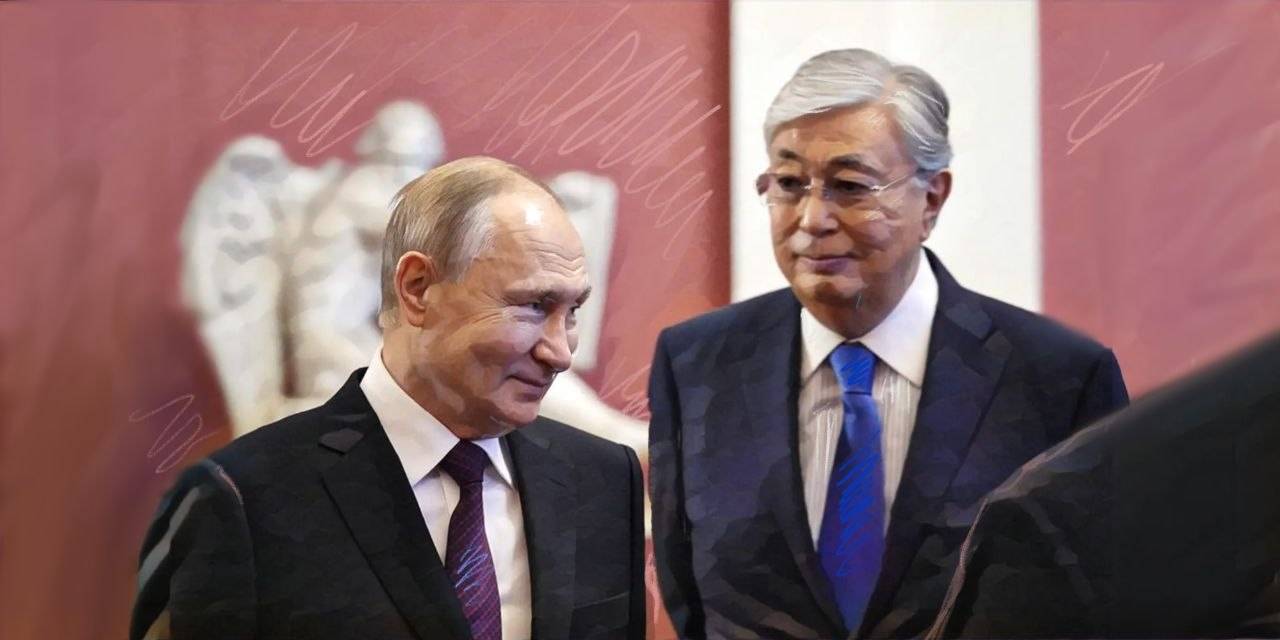
Russian President Vladimir Putin’s state visit to Kazakhstan is becoming more than a diplomatic event. It is increasingly being seen as a demonstration of how Russia and Kazakhstan are shaping one of Eurasia’s key energy and logistics axes amid the restructuring of global markets, sanctions pressure, and the continued shift of economic flows toward Asia.
Symbolically, ahead of the visit, Putin published a programmatic article in Kazakh media titled “Russia-Kazakhstan: An Alliance at the Heart of Eurasia,” in which he outlined a new framework for bilateral relations.
The Russian president focused on nuclear energy, oil and gas cooperation, transport corridors, and Eurasian integration, describing the partnership between the two countries as a factor of stability and development for the wider continent.
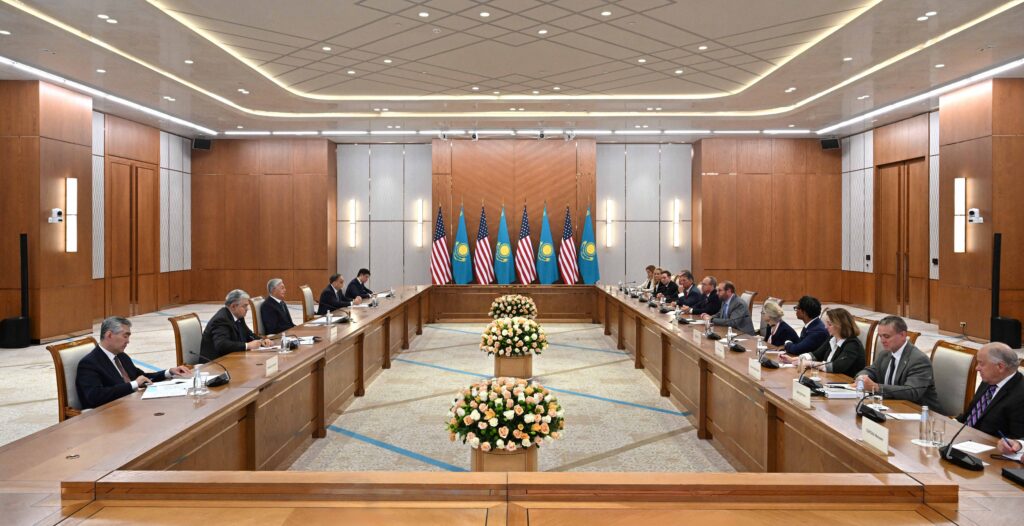
For Moscow, the current visit carries particular significance. It is Putin’s second state visit to Kazakhstan during a single presidential term. A rare occurrence in international diplomatic practice. Kremlin aide Yuri Ushakov said the move was intended to emphasize the “unprecedentedly high level of relations between our two countries.”
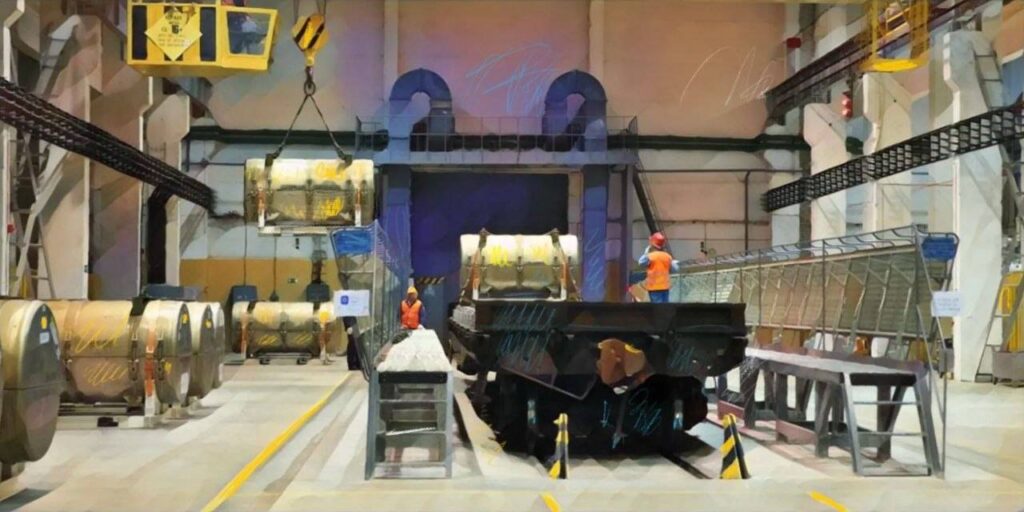
The main outcome of the talks is expected to be the signing of agreements related to the construction of Kazakhstan’s first nuclear power plant with the participation of Russia’s state nuclear corporation, Rosatom.
According to Ushakov, the two sides are expected to finalize “the main parameters for the creation of the nuclear power plant and financing of the project through a Russian state export credit.”
For Kazakhstan, the nuclear project is about far more than electricity generation. The country faces growing domestic power demand, aging infrastructure, and the need to ensure long-term energy security. At the same time, the project reflects a broader geopolitical calculation.
Nuclear energy has traditionally been one of the most sensitive forms of strategic cooperation. A country building a nuclear power plant enters into a long-term technological partnership involving fuel supplies, engineering maintenance, personnel training, and technical support lasting for decades.
Russia’s role in constructing Kazakhstan’s first nuclear power plant would therefore allow Moscow to preserve a deep technological presence in Central Asia despite its growing international isolation.
For Astana, however, cooperation with Russia in the nuclear sector remains a pragmatic choice rather than a purely political one. Kazakhstan is the world’s largest producer of uranium, yet it still lacks its own nuclear power generation sector.
Amid intensifying competition between global power centers, Kazakhstan appears less interested in choosing sides than in strengthening its resilience and turning its geography into a strategic advantage.
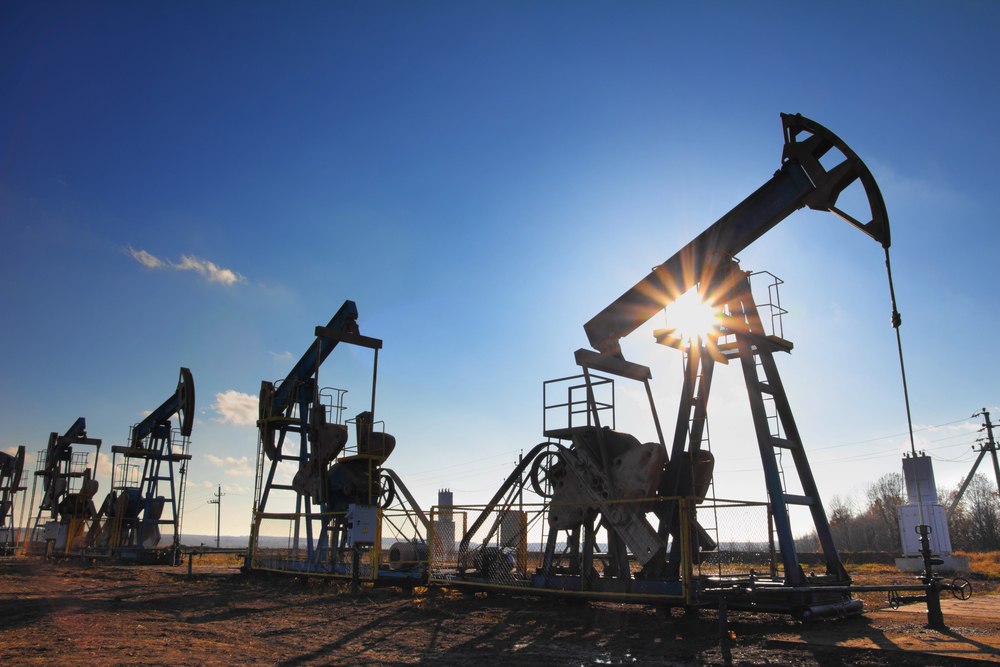
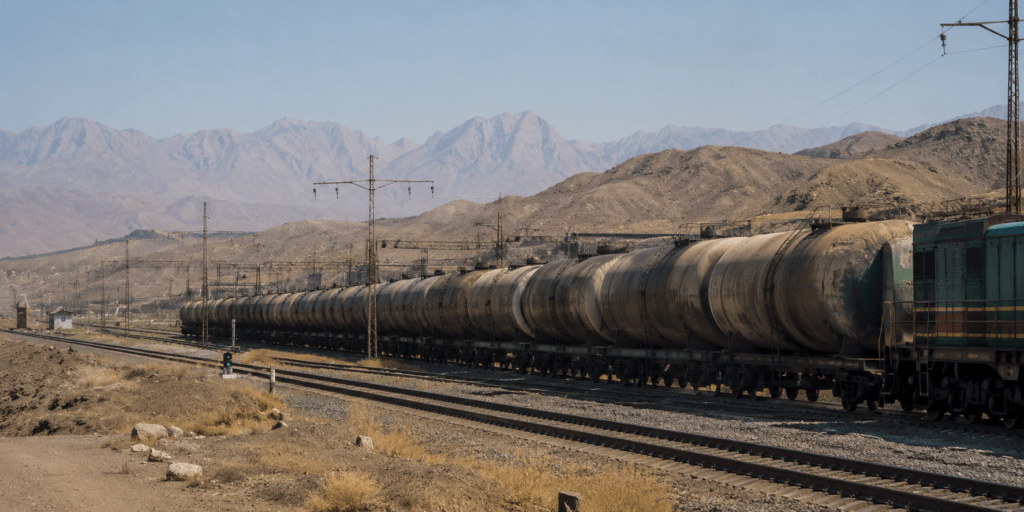
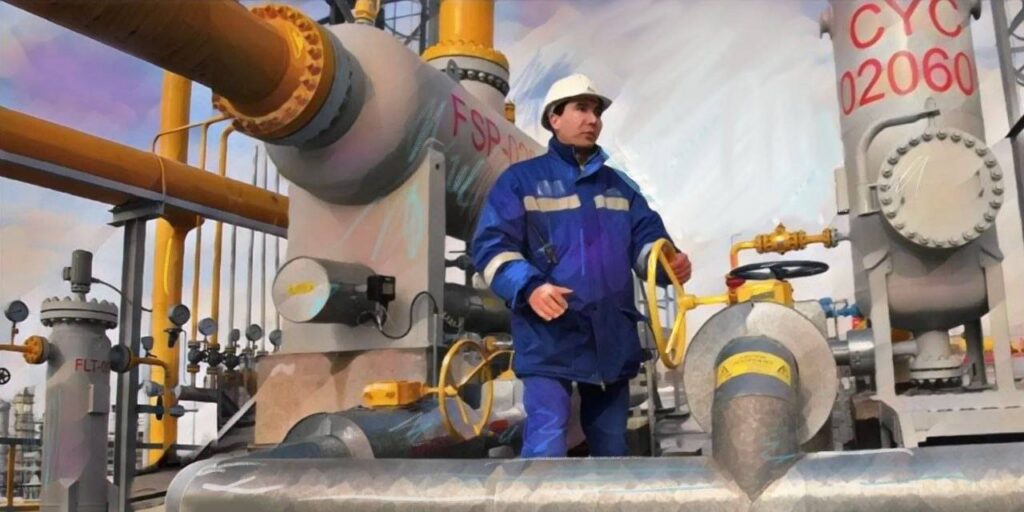
The same logic is evident in the oil and gas agenda surrounding Putin’s visit. Moscow and Astana are discussing increasing the transit of Russian oil to China through the Atasu-Alashankou pipeline from 10 million to 12.5 million tons annually. Ushakov said prospects for the negotiations were “optimistic” and noted that the legal framework for the agreements was already in its final stages.
According to KazTransOil, approximately 832,000 tons of Russian oil were transported to China through the route in April alone, while first-quarter transit volumes reached 2.5 million tons.
Kazakhstan’s dependence on Russian energy infrastructure remains considerably deeper than oil transit alone.
More than 80% of Kazakhstan’s oil exports reach global markets through Russian territory and the infrastructure of the Caspian Pipeline Consortium, making stable relations with Moscow critically important for Kazakhstan’s export security.
Kazakhstan also remains dependent on Russian petroleum product supplies and technological cooperation in refining. Russia has traditionally helped cover Kazakhstan’s domestic demand for gasoline, diesel, and aviation fuel during seasonal shortages and refinery maintenance periods.
This interdependence becomes especially visible during periods of heightened demand or logistical disruption, when Russian supplies become an important factor in Kazakhstan’s internal energy stability.
For Russia, expanding energy exports through Kazakhstan forms part of a broader pivot toward eastern markets after the loss of much of its European market. For Kazakhstan, it offers an opportunity to strengthen its status as a central transit hub connecting Russia, China, and global markets.
Against this backdrop, energy cooperation between the two countries is gradually evolving beyond a purely bilateral relationship.
In practice, a new Eurasian configuration is emerging in which Russian resources, Kazakh infrastructure, and Chinese demand together create an interdependent system capable of influencing the energy architecture of the wider region.
The broader political context adds further significance to the visit.
The talks are taking place alongside the Eurasian Economic Union summit in Astana, amid growing internal contradictions within the bloc and cooling relations between Moscow and Yerevan.
The absence of Armenian Prime Minister Nikol Pashinyan further reinforces the perception that Kazakhstan is becoming Russia’s most important regional strategic partner.
At the same time, Astana continues to pursue a cautious multi-vector foreign policy, maintaining working relations with Moscow, Beijing, Western countries, and regional neighbors.
As a result, the current rapprochement appears less ideological than pragmatic: an attempt by both sides to adapt to a rapidly changing global reality.