Uzbekistani fashion is increasingly moving beyond traditional interpretations of national motifs. A new generation of local brands is engaging with cultural heritage through streetwear, using the visual language of youth culture and contemporary identity to resonate in Uzbekistan and internationally.
The Times of Central Asia spoke with Raupjon Eshtemirov, a representative of the Uzbekistani streetwear brand OZBE, about how Uzbek ornaments, symbols, and cultural references are being transformed into modern fashion, why young people are rediscovering their cultural roots, and whether Uzbekistan’s fashion scene can gain greater international visibility.
TCA: Please tell us a little about the OZBE brand. How did it begin, and what idea did it grow from?
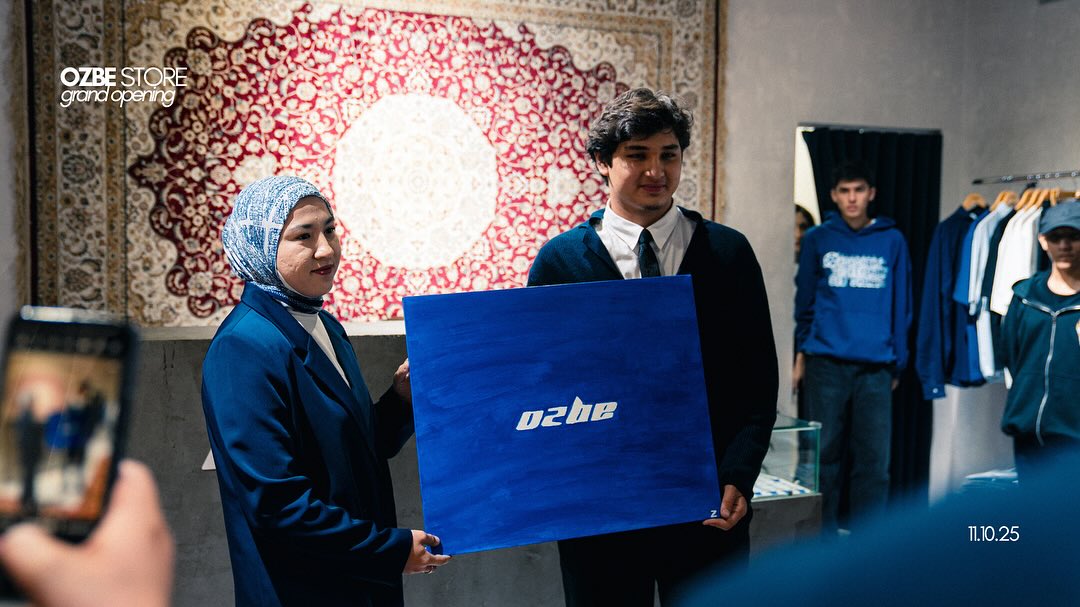
Raupjon: OZBE emerged as a local streetwear brand based on the idea of expressing the modern perspective of a new generation through clothing. We started with small drops, and gradually a community formed around the brand.
TCA: How would you describe the philosophy of OZBE? Is it more about fashion, culture, self-expression, or a new interpretation of Uzbek identity?
Raupjon: For us, OZBE is a combination of all these things. We use fashion as a tool for self-expression and for a contemporary reinterpretation of local culture and identity.
TCA: OZBE is often seen as a brand that speaks to young people in a modern visual language. How do you see your audience?
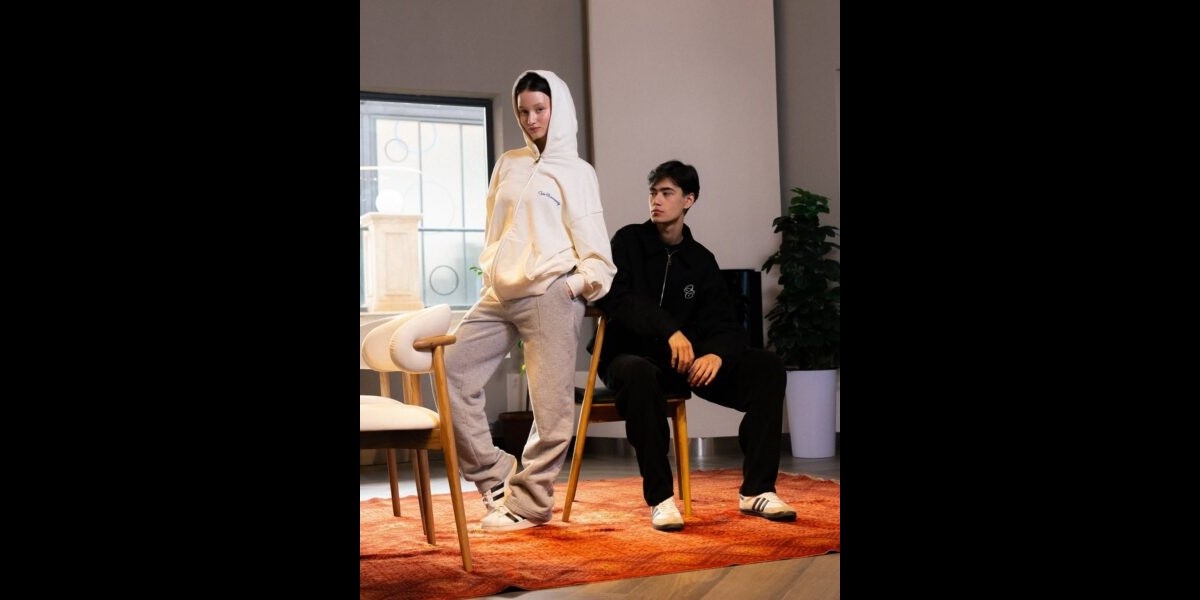
Raupjon: Our audience consists mainly of teenagers and young people for whom self-expression through style, visual culture, and clothing is important. At the same time, our audience also includes tourists and people who want to represent modern Uzbekistan through a local brand and its aesthetic.
@OZBE
TCA: Why did you choose streetwear as the main form for working with culture and local identity?
Raupjon: Streetwear is a modern form of fashion that remains timeless and extremely popular among young people and tourists. It is one of the easiest ways to combine style, culture, and a contemporary view of Uzbekistan.
TCA: Uzbekistan has a strong visual tradition, including ornaments, architecture, crafts, and patterns. How do you work with this heritage in your collections?
Raupjon: We draw inspiration from local aesthetics, but we try to adapt them to a modern visual context through forms, graphics, details, and presentation.
TCA: For you, it is important not simply to use national motifs, but to reinterpret them. What does that process involve?
Raupjon: Traditional patterns, ornaments, and cultural elements always remain recognizable and popular. For us, it is important not just to copy them, but to adapt them to modern styles and make them relevant for a new generation and for global streetwear culture.
TCA: How can Uzbek patterns, symbols, and cultural references be made to look modern and organic for younger audiences?
Raupjon: Through reworked design, modern presentation, and the use of bright, memorable phrases that attract the attention of young people and bring cultural elements closer to contemporary streetwear aesthetics.
TCA: Which aspects of Uzbek culture inspire you most: ornaments, language, urban life, music, history, or everyday culture?
Raupjon: We primarily focus on Uzbek identity itself: ornaments, symbols, cultural elements, and visual details associated with contemporary Uzbekistan.
TCA: Why do you think young people in Uzbekistan are increasingly interested in their culture and expressing it through clothing, music, and visual style?
Raupjon: Because the new generation wants to be part of global culture without losing its own identity. Through clothing, music, and visual aesthetics, young people today express themselves while also showing their connection to modern Uzbek culture.
TCA: What does “made in Uzbekistan” mean to you today in terms of quality, ideas, and cultural meaning?
Raupjon: Today, “made in Uzbekistan” is no longer only about production. It is about having a distinct cultural voice, local creativity, and a new standard of quality.
TCA: What helps young brands develop in Uzbekistan today?
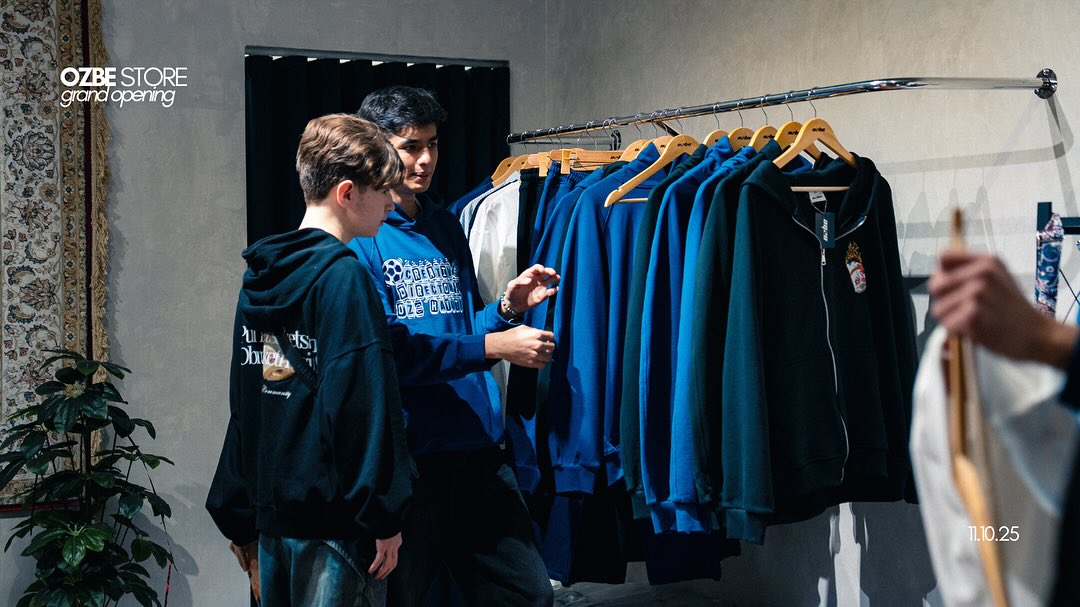
Raupjon: Social media, strong creative communities, the growth of the creative industry, and an audience that increasingly supports local projects.
@OZBE
TCA: And what remains the biggest obstacle for local brands?
Raupjon: In our opinion, one of the main problems is that the market remains too commercially driven, which makes it difficult for many brands to develop their own identity, culture, and unique visual language.
TCA: How do you see the future of Uzbek fashion? Can it become more visible internationally?
Raupjon: Yes, the potential is enormous. Uzbekistan has a strong cultural foundation and a unique visual identity. With the right presentation, Uzbek fashion can absolutely become visible on the global stage.
TCA: Finally, if you had to describe OZBE in one phrase, what would it be?
Raupjon: OZBE is the modern voice of a new generation of Uzbekistan, expressed through culture, style, and self-expression.