• KGS/USD = 0.01144 0%
  • KZT/USD = 0.00213 0%
  • TJS/USD = 0.10456 0.19%
  • UZS/USD = 0.00008 0%
  • TMT/USD = 0.28490 0%
  • KGS/USD = 0.01144 0%
  • KZT/USD = 0.00213 0%
  • TJS/USD = 0.10456 0.19%
  • UZS/USD = 0.00008 0%
  • TMT/USD = 0.28490 0%
  • KGS/USD = 0.01144 0%
  • KZT/USD = 0.00213 0%
  • TJS/USD = 0.10456 0.19%
  • UZS/USD = 0.00008 0%
  • TMT/USD = 0.28490 0%
  • KGS/USD = 0.01144 0%
  • KZT/USD = 0.00213 0%
  • TJS/USD = 0.10456 0.19%
  • UZS/USD = 0.00008 0%
  • TMT/USD = 0.28490 0%
  • KGS/USD = 0.01144 0%
  • KZT/USD = 0.00213 0%
  • TJS/USD = 0.10456 0.19%
  • UZS/USD = 0.00008 0%
  • TMT/USD = 0.28490 0%
  • KGS/USD = 0.01144 0%
  • KZT/USD = 0.00213 0%
  • TJS/USD = 0.10456 0.19%
  • UZS/USD = 0.00008 0%
  • TMT/USD = 0.28490 0%
  • KGS/USD = 0.01144 0%
  • KZT/USD = 0.00213 0%
  • TJS/USD = 0.10456 0.19%
  • UZS/USD = 0.00008 0%
  • TMT/USD = 0.28490 0%
  • KGS/USD = 0.01144 0%
  • KZT/USD = 0.00213 0%
  • TJS/USD = 0.10456 0.19%
  • UZS/USD = 0.00008 0%
  • TMT/USD = 0.28490 0%

Opinion: Prospects for Central Asia’s Access to Persian Gulf Infrastructure

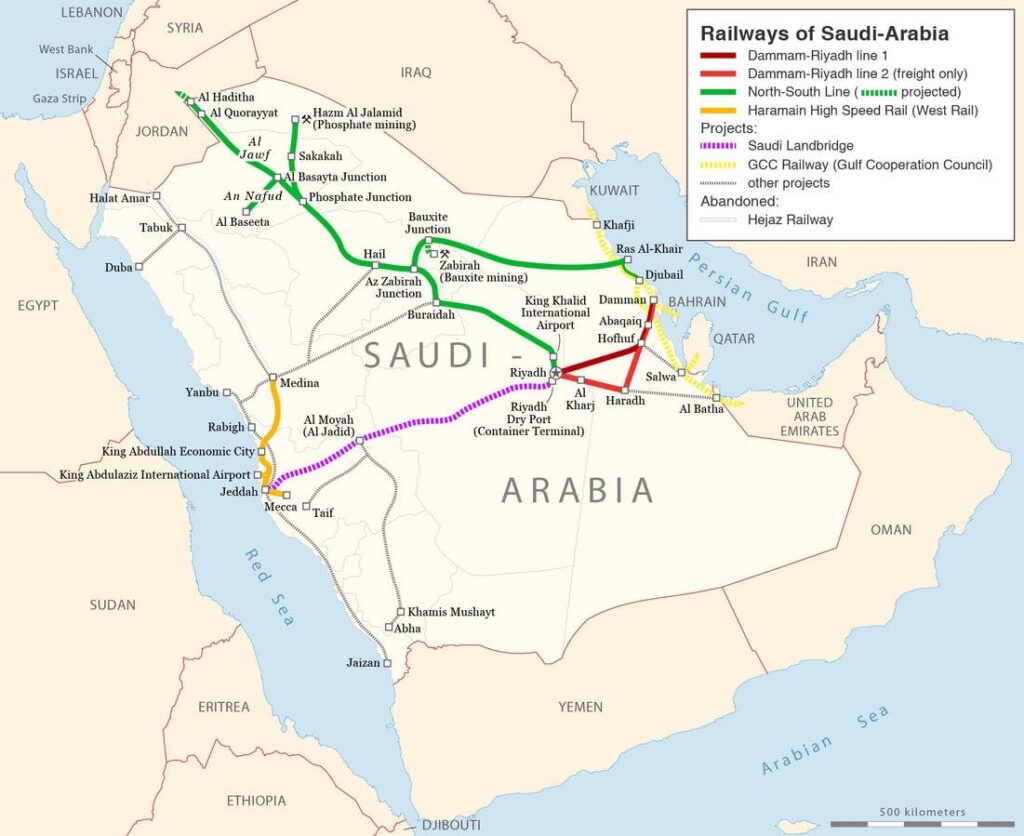
The agreement signed on December 8, 2025, between Saudi Arabia and Qatar to construct a high-speed railway linking Riyadh and Doha marks a pivotal development in transport connectivity across the Persian Gulf. Beyond its bilateral implications, the project could have broader consequences for transregional logistics, particularly for Central Asia and Kazakhstan.

The 785-km railway will pass through key cities in Saudi Arabia’s Eastern Province, including Dammam and Al-Hufuf, and will connect King Salman and Hamad International Airports. Trains are expected to reach speeds exceeding 300 km/h, reducing travel time between the two capitals to approximately two hours. The six-year project is projected by officials to boost the combined GDP of both countries by around $30 billion and create up to 30,000 jobs.

The Gulf Railway and New Regional Connectivity

The Riyadh-Doha line is a central element of the Gulf Railway initiative, which is seeking to establish a unified railway network among Gulf Cooperation Council (GCC) member states, Saudi Arabia, Qatar, the UAE, Bahrain, Kuwait, and Oman, with a target date of around 2030.

Originally envisioned primarily as a freight system, the Gulf Railway is increasingly incorporating high-speed passenger services alongside freight, reflecting the region’s push for greater internal integration and reduced dependence on air travel. The Riyadh-Doha segment forms a vital axis between the Gulf’s political and financial hubs and is expected to link with Saudi, Emirati, and Omani infrastructure, laying the groundwork for a more integrated regional transport system.

Beyond the Peninsula

While the Gulf Railway’s scope is geographically confined to the Arabian Peninsula, meaningful integration with Eurasia would require additional connectivity, particularly via land and multimodal routes through Iran, Turkey, and the Caspian region. Among these, the overland corridor through Iran is especially significant, though constrained by sanctions, financing risks, and political uncertainty.

Kazakhstan-Turkmenistan-Iran Corridor

Unlike many conceptual infrastructure proposals, the Kazakhstan-Turkmenistan-Iran railway, operational since 2014, is already a functioning freight corridor. It provides Central Asian nations with direct access to Persian Gulf ports and Middle Eastern markets.

For Kazakhstan, the route offers strategic diversification away from traditional corridors. While no formal plans exist to link GCC rail infrastructure directly with Central Asia, the emergence of high-capacity Gulf rail corridors reshapes the long-term connectivity landscape. A future interface could allow Astana overland access to Gulf markets, while enabling reciprocal flows from the Gulf into Central Asia, China, and Europe.

President Kassym-Jomart Tokayev has previously described Iran as a “gateway” to Southeast Asia and Africa. Kazakhstan has also outlined plans to establish its own logistics terminal in the Iranian port of Shahid Rajai in Bandar Abbas, further enhancing its position in Gulf-Eurasia trade flows.

Iran’s Evolving Role

Historically, Iran’s role as a transit state has been hampered by international sanctions and regional tensions. However, the 2023 normalization of relations between Saudi Arabia and Iran, brokered by China, has altered the regional calculus. Although still fragile, this diplomatic thaw improves prospects for long-term infrastructure projects involving Iran as a critical transit link between the Persian Gulf and Eurasia.

Alternatives and Their Limitations

In parallel, multimodal routes via ports in the UAE, Qatar, and Oman, such as Jebel Ali, Hamad, and Sohar, offer complementary options. These established hubs provide access to global maritime trade but do not offer seamless land-based rail connections to Central Asia. They enhance supply chain resilience but fall short of delivering the strategic depth offered by integrated land corridors.

Even under favorable geopolitical conditions, integrating Central Asia’s rail systems with GCC infrastructure would face multiple challenges: the high capital requirements of such projects, differing rail gauges, incompatible technical standards, fragmented management systems, and bottlenecks in specific segments of the network.

Addressing these issues would require investment from international financial institutions, sovereign wealth funds, and public-private partnerships. China could also play a role under the framework of its Belt and Road Initiative.

Outlook

The Riyadh-Doha high-speed railway is not merely a regional upgrade; it signals a broader transformation of the Gulf’s transport architecture. As the GCC evolves into an integrated transport and economic zone, the need for external connectivity will grow.

This creates a strategic opening for Kazakhstan and its Central Asian neighbors. Strengthening the existing Kazakhstan-Turkmenistan-Iran corridor, and positioning it to interface with future Gulf infrastructure, could position Kazakhstan as a northern hub, bridging the Persian Gulf with continental transport corridors across Eurasia.


The views expressed in this article are those of the author and do not necessarily reflect the official policy or position of the publication, its affiliates, or any other organizations mentioned.


What’s Really Happening With Waste Processing in Kazakhstan

Official statistics suggest that Kazakhstan is making steady progress in recycling solid municipal waste (SMW), but a closer look reveals a significant technological shortfall. According to an analysis by Energyprom.kz, behind the rising recycling percentages lies a troubling gap between reported sorting and actual reuse.

As of December 2025, the share of municipal waste reportedly recycled or reused had reached 28.6%, up from 25.9% at the end of 2024. On paper, this suggests progress toward the Ministry of Ecology’s target of 40% by 2040.

However, the real picture is more complex. Only 1.1% of all municipal waste actually results in the production of secondary raw materials. Analysts emphasize the wide gap between the amount sorted and the amount truly recycled.

According to Kazakhstan’s National Statistics Bureau, the country generates between 4.2 million and 4.8 million tons of municipal solid waste annually. In 2024, the figure hit a peak of 4.8 million tons. Of that, about 1.3 million tons were sorted and recorded as recycled or reused, more than one-quarter of the total. But crucially, this refers only to the volume that passed through sorting facilities. Much of the remaining 4.5 million tons was ultimately sent to landfill, including a significant share of the sorted waste.

In 2024, 37.1% of sorted municipal waste, about 490,400 tons, was still landfilled. In other words, more than a third of the “recycled” waste never became usable raw material.

In some regions, the situation is even more stark. At certain waste processing plants, including in Almaty, up to 85% of sorted waste ends up in landfill due to outdated technologies and limited processing capacity. Without substantial upgrades to equipment and processes, this is unlikely to change.

That said, there has been measurable improvement. In 2023, 65.9% of sorted waste was landfilled, compared to 37.1% in 2024. Meanwhile, the volume of waste actually sent for recycling rose from 358,900 tons to 588,200 tons.

Even so, only 49,200 tons of waste were ultimately processed into secondary raw materials, just 8.4% of the sorted waste and a mere 1.1% of Kazakhstan’s total municipal waste. For comparison, the figure was just 0.7% the previous year.

More than 40% of waste processed at SMW facilities in 2024 consisted of plastic and paper, with plastic being the most straightforward to recycle. That year, 112,400 tons of plastic were recycled, an 8.5% increase over 2023. Waste paper collection reached 124,400 tons. Other materials processed include glass, metals, and used tires. Tire recycling has grown particularly quickly, with volumes increasing nearly twentyfold year-on-year.

Despite this modest progress, Kazakhstan’s waste accumulation problem remains severe. The country has already amassed 48.3 million tons of solid waste. Of the approximately 3,000 landfills currently in operation, only 20.6% meet national standards.

The best-performing regions include Zhambyl and Ulytau, as well as the cities of Astana and Shymkent. The worst conditions are found in North Kazakhstan, Turkestan, and Abai regions, where fewer than 3% of landfills comply with regulations.

In 7 of Kazakhstan’s 20 largest cities, landfill capacity is nearing exhaustion. In Astana, landfills are 98% full. In Atyrau, Turkestan, Shymkent, Uralsk, and Petropavlovsk, capacity is around 90%. Zhezkazgan’s landfill is already overflowing.

Water Shortages Cut Hydropower Output in Uzbekistan

Electricity generation at Uzbekistan’s hydropower plants has declined significantly due to water shortages, Energy Minister Jurabek Mirzamahmudov told lawmakers during a recent session of the Legislative Chamber of the country’s parliament, the Oliy Majlis, according to reports in Uzbek media.

Mirzamahmudov said water inflows to major hydropower facilities had fallen by 35%, directly impacting electricity production compared with last year. He was responding to a question from deputy Saydullo Azimov, who inquired about the ongoing decline in hydropower output.

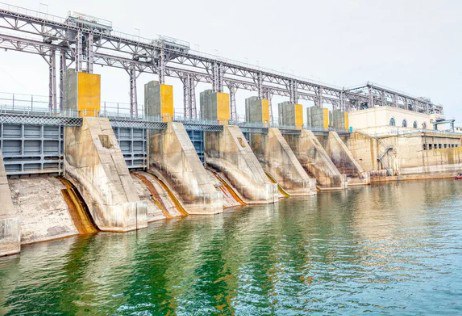
“The main reason for the drop in electricity generation at large hydropower plants compared to last year is the reduced water inflow,” Mirzamahmudov said. He added that while Uzbekistan has commissioned a number of small and micro hydropower stations, with capacities ranging from one to five megawatts, these facilities collectively produced only about 140 million kilowatt hours of electricity. This output, he noted, remains limited and cannot compensate for the shortfall at major plants.

Mirzamahmudov reaffirmed the government’s commitment to further developing the hydropower sector but acknowledged its heavy reliance on water availability. To reduce dependence on natural gas and enhance energy security, Uzbekistan is increasingly investing in alternative energy sources. “We are paying special attention to solar and wind power, as well as energy storage systems,” he said, noting that these options offer more consistent short-term performance.

He also revealed plans to construct pumped-storage power plants, which store excess electricity for use during peak demand periods. However, he pointed out that building a large hydropower facility typically takes six to ten years, making green energy projects the most viable option for addressing immediate energy needs.

In a related development, Uzbekistan and Tajikistan agreed in July to a new phase of electricity trade. Under the deal, power from Tajikistan’s Rogun Hydropower Plant will be exported to Uzbekistan at an initial rate of 3.4¢ per kilowatt hour. The agreement, which has a 20-year term with automatic extensions, builds on electricity exports that Tajikistan has supplied to Uzbekistan each summer since 2018.

Russia Closes Criminal Case Into AZAL Plane Crash Near Aktau

Russia has closed its criminal investigation into the crash of an Azerbaijan Airlines (AZAL) aircraft near Aktau, a move that has drawn sharp criticism from Baku, according to Azerbaijani news outlet Minval Politika.

Citing Foreign Minister Jeyhun Bayramov, the outlet reported that a letter from Alexander Bastrykin, the head of Russia’s Investigative Committee, notifying Baku of the case’s closure caused “serious surprise” on the Azerbaijani side. Bayramov stated that Azerbaijan had issued a detailed and principled response to the letter and expects the process to proceed in accordance with public commitments made by Russian President Vladimir Putin in Dushanbe, as well as bilateral agreements between the two countries.

The announcement came just days after Kazakhstan’s Ministry of Transport issued an interim update on its own investigation into the December 2024 crash of the Embraer E190 aircraft operated by AZAL. The update noted that accredited representatives from Azerbaijan, Russia, and Brazil are participating in the probe, alongside an observer from the International Civil Aviation Organization.

The crash occurred on December 25, 2024, when the aircraft was operating a scheduled passenger flight from Baku to Grozny. After multiple failed landing attempts in Grozny, the crew diverted to Aktau, on Kazakhstan’s Caspian Sea coast. The plane reportedly circled the airfield twice before crashing near the runway and catching fire.

Of the 67 people aboard, 62 passengers and five crew members, 38 were killed. The remaining 29 survived, including two members of the flight crew.

Kazakhstan’s Ministry of Transport emphasized that the sole objective of its ongoing investigation is to determine the causes and contributing factors of the accident to prevent similar incidents in the future. The final report, including safety recommendations, will be released once all technical analyses are complete.

In September, The Times of Central Asia reported that Russia had begun disbursing insurance payments related to the crash. The Russian Foreign Ministry stated that AlfaStrakhovanie JSC, one of Russia’s largest insurers and currently under Western sanctions over the war in Ukraine, began issuing compensation in February 2025. Azerbaijan Airlines reportedly received full compensation of 1.003 billion rubles (approximately $12.3 million) for the aircraft.

Additionally, insurance claims related to injuries and fatalities among 46 of the 62 passengers had been settled. These included payments to seven of the 15 Russian citizens, 35 of the 38 Azerbaijani citizens, all three Kyrgyz citizens, and one of the six Kazakh citizens on board. As of that date, total insurance payouts to injured passengers and the families of those killed amounted to 358.4 million rubles.

Russia’s decision does not affect the ongoing technical investigation being led by Kazakhstan.

Kazakhstan Sets 2026 Quota for Foreign Workers

Kazakhstan has set its 2026 quota for the employment of foreign workers at 0.25% of the country’s total labor force, according to the Ministry of Labor and Social Protection. The annual quota is part of the government’s policy to regulate labor migration and safeguard the domestic job market.

The 2026 quota includes specific allocations across several categories of foreign workers: 726 permits for senior managers and their deputies (first category), 3,402 for heads of structural divisions (second category), 5,893 for specialists (third category), and 3,131 for skilled workers (fourth category). An additional 4,994 permits have been allocated for seasonal labor.

Separately, the quota for foreign labor employed in private households has been set at 2.9% of Kazakhstan’s total labor force for the year.

The new quotas mark an increase from 2025, when the initial foreign labor cap was 0.2%, equivalent to 14,800 permits. In March 2025, that figure was raised to 16,500 following requests from regional authorities grappling with labor shortages.

As of December 1, 2025, 14,103 foreign nationals were officially employed in Kazakhstan. The largest contingents came from China, Uzbekistan, Turkey, and India, underscoring the country’s continued dependence on migrant labor in construction, industry, and other specialized sectors.

The quota-based system reflects Kazakhstan’s broader strategy to meet economic labor demands while prioritizing employment for domestic workers, particularly amid ongoing infrastructure expansion and industrial development.

Eco-Friendly Quraq-Korpe Christmas Tree Installed in Astana

An unconventional art installation has appeared in Astana’s new administrative center: an eco-friendly Christmas tree styled after quraq-korpe, the traditional Kazakh patchwork quilt. Created by local volunteers, the project is part of the city’s broader initiative to incorporate national cultural heritage into contemporary public spaces.

Quraq-korpe, made from multi-colored fabric scraps, symbolizes warmth, family, and hospitality. The New Year’s tree, hand-assembled from textile elements and installed on the left bank of the Ishim River, reflects these values in a striking urban art form.

A similar eco-tree was first introduced in the capital in 2020 and proved popular with both residents and visitors. In response to public interest, the project was revived in 2025 with a fresh concept and deeper symbolic meaning, focusing on community involvement.

Image: gov.kz

“The eco-tree project in the quraq-korpe style has returned to the city at the request of residents,” said organizer Rakhima Mukusheva. “This year’s version is inspired by the Year of Working Professions and the Year of the Horse, symbols of labor, movement, strength, and a living connection to tradition.”

All the tree’s decorations were handmade by Astana residents of all ages. More than 50 volunteers across three generations, grandmothers, mothers, daughters, and grandchildren, contributed to the effort. Within two days, they crafted over 100 unique textile ornaments, which were placed in a symbolic “chest of goodness” as part of the installation. The tree will remain on display through January 20, inviting the public to experience it during the holiday season.

Image: gov.kz

According to the Astana mayor’s office, the initiative supports Kazakhstan’s Year of Working Professions and highlights the value of labor, craftsmanship, and intergenerational professional traditions. It also showcases the potential of handicrafts as a foundation for cultural initiatives and the creative economy.

Interest in Kazakhstan’s national culture continues to grow internationally. As previously reported by The Times of Central Asia, a cultural event called NoMad was recently held in New York to celebrate Kazakh identity.

In Kazakhstan, Christmas is officially celebrated on January 7 by Orthodox Christians as a public holiday, while December 25 is observed privately by Catholic and Protestant communities.