• KGS/USD = 0.01144 0%
  • KZT/USD = 0.00211 0%
  • TJS/USD = 0.10460 0.19%
  • UZS/USD = 0.00008 0%
  • TMT/USD = 0.28490 0%
  • KGS/USD = 0.01144 0%
  • KZT/USD = 0.00211 0%
  • TJS/USD = 0.10460 0.19%
  • UZS/USD = 0.00008 0%
  • TMT/USD = 0.28490 0%
  • KGS/USD = 0.01144 0%
  • KZT/USD = 0.00211 0%
  • TJS/USD = 0.10460 0.19%
  • UZS/USD = 0.00008 0%
  • TMT/USD = 0.28490 0%
  • KGS/USD = 0.01144 0%
  • KZT/USD = 0.00211 0%
  • TJS/USD = 0.10460 0.19%
  • UZS/USD = 0.00008 0%
  • TMT/USD = 0.28490 0%
  • KGS/USD = 0.01144 0%
  • KZT/USD = 0.00211 0%
  • TJS/USD = 0.10460 0.19%
  • UZS/USD = 0.00008 0%
  • TMT/USD = 0.28490 0%
  • KGS/USD = 0.01144 0%
  • KZT/USD = 0.00211 0%
  • TJS/USD = 0.10460 0.19%
  • UZS/USD = 0.00008 0%
  • TMT/USD = 0.28490 0%
  • KGS/USD = 0.01144 0%
  • KZT/USD = 0.00211 0%
  • TJS/USD = 0.10460 0.19%
  • UZS/USD = 0.00008 0%
  • TMT/USD = 0.28490 0%
  • KGS/USD = 0.01144 0%
  • KZT/USD = 0.00211 0%
  • TJS/USD = 0.10460 0.19%
  • UZS/USD = 0.00008 0%
  • TMT/USD = 0.28490 0%

Rising Border Insecurity Puts Chinese Interests at Risk in Tajikistan

Mounting insecurity along the Tajikistan-Afghanistan border is increasingly threatening Chinese interests and heightening Beijing’s concerns about regional stability, Al Jazeera has reported, citing recent incidents and official statements from Dushanbe. According to the report, the Tajik authorities have recorded multiple armed infiltrations from Afghan territory in recent months, resulting in more than a dozen deaths. Among the victims were five Chinese nationals working on infrastructure and mining projects in remote areas of Tajikistan. The attacks reportedly targeted Chinese companies and personnel specifically, prompting alarm in Beijing.

Al Jazeera noted that China is Tajikistan’s largest creditor and one of its most significant economic partners. Chinese firms have a major presence in road construction, infrastructure, and extractive industries, many of which are situated near the porous Afghan border. The growing threat of violence has raised serious concerns among Chinese officials about the safety of their citizens and investments.

Tensions escalated dramatically on November 26, when a drone strike hit a Chinese-operated gold-mining facility, and gunfire targeted workers at a state-owned enterprise. Several Chinese nationals were reportedly killed in the coordinated attacks. In response, the Chinese embassy in Dushanbe advised Chinese citizens and enterprises to withdraw from border areas and called on Tajik authorities to take “all necessary measures” to protect Chinese nationals and assets.

Citing regional analysts, Al Jazeera reported that although no group has claimed responsibility, the tactics are consistent with those used by Islamic State Khorasan Province (ISKP). Analysts believe ISKP is attempting to undermine the Taliban’s claims of providing security by deliberately targeting foreign nationals, particularly Chinese workers.

Tajik officials described the incidents as evidence of the Taliban’s “irresponsibility” and repeated failure to deliver on its international commitments. Dushanbe has demanded an official apology and concrete guarantees regarding border security. Most of the recent attacks, according to Tajik authorities, have originated from Afghanistan’s Badakhshan province, a complex and fragile security zone. The Taliban’s crackdown on poppy cultivation, which has provoked resentment among local farmers, is believed to have further destabilized the area.

The Taliban have expressed regret over the incidents, blamed unspecified non-state actors, and insisted that Afghanistan poses no threat to neighboring countries. They reaffirmed their commitment to the Doha Agreement and regional stability.

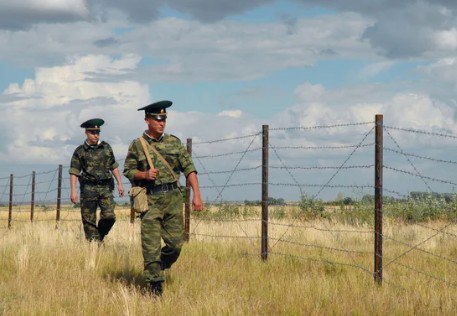
In December, Tajikistan’s State Committee for National Security (SCNS) reported another armed incident on the southern frontier. According to the SCNS, three armed individuals crossed into Tajik territory late on December 23 and attempted to attack a border post in the Shamsiddin Shohin district. The intruders, who refused to surrender, were killed in a firefight. Two Tajik border guards also died in the clash, underscoring the persistent volatility along the border.

Kazakhstan Releases Interim Findings on Azerbaijan Airlines Crash

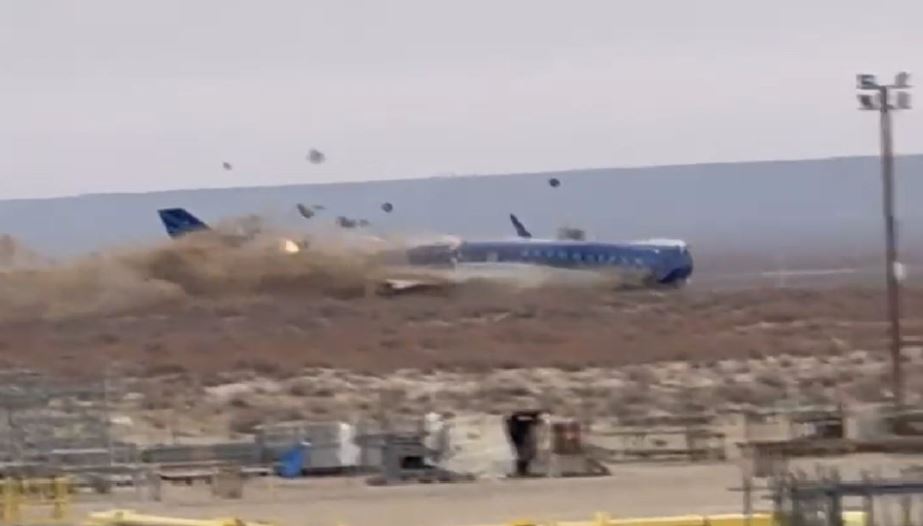
Kazakhstan’s Ministry of Transport has released an interim update on the investigation into the crash of an Embraer 190 aircraft operated by Azerbaijan Airlines, which went down near the city of Aktau one year ago during a passenger flight from Baku to Grozny. The incident triggered a major diplomatic rift between Russia and Azerbaijan, straining bilateral relations for months, though ties have recently begun to stabilize. The update was published in an official statement dated December 25, 2025, marking the first anniversary of the tragedy.

According to the ministry, the aircraft, registered as 4K-AZ65 and operating flight J2-8243, crashed on December 25, 2024, near Aktau in western Kazakhstan. The disaster claimed the lives of 38 people, including three crew members, while 29 others sustained injuries of varying severity. The investigation is being led by a special commission under the Ministry of Transport, established by ministerial order the day after the crash.

The ministry emphasized that the investigation is being conducted in full compliance with Annex 13 of the Convention on International Civil Aviation. Under these international standards, the purpose of an aviation accident investigation is solely to prevent similar incidents in the future, not to assign blame or determine legal liability. Separately, the Kazakh authorities confirmed that a parallel criminal investigation is being conducted by law enforcement agencies. As required under International Civil Aviation Organization (ICAO) rules, these two processes are proceeding independently.

The interim report notes that accredited representatives from Azerbaijan, Russia, and Brazil are participating in the investigation, along with an observer from ICAO. A preliminary report was previously issued on February 4, 2025.

Image: Department for Investigation of Accidents and Incidents in Transport preliminary report from February 2025

Investigators have collected and analyzed a broad array of data, including information on the flight crew, air traffic control, airline operational procedures, flight planning documents, weather conditions, and maintenance records. Copies of the aircraft’s logbook and other relevant documents have also been obtained.

Significant progress has been made in examining the aircraft’s flight recorders. Information from the flight data recorder has been successfully extracted and decoded, and the cockpit voice recorder has been fully analyzed. A detailed inspection of the crash site has been conducted, including mapping the distribution of debris. Key components were documented, photographed, collected, and transported for further study.

Several specialized forensic examinations were also conducted. Analyses of foreign metallic objects found at the site, including trace, ballistic, explosive, and fire tests, did not reveal any traces of explosive substances. No signs of detonation were found on the three oxygen cylinders submitted for testing. However, investigators concluded that damage to the aircraft was likely caused by external metallic fragments “consistent with fragments that may resemble warhead components,” although their origin could not be definitively identified.

A separate analysis of hydraulic system No. 2 revealed that the tubing had sustained rupture damage due to impact with solid objects. Experts determined that the punctures were likely caused by external metal fragments composed of iron-based alloys such as steel.

Investigators also attempted to recover data from the aircraft’s Central Maintenance Computer, manufactured by Honeywell International. Due to severe thermal damage, data retrieval was not possible. According to the interim report, and based on Honeywell’s recommendations, Kazakhstan’s investigation team is now coordinating with the U.S. authorities to conduct further analysis at the facilities of Delkin Devices, the manufacturer of the memory card. Meanwhile, analysis of GPS units retrieved from the avionics modules has been completed, and the findings are under review.

Two dedicated working groups have been formed as part of the investigation. One group is reviewing how flight risks were assessed over or near conflict zones, in line with ICAO guidance. This includes examining documents from the Russian and Azerbaijani aviation authorities and Azerbaijan Airlines, as well as reviewing coordination between civil and military aviation. The second group has reconstructed components of the aircraft’s hydraulic system in Aktau to study the sequence of technical failures.

The Ministry of Transport noted that the timeline for completing the investigation depends on the results of the remaining technical analyses. Once finalized, the full report, including conclusions, contributing factors, and safety recommendations, will be published on the ministry’s official website.

Kyrgyzstan Launches Its First Solar Power Plant

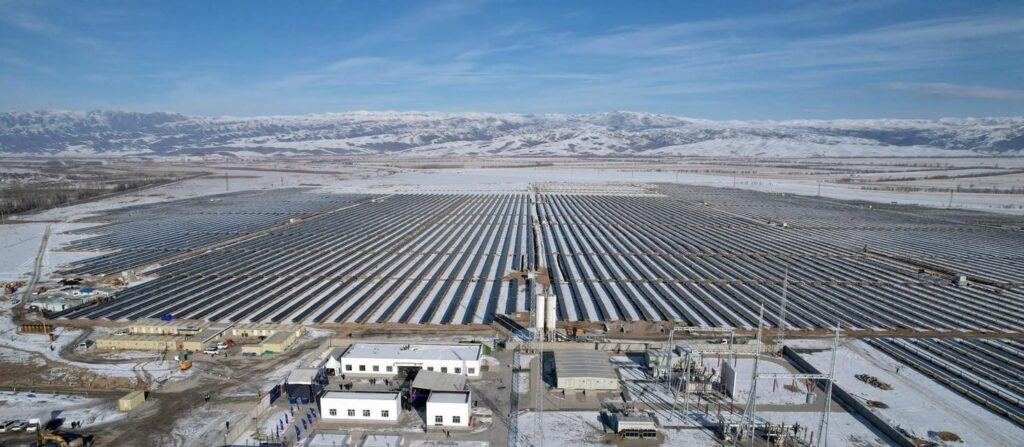
On December 24, Kyrgyzstan inaugurated its first solar power plant in the Kemin district of the Chui region, approximately 100 kilometers east of the capital, Bishkek.

The 100-megawatt facility was constructed with $56 million in Chinese investment and is expected to generate approximately 210 million kWh of clean electricity annually. According to government estimates, this output will reduce carbon dioxide emissions by 120,000 tons per year.

Speaking at the launch ceremony, President Sadyr Japarov described the project as one of the largest foreign investments in Kyrgyzstan’s renewable energy sector to date. He said the plant signals a new phase in the country’s energy transition and its commitment to sustainable development.

“The opening of the solar power plant marks the beginning of an important stage in strengthening our country’s energy independence and developing renewable energy sources,” Japarov said. “We now recognize that without the active development of renewables, it is impossible to fully ensure stable electricity supplies for both the population and economic sectors.”

Japarov added that the Cabinet of Ministers has signed 12 agreements with investors to build solar and wind power facilities with a combined capacity of over 5 gigawatts.

The solar plant is part of a broader development plan for the Kemin area and the wider Chui region, including the creation of an environmentally sustainable urban center, Kemin City. In January 2025, Japarov signed a decree allocating 353 hectares for the project, which aims to provide modern housing, reduce outward migration, and retain local skilled labor.

Located about 95 kilometers from Bishkek, Kemin and the nearby town of Orlovka were once industrial hubs during the Soviet era. The collapse of the USSR led to the closure of many enterprises, triggering significant out-migration. The development of Kemin City and supporting infrastructure is intended to reverse these trends and revitalize the local economy.

Also on December 24, President Japarov visited the construction site of a major cement plant in the Kemin district, another project backed by Chinese investment. Scheduled to be commissioned in 2027, the facility is expected to produce 3,200 tons of clinker per day.

The project will create more than 300 jobs during the construction phase and over 500 permanent positions once fully operational.

Japarov emphasized the strategic importance of the plant for the region’s socioeconomic development and instructed government agencies to provide full support to the project’s investor.

More Than a Third of Migrant Workers in Kazakhstan Are Chinese Citizens

More than 35% of all foreign nationals officially working in Kazakhstan are Chinese citizens, according to data published by the Ministry of Labor and Social Protection of the Republic of Kazakhstan.

As of December 1, 2025, a total of 14,103 foreign citizens were employed in Kazakhstan under permits issued by local executive authorities.

The largest group of labor migrants comprises Chinese nationals, 5,604 individuals, representing over 35% of the total. They are followed by citizens of Uzbekistan (2,110 people, about 15%), Turkey (1,036 people, over 7%), and India (943 people, more than 6%). Migrants from other countries make up roughly 35% of the foreign labor force, a proportion nearly equal to that of China.

In 2025, the structure of permits for foreign labor included 537 issued to managers and their deputies (first category), and 2,244 to heads of structural divisions (second category). Most foreign workers fell into the third and fourth categories, specialists (3,784 people) and skilled workers (1,271 people). Additionally, 2,299 permits were granted for seasonal work, and 3,970 were issued as part of corporate transfers.

The ministry reported that 1,817 employers in Kazakhstan currently utilize foreign labor. These companies also employ more than 334,000 Kazakhstani citizens, who make up about 96% of their total workforce.

By sector, the highest number of foreign workers are employed in construction, 4,993 people, just over 35%. Other major sectors include agriculture, forestry, and fisheries (2,316 workers, 16.5%), mining and quarrying (1,235 workers, about 9%), and manufacturing (1,155 workers, approximately 8%).

To safeguard the domestic labor market, Kazakhstan sets an annual quota for the employment of foreign workers. In 2025, the initial quota was 0.2% of the workforce, or 14,800 permits. This figure was raised to 16,500 in March at the request of regional authorities.

In August, the quota was increased further to 0.25% or 19,400 permits, following the expansion of the list of professions eligible for seasonal foreign workers. It was later revised down to 16,700 permits, based on updated regional needs.

As previously reported by The Times of Central Asia, more than 80,000 Russian citizens received residence permits to work in Kazakhstan between January 2023 and September 2024.

Two Tajik Border Guards Killed in Attack Along Afghan Border

Tajikistan’s border troops have reported an armed incident along the country’s southern border with Afghanistan. While the attackers were neutralized during the confrontation, Tajikistan suffered casualties among its personnel.

According to the State Committee for National Security (SCNS) of the Republic of Tajikistan, the incident occurred late on December 23, 2025. Three armed individuals described as “members of a terrorist organization” attempted to launch an attack on border post No. 5 “Bo” of the 0341 “Sarchashma” detachment in the Shamsiddin Shohin district.

The intruders illegally crossed the state border at approximately 11:30 p.m. and entered Tajik territory. The following morning, at 11:15 a.m., Tajik border guards located the suspects. According to the official statement published by the Khovar news agency, the attackers refused to surrender and opened fire.

All three assailants were killed in the ensuing operation. Tajik security forces seized a significant cache of weaponry at the scene, including three M-16 rifles, a Kalashnikov assault rifle, three foreign-made pistols equipped with silencers, ten hand grenades, one pair of night vision goggles, explosives, and other combat gear.

Two members of the Border Troops of the SCNS, Zirekhbon Navruzbekov and Ismatullo Kurbonov, were killed in the clash. Authorities extended their condolences to the families of the fallen officers.

The SCNS noted that this was the third such incident in the past month involving armed incursions from Afghan territory. In a strongly worded statement, the border service criticized the Taliban authorities for failing to uphold their international obligations and repeated commitments to secure the border and prevent terrorist activity.

“These facts confirm that the Taliban government is demonstrating a serious and repeated inability and irresponsibility, in fulfilling its international obligations and consistent promises to ensure security and stability on the state border with the Republic of Tajikistan,” the statement read.

Tajikistan called on Afghan authorities to issue a formal apology and implement additional effective measures to secure the shared border.

According to Tajik officials, the border area is now stable, and an investigation into the latest incident is ongoing.

Two earlier attacks were reported on November 26 and 30, 2025, also originating from Afghan territory. In those incidents, five Chinese citizens were killed and three injured. The attacks targeted a mining company in the Shohin district and a construction company in the Darvaz district.

Tajikistan condemned the attacks and demanded that the Taliban arrest those responsible. The Afghan Foreign Ministry responded by stating that the attacks were intended to “create instability and mistrust between countries in the region.”

President Emomali Rahmon publicly condemned the incidents and ordered Tajik security forces to take decisive measures to restore stability and prevent further cross-border attacks.

Can the New Multimodal Route Become a Sustainable Corridor for Central Asia?

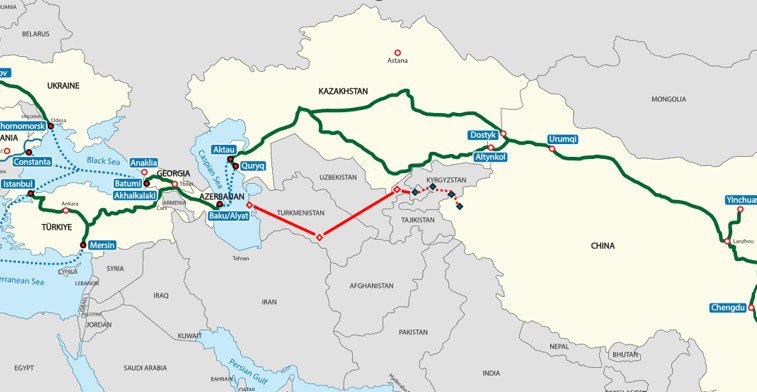
The launch of the China-Kyrgyzstan-Uzbekistan-Turkmenistan-Caspian multimodal corridor has generated significant interest as another attempt to expand Eurasian transport connectivity. A pilot shipment in the fall of 2025 demonstrated the technical feasibility of the new route: cargo transported from Kashgar, China, passed through Kyrgyzstan and Uzbekistan, reached Turkmenistan, and was then delivered to Azerbaijan via the Caspian Sea, continuing along the Baku-Tbilisi-Kars railway toward Europe.

Despite its evident geopolitical appeal, questions remain over the route’s long-term sustainability and commercial viability. The central question is whether this demonstration project can evolve into a regularly functioning transport corridor.

A Third Alternative Between the Northern and Middle Corridors

This multimodal route can be seen as a potential alternative to the two existing pathways: the northern route, China-Kazakhstan-Russia-Europe; and the Trans-Caspian International Transport Route (TITR), or Middle Corridor, which passes through Kazakhstan, the Caspian Sea, the South Caucasus, and Turkey.

The growing geopolitical risks along the northern route since 2022, combined with capacity limitations on the Caspian segment of the TITR, have spurred interest in a third option, a so-called “southern belt” traversing Kyrgyzstan, Uzbekistan, and Turkmenistan.

Each country along this route has its own strategic calculus. Uzbekistan is seeking to overcome its “double continental isolation” and elevate its role as Central Asia’s transit hub. Kyrgyzstan is aiming to monetize its geographic position between China and the Ferghana Valley. Turkmenistan is developing the port of Turkmenbashi as an alternative to the increasingly congested hubs of Aktau and Alat. China, meanwhile, continues to diversify its westward overland trade routes.

The Uzbek Factor: Geoeconomics vs. Logistics

From Tashkent’s perspective, this corridor aligns with its long-term transport strategy. Analysts frequently cite Uzbekistan’s ambition to transition from a landlocked to a “land-linked” state with direct access to China, the Caspian Sea, and southern routes to the Indian Ocean.

The new route offers Uzbekistan three strategic advantages: alternative access to China via Kyrgyzstan, enhanced status as a regional transit hub, and deeper transport cooperation with Turkmenistan, including potential joint development of the Turkmenbashi port.

However, when shifting from geopolitical ambition to logistical execution, serious limitations emerge, many outside Uzbekistan’s control.

Kyrgyzstan: A Bottleneck in the Chain

Documents from the Central Asia Regional Economic Cooperation (CAREC) program highlight the continued challenges facing multimodal transport in the region, namely slow transit, poor modal integration, border delays, and outdated logistics technologies.

Within this corridor, Kyrgyzstan remains the primary bottleneck. Approximately 82% of its foreign trade by weight is transported by road, making the route through this mountainous country highly seasonal, expensive, and unpredictable.

According to the International Road Transport Union, Kyrgyzstan’s transport system faces severe constraints from alpine terrain, avalanches, and impassable mountain passes that render winter transport nearly impossible in many areas. It is therefore unsurprising that, following the pilot shipment, no major logistics operators committed to shifting regular cargo to this route.

The Caspian Sea: Structural Constraints

The Caspian Sea leg, anchored by Turkmenbashi port, presents another critical challenge. The limitations here are systemic rather than national. Key issues include insufficient fleet capacity, the absence of regular liner services, inconsistent schedules, weather-related disruptions, and fragmented tariffs.

While the Turkmenbashi port is competitive in several respects, it cannot alone address vessel shortages or the lack of regional coordination. Without structural reforms, Caspian routes, including this new corridor, will continue to operate at suboptimal levels.

The CKU Railway: A Potential Game Changer

Some experts argue that the only transformational solution lies in completing the China-Kyrgyzstan-Uzbekistan (CKU) railway. This would reduce transport costs, enhance predictability, and eliminate seasonal constraints along the mountainous Kyrgyz section.

However, analysts caution that the CKU railway should be regarded as a regional connectivity project rather than a full alternative to the Northern or Middle Corridors. It would serve as a new axis of trade between China and Central Asia, rather than as a pan-Eurasian route.

The World Bank has categorized the CKU as a greenfield project in its “Middle Trade and Transport Corridor” report, highlighting financial and macroeconomic risks typical of infrastructure developments still in the design phase.

Geopolitics Outpaces Infrastructure

In its current form, the China-Kyrgyzstan-Uzbekistan-Turkmenistan-Caspian corridor reflects regional strategic ambitions more than infrastructure readiness. For Central Asia, diversifying transport routes has become essential to achieving geopolitical autonomy, yet infrastructure development still lags behind political aspirations.

This initiative is less about creating a fully functional Eurasian corridor and more about gradually shaping a new axis of regional connectivity. Its long-term economic sustainability will depend not on symbolic pilot shipments but on the participating countries’ ability to coordinate infrastructure investment, standardize logistics procedures, and align their strategic interests.