• KGS/USD = 0.01144 0%
  • KZT/USD = 0.00213 0%
  • TJS/USD = 0.10714 0.09%
  • UZS/USD = 0.00008 0%
  • TMT/USD = 0.28571 0%
  • KGS/USD = 0.01144 0%
  • KZT/USD = 0.00213 0%
  • TJS/USD = 0.10714 0.09%
  • UZS/USD = 0.00008 0%
  • TMT/USD = 0.28571 0%
  • KGS/USD = 0.01144 0%
  • KZT/USD = 0.00213 0%
  • TJS/USD = 0.10714 0.09%
  • UZS/USD = 0.00008 0%
  • TMT/USD = 0.28571 0%
  • KGS/USD = 0.01144 0%
  • KZT/USD = 0.00213 0%
  • TJS/USD = 0.10714 0.09%
  • UZS/USD = 0.00008 0%
  • TMT/USD = 0.28571 0%
  • KGS/USD = 0.01144 0%
  • KZT/USD = 0.00213 0%
  • TJS/USD = 0.10714 0.09%
  • UZS/USD = 0.00008 0%
  • TMT/USD = 0.28571 0%
  • KGS/USD = 0.01144 0%
  • KZT/USD = 0.00213 0%
  • TJS/USD = 0.10714 0.09%
  • UZS/USD = 0.00008 0%
  • TMT/USD = 0.28571 0%
  • KGS/USD = 0.01144 0%
  • KZT/USD = 0.00213 0%
  • TJS/USD = 0.10714 0.09%
  • UZS/USD = 0.00008 0%
  • TMT/USD = 0.28571 0%
  • KGS/USD = 0.01144 0%
  • KZT/USD = 0.00213 0%
  • TJS/USD = 0.10714 0.09%
  • UZS/USD = 0.00008 0%
  • TMT/USD = 0.28571 0%

Trade and Economic Park Planned at Border of Kyrgyzstan, Tajikistan, and Uzbekistan

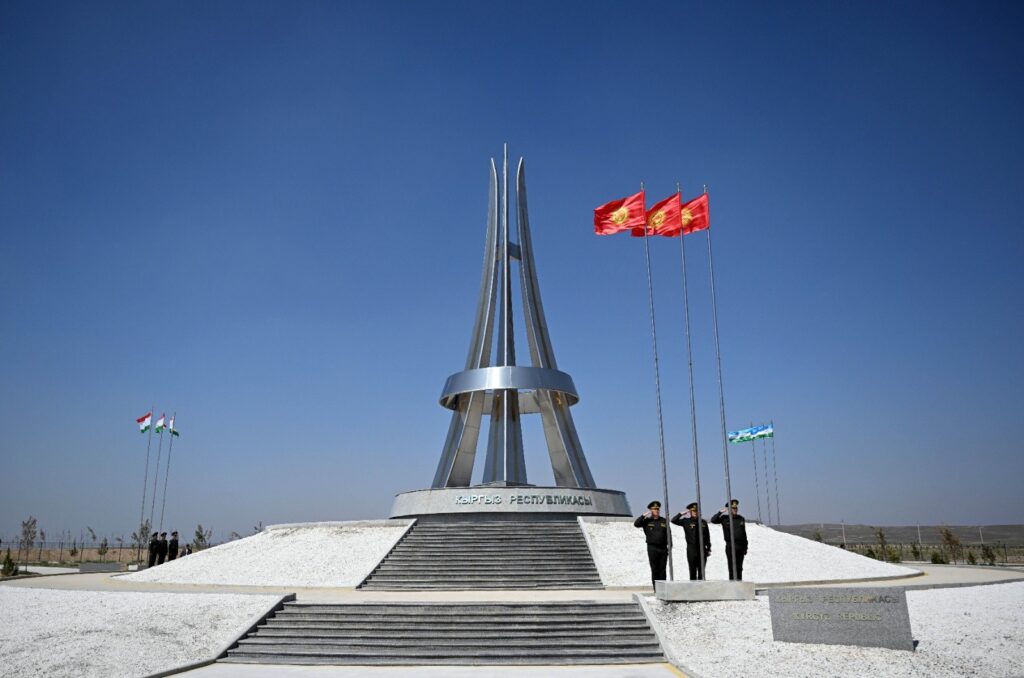
On May 6, Kyrgyz President Sadyr Japarov visited the Dostuk Stele (Friendship) in the country’s southwestern Batken region, erected at the junction point of the state borders of Kyrgyzstan, Tajikistan, and Uzbekistan, where he reviewed the concept and master plan for the proposed Dostuk International Trade and Economic Park.

During a summit in the northern Tajik city of Khujand on March 31, 2025, Presidents Sadyr Japarov of Kyrgyzstan, Emomali Rahmon of Tajikistan, and Shavkat Mirziyoyev of Uzbekistan signed a historic agreement on the junction point of the three countries’ state borders.

The leaders also took part in a remote inauguration ceremony for the Friendship Stele, which marks the exact location where the borders of the three countries meet and symbolizes friendship among the three nations, the resolution of long-standing border issues, and a new stage of regional cooperation.

The planned Dostuk International Trade and Economic Park would span 100 hectares and include administrative, tourism, logistics, production, commercial, and recreational zones. The project aims to strengthen trade and logistics links, attract investment, and create new economic opportunities.

If implemented, the project is expected to create more than 5,000 jobs and increase cross-border trade.

The concept also includes the development of tourism infrastructure and the organization of international cultural events, ethnic festivals, and exhibitions, contributing to stronger cultural and humanitarian ties while promoting the historical heritage of the Silk Road.

Japarov said good-neighborly relations among Kyrgyzstan, Tajikistan, and Uzbekistan remain important, citing the role of joint infrastructure and economic initiatives in regional stability and sustainable development.

He also expressed confidence that, with mutual support from the three neighboring countries, the project could become a major platform for trade and investment, as well as a symbol of peace, trust, and unity among the peoples of Central Asia.

Syrian Security Forces Detain Uzbek Fighters During Operation in Idlib

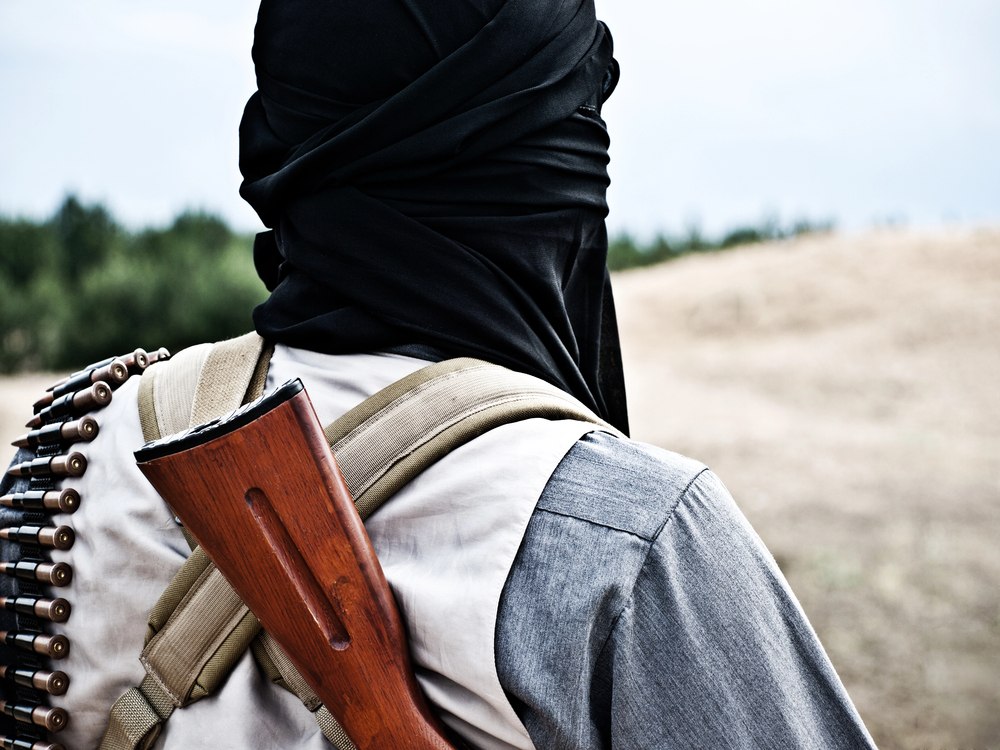
Syrian security forces have detained a group of Uzbek fighters during a security operation in the country’s northwest, according to two Syrian security officials cited by Reuters. The arrests followed unrest in Idlib province after the authorities attempted to detain an Uzbek militant accused of opening fire in Idlib city.

According to Reuters, the incident escalated when armed Uzbek fighters gathered outside a government security facility demanding the release of the suspect. The protests later triggered a broader security sweep in several parts of the countryside, including the towns of Kafriya and al-Foua.

Locals and Syrian officials said security forces deployed military convoys and reinforcements to the area, where sporadic gunfire was heard during the operation. It remains unclear how many Uzbek fighters were detained.

The Syrian Interior Ministry did not immediately comment on the reports.

The latest incident highlights ongoing tensions between Syria’s Islamist-led authorities and foreign militants who traveled to the country during the civil war that began in 2011. Many foreign fighters, including Uzbeks, fought alongside factions linked to current Syrian President Ahmed al-Sharaa before he formally severed ties with al-Qaeda in 2016.

Reuters previously reported, citing a Syrian security source, that around 1,500 Uzbek fighters were believed to be living in Syria, some accompanied by their families.

The Syrian government has attempted to integrate thousands of foreign fighters into the country’s newly reorganized military structures following the December 2024 ouster of former President Bashar al-Assad. Some foreign militants have assumed senior state roles, including a Jordanian commander of the Republican Guard and an Australian head of a newly established sovereign fund. Others, however, have resisted joining state institutions, creating continuing security concerns for Damascus.

The recent operation marks the second major confrontation in Idlib involving foreign militants in recent months. Last year, Syrian government raids targeting foreign fighters near the Turkish border drew in Uzbek militants after clashes erupted around a compound linked to French jihadist Omar Diaby, also known as Omar Omsen.

At the time, the U.S.-based Institute for the Study of War said Syrian transitional authorities were conducting “a low-level effort to target foreign fighters in Syria who have not integrated into the Ministry of Defense.” The institute reported that Uzbek militants had deployed to reinforce foreign fighters during clashes in Harem, a city near the Turkish border.

The same report stated that Syrian authorities had arrested two prominent Uzbek foreign fighters in August 2025, contributing to growing dissatisfaction among Central Asian militant groups operating in Syria.

Remains of Buddhist Temple Unearthed in Ancient Silk Road City in Kyrgyzstan

The remains of what is believed to be a Buddhist temple dating to the 7th and 8th centuries have been discovered at the medieval Ak-Beshim archaeological site, the ruins of the ancient Silk Road city of Suyab in northern Kyrgyzstan, according to the Ministry of Culture, Information, Sports and Youth Policy of the Kyrgyz Republic.

Located seven kilometers southwest of Tokmok, Suyab was a major Silk Road city between the 5th and 8th centuries. It was the capital of the Western Turkic Khaganate and an important center for Sogdian merchants on the Chang’an-Tian Shan route, now part of a UNESCO World Heritage corridor.

Chinese historical sources suggest that the celebrated poet Li Bai, born in 701 and believed to have died in 762 or 763, may have been born in Suyab.

Suyab declined in the 11th century with the rise of Balasagun, another historic city in the Chui Valley located near the famed Burana Tower.

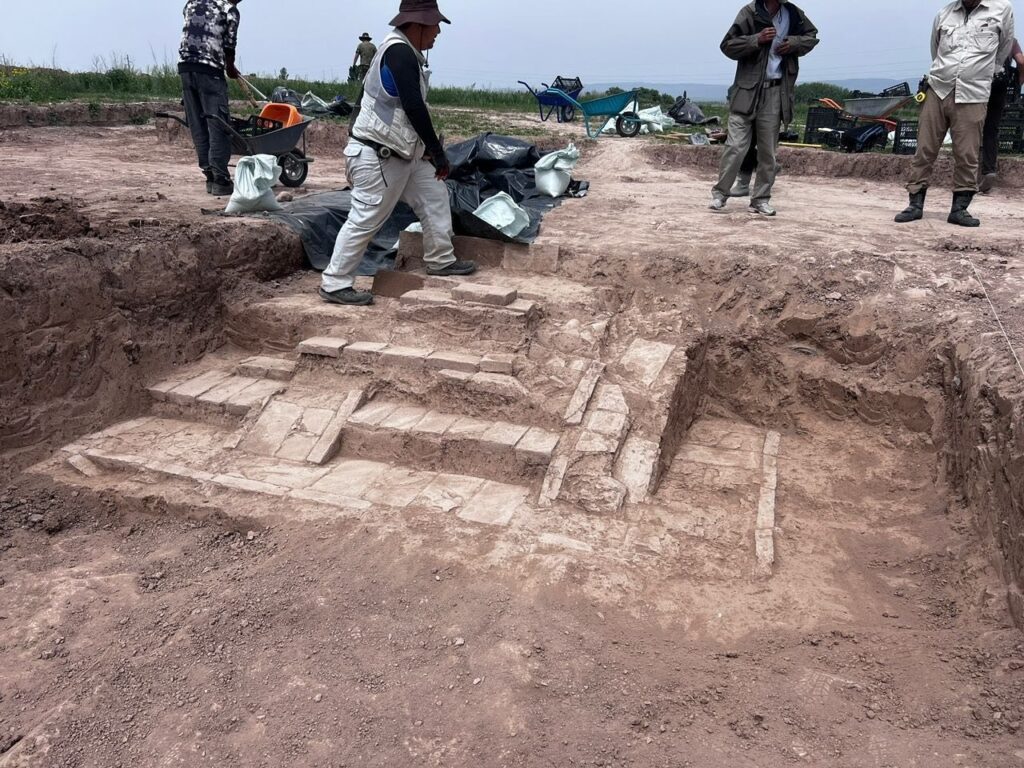
The discovery was made by a Kyrgyz-Japanese archaeological expedition during excavations conducted since early May. Researchers uncovered a platform, ramp, and staircase constructed of baked brick. Experts believe these architectural elements are characteristic of temple architecture from China’s Tang Dynasty.

The discovery also supports a hypothesis put forward by renowned Soviet archaeologist Alexander Bernshtam, who in the late 1940s suggested the existence of a Buddhist religious structure in the area.

Archaeological work carried out in 2025-2026 has opened new chapters in the history of Buddhism in Suyab. Joint Kyrgyz-Japanese research at the site has been underway since 2012.

Efforts are currently underway to reclassify the land where excavations are taking place as protected historical and cultural territory. If approved, authorities plan to establish an open-air museum at the site.

It was previously reported that archaeologists had also uncovered what is believed to be the oldest Christian structure found in Kyrgyzstan, a Nestorian church dating to the 7th or 8th century.

The Times of Central Asia previously reported that the Ministry of Culture, Information and Youth Policy of Kyrgyzstan and the Dunhuang Research Academy established a joint laboratory for cultural heritage preservation that will oversee conservation work at the Ak-Beshim archaeological site.

Tokayev Sets Two-Year Deadline for Military Reform in Kazakhstan

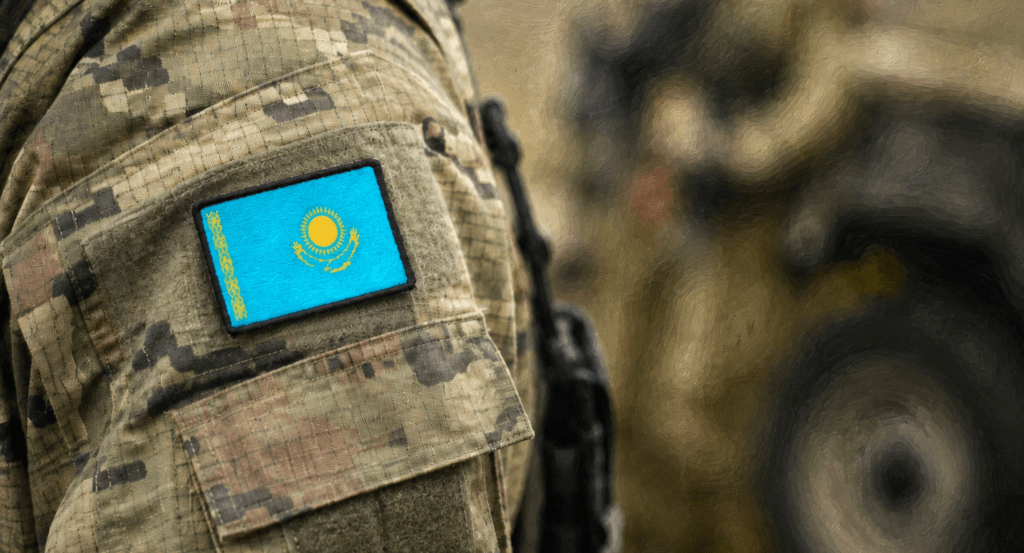
Speaking at a traditional ceremony ahead of Defender of the Fatherland Day, celebrated in Kazakhstan on May 7, President Kassym-Jomart Tokayev said the country must reform its armed forces within the next two years.

“Our country must be prepared to prevent various challenges and respond to any threats. Therefore, we need to strengthen our defense potential and continue, above all, the technological modernization of the Armed Forces. This is a requirement of today’s unstable and turbulent times. In this regard, it is first necessary to carry out deep reforms in our Armed Forces and militarized structures. This is a strategically important task that must be resolved in a short period within two years,” Tokayev said during a ceremony awarding state honors and military ranks ahead of Defender of the Fatherland Day and Victory Day, celebrated on May 9.

Russian analysts responded to the statement before many Kazakh commentators, largely arguing that Kazakhstan faces no major external threats and therefore has little need for sweeping military reform.

One of them, Stanislav Pritchin, head of the Central Asia sector at the Primakov Institute of World Economy and International Relations in Moscow, said Kazakhstan had no serious territorial disputes or significant tensions with neighboring countries.

“There are some political disagreements, but overall, the country exists in a fairly calm environment. There are simply no conflict points that would require Kazakhstan to fundamentally revise its military doctrine or significantly strengthen its army,” he told the publication, Expert.

Pritchin also suggested that Russian concern stemmed from uncertainty over how Tokayev’s accelerated military reform agenda fits with Kazakhstan’s commitments to Moscow-led organizations such as the Collective Security Treaty Organization (CSTO) and the Eurasian Economic Union (EAEU).

In Kazakhstan, however, the reform agenda fits a familiar pattern: by the time Tokayev publicly announces a deadline, work in that direction is often already well underway. In December 2025, Prime Minister Olzhas Bektenov outlined major military reforms while responding to parliamentary questions about discipline in the armed forces.

Following presidential instructions, the government submitted three draft laws to parliament intended to form the foundation of the reform process. The legislation addresses crime prevention and revises administrative regulations within the military system. One of the main goals is to clearly divide responsibilities among commanders, military police, and other authorized bodies while introducing technology-based disciplinary oversight mechanisms.

At the same time, the Health Ministry has developed a 2026-2028 roadmap for suicide prevention in Kazakhstan, with separate provisions focused on military personnel.

As part of the broader reform effort, the authorities have also approved the interagency “Digital Prevention” program for 2025-2028. The initiative includes integrating video surveillance systems, artificial intelligence, and a unified database to monitor discipline and public order within the military. In parallel, the “Law and Order in the Army” program aims to strengthen military discipline and prevent offenses among service members.

Tokayev also addressed military reform in an interview with the newspaper Turkistan earlier this year. The interviewer noted that repeated deaths among soldiers during military service were damaging the army’s standing and weakening public trust in the armed forces.

“I view the deaths and injuries of conscript soldiers extremely negatively; this is unacceptable in peacetime,” Tokayev said. “I spoke about this at a recent meeting with the heads of all security agencies. I criticized the leadership of the defense ministry for insufficient attention to educational and disciplinary work. The army must support, educate, and cultivate worthy citizens of our country. Commanders must serve as examples for service members. There can be no place in the army for hazing, hooliganism, tribalism, or regional favoritism. I will personally oversee this. I have ordered urgent measures to correct the situation.”

Commenting on the interview, Senator Bibigul Zheksenbay, a member of the Senate Committee on International Relations, Defense and Security, said the president’s course ensures the “comprehensive development of the army, combining strict discipline, social protection for personnel, technological modernization, digitalization, and effective communication with society.” According to Zheksenbay, these measures would strengthen public trust in the armed forces and raise the prestige of military service.

These reform efforts have also been sharpened by a series of tragic incidents this year. In January alone, three servicemen died under different circumstances, triggering public outrage. The Defense Ministry expressed its condolences to the families of the conscripts who died while serving.

“The Armed Forces command fully understands the seriousness of what has occurred and the degree of responsibility for ensuring the safety of military service. On the instructions of the Minister of Defense, Lieutenant General of Aviation Dauren Kosanov, a set of emergency measures has been adopted to prevent such tragedies in the future,” the ministry stated.

Against this backdrop, Tokayev’s two-year deadline appears less like the start of a new reform drive than an attempt to force the completion of changes already moving through Kazakhstan’s military system.

Kazakhstan to Introduce Green License Plates for Electric Vehicles

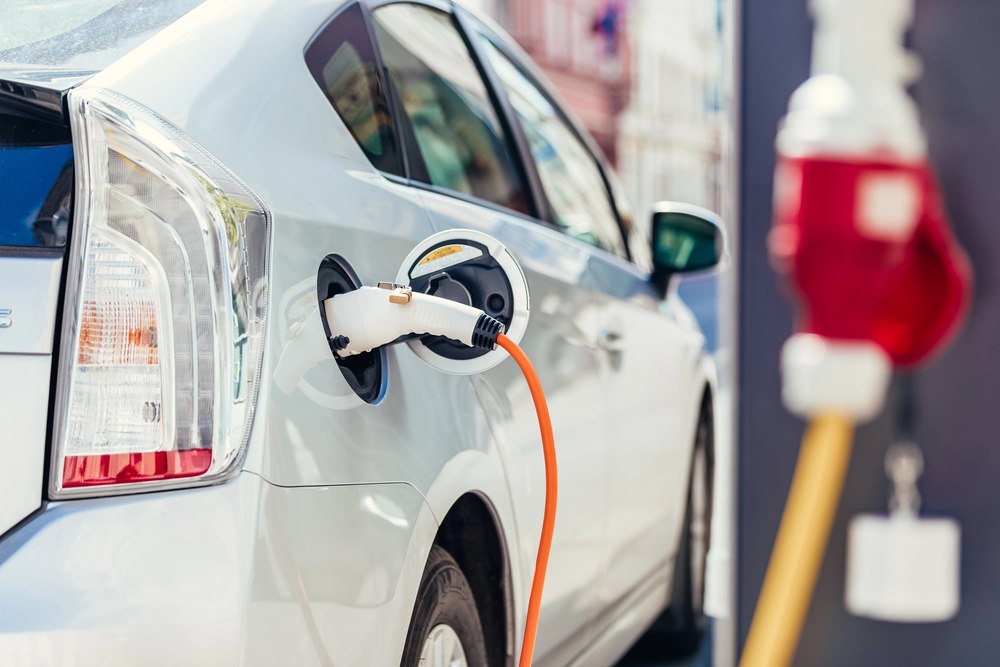
Kazakhstan’s Ministry of Internal Affairs has backed a proposal by Mazhilis deputy Arman Kalykov to introduce green license plates for electric vehicles (EVs).

Kalykov, a member of the Mazhilis Committee on Ecology and Nature Management, said separate identification for EVs is needed for traffic monitoring, road police checks, and access control.

According to Kalykov, the measure is particularly relevant in environmentally protected areas. In the Shymbulak area near Almaty, for example, vehicles with internal combustion engines face restrictions, while EVs and emergency transport are allowed to enter.

EVs are also allowed to remain in residential zones while running, while conventional vehicles are prohibited from parking in spaces equipped with charging stations.

“When entering specially protected natural areas, it is necessary to quickly identify an electric vehicle. Traffic police inspectors also face difficulties with this identification,” Kalykov said.

Deputy Interior Minister Sanzhar Adilov said the ministry is already working on the necessary regulatory amendments.

“There is an internationally recognized practice of using green-colored plates. We have reviewed this issue and support it. Once the law is adopted, we will approve the relevant regulations,” he said.

During the discussion, Adilov also supported a proposal by lawmaker Bakytzhan Bazarbek to consider introducing criminal liability for the use of counterfeit license plates.

Bazarbek noted that while current legislation already imposes criminal penalties for the production and sale of fake license plates, their use is punishable only by an administrative fine.

“A person caught using fake license plates receives a fine of only 15 monthly calculation indexes, about $127. Perhaps it is time to elevate this offense to criminal liability,” the lawmaker said.

Adilov acknowledged that the proposal merits further consideration.

“A state vehicle registration plate is an important element of traffic regulation and road safety. Therefore, we are taking your proposal into consideration,” he said.

The Times of Central Asia previously reported authorities in Kazakhstan are considering lowering speed limits in populated areas.

Uzbekistan’s Gas Output Falls by 15% as Imports Rise

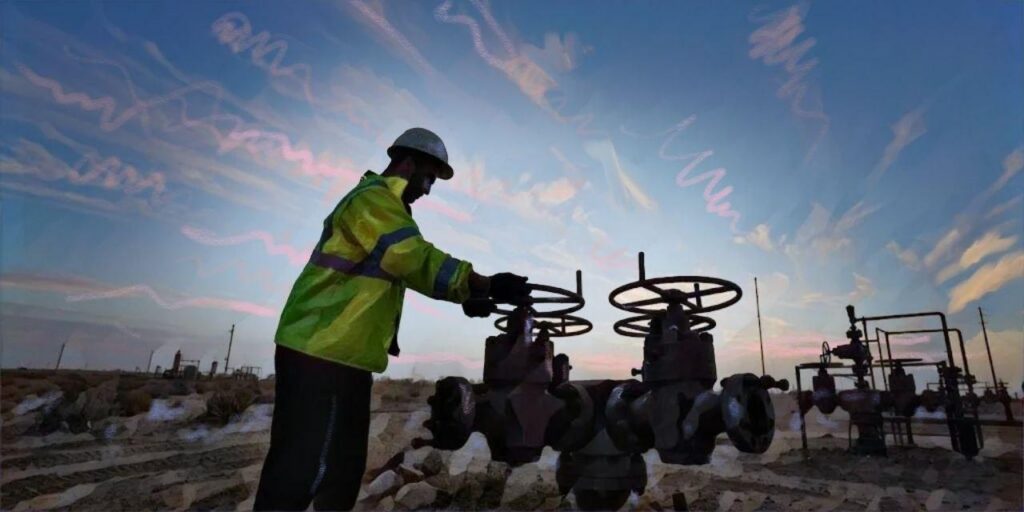
Uzbekistan’s natural gas production fell by 15% in the first quarter of 2026, adding pressure to an energy system already strained by rising demand, aging infrastructure, and lower hydrocarbon output.

The country produced 9.6 billion cubic meters of natural gas in January-March, down from 11.3 billion in the same period last year. The figures are based on data from Uzbekistan’s National Statistics Committee, which also listed declines in oil, coal, and gas condensate production.

Oil output fell to 157,300 tons in the first quarter, compared with 160,800 tons in the same period last year. Coal production declined from 1.2 million tons to 1.1 million tons, while gas condensate output fell even more sharply, dropping from 296,600 tons to 242,300 tons. Motor gasoline production rose to 313,200 tons, while diesel output increased to 280,900 tons.

The latest data reflect a longer shift in Uzbekistan’s energy balance. Uzbekistan was long a net gas exporter, supported by large Soviet-era fields, a broad domestic gas network, and access to the Central Asia-China pipeline system. That position has weakened as older fields have declined and domestic use has grown.

Uzbekistan now has to cover demand from households, power plants, industry, and transport while trying to modernize the sector. That task is getting harder. The country’s permanent population reached 38.2 million people as of January 1, 2026, according to official statistics, leading to more strain on the grid.

Imports have risen sharply to meet these needs. Uzbekistan spent $360.5 million on natural gas imports in the first quarter of 2026, a 2.2-fold increase from the same period last year. Meanwhile, gas export revenues fell to $36.7 million, down from $94.3 million a year earlier.

That shift has regional weight. Uzbekistan imports gas from Russia and Turkmenistan. Russian gas reaches Uzbekistan through Kazakhstan, using a Soviet-era pipeline route that once moved gas in the opposite direction. Uzbekistan began receiving Russian gas in 2023, as Moscow sought new markets after losing much of its European gas business. The Times of Central Asia previously reported that Russian gas exports to Uzbekistan rose by about 30% in 2025, reaching more than 7 billion cubic meters through the Central Asia-Center pipeline system.

Tashkent and Moscow have since discussed larger energy supplies. In April, Uzbek Prime Minister Abdulla Aripov and Russian Prime Minister Mikhail Mishustin agreed to increase deliveries of Russian oil and gas to Uzbekistan. The talks also covered wider cooperation in energy, industry, transport, and agriculture.

More imports can help Uzbekistan avoid shortages, especially in winter, while supporting power generation and reducing pressure on households. But they also bring new costs, with higher imports weighing on the trade balance and increasing reliance on outside suppliers. That is a sensitive issue for a country trying to expand its domestic industry and keep energy prices stable.

The government is trying to slow the production decline. Uzbekneftegaz has said that exploration work added 2 billion cubic meters of gas reserves and 40,000 tons of liquid hydrocarbon reserves in the first quarter. The company plans to drill and commission 22 new wells in the second quarter and repair 31 existing wells, according to reporting by Kun.uz.

Those steps may help stabilize supply, but they do not address the wider problem. New wells can offset part of the decline from older fields, and repairs can raise daily output, but the national trend still points downward, and the system needs heavy investment in production, storage, pipelines, and distribution.

Aging infrastructure is another pressure point. In March, the World Bank approved support for gas network improvements in Uzbekistan, stating that the country’s gas infrastructure had deteriorated because of underinvestment in maintenance and repairs. Without upgrades, gas losses could reach 1.75 billion cubic meters by 2030, cutting revenue by $228 million.

Network repairs are less visible than new power plants, but they can free up large volumes of gas without new extraction.

Tashkent is also trying to reduce the role of gas in electricity generation. The government has moved quickly on solar, wind, hydropower, battery storage, and grid projects. TCA previously reported on Uzbekistan’s wider renewable-energy buildout, including green-energy output reaching 9 billion kilowatt-hours in 2025.

In December 2025, President Shavkat Mirziyoyev launched and commissioned a new package of energy facilities. The presidential website said the facilities would generate 15 billion kilowatt-hours of electricity a year once fully operational and reduce natural gas consumption by nearly 7 billion cubic meters. The package included ten energy-storage systems with a total capacity of 1,245 megawatts. Batteries can store power from solar and wind plants, then release it when demand rises, reducing the need for gas-fired backup generation at peak hours.

Uzbekistan’s clean-energy targets are also tied to lower gas use. Its third nationally determined contribution under the Paris Agreement says renewable energy capacity should exceed 50% of total generation capacity by 2030. It also projects that natural gas consumption could fall by 30.26 billion cubic meters in 2030.

Those targets are ambitious, particularly given that demand is rising. Uzbekistan wants faster industrial growth, more domestic processing, and higher living standards. That means more factories, housing, cooling, heating, transport, and digital infrastructure. New renewable capacity may be needed to meet extra demand before gas use can be sharply reduced.

The gas figures from the first quarter show why the timetable is tightening. Uzbekistan is moving quickly on renewable energy, but gas still anchors the country’s power system, heating network, and industrial base.

The next test will come before winter. If production keeps falling through 2026, Tashkent will need more imports, faster repairs, lower export volumes, or swifter savings from new energy projects. Each option carries a cost, and none offers a quick fix.

Uzbekistan’s energy strategy now rests on four linked tasks: slowing the fall in gas output, reducing waste in old infrastructure, managing imports, and bringing new power capacity online. The first-quarter numbers show that there is little room for delay.