• KGS/USD = 0.01144 0%
  • KZT/USD = 0.00211 0%
  • TJS/USD = 0.10460 0.19%
  • UZS/USD = 0.00008 0%
  • TMT/USD = 0.28490 0%
  • KGS/USD = 0.01144 0%
  • KZT/USD = 0.00211 0%
  • TJS/USD = 0.10460 0.19%
  • UZS/USD = 0.00008 0%
  • TMT/USD = 0.28490 0%
  • KGS/USD = 0.01144 0%
  • KZT/USD = 0.00211 0%
  • TJS/USD = 0.10460 0.19%
  • UZS/USD = 0.00008 0%
  • TMT/USD = 0.28490 0%
  • KGS/USD = 0.01144 0%
  • KZT/USD = 0.00211 0%
  • TJS/USD = 0.10460 0.19%
  • UZS/USD = 0.00008 0%
  • TMT/USD = 0.28490 0%
  • KGS/USD = 0.01144 0%
  • KZT/USD = 0.00211 0%
  • TJS/USD = 0.10460 0.19%
  • UZS/USD = 0.00008 0%
  • TMT/USD = 0.28490 0%
  • KGS/USD = 0.01144 0%
  • KZT/USD = 0.00211 0%
  • TJS/USD = 0.10460 0.19%
  • UZS/USD = 0.00008 0%
  • TMT/USD = 0.28490 0%
  • KGS/USD = 0.01144 0%
  • KZT/USD = 0.00211 0%
  • TJS/USD = 0.10460 0.19%
  • UZS/USD = 0.00008 0%
  • TMT/USD = 0.28490 0%
  • KGS/USD = 0.01144 0%
  • KZT/USD = 0.00211 0%
  • TJS/USD = 0.10460 0.19%
  • UZS/USD = 0.00008 0%
  • TMT/USD = 0.28490 0%

Growing Trade Disputes Test the Eurasian Economic Union

Trade disputes within the Eurasian Economic Union (EAEU) are as old as its creation. Restrictions on the import and export of certain goods have long been common practice. However, analysts increasingly warn that tensions have reached a point at which the organization risks losing its core function, ensuring the free movement of goods across borders and maintaining simplified conditions for migrant workers.

Mounting Restrictions

The EAEU currently comprises Armenia, Belarus, Kazakhstan, Kyrgyzstan, and Russia. Economic integration among several post-Soviet states began in 2000 with the establishment of the Eurasian Economic Community (EurAsEC), formed by Belarus, Kazakhstan, Kyrgyzstan, Russia, and Tajikistan. Uzbekistan joined in 2006, but suspended its participation in 2008. The foundation of this organization was the Customs Union agreement, intended to abolish customs duties among member states.

The structure of the integration project has since evolved. The EAEU treaty was signed in 2014 and entered into force on January 1, 2015. Tajikistan and Uzbekistan did not join, while Armenia became a member in 2015. More than two decades after the first integration agreements, however, many of the bloc’s original promises remain only partially fulfilled.

Experts have long argued that protectionist measures remain widespread within the bloc and that full freedom of movement for all categories of goods, including strategic products, has not been achieved. They also point to pronounced economic asymmetry: Russia accounts for approximately 85–87% of the union’s combined GDP, whereas Kazakhstan accounts for approximately 9–10%.

Russia’s significantly larger population and political influence have further reinforced perceptions of structural imbalance.

Moscow is now preparing new regulatory measures affecting its partners. From April 1, 2026, a national system for confirming the arrival of goods will be introduced for road imports from EAEU countries. According to the Russian authorities, shifting key control procedures to the pre-border stage is intended to improve transparency in the administration of indirect taxes. Previously, such checks were conducted after goods entered the country through desk and field audits.

At the same time, Russia has intensified selective customs controls on its borders with Kazakhstan and Belarus, officially citing efforts to combat counterfeit goods. Particular scrutiny is being applied to product labelling and accompanying documentation. Controls were tightened last summer, when mobile checkpoints were established along the Kazakh-Russian border, followed by the inspections of vehicles leaving Belarus in the autumn.

Full-scale checkpoints are now operating on the Kazakh-Russian border, while a simplified regime linked to the Union State and EAEU agreements continues to apply on the Belarusian-Russian border.

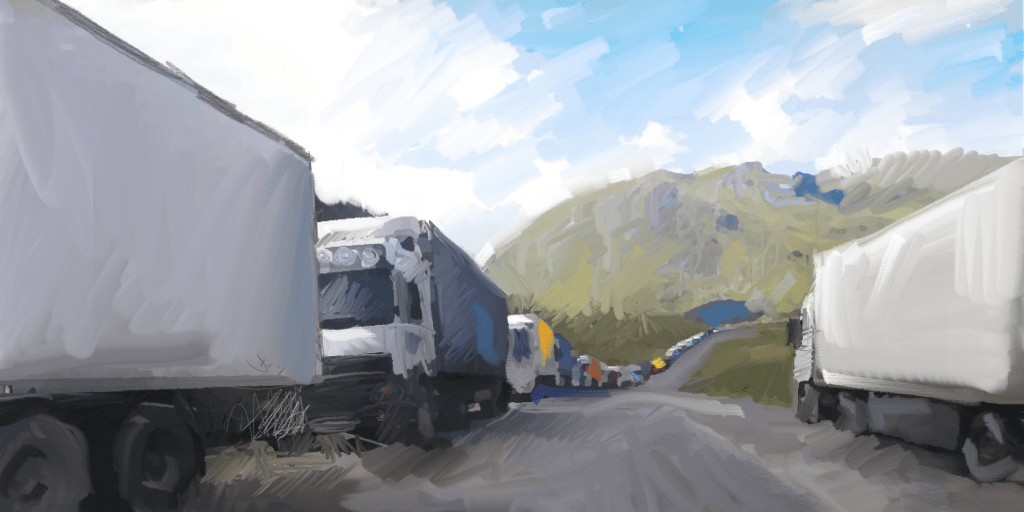
Logistics industry representatives report that stricter controls on the Kazakh border have significantly increased transit delivery times. Carriers often face lengthy delays at checkpoints even when their documentation is in order. According to Alexandra Pokumeiko, head of a freight-forwarding department, the changes have created uncertainty in delivery schedules along Belarus-Russia transport corridors and on transit routes through Russia to Kazakhstan.

The growing number of administrative restrictions has begun to spill into specific sectors of the economy, triggering retaliatory measures between member states.

Escalating Tensions in the Automotive Sector

A new dispute has emerged between Kazakhstan and Russia over vehicle recycling fees. On March 10, Kazakhstan announced plans to raise the scrap fee on Russian-made cars, describing the move as a reciprocal response to measures introduced by Moscow.

Although the relevant order is yet to be formally signed, Kazakhstan’s Minister of Industry and Construction, Yersayin Nagaspayev, has stated that the increase would mirror Moscow’s policy. Within Russia, recycling fees on vehicles imported from Kazakhstan have reportedly risen tenfold and are set to increase further under a progressive scale through 2029-2030. Astana argues that the reciprocal step is necessary to support its domestic automotive industry.

Nagaspayev emphasised that the value of Russian passenger vehicles accounts for only around 3.7% of Kazakhstan’s car imports, suggesting limited market impact and no expectation of sharp price increases.

Meanwhile, Russian media outlets have reported that since spring 2024, more than 30,000 Hyundai, Kia, and Skoda vehicles assembled in Kazakhstan have entered the Russian market within the EAEU framework.

Debate Over the Union’s Future

The dispute has revived debate in Kazakhstan about the country’s economic gains from EAEU membership and speculation about the bloc’s long-term viability.

Olzhas Zhorayev, an expert at the Association for Analysis and Management of Public Policy, argues that the institutional structure of the Eurasian Economic Commission complicates the promotion of national interests. According to him, the multinational composition of the bloc’s leadership positions sometimes makes dispute resolution difficult and contributes to perceptions that Eurasian integration remains largely declarative.

Zhorayev also highlights concerns about the preparedness of some national officials working within integration bodies, suggesting that a limited understanding of economic conditions may reduce the effectiveness of their representation.

Economist Arman Beisembayev takes a more critical view, arguing that Kazakhstan derives limited economic benefit from its membership in the union. Beisembayev points to a significant trade imbalance with Russia, noting that Kazakhstan imports substantially more from its northern neighbour than it exports. At the same time, he notes that Kazakhstan remains heavily dependent on Russian supplies in sectors such as food and pharmaceuticals.

Labour Migration Disputes

Russia has also tightened legislation governing labour migration. In January, Kyrgyzstan filed a case with the EAEU Court, arguing that Russia’s refusal to provide compulsory medical insurance to the families of migrant workers violates union agreements guaranteeing access to social protection.

In March, however, the court’s Grand Chamber clarified that member states are not required to automatically extend compulsory medical insurance coverage to migrants’ family members. The ruling emphasised the distinction within EAEU agreements between social security provisions and access to medical assistance.

Armenia’s Strategic Dilemma

Armenia’s shifting foreign policy priorities add another layer of uncertainty to the union’s future. The country’s leadership has repeatedly signalled hesitation between deepening integration with the EAEU amid moves aimed at potentially strengthening ties with the European Union.

In the summer of 2025, Armenian Prime Minister Nikol Pashinyan joined an EAEU forum via video link rather than attending in person, prompting speculation in regional media about Yerevan’s commitment to the bloc. Belarusian President Alexander Lukashenko later suggested that Armenia may have its own reasons for adopting a more critical stance toward the organization.

Simultaneous membership in both the EAEU and the European Union is not feasible, meaning Armenia may eventually face a strategic choice.

Rising Tensions Ahead of Key Meetings

Internal disputes are likely to influence discussions at the upcoming EAEU summit of heads of state in May, as well as during the Russian president’s planned state visit to Kazakhstan, scheduled to coincide with the event. Kazakhstan assumed the rotating chairmanship of the EAEU from January 1, 2026. Recent trade disputes suggest that Astana intends to pursue a more assertive position within the organization rather than simply aligning with Moscow’s policy preferences.

Taken together, these disputes highlight growing contradictions within the EAEU. While the union was designed to remove barriers to trade and labor mobility, member states have increasingly resorted to unilateral restrictions when national economic interests are at stake. The result is a system that formally promotes integration but frequently operates through ad-hoc controls, exemptions, and retaliatory measures.

Whether the EAEU can reconcile these tensions remains uncertain. For countries such as Kazakhstan and Kyrgyzstan, the union still offers access to a large regional market and simplified migration rules, but recurring trade conflicts and regulatory asymmetries continue to fuel debate about how much members are willing to sacrifice for integration. As the bloc approaches another summit, the question is less about whether disagreements exist and more about how far they can escalate before the mechanisms of the union itself begin to erode.
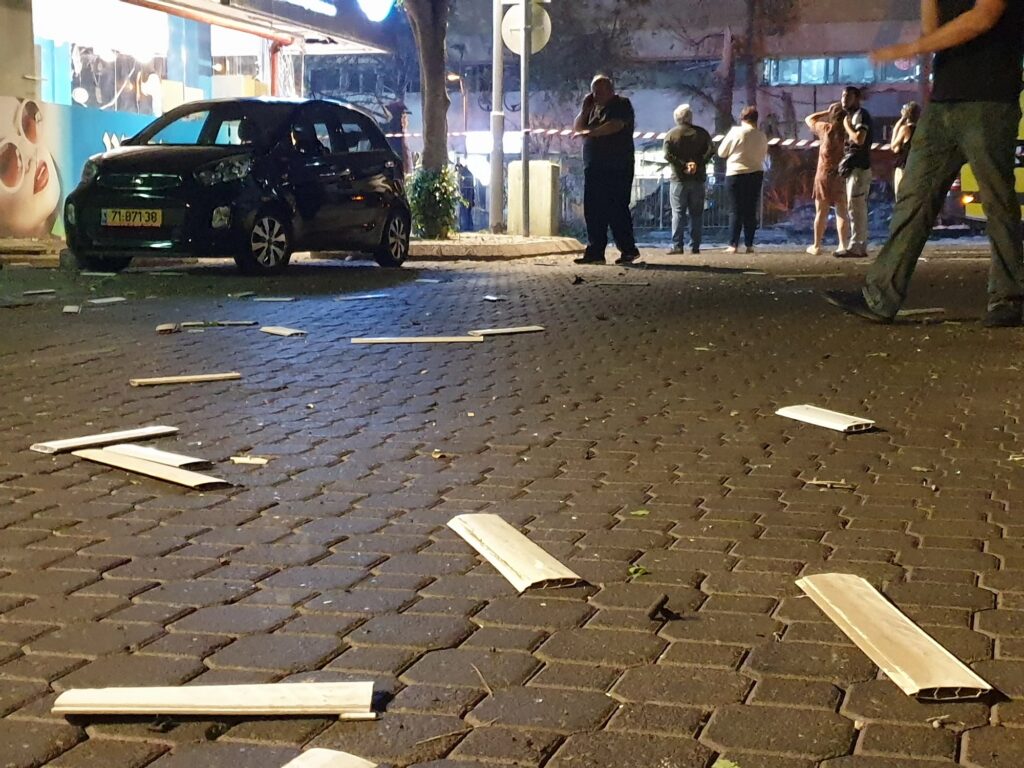

Uzbekistan-Born Israeli Citizen Killed in Rocket Strike Near Tel Aviv

A 62-year-old man born in Uzbekistan was killed in a rocket strike at a construction site in the Israeli city of Yehud on March 9, according to the Embassy of Uzbekistan in Israel.

The victim, Rustam Gulomov, had been living in Israel for the past 14 years. The embassy stated that he renounced his Uzbek citizenship in 2017 and subsequently obtained Israeli citizenship.

Information about the incident first appeared in several media reports and on social media following the rocket attack on the construction site where Gulomov was working. The embassy later confirmed his identity and expressed condolences to his family and relatives.

“As of March 11, the embassy has not received information about any injuries among citizens of Uzbekistan,” the diplomatic mission said in a statement.

At the same time, the embassy warned that the security situation in Israel remains tense and urged Uzbek nationals in the country to strictly follow safety instructions and respond promptly to official warning signals.

The diplomatic mission also called on Uzbek citizens working temporarily or residing permanently in Israel to pay close attention to air-raid alerts and comply with all emergency safety regulations.

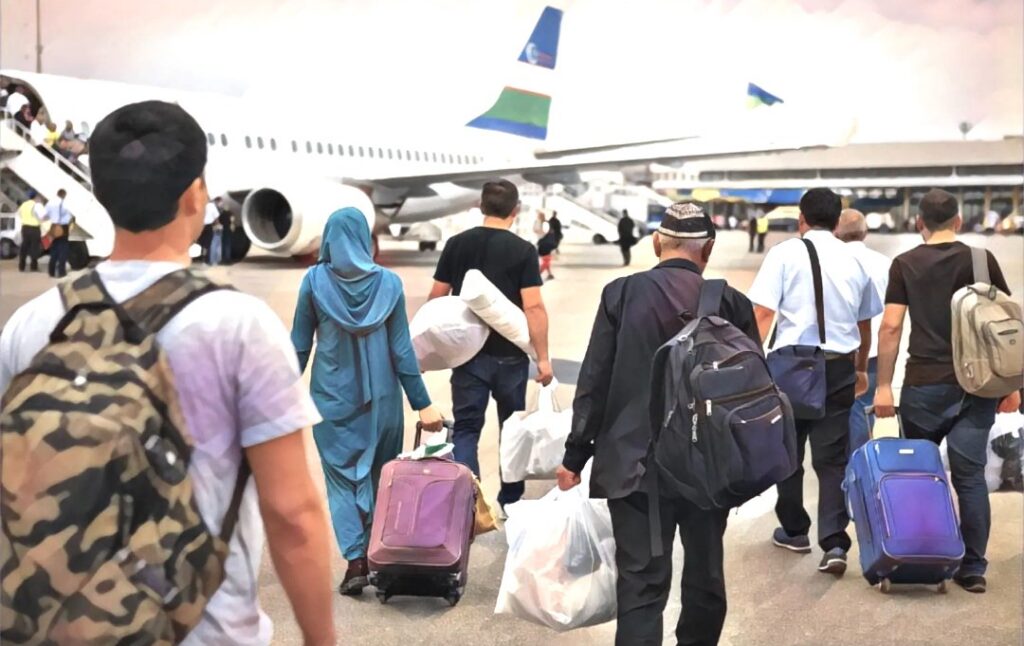
Meanwhile, Uzbekistan continues efforts to repatriate its citizens from several countries in the Middle East. According to the Ministry of Foreign Affairs, a total of 25,047 Uzbek nationals had returned to the country as of March 10.

Officials said the majority were evacuated from Saudi Arabia, where 21,017 people were repatriated. Additional returns included 3,555 citizens from the United Arab Emirates, 394 from Qatar, 47 from Iran, 27 from Bahrain, and seven from Oman.

The ministry noted that repatriation efforts are being conducted in stages, with evacuation flights mainly organised through countries whose airspace remains open to civilian aviation.

Frankfurt Book Fair Director: Kazakhstan Could Become Future Guest of Honor

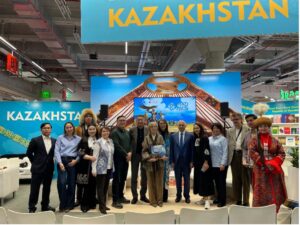
In recent years, Kazakhstan has become increasingly active at the Frankfurter Buchmesse, the Frankfurt Book Fair. Each year, a national stand brings together publishers and literary institutions that engage with international partners and expand professional networks. Participation in this global event has supported a range of initiatives aimed at introducing Kazakh literature and culture to a broader international audience. On this occasion, we spoke with Juergen Boos, Director of the Frankfurter Buchmesse, about opportunities for entering the global publishing market and the significance of becoming a Guest of Honor at the Frankfurt Book Fair.

TCA: As the world’s largest book fair, what new mission or direction is the Frankfurter Buchmesse pursuing today?

Juergen Boos: Frankfurter Buchmesse today serves not only as the world’s leading marketplace for rights and content but also as a global platform for cultural exchange and professional dialogue. In a rapidly evolving geopolitical and technological environment, our mission is to strengthen international publishing networks, uphold freedom of expression, and facilitate sustainable cooperation across regions. We aim to connect established and emerging markets alike, encouraging long-term partnerships that extend well beyond the fair itself.

TCA: What major changes have you observed in the global publishing industry in recent years?

Juergen Boos: The publishing industry is undergoing significant structural transformation. Digital distribution channels, audio formats, evolving licensing models, and the growing application of artificial intelligence are reshaping the sector. At the same time, we are witnessing gradual diversification in the global publishing landscape. Regions that previously had limited international visibility are increasingly seeking engagement beyond their domestic markets. Central Asia is among those regions demonstrating a clear interest in strengthening its international profile, which adds valuable perspectives to the global literary conversation.

Photo credit: Frankfurter Buchmesse

TCA: How are digital technologies and artificial intelligence transforming the book market?

Juergen Boos: Digital technologies and AI are influencing translation processes, metadata management, copyright issues, discoverability, and market analysis both positively and negatively. On the positive side, AI can increase efficiency and expand access to content. We are already seeing AI evolve from an experimental tool into an integral part of everyday publishing practice. For me, however, literature remains fundamentally human in its origin and intention. Storytelling, cultural nuance, and intellectual depth cannot be automated. The key challenge for the publishing sector lies in integrating technological innovation responsibly while preserving creative integrity and editorial independence.

TCA: Can literature help strengthen mutual understanding between nations? If so, how?

Juergen Boos: Yes, I believe it can. Literature allows readers to understand other societies through lived experiences rather than political abstractions. Through translation and international circulation, books foster empathy and cultural literacy. Book fairs provide a structured professional framework for such exchange. They enable sustained relationships between publishers, authors, and institutions, thereby contributing to long-term cultural understanding.

TCA: Has the importance of books and cultural dialogue increased in today’s geopolitical climate?

Juergen Boos: In times of uncertainty and polarization, the role of thoughtful cultural dialogue becomes even more significant. Books create space for reflection and complexity, offering perspectives that go beyond immediate political narratives. International cooperation in the publishing sector can therefore serve as a stabilizing and constructive element in broader global relations.

TCA: How do you evaluate Kazakhstan’s participation in the Frankfurter Buchmesse?

Juergen Boos: Kazakhstan’s recent presence at the fair has been marked by renewed engagement and visible commitment. Following a period of lower activity, the country returned with a well-conceived national stand, a dedicated stage program, and a range of professional events. The participation of publishers, alongside representatives of the national publishers’ association, reflects institutional support. In addition, for the third time, a representative from Kazakhstan’s publishing community took part in our Special Programme, indicating sustained professional interest. Overall, we are observing growing activity from Kazakhstan and the wider Central Asian region in seeking international cooperation within the publishing sector. This is a constructive and encouraging development.

TCA: How interesting is Central Asian literature for the German and broader European publishing community?

Juergen Boos: Central Asian literature presents considerable potential for discovery. European publishers are increasingly attentive to voices and narratives that have not yet been widely translated or internationally represented. The decisive factors are visibility, translation funding, and consistent professional networking. With sustained efforts in these areas, literature from the region can gradually build a stronger presence in European markets. There is genuine curiosity and a sense that important stories remain to be discovered.

TCA: Do you see Kazakhstan as a potential future Guest of Honor at the Frankfurter Buchmesse?

Juergen Boos: The Guest of Honor program is one of the most prominent cultural platforms in the international publishing world. From a personal perspective, I can certainly envisage Kazakhstan in this role. During my visit to Kazakhstan last year, I had the opportunity to encounter its literary heritage, contemporary writing, and vibrant cultural life first-hand. The richness and diversity I experienced left a strong impression, and it is clear that there is strong interest in reaching international audiences. In this regard, I would also like to acknowledge the work of the director of the Nomad Culture Foundation to foster cultural connections and to position Kazakhstan within global publishing networks contribute meaningfully to the long-term framework required for cooperation on this scale. If this trajectory of engagement continues in a coordinated and sustained manner, opportunities may well emerge in due course.

Kazakhstan’s National Stand at the Frankfurt International Book Fair.
Photo credit: Ministry of Culture of the Kazakhstan

TCA: If Kazakhstan were to pursue this status, what preparations or strategic steps would be most important?

Juergen Boos: Pursuing Guest of Honor status would require careful and sustained preparation over several years. A consistent and visible presence of Kazakh publishers at the Frankfurter Buchmesse would be essential to building professional relationships and strengthening international confidence. Equally important would be the establishment of a well-structured and adequately funded translation promotion program to make contemporary and classical works accessible to international audiences. Close coordination between the national publishers’ association and relevant governmental institutions would provide the necessary organizational stability.

In some cases, countries also consider strengthening existing structures or establishing dedicated bodies, such as a national book institute, to oversee long-term strategic development.

Ultimately, the foundation for a successful Guest of Honor presentation lies in a dynamic domestic publishing market and a vibrant contemporary literary scene capable of engaging international readers. As with all such presentations, the initiative must be organized and financed by the guest country itself and prepared well in advance, reflecting a substantial long-term cultural commitment.

TCA: What opportunities does the Frankfurter Buchmesse offer for young authors and independent publishers?

Juergen Boos: We offer international fellowship and professional development programs designed to connect emerging publishing professionals with global networks. Curated matchmaking formats and rights platforms provide particular opportunities for independent publishers. Encouraging new voices and ensuring diversity within the international publishing ecosystem remain central to our work.

TCA: How do you see the global publishing industry evolving over the next decade?

Juergen Boos: The coming decade is likely to bring further digital integration, cross-media collaboration, and increasingly interconnected markets. At the same time, credibility, trust, and cultural authenticity will become even more important in an AI-influenced information environment. Publishing sectors that invest strategically in translation, international partnerships, and cultural cooperation will be well positioned to strengthen their long-term global presence.

Deportation Flight from U.S. Returns 65 Nationals to Uzbekistan

Some 65 Uzbekistani nationals have returned to Uzbekistan after being deported from the United States because they didn’t have legal authorization to be there, according to the U.S. government.

The deportation flight concluded on Wednesday, in “the latest in a series of ongoing actions as the United States secures its borders,” the U.S. Embassy in Uzbekistan said.

The embassy said the United States had deported more than 1,000 Uzbekistanis since President Donald Trump took office for a second term in January 2025. As it has done following previous deportations, the agency thanked Uzbekistan for its “close cooperation.”

Trump launched an immigration crackdown, and Uzbekistan has urged its citizens in the United States to follow local laws. After one deportation flight last year, Uzbekistan said it had funded the transportation but later said its repatriated citizens should pay for their travel.

The Children of Kazakhstan Concept: Reality and Barriers to Implementation

The 2026-2030 Children of Kazakhstan Concept, approved by the Kazakh government, introduces new standards for the protection of children’s rights. The document is largely based on modern international approaches to social policy. However, its implementation may face a number of systemic barriers characteristic of Kazakhstan’s institutional environment.

Honest Acknowledgment of Problems

The authors of the concept do not attempt to downplay existing challenges. The document openly recognises serious issues in the field of child protection.

In 2024, 2,693 crimes against minors were registered. In 2025, the figure stood at 2,603. Of these, nearly 900 cases involved sexual abuse. Particularly alarming is the fact that 60-70% of such crimes are committed by individuals close to the child, including parents, stepfathers, relatives, or neighbours.

Another critical issue is the mental health of adolescents. Kazakhstan remains among the countries with high rates of youth suicide. According to psychologists cited in the Kazakh media, over the past two years, approximately 300 suicides among children have been recorded nationwide, while nearly 600 more adolescents have attempted suicide.

The scale of the problem is reflected in the workload of the 111 national contact centre. In 2025, the service received 145,000 calls and 121,000 text messages. The high volume of messages sent via QR codes suggests that many children find it psychologically easier to report abuse in writing than in person.

The state also acknowledges shortcomings in the healthcare system. Children’s hospitals face shortages of medical equipment, particularly in intensive care units. The situation is most difficult in remote regions, where insufficient equipment can directly affect children’s chances of survival in emergency situations.

Another serious concern is the shortage of specialists. Kazakhstan lacks sufficient numbers of child psychiatrists and clinical psychologists. The deficit is particularly acute in regional areas. At the same time, many parents conceal their children’s psychological problems for fear of social stigma, leading to delayed diagnosis and complicating suicide prevention efforts.

Staff Shortages Versus High Standards

The concept emphasises early prevention. One of its key instruments is a case-management mechanism involving individual support for families and children by trained specialists.

The intention is to shift from crisis response to systematic preventive work.

However, the implementation of this model faces serious limitations. The main challenge is the acute shortage of personnel and insufficient levels of professional training among specialists in the field.

Independent experts point to systemic weaknesses in the training of psychologists. Many public-sector employees lack the qualifications required to work with adolescents experiencing severe psychological distress. In addition, the professions of school psychologist and social pedagogue remain poorly paid. Experienced specialists often move to the private sector, where salaries can be three to four times higher.

Digitalization Outpacing Infrastructure

The government is placing a significant emphasis on digital tools. One of the flagship initiatives is the FSM Social system, known as the Digital Family Map. The system analyses dozens of socio-economic indicators and is designed to identify families at risk. However, digitalization is currently outpacing infrastructure development. Analysts caution that digital systems cannot substitute for trained social workers and psychologists.

A significant urban-rural divide also persists. Many vulnerable families live in remote villages where stable internet access remains limited. Even when the system identifies a child at risk, local support may be unavailable due to the lack of qualified personnel.

Access to paediatricians, psychologists, and speech therapists in rural areas remains limited. Despite government incentive programmes, young professionals often leave villages because of challenging working conditions.

Blurred Responsibilities

Another risk relates to interagency coordination. Several government bodies are involved in implementing the concept, including the ministries of education, healthcare, labour and social protection, internal affairs, and regional administrations. Such a system of collective responsibility can create coordination challenges. Different agencies maintain separate databases and operational procedures, increasing the risk of responsibility being shifted between institutions.

This is particularly problematic in complex cases such as preventing juvenile crime or suicide, which require coordinated action by law enforcement, schools, and healthcare providers. Funding remains an additional barrier. Many practical measures under the concept are assigned to local executive authorities. At the same time, funding is expected to come primarily from local budgets within planned expenditure limits. This means that additional allocations from the republican budget may not always be available. Regional budget capacities in Kazakhstan vary significantly: out of twenty regions, only three are net contributors, while the rest depend on subsidies.

In such circumstances, many initiatives risk being financed on a residual basis, potentially leading to delays or reduced implementation quality. The system for evaluating performance presents a separate concern.

A key indicator of the programme’s success will be the Child Well-Being Index, a composite measure of minors’ quality of life. At the beginning of 2026, the index stood at 61.5 points. By 2030, the authorities aim to increase it to 68 points.

However, strict targets may encourage formal compliance rather than substantive improvements. There is a risk of “paper KPIs,” whereby regional authorities focus on improving statistical indicators without achieving meaningful change.

Between Strategy and Practice

The Children of Kazakhstan Concept for 2030 sets an important and humanitarian direction for social policy development. The document reflects international standards and accurately identifies many existing challenges. However, the practical feasibility of the concept remains uncertain.

Its success will depend less on formal digital mechanisms and more on local political will, stronger interagency coordination, and genuine investment in human resources.

Without raising the status and salaries of social workers, school psychologists, and child mental-health specialists, achieving the programme’s objectives may prove extremely difficult.

Tajik Police to Patrol Dushanbe on Electric Scooters

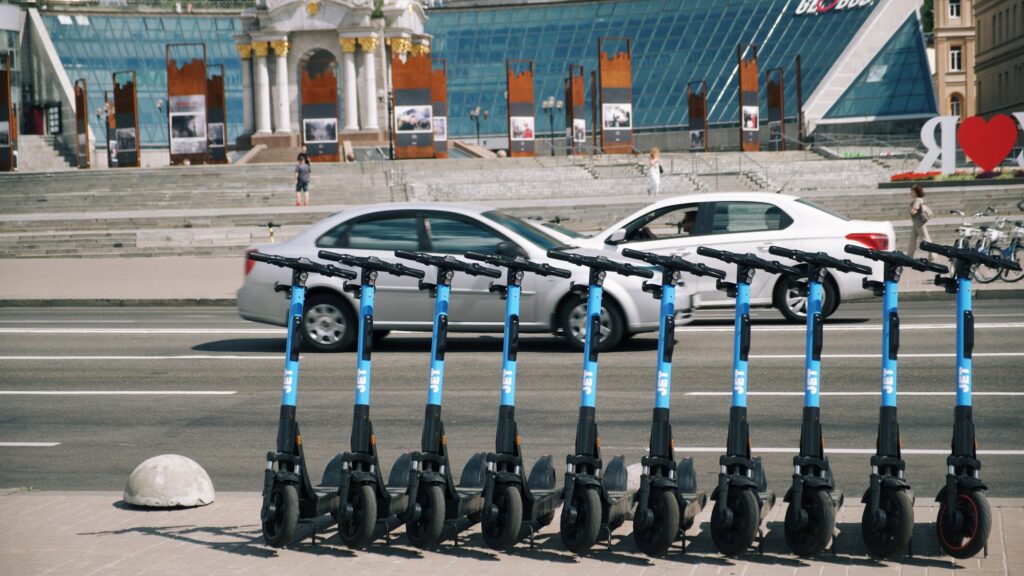
Police officers in Dushanbe have been equipped with electric scooters to patrol the streets of the Tajik capital.

The Ministry of Internal Affairs said the initiative is intended to improve police efficiency and strengthen public safety.

“In order to enhance security and maintain public order, police officers in the capital have been provided with electric patrol scooters,” the ministry said in an official statement.

The new scooters are fitted with special equipment required for law enforcement duties, including signal beacons and sound systems.

According to the ministry, the scooters can travel up to 100 kilometers on a single charge, making them suitable for daily patrols.

“In the future, police officers in the capital will use these scooters in public spaces. This will help improve the effectiveness of police work and contribute to a greater sense of safety among residents,” the statement added.

The use of compact electric transport in policing is becoming increasingly widespread. Such solutions enable officers to move more quickly in pedestrian areas, parks, and crowded locations where the use of patrol cars may be impractical.

A similar approach has already been tested in Kazakhstan. At the end of August 2025, a large-scale operation was conducted in Almaty to monitor compliance with regulations on electric scooter use. Fifty police officers on electric scooters took part.

The Almaty Police Department said that using this type of transport allowed officers to respond more quickly to offenses.

According to police representatives, electric scooters help officers operate efficiently in crowded areas and in locations that are difficult for vehicles to access, while also facilitating preventive engagement with the public.

Officials say that the pilot initiative was successful. Following the initial operations, discussions began on the possibility of introducing electric transport as a permanent feature of urban policing.