• KGS/USD = 0.01144 0%
  • KZT/USD = 0.00211 0%
  • TJS/USD = 0.10432 -0.29%
  • UZS/USD = 0.00008 0%
  • TMT/USD = 0.28571 0.28%
  • KGS/USD = 0.01144 0%
  • KZT/USD = 0.00211 0%
  • TJS/USD = 0.10432 -0.29%
  • UZS/USD = 0.00008 0%
  • TMT/USD = 0.28571 0.28%
  • KGS/USD = 0.01144 0%
  • KZT/USD = 0.00211 0%
  • TJS/USD = 0.10432 -0.29%
  • UZS/USD = 0.00008 0%
  • TMT/USD = 0.28571 0.28%
  • KGS/USD = 0.01144 0%
  • KZT/USD = 0.00211 0%
  • TJS/USD = 0.10432 -0.29%
  • UZS/USD = 0.00008 0%
  • TMT/USD = 0.28571 0.28%
  • KGS/USD = 0.01144 0%
  • KZT/USD = 0.00211 0%
  • TJS/USD = 0.10432 -0.29%
  • UZS/USD = 0.00008 0%
  • TMT/USD = 0.28571 0.28%
  • KGS/USD = 0.01144 0%
  • KZT/USD = 0.00211 0%
  • TJS/USD = 0.10432 -0.29%
  • UZS/USD = 0.00008 0%
  • TMT/USD = 0.28571 0.28%
  • KGS/USD = 0.01144 0%
  • KZT/USD = 0.00211 0%
  • TJS/USD = 0.10432 -0.29%
  • UZS/USD = 0.00008 0%
  • TMT/USD = 0.28571 0.28%
  • KGS/USD = 0.01144 0%
  • KZT/USD = 0.00211 0%
  • TJS/USD = 0.10432 -0.29%
  • UZS/USD = 0.00008 0%
  • TMT/USD = 0.28571 0.28%

Tashkent Supermarket Expands to Manhattan, Bringing Central Asian Flavors and Culture to the West Village

After years of the iconic Brighton Beach grocery store and its ever-fresh hot bar, Tashkent Supermarket announced it would open its first Manhattan location in 2022, spurring excitement and anticipation in the West Village. 378 Sixth Avenue is now home to an intoxicating array of fresh Central Asian foods, imported products, and friendly faces sharing incredible cultures. TCA went to the new Manhattan branch to talk to patrons about their thoughts on the new location, how the food tastes, and their knowledge of Uzbekistan and Central Asia.

We first spoke with Margarita, an ethnic Russian who has lived in New York for the past three years. Before moving to New York, she lived in Tashkent for 16 years.
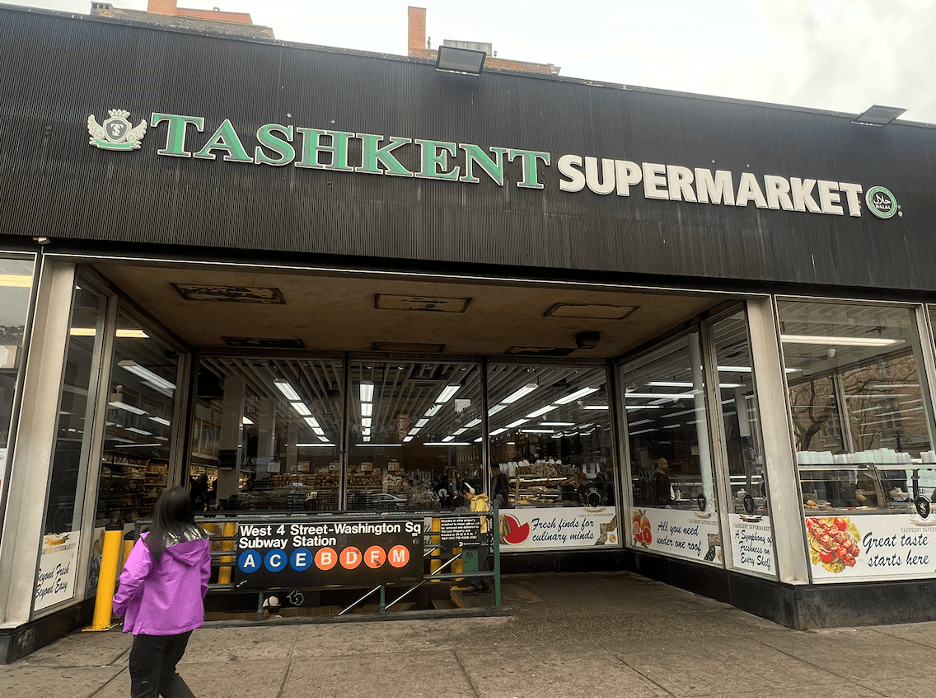
Located right at the West 4th Street-Washington Square subway stop, Tashkent Supermarket sees a lot of foot traffic

“I’ve been to this location a few times already; it’s good but not quite as big as the flagship store in Brighton,” she told me. “I go for the imported Russian food; their grechka (buckwheat) is the best, and their hot bar tastes exactly like the food I miss from Uzbekistan. I go to their stores thrice a week, and importantly, the prices are very competitive for New York, especially meat and produce.”

Among the American produce and packaged products, Armenian juices, Russian cookies, and Uzbek seasonings line the shelves. Unfamiliar patrons pick up and inspect foreign products and inspect them.

Two girls, who admitted they didn’t know much about Uzbekistan or Central Asia, peered through the store’s window, watching people place syrniki (cottage cheese pancakes) into plastic containers.

“These pancakes really caught my eye,” one said. “I’ve tried Afghan food before, but never Uzbek or other Central Asian cuisine. This supermarket in my neighborhood will help expand my palate and let me try new things.”
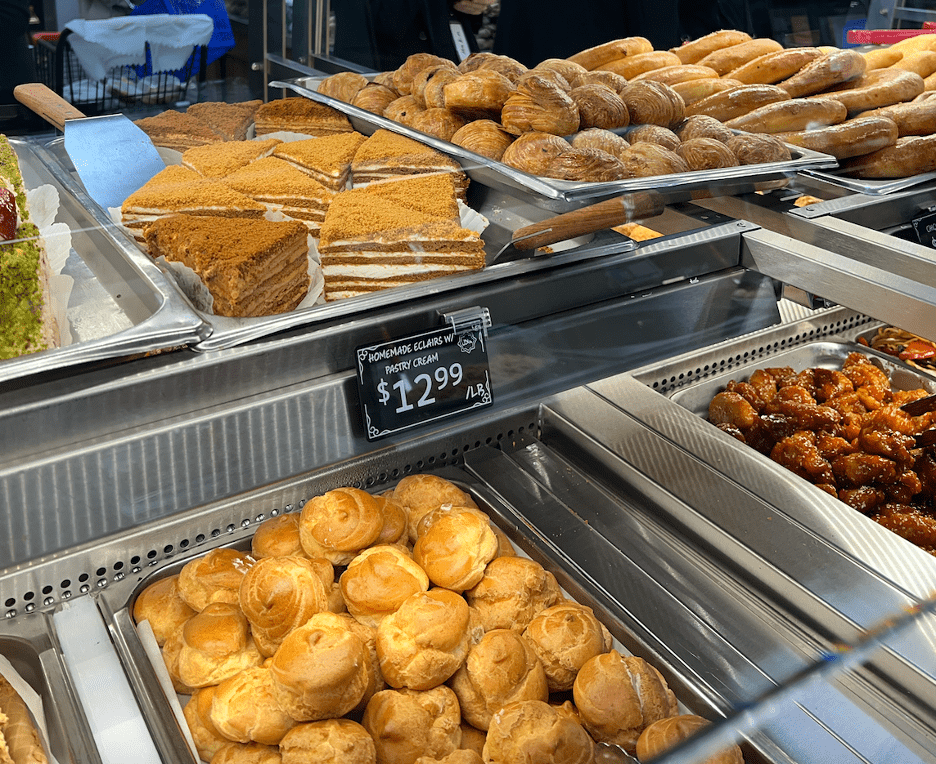
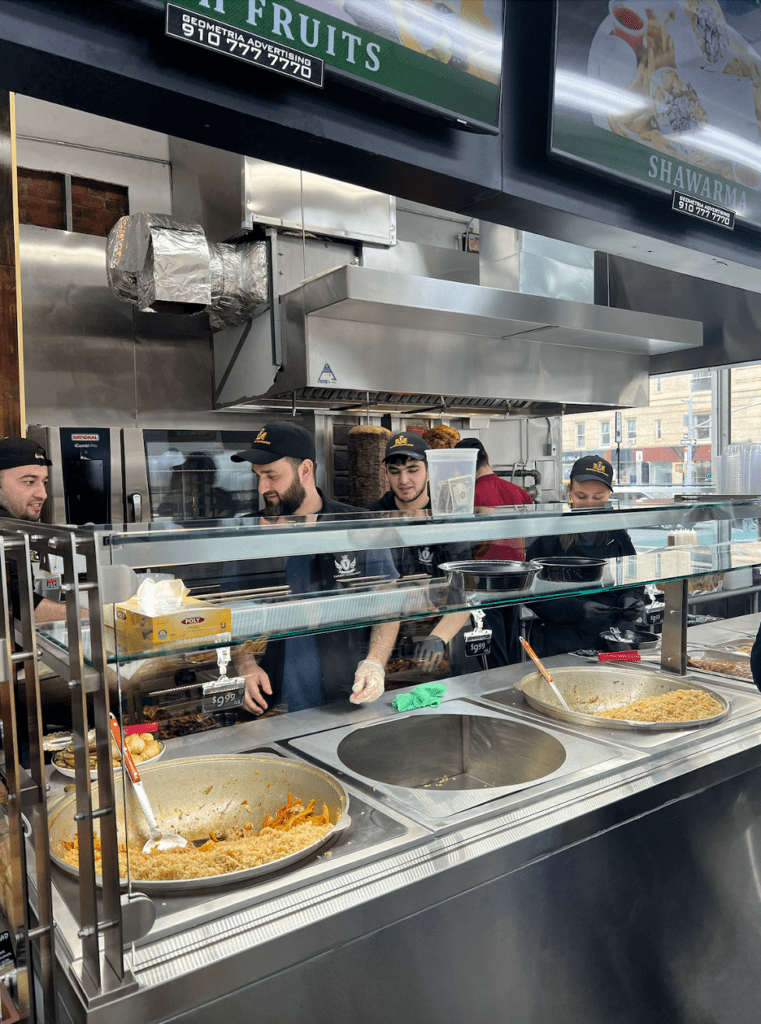
Hot bar food includes fresh salads, chubereki, samsa, manty, and pastries

Ilona, a native of Vilnius, Lithuania, has lived in New York for over 25 years, and her whole family loves Tashkent Supermarket.

“It is a slice of home in New York, and they have a great selection of products from the former Soviet Union. It is the only place in the city where I can find the ingredients I need to make my favorite food. Parsley root, dill, and other herbs are my main purchases here. I love this store and its community so much.”

Aizhan, an ESL teacher from Almaty, has lived in New York for nine years.

“It is my first time at the Manhattan location. It is excellent, and the prices are very reasonable. They are my go-to for catering orders, and everyone is always happy with the quality and taste of the food. They do a phenomenal job making [Central Asian] food. I have not been back [to Kazakhstan] in years, but coming to Tashkent Supermarket makes me feel like I have transported myself back to Almaty.”

Michele, a New York native, traveled to Uzbekistan, Kyrgyzstan, Kazakhstan, and Mongolia last year. She brought her friend to the supermarket to show him the foods she had tried in Central Asia and to inspire him to come on her journey to Kyrgyzstan this coming summer.

“The hot bar here is the best. I am a samsa [savory pastry] fanatic, and their spinach ones hit the spot. Coming here allows me to feel the sense of adventure I felt traveling in Central Asia. The food here is identical to what I ate for three months out there, it’s incredible.”

Three women, visiting New York for the weekend, saw the supermarket in an Eater article.

“I know nothing besides [Uzbekistan] being a former Soviet republic in Asia,” said one. “Today we’re trying manty (dumpling), samsa, markovka (Korean carrot salad), and plov (rice dish). We were so excited to see this supermarket in the Eater article and are excited to try new foods on our trip! That’s the point of visiting New York City!”

Pictures of Uzbek monuments adorn the walls next to pictures of New York City

Larry, a West Village native, said, “It’s just super unique! I don’t know much about Uzbekistan itself, but I come here multiple times a week just for the plov. It’s so rich and flavorful I cannot get enough of it. The raisins are amazing, they tie the flavors together so nicely. I am also a huge fan of the spinach chebureki (deep-fried pastry).”

Katya, a young professional living in Brooklyn, spent the summer of 2024 in Bishkek studying Russian through a language fellowship.

“I’m taking my friend here for the first time to show her what I ate last summer. I’m also here for the candies. I’m excited that I can show my friends a sliver of what my life was like in Bishkek here in New York. This new location is amazing, but their store in Brighton Beach is massive.”

Damon and Sam were enjoying a container of plov on the street. They told me they thoroughly enjoy the Brighton Beach location but are even happier to have this store right around the corner from their apartment.

“It makes you feel like you’re living in New York. Having a supermarket like this where you can try different cultures’ food is amazing. We all celebrate Uzbek culture now, and I could not be happier having this store so close to my home. It also helps that their prices are great!”

Tashkent Supermarket has been an institution amongst the Russian-speaking population in New York City for years. Its first-ever Manhattan location is a step in introducing non-Russian speakers to different cultures, foods, and tastes. Aside from its loyal customer base, many New Yorkers are expanding their horizons and are excited to try Central Asian cuisine and products and learn more about Uzbekistan.


Turkmenistan Government Monitoring Former Law Enforcers and Imposing Travel Restrictions

Turkmenistan’s Ministry of Justice has launched an initiative to collect data on former Interior Ministry officials to track those who have left the country. This move is the latest in a series of efforts by the government to monitor and restrict its citizens’ ability to travel abroad.

Tracking Former Law Enforcement Officers

Since February 2025, the Ministry of Justice has been compiling information on former law enforcement officers who held ranks of major or higher and served between 1991 and 2024. The Ministry of Internal Affairs, the Ministry of National Security (MNS), the Migration Service, and the Prosecutor’s Office have been instructed to assist in the campaign, which is expected to conclude by the end of April. The main objective is to identify retired officers who have relocated abroad.

Several theories have emerged regarding the authorities’ motives. One explanation is that routine inspections revealed cases of former officers settling in other countries after retirement. Another theory links the initiative to the recent controversy surrounding Rustam Inoyatov, the former head of Uzbekistan’s National Security Service, who, along with his family, acquired Vanuatu citizenship through a “golden passport” program. Turkmen security services suspect that similar schemes may have been used by their own former colleagues.

Particular scrutiny is being placed on those who had professional ties with Inoyatov during his tenure. Law enforcement veterans are now required to submit reports detailing their current residence and occupation. In cases where an ex-officer has passed away, their relatives must provide official documentation, including death certificates and burial site information.

New Restrictions on Travel Abroad

Retired law enforcement officers have been informed that they may only leave the country for medical reasons and must obtain official authorization from the Ministry of Health.

This is not the first instance of the government tightening travel restrictions. In September 2024, reports surfaced that public sector employees were being compelled to surrender their biometric passports or provide proof that they did not possess one. 

While officials have not commented on these measures, observers believe they are linked to the increasing number of citizens emigrating in search of work or permanent residency. Additionally, recent reports indicate that some Turkmen nationals have participated in Russia’s war against Ukraine, with some receiving Russian citizenship in return for their military service.

Confiscation of Student Passports

Travel restrictions have also been extended to students. In the fall of 2024, media reports revealed that students enrolling in Turkmen universities were required to surrender their passports to prevent them from traveling abroad. 

Students who refuse to comply and sign a receipt acknowledging the surrender of their passports face the risk of being denied admission. According to sources, this policy has been in place for two years, with passports held by faculty deans for the duration of students’ studies.

Although officials have not provided explanations for these measures, university professors suggest that they aim to curb mass youth migration. Previously, students were only required to sign receipts, but authorities have now escalated their efforts by confiscating passports entirely.

Uzbekistan and Turkmenistan Reach Agreement on Amu Darya Water Usage

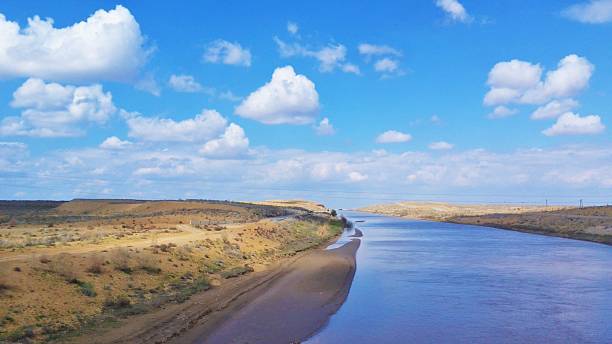
A delegation from Uzbekistan’s Ministry of Water Resources visited Turkmenistan on March 13-14 to discuss bilateral cooperation on water management, Dunyo reports. Officials from both countries met in Turkmenabat to address key issues, including the maintenance and modernization of water infrastructure, flood prevention, riverbank reinforcement, and efficient water use. As part of the discussions, the sides reaffirmed their commitment to implementing agreements reached during the fourth Uzbek-Turkmen intergovernmental meeting on water management. They agreed to collaborate on hydrotechnical projects aimed at minimizing water losses in the Amu Darya River and optimizing resource use.

The two countries also plan to conduct joint research on shared water bodies, exchange expertise on water-saving technologies and digital management systems, and enhance training programs for water management specialists.

During the visit, the Uzbek delegation toured the Tuyamoyin hydroelectric complex, where representatives discussed potential improvements to its operations.

Previously, The Times of Central Asia reported that Kazakhstan is set to receive 11 billion cubic meters of irrigation water by April 2025 under an agreement signed in Dushanbe.

Meanwhile, on World Rivers Day of Action, environmental groups raised concerns about growing threats to Central Asia’s rivers and lakes. Organizations such as Rivers Without Boundaries and Friends of the Earth US have called on international financial institutions to reconsider funding for hydropower projects in the region.

New Border Warehouse to Boost Kyrgyz Agricultural Exports to China

Kyrgyzstan and China have inaugurated a major new warehouse in the city of Ulugqat, located in China’s northwestern Xinjiang Uyghur Autonomous Region (XUAR), near the Kyrgyz border.

The facility is designed to facilitate the export of Kyrgyz agricultural products to China, serving as a key logistics hub for cargo passing through the nearby Torugart and Irkeshtam border checkpoints.

At the opening ceremony on March 18, Bakyt Torobayev, Deputy Chairman of Kyrgyzstan’s Cabinet of Ministers and Minister of Water Resources, Agriculture, and Processing Industry, stated that the warehouse will improve logistics and ensure a reliable and uninterrupted supply of agricultural goods. In its initial phase, it will focus on the smooth transit of grain and legumes.

According to the Kyrgyz government’s press service, the warehouse is divided into four zones: vegetable storage, frozen storage, laboratory facilities, and general cargo. It has an annual processing capacity of more than 1 million tons. Future expansion plans aim to accommodate a broader range of agricultural products beyond grains and legumes.

During the ceremony, a deputy chairman of XUAR’s People’s Government emphasized China’s commitment to increasing imports of high-quality Kyrgyz agricultural products, in line with President Xi Jinping’s directives.

Official statistics show that in 2024, Kyrgyzstan’s agricultural exports to China reached $124 million. Of this, 8.6% consisted of livestock products, 19.4% crop products, and 72% processed food and agricultural goods.

Plans for a New Logistics Park

During his visit to Xinjiang, Torobayev also met with major Chinese companies in the province’s capital Urumqi to discuss a project for an international customs and logistics park, Golden Road Asia-Europe, in Kyrgyzstan’s Chui region.

Torobayev announced that Kyrgyzstan will allocate a land plot for the facility, which is expected to equally serve the export-import interests of both countries. The total investment in the project is estimated at $30 million.

Chinese Agricultural Equipment for Kyrgyzstan

Torobayev also held talks with a Chinese company specializing in agricultural drones and artificial precipitation technologies. As a result, the company agreed to provide Kyrgyzstan with agricultural equipment for artificial rain and pest control, valued at more than $1.1 million, on a grant basis.

EU-Uzbekistan Cooperation Focuses on Digital Connectivity and Critical Raw Materials

On March 18, European Commissioner for International Partnerships Jozef Síkela visited Uzbekistan on the final leg of his Central Asia tour. In Tashkent, he met with President Shavkat Mirziyoyev to strengthen the growing partnership between Uzbekistan and the European Union.

According to the EU Delegation to Uzbekistan, discussions centered on expanding digital connectivity, promoting sustainability, and fostering job creation through critical raw materials. Another key focus was the development of the Trans-Caspian Transport Corridor to enhance trade. The visit also highlighted how the EU’s Global Gateway strategy supports infrastructure and clean energy initiatives.

Both sides acknowledged the increasing momentum in EU-Uzbekistan relations, particularly in political, trade, economic, investment, cultural, and humanitarian cooperation. They also discussed preparations for the first-ever Central Asia-EU summit, set to take place in early April in Samarkand.

New EU-Funded Projects in Uzbekistan

As part of the Team Europe Initiative on Digital Connectivity in Central Asia, Síkela witnessed the signing of agreements for two key EU-funded projects aimed at improving digital infrastructure across the region:

  • The Connectivity for Central Asia (C4CA) Project – This initiative seeks to enhance digital infrastructure and regional integration, supporting economic growth and better access to online services. By fostering stronger digital ties among Central Asian countries, the project aims to bridge the digital divide and promote economic cooperation.
  • The Satellite Connectivity for Underserved Populations Project – This project is designed to provide high-speed internet access to remote and underserved communities in Central Asia. By improving digital access in rural areas, the initiative supports education, healthcare, and economic development, aligning with the EU’s broader goal of promoting inclusive digital connectivity.

Síkela underscored the importance of EU-Uzbekistan cooperation in improving internet access across the region. “European technology combined with Uzbek expertise can ensure more people have access to fast and secure internet, support businesses to grow, create new jobs, and improve living conditions in local communities. By investing in digital connectivity, we’re bridging gaps, creating opportunities, and ensuring that Central Asia is ready to benefit from the digital economy,” he said.

Cooperation on Critical Raw Materials

During his visit, Síkela also toured the Almalyk Mining and Metallurgical Complex, one of Uzbekistan’s key industrial facilities. The visit aimed to explore opportunities for sustainable resource development and responsible investment in critical raw materials, further strengthening economic cooperation between the EU and Uzbekistan.

Another Drone Crashes in West Kazakhstan

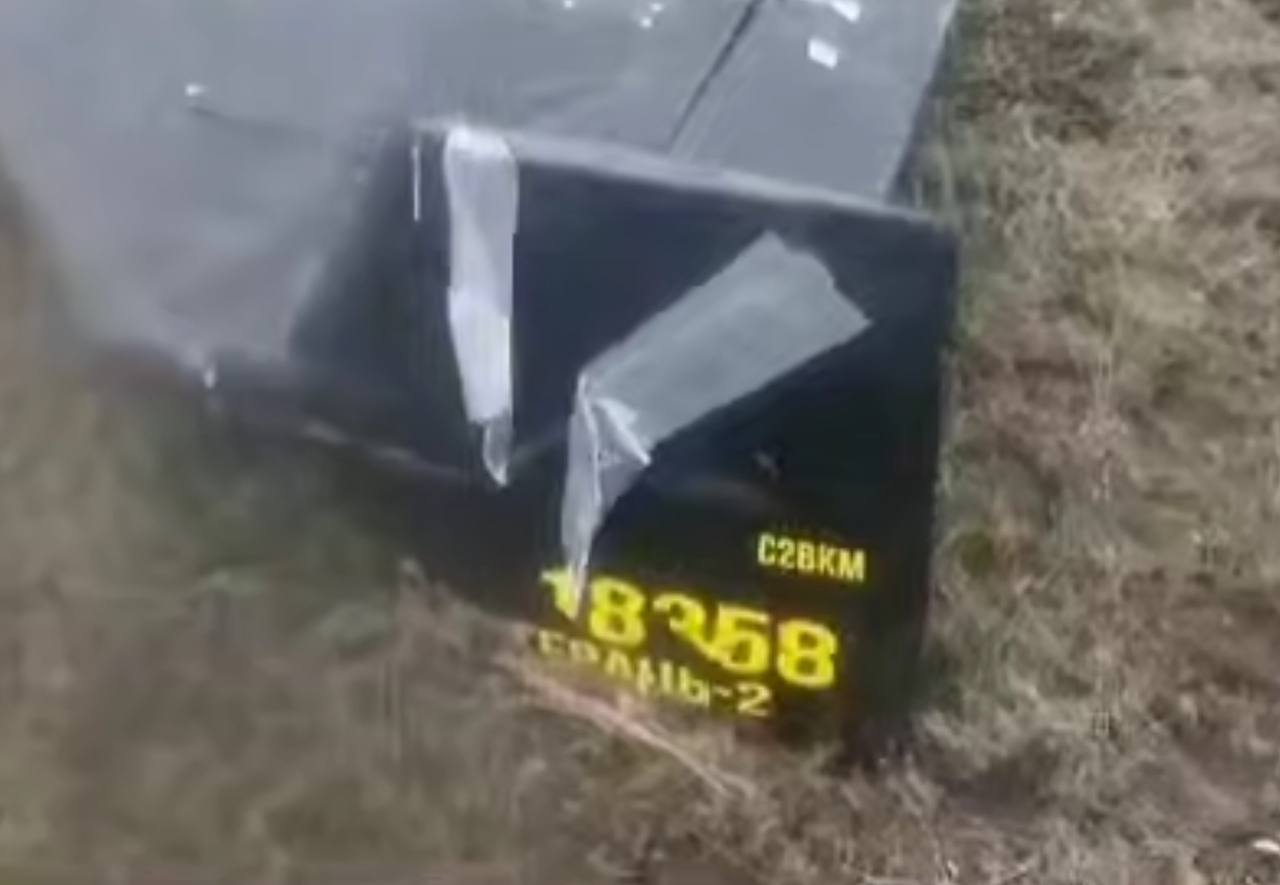
Another drone has crashed in Kazakhstan’s West Kazakhstan region. Local residents discovered the object near the village of Atameken, approximately 60 km north of the district center of Taskala. 

On March 18, the police department in Taskala District received a report about an unidentified object, believed to be a drone, found in a remote area. The device measured approximately three meters in length. Police officers, representatives of the district akimat (council), and emergency services were dispatched to the scene.

The West Kazakhstan Region Police Department confirmed the discovery of an object resembling an unmanned aerial vehicle (UAV). 

“The object fell in a remote area, away from populated settlements, and was found intact, with no visible damage. All circumstances surrounding the incident are being investigated,” the agency stated.

This marks the second case of a drone crash in the region within a month. On February 18, a similar object, measuring 120 cm in length, was discovered in the village of Uyaly in Bokeyorda District. At that time, police and emergency responders also arrived at the scene to investigate.

According to analysts, the drone that crashed on February 18 bears similarities to the Crecerelle, a reconnaissance UAV developed by the French defense company Sagem. However, authorities have not yet confirmed this information.

The incidents have raised concerns due to the region’s proximity to the Kapustin Yar military training ground, which is leased by the Russian Ministry of Defense. Located in Bokeyorda District, the facility occupies nearly half of the district’s territory.

Meanwhile, in neighboring Russia’s Saratov region, Ukrainian drones have repeatedly targeted military facilities, including airfields and fuel storage sites.

On February 17, seven drones carrying explosives and metal shrapnel attacked the Kropotkinskaya oil pumping station, a facility operated by the Caspian Pipeline Consortium (CPC). 

The recent drone crashes in West Kazakhstan region have heightened security concerns among residents and the authorities. Investigations are ongoing to determine the origin of the drones and any potential links to military activity in the region.

Image: Colonel GSh Telegram channel

Posting images of its tail number, the has reported that the drone was a  Russian Geran-2 (Shahed-136) kamikaze drone.

> >

This story has been updated to reflect breaking developments.