• KGS/USD = 0.01144 0%
  • KZT/USD = 0.00192 -0%
  • TJS/USD = 0.10849 0.37%
  • UZS/USD = 0.00008 0%
  • TMT/USD = 0.28490 0%
  • KGS/USD = 0.01144 0%
  • KZT/USD = 0.00192 -0%
  • TJS/USD = 0.10849 0.37%
  • UZS/USD = 0.00008 0%
  • TMT/USD = 0.28490 0%
  • KGS/USD = 0.01144 0%
  • KZT/USD = 0.00192 -0%
  • TJS/USD = 0.10849 0.37%
  • UZS/USD = 0.00008 0%
  • TMT/USD = 0.28490 0%
  • KGS/USD = 0.01144 0%
  • KZT/USD = 0.00192 -0%
  • TJS/USD = 0.10849 0.37%
  • UZS/USD = 0.00008 0%
  • TMT/USD = 0.28490 0%
  • KGS/USD = 0.01144 0%
  • KZT/USD = 0.00192 -0%
  • TJS/USD = 0.10849 0.37%
  • UZS/USD = 0.00008 0%
  • TMT/USD = 0.28490 0%
  • KGS/USD = 0.01144 0%
  • KZT/USD = 0.00192 -0%
  • TJS/USD = 0.10849 0.37%
  • UZS/USD = 0.00008 0%
  • TMT/USD = 0.28490 0%
  • KGS/USD = 0.01144 0%
  • KZT/USD = 0.00192 -0%
  • TJS/USD = 0.10849 0.37%
  • UZS/USD = 0.00008 0%
  • TMT/USD = 0.28490 0%
  • KGS/USD = 0.01144 0%
  • KZT/USD = 0.00192 -0%
  • TJS/USD = 0.10849 0.37%
  • UZS/USD = 0.00008 0%
  • TMT/USD = 0.28490 0%
11 December 2025

Turkmenistan’s Unexplained Shortage of Gasoline

For months now, areas in eastern Turkmenistan have been facing a severe gasoline shortage.

The lack of fuel at the pumps is having a knock-on effect that is raising food prices and shutting down public transportation.

Turkmen officials have not acknowledged there is any problem, so the people of the affected regions have no idea why this happening or for how long this situation will continue.

Gasoline shortages are not new to Turkmenistan. They have been occurring sporadically in recent years, usually during in late summer when harvesting of crops starts.

This latest deficit is unprecedented for Turkmenistan in its duration and severity.


Long lines and purchase limits

By late June, there reports from Lebap and Mary provinces about lines of cars of waiting at petrol stations. Often there was not enough gasoline for everyone.

By mid-July, filling stations in at least five districts and several of the big cities in Lebap Province were often completely out of higher-grade gasoline – A92 and A95.

Before the end of July, Lebap authorities imposed a 10-liter limit per customer, per day on gasoline purchases.

At the start of July there were areas in the northeastern Dashoguz Province that were totally without gasoline, even the cheapest and most environmentally harmful A-80 grade (which is banned in many countries, including Kyrgyzstan and Tajikistan) was unavailable.

In Mary Province, A-92 and A-95 gasoline ran out in July and by early August authorities had limited purchases of A-80 to 20 liters per customer, and even that was unavailable in many areas of the province.

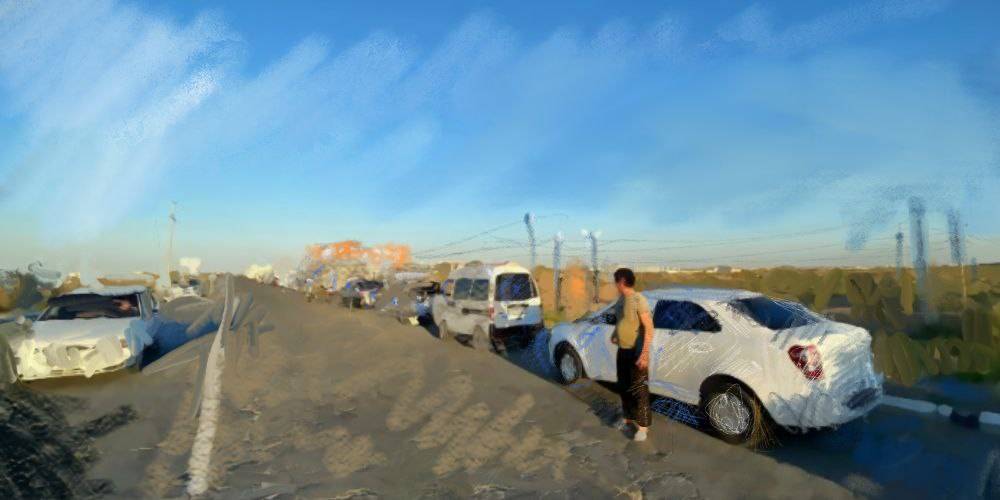
In October, Radio Free Europe’s Turkmen service, known locally as Azatlyk, posted a video of a line of vehicles some three kilometers long outside one of the few filling stations operating along the Turkmenabad-Mary highway. Azatlyk’s sources in the region said there were similar lines at filling stations throughout the province and in the provincial capital Turkmenabad.

Some people are reportedly arriving at filling stations at 4am to get a place in line as close to the pumps as possible when the stations open.

In Mary Province, some car owners said they were phoning family members to bring them food and water while they waited in line.


Prices going up at the pumps and other areas

Turkmenistan has some of the least expensive gasoline in the world with an average of $0.428 per liter, roughly a third of the world average of $1.30 per liter.

The official rate of Turkmenistan’s national currency, the manat, is 3.5 to $1.

The state regulated cost of one liter of gasoline is 1.15 manat for A-80, 1.35 for A-92, 1.5 for A-95, and 1 manat for diesel.

There have been incidents where filling station employees have been illegally selling gasoline at 5-6 manat per liter to those who can afford it.

The shortage is having an effect on public transportation.

Most buses are assigned to bringing people to and from the cotton fields once harvest starts toward the end of August or early September until harvesting ends in late October or early November. These buses apparently are receiving all the gasoline they need, whilst the few city buses still operating face the gasoline deficit.

One person in Turkmenabad – who spoke under the condition of anonymity for fear of repercussions, as did all respondents – said buses were not operating at all in his neighborhood and even cars passing by were rare. “It feels like being in a cemetery,” he said.

A teacher in Turkmenabad confirmed buses had stopped running and complained it complicated arriving at school on time.

The teacher explained his tardiness to the school director. “There are no buses on the roads at all,” the teacher said, “The government is not addressing the problem at all, so what can we do?”

The director replied, “Are you against the policy of our [president]?”

The privately-owned vans that are used as buses in nearly every city across Central Asia are still operating but the cost has doubled, and in some cases tripled for passengers. Taxis in many places in Lebap, Mary, and Dashoguz provinces have also at least doubled their fares due to the problems obtaining gasoline.

Even those who do not need a vehicle are affected.

The shortage of gasoline has increased prices for transporting food. In Turkmenabad, the price of sugar has increased from 16 to 19 manat, sunflower oil from 20 to 30, and goods like macaroni, butter, and cereals are all two or three manat more expensive than in the spring.


The cause

Turkmen officials have not mentioned the gasoline shortage, and the reply of the director to the teacher in Turkmenabad is an example of the pressure all Turkmen citizens feel about complaining over anything in Turkmenistan.

In Turkmenistan, public displays of discontent are often severely punished.

Turkmenistan is known for having vast reserves of natural gas, at least 18 trillion cubic meters, but the country also has oil reserves of some 600 million barrels, easily enough for a country with a population of some 5-6 million people.

However, the Turkmen government has a reputation of putting profits ahead of the plight of the country’s people.

There have been frequent shortages of basic goods, including bread, for nearly a decade in Turkmenistan.

In March 2022, authorities told farmers and agricultural businesses to prepare for an increase in exports of fruits, vegetables, meat, and other goods to Russia, which had just come under international sanctions for its full-scale war on Ukraine.

The situation is similar now with gasoline.

In 2023, Turkmenistan’s oil sales to the European Union amounted to some 1.05 billion euros, up from some $165 million euros in 2022. In the first quarter of 2024, the amount was 107.2 million euros.

The State Commodity and Raw Materials Exchange reported at the end of July that the previous week it “recorded 21 trading operations for a total amount of more than $38.723 million,” most of which was gasoline and other petroleum products.

On September 11, Turkmen and Afghan officials gathered at the border for a ceremony launching the start of several bilateral projects, including power transmission lines, fiber optic cables, and a gas pipeline. The Turkmen side of the border was Mary Province, one of the areas hit by the gasoline shortage.

As a gesture of good will, the Turkmen authorities announced they were sending humanitarian aid to Afghanistan in the form of food, gasoline, and other goods. It is unclear how much gasoline Turkmenistan sent to Afghanistan. Residents of Turkmenistan’s Dashoguz, Lebap, or Mary provinces might say any was too much, as that gasoline is needed at home.

This current gasoline shortage is already unusually long and since the government has not officially recognized there is a problem, there is no telling when, or if, the petrol problem will end soon or become a common feature of life.

It is curious that in Balkanabad and Ahal, the other two of Turkmenistan’s five provinces, there does not seem to be any problem with supplies of gasoline. Why the issue seems confined to the northeast and eastern part Turkmenistan remains unclear.
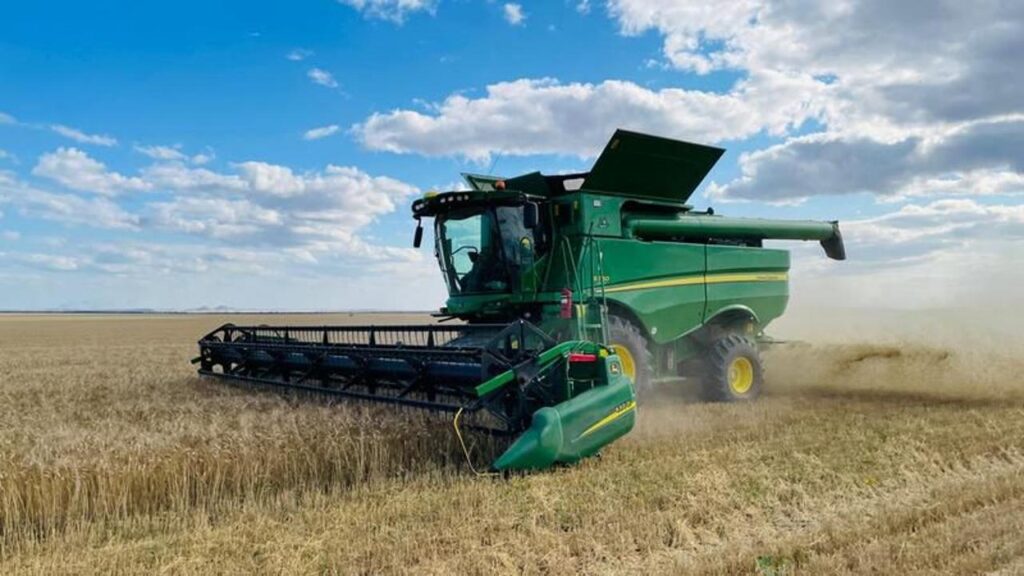

Kazakhstan to Increase Grain and Wheat Exports

According to Kazakhstan’s Ministry of Agriculture, Aidarbek Saparov, 16.7 million hectares of cereals were sown in Kazakhstan this year. Harvesting is 99.7% complete, and 26.5 million tons of grain have been threshed. Kazakhstan plans to export about 12 million tons of the new harvest to traditional markets—the countries of Central Asia and Afghanistan—and new ones, such as Pakistan, Indonesia, Brazil, and Malaysia.
At a government meeting on October 23, Deputy Minister of Trade and Integration Kairat Torebayev reported that Kazakhstan’s export potential for cereals is estimated at 12 million tons, including 7-7.5 million tons of wheat, 1.4 million tons of barley, and 300,000 tons of corn.Torebayev stated that in 2023, Kazakhstan exported 1.43 million tons of cereals to China, marking a 5.5-fold increase over the previous year. Wheat exports alone surged to 538,800 tons, representing nearly a 15-fold increase compared to 2022.

Torebayev said Kazakhstan could increase its wheat exports to China and other Asian countries to 1.6 million tons, adding that its export potential to Turkey and Middle Eastern countries is almost 1 million tons.

Preliminary agreements have been reached on the export of 600,000 tons of wheat to Armenia and 1 million tons to Italy. Negotiations on exporting 200,000 tons of grain to North African countries are underway.

According to APK-Inform, in the 2022/23 grain season, Kazakhstan exported more than 7.3 million tons of wheat, a record-high volume for the last few seasons. Uzbekistan remained the primary importer of Kazakh grain, followed by Tajikistan, Afghanistan, Turkmenistan, and China.

In 2022, Kazakhstan’s wheat exports totaled $1.91 billion, making it the 11th largest wheat exporter globally.

Kazakhstan and Afghanistan Seek to Increase Trade to $3 Billion

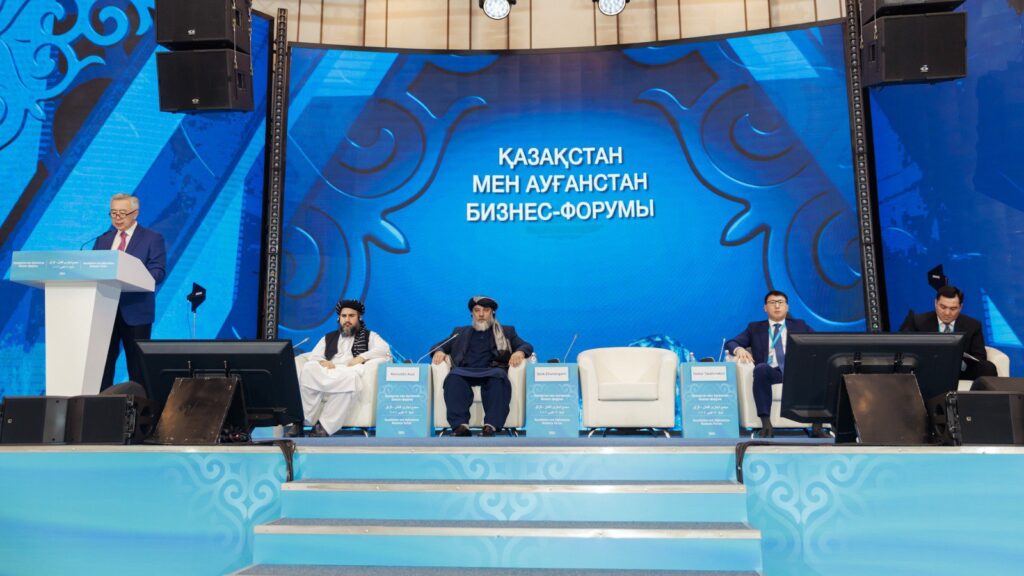
On October 22, Kazakhstan’s Deputy Prime Minister Serik Zhumangarin and Afghanistan’s Minister of Industry and Commerce, Nuriddin Azizi, signed a roadmap to increase Kazakh-Afghan trade turnover to $3 billion at a business forum in Almaty.

This follows Kazakhstan’s removal of the Taliban from its list of terrorist organizations in June as part of an effort to develop trade and economic ties with Afghanistan. The roadmap includes Kazakhstan’s participation in constructing two railway lines in Afghanistan: Turgundi—Herat—Kandahar—Spin Boldak and Mazar-i-Sharif—Harlachi. It also aims to expand the range of goods in bilateral trade, develop cooperation in the chemical industry, and increase the export of Kazakh ammophos materials to Afghanistan.

Additionally, the roadmap includes plans to export both new and used cars manufactured in Kazakhstan, set up service centers in Afghanistan, and build schools in the region. According to Kazakh officials, there is significant potential to increase grain and flour exports to Afghanistan while importing Afghan fruits, vegetables, dried fruits, and other food products. Kazakhstan is also interested in supporting Afghanistan’s economic development and integration into international transport corridors.

In the first half of 2024, the volume of road transit from Afghanistan through Kazakhstan increased by 8%, exceeding 5,000 tons, compared to 10,000 tons last year. Deputy Prime Minister Zhumangarin noted at the forum that a railway corridor connects Kazakhstan and Afghanistan through Turkmenistan and Uzbekistan. Kazakhstan is also interested in using the Trans-Afghan corridor, which runs through the Karachi and Gwadar seaports in Pakistan, to facilitate the transit of Kazakh export cargo to markets in the Middle East and Southeast Asia. The Afghan delegation was offered access to the dry port of Khorgos on the Kazakh-Chinese border to ensure the smooth transit of Afghan goods to China via Kazakhstan.

The business forum in Almaty coincided with Kazakh-Afghan negotiations on the logistics of transporting goods from China to Afghanistan and back through Kazakhstan. The event also featured an exhibition of Afghan food and industrial products.

Turkmenistan to Produce Food Additives from Locally Harvested Gleditsia Pods

In a significant step towards implementing innovations across various economic sectors, Turkmenistan has secured the copyright for galactomannan production technologies developed by the Biotechnology Department of the International Science and Technology Park.

Galactomannans, polysaccharides consisting of D-galactose and D-mannose, are known for their ability to form gels and increase the viscosity of solutions. Thanks to these properties, they are in high demand in the food, agricultural, and printing industries, where they are used as thickeners and structuring agents.

According to Altyn Rakhmanova, head of the biotechnology department of the Academy of Science of Turkmenistan, the development of galactomannan production technologies is part of Turkmenistan’s Biotechnology Development Program for 2024-2028, a vital aspect of which is the creation of feed additives for farm animals from local raw materials.

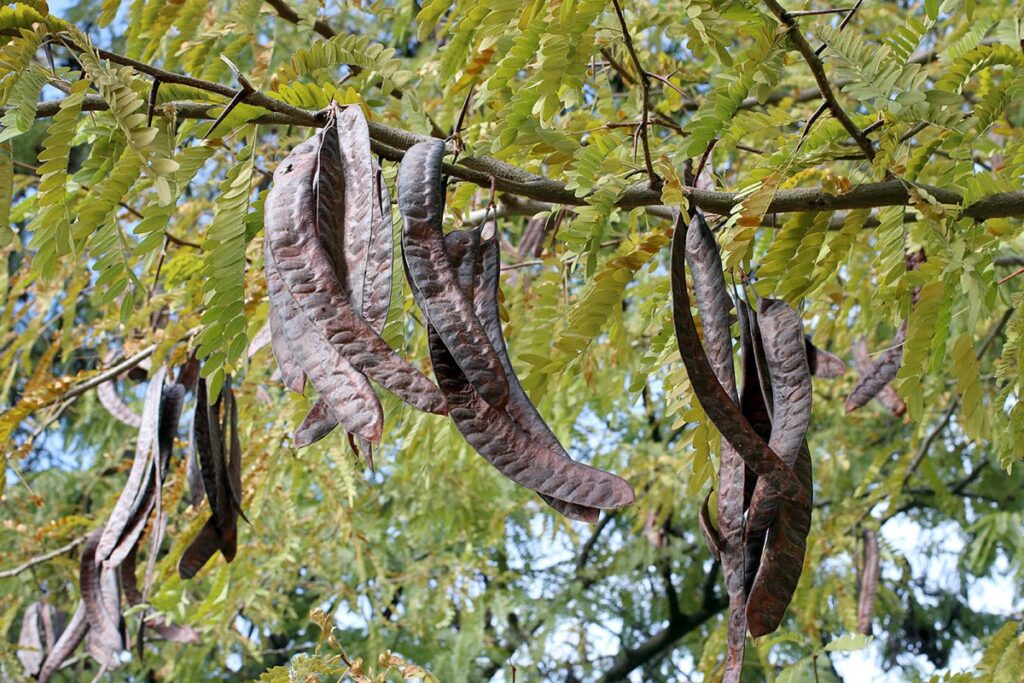
Using galactomannans derived from pods of the Gleditsia triacanthos, a plant grown in Turkmenistan and described by Gurbanguly Berdimuhamedov, the National Leader of the Turkmen people in his book, Medicinal Plants of Turkmenistan, as having multiple valuable properties, helps reduce costs and maximizes the utilization of local resources .

As  detailed in the book, Gleditsia is a honey-bearing plant from which up to 250 kg of honey can be harvested per hectare. An efficient method of galactomannan extraction ensures maximum yield from the raw material, contributing to sustainable and autonomous production, as well as serving as a foundation for further technological advancements in the food and agricultural sectors and the utilization of local natural resources.

As previously  reported by The Times of Central Asia, Turkmen bio-technologists from the Academy of Sciences of Turkmenistan have developed an innovative lactose-based gel designed to rejuvenate and correct age-related skin changes. Other scientific breakthroughs include a therapeutic ointment made from the Maclura, a tree species widespread in the country, which relieves inflammation and aids the healing of wounds,  a cream based on oil extracted from silkworm cocoons for use in cosmetology, and crackers made from extracts from camel thorn.

Kazakhstan and Uzbekistan Prioritize Cooperation Between Regions

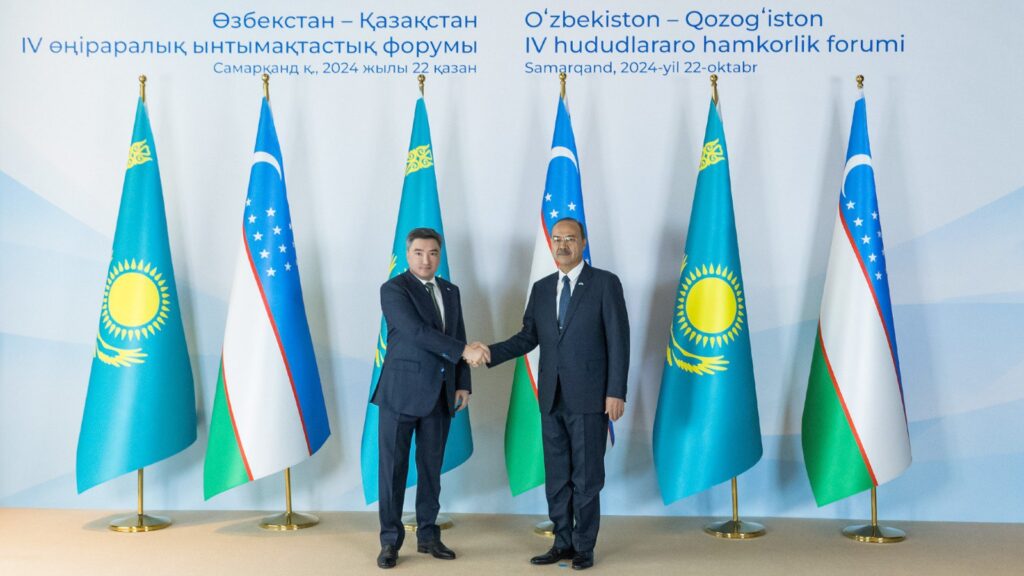
On October 22, the 4th Interregional Forum, “Uzbekistan-Kazakhstan,” was held in Samarkand, Uzbekistan. The forum addressed issues such as increasing bilateral trade turnover, developing industrial cooperation, and enhancing collaboration in the water, energy, transit, and transport sectors.

Speaking at the forum, Uzbekistan’s Prime Minister, Abdulla Aripov, emphasized that developing cooperation between the regions of Uzbekistan and Kazakhstan is a priority in relations between the two countries. Aripov stated that “Over the past seven years, trade turnover between Uzbekistan and Kazakhstan has grown almost 2.5-fold, reaching $4.4 billion last year. Today, more than 1,000 enterprises with Kazakh capital operate in Uzbekistan. Border regions have established direct and close ties with each other — the Republic of Karakalpakstan [in Uzbekistan] with the Mangistau region [in Kazakhstan], the Tashkent region with the Turkestan region, and the Navoi region with the Kyzylorda region. At the same time, this great potential has yet to be realized.”

Kazakhstan’s Prime Minister, Olzhas Bektenov, meanwhile, announced at the forum that Kazakhstan is ready to increase exports to Uzbekistan by over $550 million, offering 40 types of high-value-added Kazakh products. Uzbekistan is Kazakhstan’s main trading partner in Central Asia.

From January-August 2024, bilateral trade amounted to $2.5 billion, with more than 50% of Uzbekistan’s trade passing through Kazakhstan in transit. The forum paid special attention to the development of industrial cooperation, including 74 joint projects with a total investment volume of $3.4 billion and the creation of 14,600 jobs. Of these, 65 enterprises will be established in Kazakhstan, creating 13,600 new jobs.

Examples of Kazakh-Uzbek industrial cooperation include the manufacture of Chevrolet Onix cars in Kostanay (Kazakhstan), a plant for the production of household appliances in Saran (Kazakhstan), sewing, spinning, and weaving factories in the Shymkent and Turkestan regions (Kazakhstan), and the production of autoclaved aerated concrete in Angren (Uzbekistan).

Kazakhstan and Uzbekistan are also working on establishing the International Center for Industrial Cooperation “Central Asia,” which will offer “one-stop shop” for services and tax and customs for entrepreneurs from both countries.

In Uzbekistan, Perpetrators of Domestic Violence Against Children Face Tougher Penalties

Uzbekistan has toughened liability for physical abuse of children within the family, actions which can now result in more stringent criminal penalties. President Shavkat Mirziyoyev signed relevant amendments to the legislation, which came into force after being officially published on the website of the national legislation base.

The amendments affect the Criminal Code and the Code of Administrative Responsibility, introducing stricter sanctions for domestic violence against children. Child abuse is punishable by fines ranging from $590 to $885, or imprisonment of two to three years. In cases of violence against more than one child, the punishment becomes more severe, with perpetrators facing three to five years in prison. The legislative changes were approved by Parliament in July 2024 and approved by the Senate in September.

These measures come as a reaction to increasing cases of child abuse in Uzbekistan. Recently, a woman in Bukhara beat her underage daughters, and a resident of the Shafirkon district was sentenced to three years in prison for abusing her child. Another high-profile case occurred in the Toylok district of Samarkand province, where a man was accused of beating his six-year-old stepson. These cases have attracted significant public attention, prompting the authorities to strengthen legislative measures to protect children from violence perpetrated within family units.