• KGS/USD = 0.01143 -0%
  • KZT/USD = 0.00192 -0%
  • TJS/USD = 0.10820 0.19%
  • UZS/USD = 0.00008 0%
  • TMT/USD = 0.28575 0%
  • KGS/USD = 0.01143 -0%
  • KZT/USD = 0.00192 -0%
  • TJS/USD = 0.10820 0.19%
  • UZS/USD = 0.00008 0%
  • TMT/USD = 0.28575 0%
  • KGS/USD = 0.01143 -0%
  • KZT/USD = 0.00192 -0%
  • TJS/USD = 0.10820 0.19%
  • UZS/USD = 0.00008 0%
  • TMT/USD = 0.28575 0%
  • KGS/USD = 0.01143 -0%
  • KZT/USD = 0.00192 -0%
  • TJS/USD = 0.10820 0.19%
  • UZS/USD = 0.00008 0%
  • TMT/USD = 0.28575 0%
  • KGS/USD = 0.01143 -0%
  • KZT/USD = 0.00192 -0%
  • TJS/USD = 0.10820 0.19%
  • UZS/USD = 0.00008 0%
  • TMT/USD = 0.28575 0%
  • KGS/USD = 0.01143 -0%
  • KZT/USD = 0.00192 -0%
  • TJS/USD = 0.10820 0.19%
  • UZS/USD = 0.00008 0%
  • TMT/USD = 0.28575 0%
  • KGS/USD = 0.01143 -0%
  • KZT/USD = 0.00192 -0%
  • TJS/USD = 0.10820 0.19%
  • UZS/USD = 0.00008 0%
  • TMT/USD = 0.28575 0%
  • KGS/USD = 0.01143 -0%
  • KZT/USD = 0.00192 -0%
  • TJS/USD = 0.10820 0.19%
  • UZS/USD = 0.00008 0%
  • TMT/USD = 0.28575 0%
13 December 2025

ADB Allocates $15 Million to Tajikistan for Power Grid Reconnection in Central Asia

The Asian Development Bank (ADB) has approved a grant of $15 million for a project to reconnect Tajikistan’s power lines to the Central Asian unified electricity grid. The reconnection, it is reported, will be carried out through mutual relations with Uzbekistan.

“Through the Central Asia Regional Economic Cooperation (CAREC) program, ADB actively promotes regional power trade among countries in Central Asia and beyond,” said ADB Director General for Central and West Asia Yevgeniy Zhukov. “Our support improves the sustainability of the regional power system and helps reduce greenhouse gas emissions in the region.”

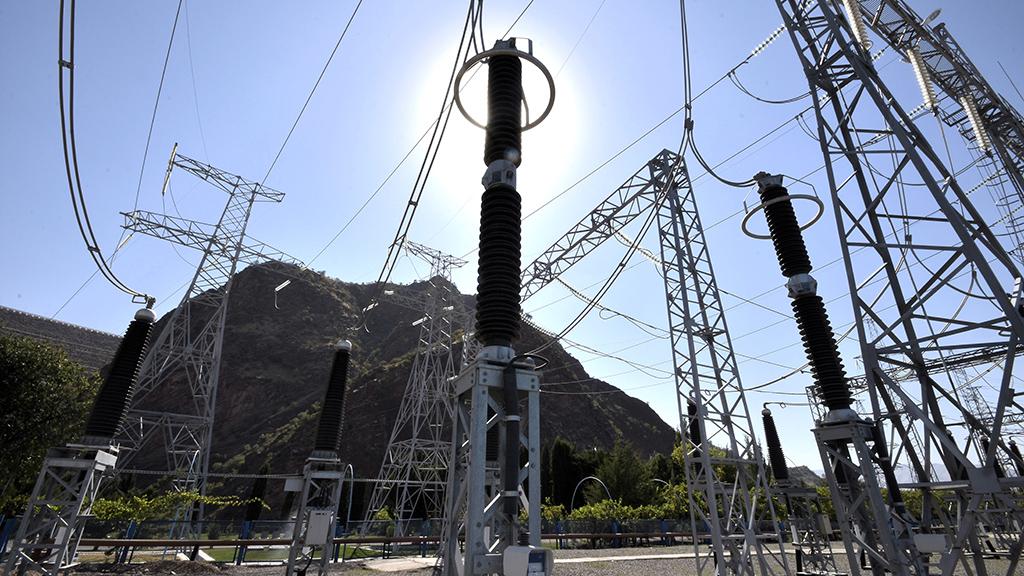
The additional funding will build a new 22-kilometer, 500-kilovolt power line in northern Tajikistan, connecting the Sughd substation to the New Syrdarya substation in Uzbekistan. This will increase the ability to send and receive electricity between Kazakhstan, Kyrgyzstan, Tajikistan, and Uzbekistan and improve the infrastructure to prevent blackouts.

The project will also help ensure that Tajikistan’s energy system is ready to provide regulatory opportunities for the continued integration of renewable energy in the region. In the long term, it will become a key component of the electricity evacuation scheme for the Rogun hydropower plant in Tajikistan.

Previously, ADB approved $17.5 million in grant assistance to improve women’s agricultural skills and ensure food security in Tajikistan.

Drop in Uzbekistan’s Exports to Central Asia

Local media has reported that from January – August, Uzbekistan’s exports to its four neighboring countries decreased, compared to the same period in 2023.

According to data from the  Statistical Agency data, exports to Kazakhstan dropped from 950 million USD to 872 million USD; to Kyrgyzstan, from 491 million USD to 365 million USD; to Tajikistan, from 389 million USD to 329 million USD, and to Turkmenistan, from 118 million USD to 78 million USD.

The share of Central Asian countries in Uzbekistan’s total foreign trade turnover (FTT) in the first nine months of 2023 was 11.5%. The total FTT was worth 40 billion 45 million USD, of which 4 billion 574.3 million USD were with Central Asian countries. This year, it has decreased to 10.3%, meaning 4 billion 400.6 million USD of FTT of 42 billion 703.3 million USD are with CA countries.

The Ministry of Investments, Industry, and Trade attributed the drop to an increase Uzbekistan’s exports to international markets with high purchasing power, especially Europe, Arab countries, Southeast Asia, and the Americas, and explained, ” due to diversification, the volume of exports to neighboring countries, which are considered a traditional market, decreased. In particular, the volume of exports to Kazakhstan decreased by 8.3%, to Kyrgyzstan by 25.6%, to Tajikistan by 15.3%, and to Turkmenistan by 36.2%.”

Kazakhstan Enters Era of Peaceful Nuclear Energy

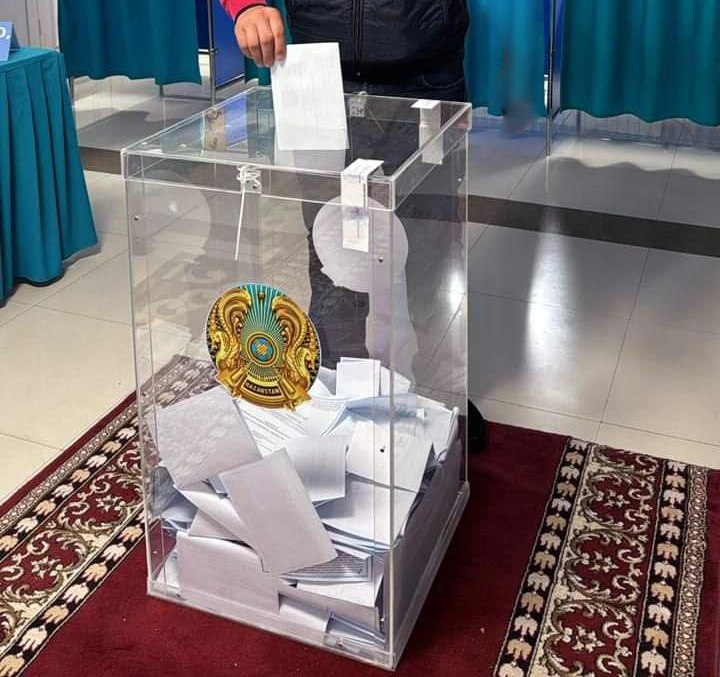
Kazakh President Kassym-Jomart Tokayev’s bet on a referendum to secure citizens’ consent to construct a nuclear power plant has worked. The Central Election Commission of Kazakhstan announced the final results of the referendum held last Sunday, in which 63,66% of citizens eligible to vote showed up at the polling stations. 71.12 % answered “Yes” to the question on the ballot paper about consent to constructing the nuclear power plant.

Organizations engaged in sociological surveys of voters at the exit polls announced similar results on Sunday night and Monday.

“The exit poll of the Institute of Complex Social Studies – Astana (SOCIS-A) called the referendum participants’ decision to favor the construction of nuclear power plants in Kazakhstan. ‘For’ voted 69.8%, ‘Against’ – 30.2%. Similar figures were shown by the Institute of Eurasian Integration exit poll (‘For’ – 71.8%, ‘Against’ – 28.2%). According to the Institute of Public Policy of the Amanat party, 72.3% of referendum participants voted in favor of the NPP construction. In comparison, 27.7% voted against,” Kazakhstani political analyst Eduard Poletayev said on his Facebook account.

His colleague Daniyar Ashimbayev, commenting on the exit poll data, emphasized that Kazakhstanis have managed to overcome old phobias related to Chernobyl and tests at the Semipalatinsk nuclear test site, as well as “enemy propaganda.” By ‘propaganda’, he means the agitation work of opponents to NPP construction.
@ТСА/Kubaizhanov

“For many years, projects to return to nuclear energy were discussed, but there was always a lack of political will, and powerful foreign pressure prevented the decision necessary for the country. And even now, during the campaign period, we have seen the active work of propagandists paid from abroad to not only disrupt the plans for the construction of nuclear power plants but also to try to destabilize the situation in the country,” said Ashimbayev.

Ashimbayev implies that the United States is putting sticks in the wheels of the development of Kazakhstan’s nuclear industry. And the point here is not that American nuclear corporations were left off the shortlist, which Kazakhstan is considering, but in the usual policy of containment. Not Kazakhstan, of course, but Russia and China – Washington’s main geopolitical rivals and competitors.

Realizing this, Tokayev, after voting in the referendum and answering journalists’ questions afterward, said that he would like the NPP to be built by an international consortium, presumably from the companies of those countries that were on the shortlist: Russia, China, South Korea, and France.

“This is not an easy question. The government should engage in analysis and conduct appropriate negotiations. My vision for this issue is for an international consortium to work in Kazakhstan, consisting of global companies with the most advanced technologies. Further, as they say, life will show,” Tokayev said.

Kazakhstan has turned another significant page in its history. In 400 days of discussing nuclear power plants – how long it took from when Tokayev first mentioned atomic power to the end of the campaign period – the president’s team has managed the essentially impossible. Kazakhstanis’ aversion to nuclear power appeared to be an impassable obstacle. However, the years separating us from the last explosions at the nuclear power plant, the policy of enlightenment, and regular power cuts did their job. Kazakhstanis entered a new era: the era of the peaceful atom.

New Road Promised for Kyrgyzstan’s Highest Village

The Ministry of Transport and Communications of Kyrgyzstan has announced a tender for the construction of a road to Kyrgyzstan’s highest village of Zardaly in the Batken oblast.

Authorities have set aside 389 million KGS ($4.5 million) for the construction of the 4.2 kilometer road and according to published data, bids will be accepted until October 22 this year.

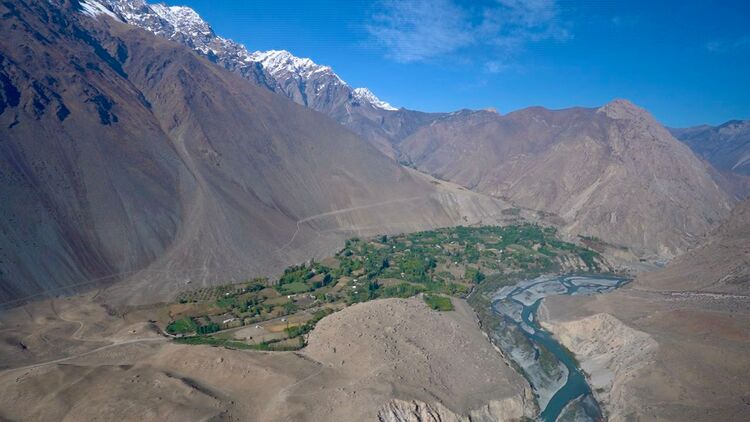
The village of Zardaly is located in the highlands on Kyrgyzstan’s border with Uzbekistan and Tajikistan. At present, only one narrow, stony road leads to the settlement, accessible only between May to October. With the onset of cold weather, snow makes it impossible to get to the village, and residents are cut off from the outside world. It should be noted that Zardaly lacks cellular communication, the recently installed internet only serves the local school, and there are significant problems with electricity.

As a local proverb says, “If there is no urgent business – do not enter Zardaly.”

On the day prior to the announcement of the tender, Kyrgyz President Sadyr Zhaparov visited Zardaly by helicopter.  Whilst there, he promised residents that a highway would be built in the village in spring 2025, after which electricity would be supplied. He also instructed the presidential administration to solve the issue of cellular communications in the region.

In earlier complaints about the situation in the village, Kyrgyzstan’s ombudsman said that although Zardaly became a village in 2016, residents still require help accessing medical services and quality education.

Tajikistan Expresses Concerns over Violations of its Citizens’ Rights in CIS Countries

The most recent meeting of the Council of Foreign Ministers of the Commonwealth of Independent States (CIS) was hosted by Moscow on October 7.

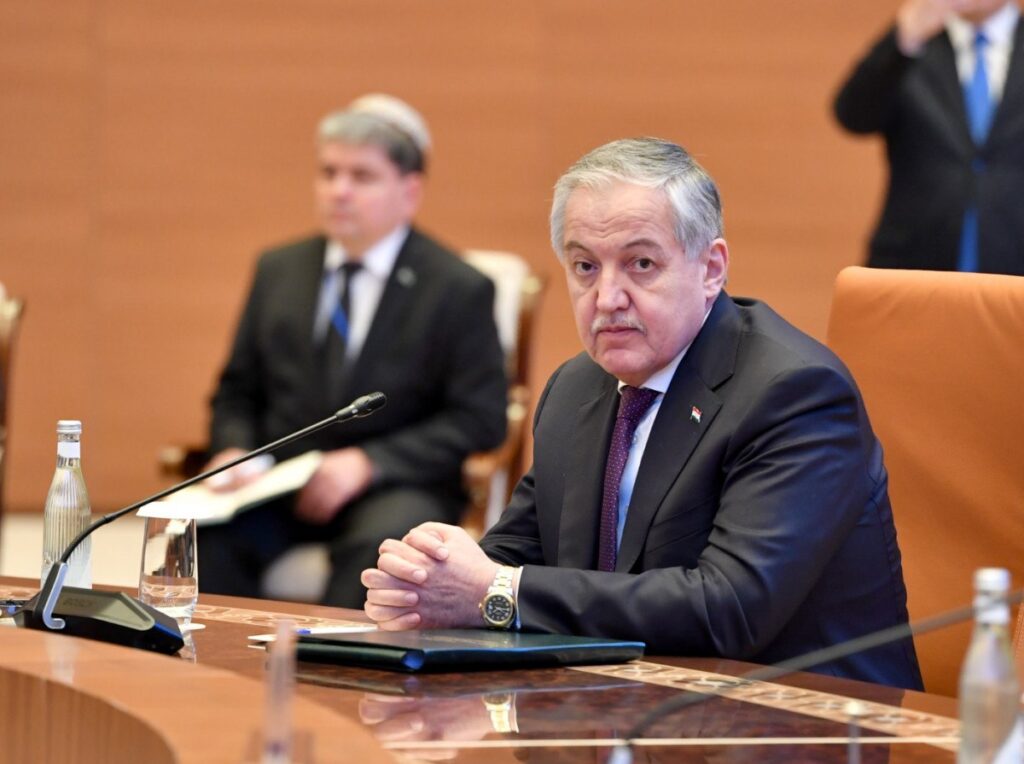
During the meeting,  Minister of Foreign Affairs of Tajikistan, Sirojiddin Muhriddin, expressed his concern about the violation of the rights of the republic’s citizens on the territory of some CIS countries. Emphasizing the need for a comprehensive approach to solving migration issues in the countries of the Commonwealth of Nations, he called for consideration of all parties’ interests: host countries, migrant-sending countries, foreign citizens, and the local population.

The Minister also addressed urgent security issues and stressed the need to strengthen the fight against terrorism, extremism, illegal drug trafficking, and transnational crimes. He invited the CIS states to participate in the international conference on counterterrorism, scheduled for early November in Kuwait City as part of the Dushanbe process.

USAID Launches Green Solutions in Kyrgyzstan

The United States Agency for International Development (USAID) has announced a new U.S. government-sponsored Green Solutions Activity. This five-year initiative backed by a $24 million investment aims to empower small and medium enterprises in Kyrgyzstan to adopt innovative green solutions, enhance energy efficiency, and increase the supply of renewable energy, the U.S. Embassy in Bishkek reported.

“This investment marks a pivotal moment in the U.S. government’s commitment to building a greener future in close partnership with the Government of the Kyrgyz Republic. USAID will partner with local businesses and offer grants to adopt green solutions and technologies. Importantly, we will also work with local banks and financial institutions to advance green finance initiatives,” USAID Deputy Assistant Administrator Änjali Kaur stated at the launch event in Bishkek.

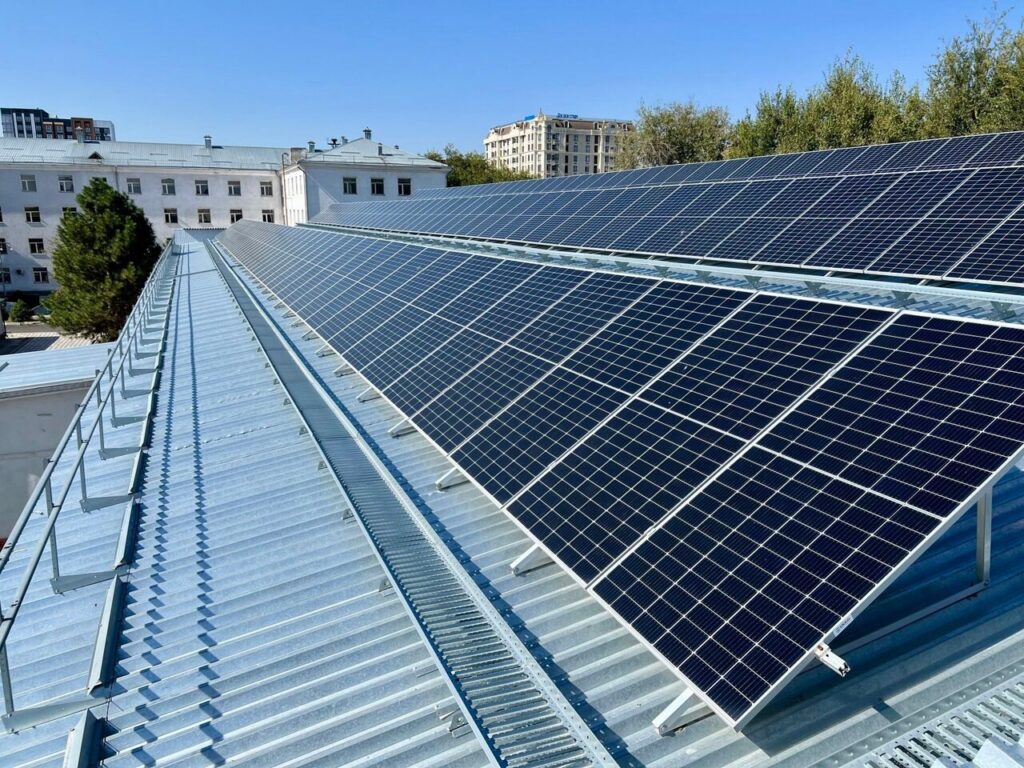
The launch event occurred at Kyrgyzstan’s first rooftop grid-connected photovoltaic solar plant at the Kyrgyz State Technical University. Developed with USAID support and officially inaugurated in December 2023, the 80-kilowatt solar power installation can generate 143,037 kilowatt hours annually. It not only powers the university but also enables it to sell excess electricity back to the grid, effectively helping to offset operational costs and modeling a more sustainable energy future for the region.

USAID is supporting the Kyrgyz government’s green economy initiative to diversify its energy sources into various clean energy forms. The regional Power Central Asia activity focuses on energy sector connectivity and decarbonization, energy security and resilience, and expanded cross-border electricity trade. Additionally, the USAID Future Growth Initiative and USAID Agro Trade Activity promote green production.