• KGS/USD = 0.01144 0%
  • KZT/USD = 0.00196 -0%
  • TJS/USD = 0.10899 -0%
  • UZS/USD = 0.00008 -0%
  • TMT/USD = 0.28490 0%
  • KGS/USD = 0.01144 0%
  • KZT/USD = 0.00196 -0%
  • TJS/USD = 0.10899 -0%
  • UZS/USD = 0.00008 -0%
  • TMT/USD = 0.28490 0%
  • KGS/USD = 0.01144 0%
  • KZT/USD = 0.00196 -0%
  • TJS/USD = 0.10899 -0%
  • UZS/USD = 0.00008 -0%
  • TMT/USD = 0.28490 0%
  • KGS/USD = 0.01144 0%
  • KZT/USD = 0.00196 -0%
  • TJS/USD = 0.10899 -0%
  • UZS/USD = 0.00008 -0%
  • TMT/USD = 0.28490 0%
  • KGS/USD = 0.01144 0%
  • KZT/USD = 0.00196 -0%
  • TJS/USD = 0.10899 -0%
  • UZS/USD = 0.00008 -0%
  • TMT/USD = 0.28490 0%
  • KGS/USD = 0.01144 0%
  • KZT/USD = 0.00196 -0%
  • TJS/USD = 0.10899 -0%
  • UZS/USD = 0.00008 -0%
  • TMT/USD = 0.28490 0%
  • KGS/USD = 0.01144 0%
  • KZT/USD = 0.00196 -0%
  • TJS/USD = 0.10899 -0%
  • UZS/USD = 0.00008 -0%
  • TMT/USD = 0.28490 0%
  • KGS/USD = 0.01144 0%
  • KZT/USD = 0.00196 -0%
  • TJS/USD = 0.10899 -0%
  • UZS/USD = 0.00008 -0%
  • TMT/USD = 0.28490 0%
08 December 2025

Uzbekistan Travel Tips from Professional Guide Eleonora Radjabova

Uzbekistan is increasingly attracting tourists from all over the world, eager to experience its rich cultural heritage, unique architecture and spectacular landscape.

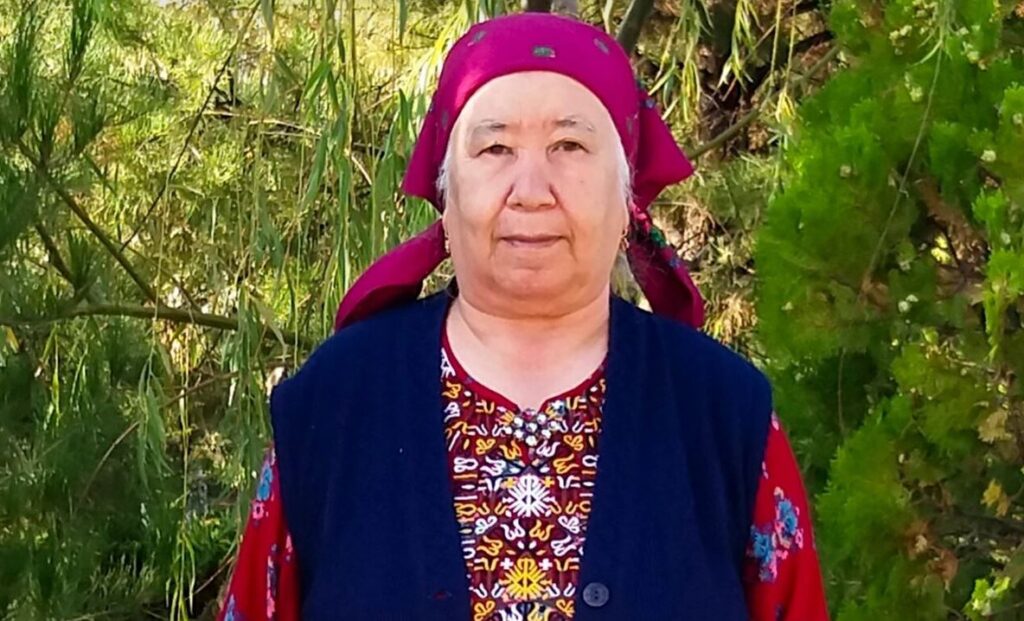
Eleonora Radjabova, a professional guide in Uzbekistan since 2007, spoke to TCA about her own favorite locations and provided tips on how to make the most of your trip to her country.

photo: elya.uz.guide – Eleonora Radjabova


TCA: What are your personal favorite places and activities in Uzbekistan?

My favorite places and activities in Uzbekistan highlight the diversity and richness of the natural environment and cultural experiences my country has to offer.

I especially love Bukhara for its ancient historical heritage and architectural masterpieces. Walking through the narrow streets and markets of this medieval city is a unique and immersive experience filled with dazzling, iconic monuments at every turn.

photo: TCA -Bukhara


For those wishing a flavor of Uzbekistan’s landscape, I recommend Chimgan and Amirsoy, both within easy reach of Tashkent.

Chimgan, set in the Ugam Chatkal National Park and 85 kilometers from the city, is perfect for an active vacation. Sometimes known as ‘Uzbek Switzerland’ with mountains rising to 3309m above sea level, Chimgan has facilities for various extreme sports. In winter, it operates as a ski-resort whilst in summer, paragliding provides an exhilarating experience and breath-taking views of the terrain from high in the air. Apart from being ideal for day-trippers, the resort which specializes in eco-tourism, offers a wide range of accommodation for longer stays.

photo: skipedia.ru -Chimgan


Amirsoy, just 65 kilometers from Tashkent, offers an easily accessible respite from city life. Flanked by the Chaktal Ridge and Tian Shan mountains, its beautiful rolling landscape offers numerous trails for hiking and walking, alongside spas and pools.

photo: Uzbek Travel -Amirsoy


Lake Aidarkul, a unique oasis of sorts in the Kyzylkum Desert, is another of my favorite places to relax and enjoy outdoor recreation. It is especially beautiful in August when people come to its shores to enjoy the sunset then gaze at the starry sky. A natural wilderness and home to rare species of birds as well as pelicans, herons, geese and black storks, the area is a mecca for birdwatchers. Visitors can also experience a unique taste of nomadic life by embarking on a trip through the desert on camels – “ships of the desert”-  to spend a night in a yurt.

photo:adantour.com -Lake Aidarkul


TCA: Why are these places and activities especially dear to you?

These places and activities recharge my vigor, positively influence my mood, and I return to the city, to my work, with new ideas and impressions.

 TCA: What tips can you offer tourists to get the most out of their visit?

 It’s all about forward planning!

I recommend determining in advance, aspects of the country which interest you most -historical monuments, culture, nature, cuisine -to help pick a tour tailored to your preferences.

Make a list of places you want to visit, such as Samarkand, Bukhara, Khiva, Tashkent and their key sites (Registan, Gur-Emir Mausoleum, ancient madrassas, etc.).

Sightseeing can be both exhausting and overwhelming, especially when visiting multiple attractions, so allow time for rest and relaxation.

Allow for a degree of flexibility and be prepared for unforeseen changes to your plans in response to new and interesting suggestions from your guide. Explore the logistics of your proposed travel plan, and to avoid unnecessary stress and delays if you have signed up for a tour, ensure that you understand how transportation, routes, and travel times between and within cities and attractions will be organized. The same applies to services provided – breaks, food, entrance fees etc.- and details regarding the duration of visits to specific attractions.

To make your visit to sights more meaningful, it is useful to either read up or consult your guide on the cultural or historical context of sights, and to heed local recommendations concerning restaurants, markets, cultural events etc.

Taking notes and photographs will trigger memories of what you have seen as well as help you plan return visits or future trips.

Last but not least, be open to spontaneity for this can often lead to the most memorable aspects of your vacation!

Photo :TCA – Traditional Uzbek Ceramics


TCA: How has Uzbekistan’s tourist industry changed in recent years?

There have been several notable changes and improvements in our tourism industry.

Infrastructure: The country continues to actively develop its tourism infrastructure and services. New hotels have been built, airports have been modernized, and transportation between cities and attractions has much improved.

Visas: Uzbekistan has simplified its visa regime for citizens of many countries, which contributes to the increase in tourists. Electronic visas and visa-free regimes for citizens of some countries have also been introduced.

Promotion of cultural heritage: Programs to promote Uzbekistan’s cultural and historical heritage are constantly being developed and the inclusion of sites in the UNESCO World Heritage List in tandem with organized cultural events, have had a significant impact on our volume of tourists.

Improvement of tourist services: New service standards have been introduced alongside better training and education of tourism workers, including guides and managers.

Development of tourist routes: New routes and excursions have been opened, including little-known regions of the country, such as mountainous areas or historical villages, allowing tourists to discover new corners of Uzbekistan.

Increased international cooperation: Cooperation with international tourism organizations and agencies has proved invaluable in promoting the country’s image and its profile as a tourist destination.

Investment in digitization: The introduction of digital technologies such as online booking, mobile apps for tourists and virtual tours, facilitates access to information and services.

Environmental and cultural heritage preservation: Uzbekistan is beginning to pay more attention to sustainable tourism development, including environmental protection and cultural heritage preservation.

TCA: What features of Uzbekistan’s culture and traditions most surprise and impress tourists?

The culture and traditions of Uzbekistan have many unique features that often surprise our guests.

One of such, is hospitality. Uzbek people are known for their sincere and warm hospitality and tourists are repeatedly amazed at how locals accept them like close friends, offering food, drinks and assistance without expecting anything in return.

I have also noticed that with little foreknowledge of Uzbek cuisine, tourists are surprised and impressed by its variety and rich flavors. Plov (or “pilov”), samsa, lagman and kebab are just some of the dishes that leave a lasting impression.

Uzbekistan’s vibrant and colorful markets and bazaars, such as Chorsu in Tashkent and Sultan Uvais in Bukhara, are magnets for tourists. Filled with exotic aromas and locally crafted ceramics, carpets, embroidery, and textiles, they epitomize for many, a romantic sense of the orient.

Traditional folk dances and music played on age-old instruments such as the dutar, fascinate visitors to the country, as are rites and rituals attached to national holidays such as Navruz (the Persian New Year), and weddings, which demonstrate our rich and diverse cultural heritage.

Although well documented on websites and the media, visitors never fail to be awestruck when experiencing, first-hand, examples of Uzbekistan’s unique Islamic architecture and the majestic tiled madrassas, mosques and mausoleums of Samarkand, Bukhara and Khiva.

Photo: TCA -Plov


TCA: What particular customs should tourists respect ?

Foreigners often make common mistakes that jar with Uzbek culture and jeopardize harmonious interaction with locals. Here are some points, which as a guide, I include in a pre-tour talk to help clients understand and respect local customs and traditions:

Dress code: Religious and cultural places such as mosques and madrasas, require modest dress, so to avoid being turned away, tourist should dress appropriately and women are advised to carry a scarf to cover their heads and bare shoulders.

Photography and Social Boundaries : Taking pictures of people without their permission or showing excessive curiosity in locals, is considered rude and an invasion of privacy. Visitors should also respect personal boundaries especially when using non-verbal gestures such as hugging or patting, which may be perceived as inappropriate.

Offensive behavior: Talking loudly, smoking, touching artefacts and littering are generally deemed disrespectful in religious and historic sights.

Hospitality and table manners: Offers of food and drinks to outsiders is of important cultural significance and should be welcomed rather than refused. Tourists should likewise, accept food in the order served by their Uzbek hosts and follow suit regarding the use of their hands.

I hope these tips will help readers maximize their time in Uzbekistan and make their trips exciting and fulfilling.

Kyrgyzstan Closes Kloop; Media Outlet Says Work Will Go On

Amid concerns that media freedoms in Kyrgyzstan are shrinking, President Sadyr Japarov has suggested that the closure of Kloop Media, a Kyrgyz foundation that runs an investigative news organization, was a blow against “anarchy” and false information rather than freedom of speech.

Japarov offered his contested vision of what constitutes responsible media coverage in an interview published on Tuesday by the state news agency Kabar, which asked for his reaction to a reported ruling by Kyrgyzstan’s Supreme Court that upheld the liquidation of Kloop Media after a yearlong court battle.

“Doesn’t the closure of this media have a negative impact on the freedom of expression in the country?” Kabar director Mederbek Shermetaliev asked Japarov.

“Nothing. For 30 years, we have replaced anarchy with democracy and gossip with freedom of speech. Now the community is recovering from those diseases,” Japarov replied. “We have had and will have freedom of speech. We will support anyone as long as they tell the truth. Anarchy, spreading rumors and false information is not freedom of speech.”

The president’s emphasis on stability and regulated expression is a shift from the more freewheeling environment of past years in Kyrgyzstan, which had a reputation as one of the more open – as well as turbulent – societies in Central Asia. Japarov, who came to power during a period of political upheaval in 2020, has dismissed criticism that his government is creeping toward authoritarianism.

Last week, Kloop Media said it had learned that the Supreme Court’s panel of judges for civil and economic cases decided on July 16 to uphold the foundation’s liquidation, indicating the court had remained silent about the ruling until foundation lawyers were informed on Aug. 22. It said the closure of Kloop’s bank accounts could begin soon, but said the number of its online visitors had grown and that work would continue to be published on the internet.

“And as long as at least one Kyrgyzstani reads us, we will continue to publish the most in-depth investigations, the most balanced news, and the most incisive columns,” Kloop co-founder Rinat Tukhvatshin said.

Prosecutors had argued that Kloop’s charter did not allow it to engage in journalism, while also drawing attention to reporting that they described as negative. Kloop has won a number of international media awards for investigations into government corruption, election violations and other sensitive topics.

The New York-based Committee to Protect Journalists has condemned the moves to shutter Kloop, saying it was a “shameful episode” that showed Kyrgyzstan had lost its reputation “as a haven for press freedom in Central Asia.”

In the Kabar interview, Japarov was asked what he thinks about investigative journalism.

“We support all those investigating, no matter who they are. The only request is to double-check,” Japarov said. But investigating “with bias, slander, hostility, and personal interest” is not freedom of speech, he said.

Kloop published a just-the-facts story about the president’s remarks with the headline: “Sadyr Japarov: Liquidation of Kloop Media will not affect freedom of speech in Kyrgyzstan.”

Uzbekistan Joins ICCROM as 138th Member for Cultural Heritage Preservation

Uzbekistan has become the 138th member state of the International Centre for the Study of the Preservation and Restoration of Cultural Property (ICCROM), an intergovernmental organization that serves its member states by promoting the conservation of all forms of cultural heritage, the institution’s website has reported.

“Uzbekistan is home to several UNESCO World Heritage Sites, including the historical centers of Bukhara and Shakhrishabz, renowned for their exceptional Timurid monuments; the unique urban compositions of Itchan Kala in the inner fortress of Khiva; and the historic city of Samarkand,” the report from ICCROM states. ”The Zarafshan-Karakum Corridor of the Silk Roads and the Cold Winter Deserts of Turan, both transnational sites, illustrate Uzbekistan’s strategic role in ancient trade routes and showcase a diverse and resilient natural landscape across Central Asia. Additionally, Uzbekistan’s intangible heritage, expressed through traditional knowledge, crafts, and ways of life, further illustrates its invaluable historical contributions.”

“Uzbekistan’s membership will not only strengthen relationships with institutions in Uzbekistan, but will also allow us to have a greater impact on the ground in the whole of Central Asia,” ICCROM’s Director-General, Aruna Francesca Maria Gujral, stated. “Together, we can ensure that Uzbekistan’s invaluable heritage is maintained and celebrated, propelling longer-term sustainability for our people, communities, and planet. Investing in capacity building is the most effective way to conserve our heritage today while ensuring an enduring legacy for future generations. Engaging youth in cultural conservation, preservation, and celebration ensures the transmission of knowledge and inspires creative approaches to conservation linked to sustainable development,” Gujral emphasized.

Kazakhstan: The Role of the Constitutional Court in Upholding the Rule of Law

This year marks 30 years since the adoption of the current Constitution of Kazakhstan, which was approved by a popular referendum. Over the years, several changes have been made to the country’s basic laws to expand citizens’ rights, support political modernization, and strengthen the protection of human rights. The last referendum demonstrated the people’s will and became an important milestone in the country’s history. As a result, the powers of the president were reduced, and the role of parliament and local self-government bodies was significantly strengthened. An important step was the introduction of the Ombudsman for the Human Rights institution, the abolition of the death penalty, and the restoration of the Constitutional Court, Elvira Azimova, Chairperson of the Constitutional Court of Kazakhstan, has told the Asian Legal Portal.

As Azimova explained, the Constitutional Court plays a critical role in ensuring the supremacy of the Constitution and protecting citizens’ rights. At the same time, she noted that regulations should not only comply with the Constitution, but also be organically linked to it, creating a legal basis for the law and the state’s sustainable development.

Azimova also highlighted the fact that more than 120 countries worldwide have established constitutional courts or similar bodies performing constitutional oversight functions. In Kazakhstan, as in other states, citizens have the right to apply to the Constitutional Court to verify the constitutionality of laws, acts of the executive branch, and international treaties. International experience shows that such courts not only resolve legal disputes, but also improve the legal culture and continuity of constitutional processes.

The revival of the Constitutional Court in Kazakhstan was an essential stage of the constitutional reform of 2022. Azimova emphasized that this body, independent of the legislative, executive, and judicial branches of government, strengthens the state’s system of checks and balances. Citizens, the prosecutor general, and the Human Rights Ombudsman can now appeal to the Constitutional Court to uphold constitutional legality.

Since January 2023, according to Azimova, the Constitutional Court has received over 7,500 appeals from citizens. In her opinion, such appeals do not indicate mass rights violations, but rather reflect citizens’ dissatisfaction with the legal decisions made by state bodies. Citizens, she said, go to court when they believe their rights have been violated and there is either no response or an insufficient response from government agencies.

The Azimova-led Constitutional Court has already issued 252 rulings, including 49 final decisions on the constitutionality of legal norms and acts. These decisions directly impact laws and regulations, which can be repealed or revised if found unconstitutional.

Azimova also notes that the president, the Supreme Court, and members of parliament have already submitted requests to the Constitutional Court to check the constitutionality of laws. The prosecutor general and other state bodies have repeatedly requested an official interpretation of the provisions of the Constitution. For example, the prosecutor general’s request included an interpretation of the prosecutor’s competence in court and legal provisions on housing deprivation.

In June 2023, Azimova presented an annual message to Parliament on the state of constitutional legality in the country. In its message, the Constitutional Court recommended that the government and other bodies address gaps in legislation, strengthen measures to protect citizens’ social rights, and improve procedures for evaluating judges. Special attention was paid to revising social protections for victims of nuclear testing at the Semipalatinsk test site.

Tajikistan Bans Corporal Punishment for Children

Tajikistan has become the 67th country to ban corporal punishment of children. This law, enacted in June, protects the country’s 4 million children from any violent discipline at home or school.

“These new policy changes represent a remarkable advancement in child protection in Tajikistan and demonstrate the Government’s strong commitment to respecting children’s dignity and physical integrity. The legislative changes are a major step forward. Still, much work remains to ensure that these measures lead to positive change in every child’s life,” said Arthur van Diesen, UNICEF Representative for Tajikistan.

Corporal punishment affects approximately 330 million children worldwide, and has severe consequences for their health, development, and emotional wellbeing. This can impair the development of the brain and nervous system, leading to long-term behavioral and mental health problems. The economic cost of child abuse is $7 trillion a year, or about 8% of global GDP.

Tajikistan will take part in the upcoming Global Ministerial Conference on Ending Violence against Children, which will be held on November 7-8, in Bogota, Colombia.

New Checkpoint Opens on Kyrgyzstan’s Border With China

A new checkpoint has opened along the Kyrgyz-Chinese border, in the settlement of Bedel in the Issyk-Kul region. Kyrgyz president Sadyr Japarov called the event historic and significant for the country.

In his address, Japarov emphasized that opening the Bedel checkpoint is a significant achievement that opens new opportunities for strengthening ties with China, one of the world’s leading economies. This step, he said, will significantly increase Kyrgyzstan’s transport and logistics potential, and strengthen the strategic partnership with China, symbolizing a new stage in bilateral relations.

The issue of opening the Bedel checkpoint has been discussed since 1996, but agreements were reached only last year, during Japarov’s state visit to China.

The new checkpoint is the third checkpoint on the border between Kyrgyzstan and China. It is located in the remote southeastern region of Kyrgyzstan, about equidistant from the Kyrgyz town of Karakol and the district of Aksu in China’s Xinjiang Uygur Autonomous Region. Historically, travelers and traders used this pass on the Silk Road. The opening of the Bedel border station is expected to significantly improve trade ties between the two countries, and relieve pressure on existing border crossings.