• KGS/USD = 0.01144 0%
  • KZT/USD = 0.00196 -0%
  • TJS/USD = 0.10899 -0%
  • UZS/USD = 0.00008 -0%
  • TMT/USD = 0.28490 0%
  • KGS/USD = 0.01144 0%
  • KZT/USD = 0.00196 -0%
  • TJS/USD = 0.10899 -0%
  • UZS/USD = 0.00008 -0%
  • TMT/USD = 0.28490 0%
  • KGS/USD = 0.01144 0%
  • KZT/USD = 0.00196 -0%
  • TJS/USD = 0.10899 -0%
  • UZS/USD = 0.00008 -0%
  • TMT/USD = 0.28490 0%
  • KGS/USD = 0.01144 0%
  • KZT/USD = 0.00196 -0%
  • TJS/USD = 0.10899 -0%
  • UZS/USD = 0.00008 -0%
  • TMT/USD = 0.28490 0%
  • KGS/USD = 0.01144 0%
  • KZT/USD = 0.00196 -0%
  • TJS/USD = 0.10899 -0%
  • UZS/USD = 0.00008 -0%
  • TMT/USD = 0.28490 0%
  • KGS/USD = 0.01144 0%
  • KZT/USD = 0.00196 -0%
  • TJS/USD = 0.10899 -0%
  • UZS/USD = 0.00008 -0%
  • TMT/USD = 0.28490 0%
  • KGS/USD = 0.01144 0%
  • KZT/USD = 0.00196 -0%
  • TJS/USD = 0.10899 -0%
  • UZS/USD = 0.00008 -0%
  • TMT/USD = 0.28490 0%
  • KGS/USD = 0.01144 0%
  • KZT/USD = 0.00196 -0%
  • TJS/USD = 0.10899 -0%
  • UZS/USD = 0.00008 -0%
  • TMT/USD = 0.28490 0%
08 December 2025

Tajikistan Intends To Expand Production of Armored Vehicles and Special Equipment

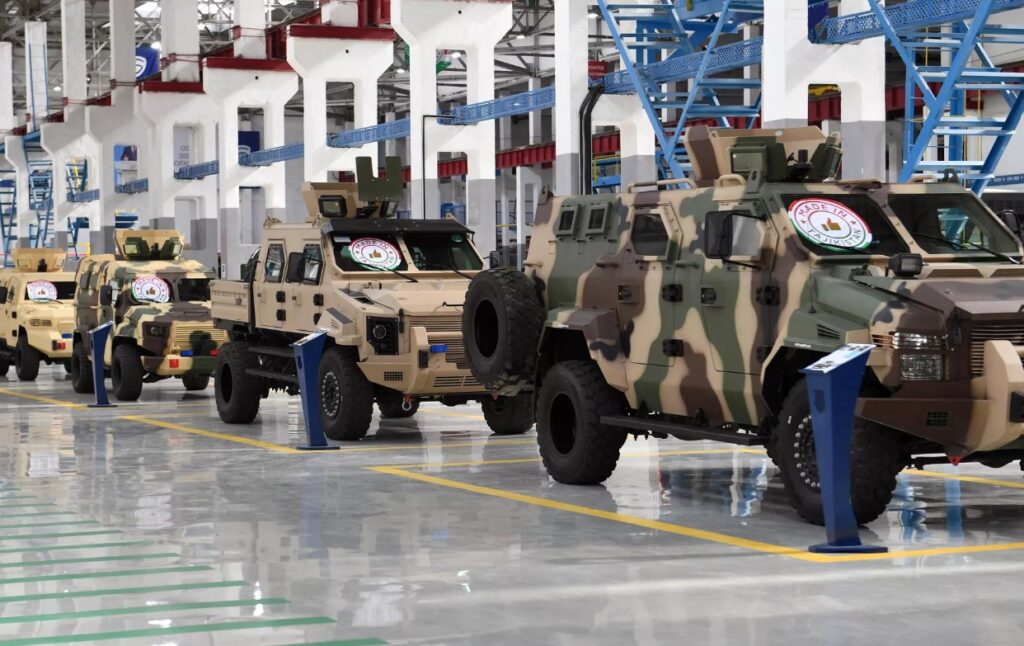
Tajikistan’s Sipar Group plans to significantly expand the production of armored vehicles and special equipment at its plant in the city of Tursunzade. The project is being implemented with a foreign investment of $15 million, allowing the company to produce 17 types of special vehicles. The plant is already actively developing its production capacity. The enterprise assembles military and civilian vehicles using components from the United Arab Emirates.

Tajikistan’s Minister of Industry and New Technologies, Sherali Kabir, said that armored vehicles in Tursunzade are manufactured using Canadian technologies; therefore, they are in no way inferior to their counterparts produced in other Central Asian countries. So far, the plant has produced a limited volume of vehicles, but given the demand, it plans to increase its production capacity significantly in the coming years.

The project will also create more than a hundred new jobs, which will make an important contribution to the region’s economic development. The plant’s products are aimed not only at the domestic market, but also with the possibility of exporting to other Central Asian countries in mind, which would allow Tajikistan to strengthen its position in the international arena in the defense industry.

UNICEF: Central Asia Must Work To Keep Children Out Of Alternative Care

About 60,000 children across the five Central Asian countries remain in alternative, care despite the known and devastating effects of family separation and child institutionalization, according to a new policy report released by UNICEF.

Regina De Dominicis, UNICEF Regional Director for Europe and Central Asia, highlighted the dire and lifelong consequences of institutionalization for children and stressed the need for more investment in family support services.

“We have seen progress in recent years in reducing the number of children in alternative care – including the closure of institutions. We must continue this work so that no child is ever placed in alternative care because of poverty, disability or challenging behavior, or because their family lacks access to services they need to care for their child at home,” she said.

The report states that 203 children per 100,000 in the region live in care institutions, nearly double the world average of 105 per 100,000. While progress has been made in reducing the overall number of children in institutions, the report notes that children with disabilities are disproportionately represented in these homes.

Between 2015 and 2021, the proportion of children with disabilities in residential institutions increased in all Central Asian countries except Kazakhstan, indicating persistent social norms and a lack of social services for these children.

UNICEF emphasizes the need to close institutions and support families to prevent unnecessary placement of children in residential care. The organization offers a comprehensive approach to ensure that all children, regardless of their circumstances, grow up in a family environment:

1. Implement effective childcare reforms to keep children with their families where possible, including planning to close large-scale institutions and develop a comprehensive continuum of child and family support and protection services.

2. Investment in a range of child and family support services, including statutory family support services and a strong social service workforce, for the early identification of and intervention in situations when children are at risk of separation.

3. Securing family-based alternative care, including stronger support for extended family members who care for children and strategies to keep siblings together where possible.

4. Protecting children who are already in alternative care against violence, neglect, and abuse through robust safeguarding policies and practices.

5. Investing in more and better data on children who are at risk of family separation, in alternative care, or who have left care.

6. Raising public awareness of the benefits of keeping families together and the urgent need to prioritize family-based care.

7. Ensuring that children have a voice in the decisions that affect them and are consulted when new policies and practices are developed to meet their needs and rights.

UNICEF works with governments and partners in Central Asia to keep and support families and community-based care. This also includes implementing deinstitutionalization policies, expanding family support services to prevent separation, а family reunification, and facilitating safe transitions to independent living.

Uzbekistan and Kazakhstan Explore Use of ID Cards at Border Crossings

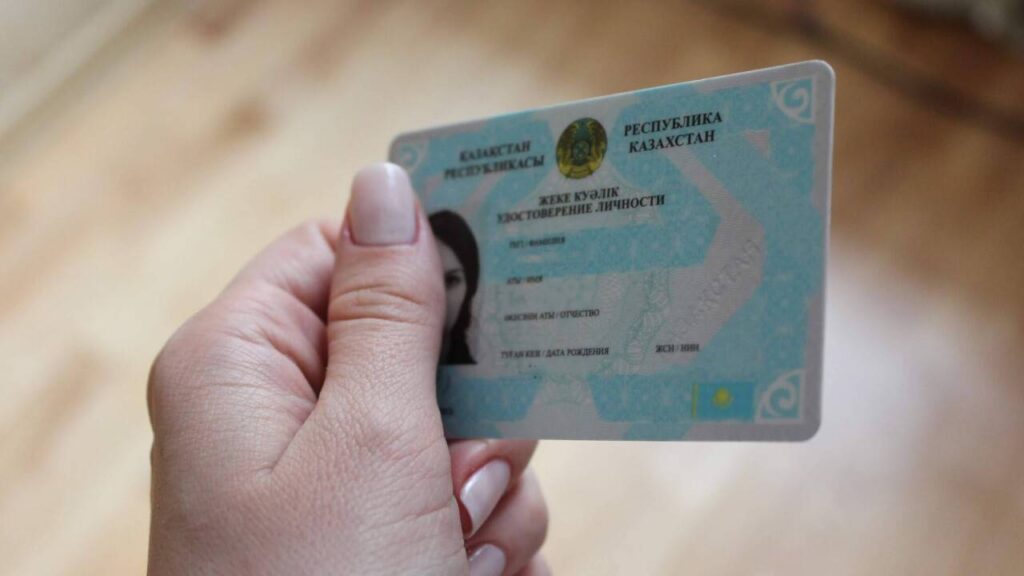
Abdulaziz Kamilov, the special representative of the President of Uzbekistan on foreign policy issues, has announced  that Uzbekistan and Kazakhstan are discussing a way for citizens of both countries to cross the state border using national ID cards.

According to Kamilov, Uzbekistan has completed the legal formalization of the border with Kazakhstan and demarcated the border with Turkmenistan, Tajikistan, and Kyrgyzstan.

Referencing the reactivation of dozens of border checkpoints which have significantly facilitated the movement of people across the region, he stressed, “Today, the borders between Uzbekistan and the countries of Central Asia can rightly be called a bridge of friendship and good neighborliness. This is also confirmed by the fact that starting from September 1, 2023, the procedure for crossing the Uzbekistan-Kyrgyzstan border with the presentation of an internal document — a citizenship certificate — has been introduced. The same project is being discussed with Kazakhstan.”

Komilov also noted President Shavkat Mirziyoyev’s proposal at Astana summit, of developing mass tourism in Central Asia based on the mutual recognition of national ID cards.

U.S. Companies Seek Export Opportunities in Uzbekistan

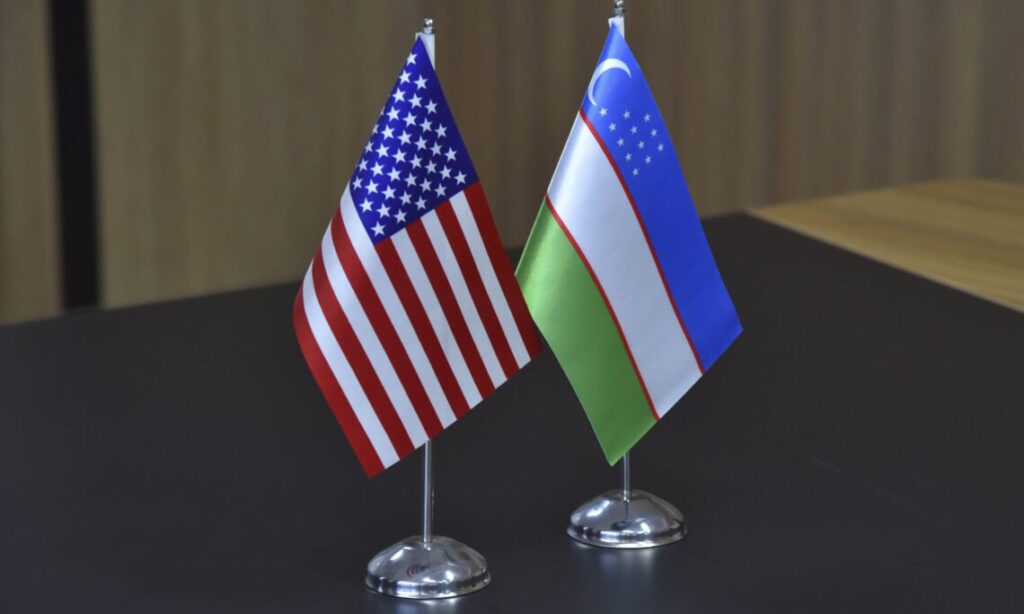
According to a recent report, the U.S. State Department is in regular receipt of applications from U.S. companies in search of opportunities to export their products to Uzbekistan’s markets.

“Our products likewise require review and certification for import into Uzbekistan, so expediting that process would help U.S. agricultural and livestock products reach Uzbek consumers. U.S. suppliers of technologies, industrial equipment, and manufactured goods are also actively bidding on public procurement opportunities and working with partners in Uzbekistan,” explained a spokesperson for the department.

The USA’s readiness to help Uzbekistan implement the announced reform program, including economic issues was noted. Referencing the  significant improvements in the investment climate created by recent economic reforms and the potential of further reforms to attract more investment and technical expertise to Uzbekistan, the department emphasized: “Generally speaking, we welcome and encourage multilateral efforts to support regional connectivity in Central Asia and the South Caucasus westward to Europe. Such efforts create a more secure, resilient, and prosperous region.”

The U.S. State Department also noted that through the regional trade activities of the U.S. Agency for International Development (USAID) in Central Asia, the US is helping to increase the competitiveness of trade, entrepreneurship, e-commerce, and the private sector.

As stated in the report,  “Through the Partnership for Global Infrastructure, the U.S. is currently evaluating potential areas for infrastructure investment where it could contribute project advisory technical assistance, project preparation, and financing to tangibly move forward strategic projects in the Trans-Caspian International Transport Route.”

Thai Company to Build Fish-Processing Plant in Kazakhstan

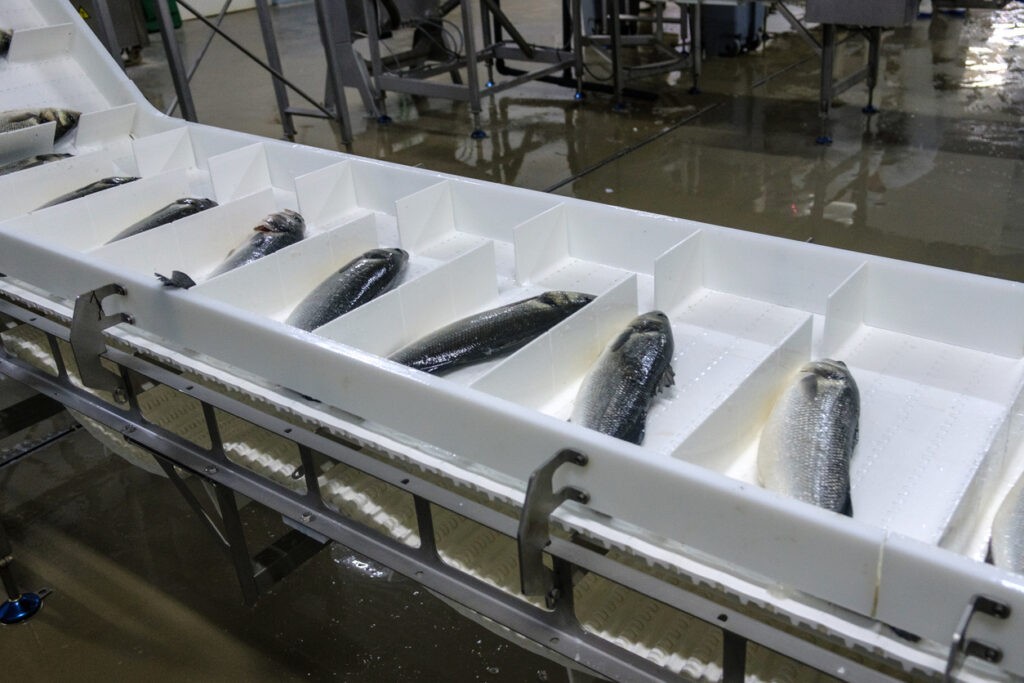
The Thai company Sea Value Plc. plans to build a plant in Kazakhstan to produce canned, processed fish, and frozen semi-finished products. The project was discussed during a meeting on August 14 in Astana between the Chairman of the Investment Committee of the Ministry of Foreign Affairs of Kazakhstan, Gabidulla Ospankulov, and the President of Sea Value, Dr. Poj Aramwattananont.

As reported by the company Kazakh Invest, Sea Value is currently searching for a plot of land to start the project.

Local fisheries are planned to supply fish for the new production, and the finished products will be exported to Thailand and other countries.

The Thai company plans to invest $6 million in the construction of the plant, which will produce 3-5 tons of fish products per day.

Sea Value is Thailand’s second-largest producer of canned tuna, exporting products to 150 countries.

In 2023, trade turnover between Kazakhstan and Thailand increased by almost 36%, reaching $367 million.

USAID Modernizes Kazakhstan’s Customs System

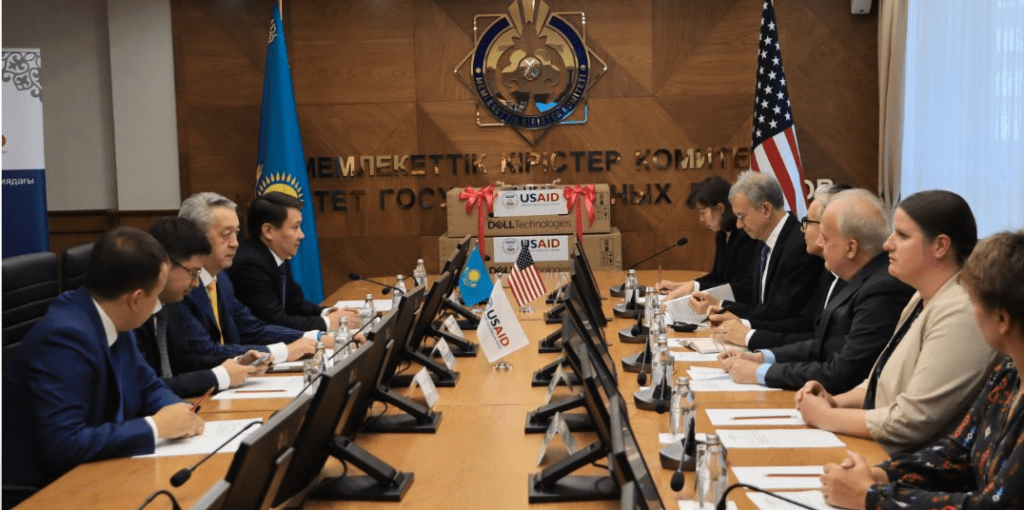
The U.S. Agency for International Development (USAID) has upgraded Kazakhstan’s customs infrastructure by providing advanced computer servers to Kazakhstan’s State Revenue Committee (SRC).

SRC Chairman Zhandos Duisembiyev accepted the state-of-the-art servers at a ceremony on August 14, which was attended by U.S. Ambassador to Kazakhstan Daniel Rosenblum.

The new servers will replace outdated equipment that has hampered performance.

Ambassador Rosenblum commented that adopting innovative technologies will streamline processes, enhance accuracy, improve transparency, and foster a business-friendly environment, attracting more investors and boosting economic growth.

USAID is supplying advanced servers made by Dell Inc. to support the SRC’s new customs Keden IT system, which replaces the outdated Astana-1 system. By leveraging automation, machine learning, and artificial intelligence, the new Keden system will reduce clearance times and enhance data security.

Rosenblum also emphasized the shared vision between the United States and Kazakhstan for a transparent and secure trade environment as Kazakhstan secures its position as a leading regional trade hub.