• KGS/USD = 0.01144 0%
  • KZT/USD = 0.00212 0%
  • TJS/USD = 0.10456 0.19%
  • UZS/USD = 0.00008 0%
  • TMT/USD = 0.28490 0%
  • KGS/USD = 0.01144 0%
  • KZT/USD = 0.00212 0%
  • TJS/USD = 0.10456 0.19%
  • UZS/USD = 0.00008 0%
  • TMT/USD = 0.28490 0%
  • KGS/USD = 0.01144 0%
  • KZT/USD = 0.00212 0%
  • TJS/USD = 0.10456 0.19%
  • UZS/USD = 0.00008 0%
  • TMT/USD = 0.28490 0%
  • KGS/USD = 0.01144 0%
  • KZT/USD = 0.00212 0%
  • TJS/USD = 0.10456 0.19%
  • UZS/USD = 0.00008 0%
  • TMT/USD = 0.28490 0%
  • KGS/USD = 0.01144 0%
  • KZT/USD = 0.00212 0%
  • TJS/USD = 0.10456 0.19%
  • UZS/USD = 0.00008 0%
  • TMT/USD = 0.28490 0%
  • KGS/USD = 0.01144 0%
  • KZT/USD = 0.00212 0%
  • TJS/USD = 0.10456 0.19%
  • UZS/USD = 0.00008 0%
  • TMT/USD = 0.28490 0%
  • KGS/USD = 0.01144 0%
  • KZT/USD = 0.00212 0%
  • TJS/USD = 0.10456 0.19%
  • UZS/USD = 0.00008 0%
  • TMT/USD = 0.28490 0%
  • KGS/USD = 0.01144 0%
  • KZT/USD = 0.00212 0%
  • TJS/USD = 0.10456 0.19%
  • UZS/USD = 0.00008 0%
  • TMT/USD = 0.28490 0%

Mixed Picture: Perceptions of China in Central Asia

China’s growing presence in Central Asia is seen as an economic opportunity by many in the region, but is also viewed with concern by others who fear so-called debt traps and land grabs. A new report on those perceptions of China stresses that there is no overarching Central Asian viewpoint and points to nuance in attitudes among the different countries.

The study by the Central Asia Barometer, a polling group that has said it will suspend operations on December 1 because of insecurity and other obstacles to carrying out its work, is significant because a lot of news about China and Central Asia focuses on official pronouncements by governments and business groups. Assessing public opinion can be more of a challenge in countries with a top-down tradition of leadership.

“Favorability towards China varies widely across countries, with younger generations in Kazakhstan and Kyrgyzstan generally viewing China’s involvement more positively, particularly in areas like technology and investment,” the Central Asia Barometer said. “Older generations in these countries tend to be more skeptical, though. In Turkmenistan, the older population is more optimistic about China’s role, especially with regard to Chinese workers and investment.”

The non-governmental group also noted “a decline or even negative favorability” in perceptions of China among people in Uzbekistan.

The study, titled “Beyond the Silk Road” and released on Friday, is based on multiple surveys of opinions of China between 2017 and 2023 in four Central Asian states -Kazakhstan,  Kyrgyzstan, Turkmenistan, and  Uzbekistan. There was no data from Tajikistan. Perceptions of China depended on demographic factors such as ethnicity, age and gender, as well as the impact of specific Chinese infrastructure projects, and sources of information. Content on social media, for example, tended to improve attitudes toward Chinese business ventures.

As of 2024, China has surpassed Russia as the top trading partner for most countries in Central Asia and is a major source of foreign investment and loans, a potential windfall that is tempered by concern about a lack of transparency in Chinese business practices. A Caspian Policy Institute analysis that was published in August explored negative perceptions of China.

In July, Chinese leader Xi Jinping, architect of the Belt and Road economic initiative, traveled to Kazakhstan for a meeting of the Shanghai Cooperation Organization, a security group whose founding members include several Central Asian countries. There, Xi celebrated Chinese collaboration with President Vladimir Putin of Russia, the region’s other traditional power. Then he visited Tajikistan, a security partner that borders China and Afghanistan.

The Central Asia Barometer said its data indicated a decline among some Central Asian populations in favorable views of Russia, coinciding with a change in feelings about China.

“In 2022, after the Russian invasion of Ukraine, an upward shift in favorability toward China in Kazakhstan was observed while at the same time a pronounced drop in Russia’s favorability was noted,” it noted.

Even so, China is not expected to supplant Russia’s longstanding influence in Central Asia. A commentary published by the Royal United Services Institute in early 2023 said that Russia, despite a reduction in power, remained “a key security and economic actor and has powerful tools at its disposal that can affect the policies of countries in the region.”

Tajikistan and Kuwait Sign Nine Cooperation Agreements

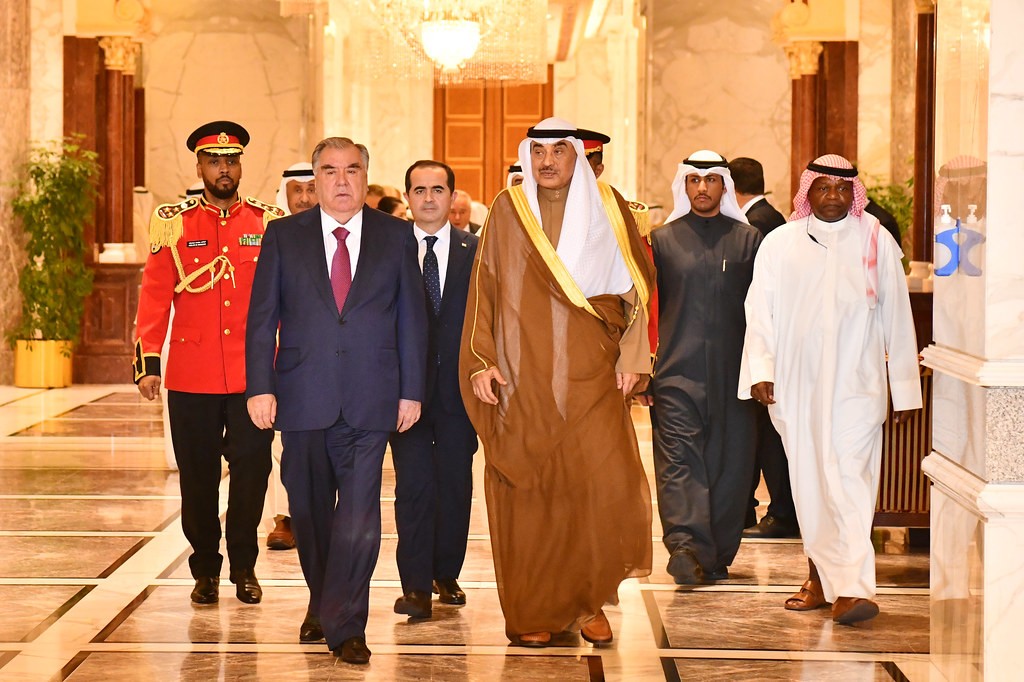
Tajik President Emomali Rahmon began his official visit to Kuwait on November 3. He met with the country’s leaders and finalized agreements to strengthen bilateral cooperation. Following discussions, Tajikistan and Kuwait signed nine key documents to enhance their collaboration, the President’s press service reports.

In the presence of Rahmon and Crown Prince Sheikh Sabah al-Khalid Al-Hamad Al-Mubarak Al-Sabah, both sides signed:
• A Memorandum of Cooperation between the Foreign Ministries of Tajikistan and Kuwait’s Diplomatic Academy;
• A protocol to amend the double taxation agreement between the two countries;
• A memorandum on labor regulation in the private sector;
• Agreements on trade and industrial cooperation;
• A cooperation agreement between Tajikistan’s National Information Agency “Khovar” and Kuwait’s State Information Agency “KUNA”;
• Memorandums covering sports, standardization, and physical culture;
• An executive tourism program for 2024-2026.

Rahmon is quoted as saying: “We are ready to take practical steps to strengthen our relations further.” The discussions emphasized the importance of increasing the intergovernmental joint commission’s activities and establishing an Entrepreneur Council and a Joint Investment Fund between the two nations.

Rahmon also thanked Sheikh Mishaal Al-Ahmad Al-Jabir Al-Sabah for the Kuwait Development Fund’s support of critical projects in Tajikistan, particularly in road construction, energy, and irrigation.

Additionally, both leaders discussed expanding Kuwaiti investment into Tajikistan’s light, food, metallurgy, pharmaceutical, and agriculture industries. The Emir of Kuwait recognized Rahmon’s initiatives in empowering women and shared Kuwait’s similar efforts, highlighting recent appointments of women to senior government roles.

The signed memorandum on private-sector labor regulation was celebrated as a step toward cooperation, further solidifying the growing partnership between Tajikistan and Kuwait.

New Visa for Modern Nomads Introduced in Kazakhstan

Kazakhstan has introduced a new “Neo Nomad” visa for modern nomads and working tourists who combine work and travel. The new visa regime was developed using the experience of more than 50 countries that have introduced similar programs after the pandemic.

To obtain a Neo-Nomad visa, foreign citizens must prove a stable income of at least $3,000 per month, provide health insurance, and provide a certificate showing that they have no criminal record. The visa is designed for representatives of various industries, including IT, marketing, finance, consulting, design, and e-commerce.

The visa holder can stay in Kazakhstan for up to one year while continuing to work for a foreign company. This will allow foreign citizens to immerse themselves in the local culture, and Kazakhstan to generate additional revenue — which, according to estimates, could amount to about $8 million a year if visas are issued to 500 individuals. Foreigners who take advantage of Neo Nomad will reside and spend the funds in Kazakhstan. The program also does not affect Kazakhstan’s labor market, as foreign citizens do not take local jobs.

Tourism and Sports Minister Yerbol Myrzabasynov said the joint efforts of several ministries have made Kazakhstan attractive to digital nomads, whose number globally has reached 35 million. Almaty and Astana are already on the list of the 150 best cities for this type of tourist.

Many countries have already introduced visas for digital nomads, attracting remote workers and stimulating the economy. For example, Spain offers the Digital Nomad Visa, which allows you to live and work remotely for up to 12 months with the possibility of an extension. Portugal has a D7 Visa program targeting passive income earners, including remote workers. These visas contribute to the development of the local economy, increase consumption, and attract skilled professionals.

Kyrgyzstan Prepares for First Placement of European and American Bonds

According to Bloomberg, the Ministry of Finance of Kyrgyzstan is working on the first placement of European and American bonds in the country’s history.

Arzubek Jumaev, head of the Kyrgyz Finance Ministry’s Public Debt Department, confirmed to the publication that the agency is currently negotiating with investors for a possible first sale of euro and U.S. bonds as early as 2025.

“The size of the issue and investment banks will be determined later,” Zhumayev said.

It is also reported that the Finance Ministry expects an improvement in its credit rating from Moody’s to attract investors. Kyrgyzstan’s credit rating is at B3, six indicators below the required investment grade.

Earlier, Moody’s rating agency changed Kyrgyzstan’s credit rating from negative to stable, which, according to the Kyrgyz Ministry of Economy and Commerce, indicates the country’s balance of risks and positive dynamics in its financial and economic issues.
In addition, in September this year, the authorities signed an agreement with other Western rating agencies, Standard and Poor’s and Fitch, to collaborate on assessing credit risks and improving Kyrgyzstan’s investment attractiveness.

It should be noted that the Ministry of Finance of Kyrgyzstan places government securities guaranteed by the state. These are state treasury bills and state treasury bonds. The securities issues are placed monthly on the Kyrgyz Stock Exchange. In 2024, Kyrgyzstan’s domestic debt increased by $232 million, which indicates good demand for government securities. Loans on government securities currently amount to $1.8 billion.

Uzbekistan Ratifies Agreement to Establish CIS Russian Language Organization

Uzbekistan has ratified an agreement to establish an international organization in Russia under the auspices of the CIS.

The agreement was signed at the CIS Heads of State summit in Bishkek on October 13, 2023.

The organization’s goals and objectives include supporting high-quality Russian education, facilitating the training of teaching and research staff in “Russian Language and Literature” and “Russian as a Foreign Language,” and creating a personnel reserve of specialists in this field.

In addition, the organization will strengthen comprehensive, mutually beneficial cooperation between the CIS countries in supporting and promoting the Russian language as a language of interstate communication. Its activities will rely on friendship, good neighborliness, interethnic harmony, trust, and mutual understanding.

In Kazakhstan and Kyrgyzstan, Russian is the second official language. In Tajikistan, it is called the “language of interethnic communication.” However, it does not have an official status in Uzbekistan and Turkmenistan. More than 90% of Kazakhstanis know Russian to some degree, while 20% of the population considers it their native language. Meanwhile, those figures for Turkmenistan are 40% and 12% respectively. In Kyrgyzstan, about 44% know Russian and 5% consider it their native language; in Uzbekistan, it is about 50% and 2.7%; and in Tajikistan, 55% and 0.3%.

Kazakhstan Considering Car Exports to Afghanistan

In October this year, during the Kazakh-Afghan forum, Kazakhstan’s Deputy Prime Minister Serik Zhumangarin reported on Kabul’s request to set up deliveries of cars manufactured in Kostanai and Almaty to Afghanistan. According to the Deputy Prime Minister’s assessment, the first Kazakhstani cars may appear on the Afghan market as early as next year; automobile industry experts agree with him but note that the realism of this term will become apparent after at least several months of research.

“I understand that Afghanistan already has money; its middle class is developing, so they asked to organize meetings with our car industry businesses to create car centers to sell old and new Kazakhstani cars. I have already contacted several people about this issue, and we are working on it now. I think it is realistic to start selling the first cars next year,” Zhumangarin said. At the same time, he emphasized that the most crucial issue in establishing such a project has already been resolved. In October, Kazakhstan’s Zaman Bank opened a corresponding account at one of the largest banks in Afghanistan, Ghazanafar Bank.

This means that Kazakhstani businesses can receive direct payments from Afghan buyers without the participation of financial institutions of Kyrgyzstan, Uzbekistan, and Gulf countries, which charge additional fees for intermediation. Thus, the issue of financial logistics – how the money for sold cars from Afghanistan will arrive in Kazakhstan – has been fundamentally solved, according to Artur Miskaryan, general director of the Agency for Monitoring and Analysis of the Automobile Market of Kazakhstan (AMAAR), and there are no problems with direct logistics – cars manufactured in Kostanai and Almaty can be transported to this country by rail. Kazakh grain companies have already established this route.

In addition, this summer, at the first transport trade and export forum held in Aktau, representatives of Kazakhstan, Turkmenistan, and Afghanistan discussed the possibility of building a new railway line Turgundi – Herat – Kandahar – Spin-Buldak, which will run from the western border of Turkmenistan through Afghanistan to Pakistan and further to India. Kazakhstan is offered to join the construction of this logistic path, including withdrawing its vehicles to Afghanistan and the countries bordering it. So, logistic paths to Kabul, existing and potential, are acceptable for Kazakhstan’s automobile industry.

“From a purely technical point of view, companies of the Kazakhstani automobile industry are ready to supply equipment to all neighboring and nearby countries,” explained Miskaryan. “The issue of supplying products to one or another country largely depends on the terms of economic agreements of the Republic of Kazakhstan with other countries, as well as the policy of the head offices of brands whose models are assembled at our car plants: in the case of Russia, for example, Western head brands adhere to the sanctions restrictions on supplies. There is also the problem of customs and tariff policy of neighboring [sic] countries: in particular, Russia and Uzbekistan have recently directed their efforts to increase support for local producers.”

Since Afghanistan has no automotive industry, protectionism from Afghan authorities in favor of local manufacturers isn’t an issue. However, approval from foreign brand owners whose models are mass-produced in Kazakhstan (such as Chevrolet, Hyundai, Kia, JAC, and Jetour) will still be required to export these cars to Afghanistan. Additionally, export incentives and transaction security mechanisms are crucial for export markets like Afghanistan. Large entities, like the Export Credit Agency of Kazakhstan (Kazakhexport), could help safeguard auto exporters against the risk of non-compliance by foreign buyers.

Finally, before entering the market of Afghanistan and any other country, Kazakhstan’s automobile plants need to know how many buyers will be able to buy Kazakh cars there. Here, there are two ways: either to take risks and send to the new market small trial batches, gradually increasing their volumes in the event of operative sale of goods, or to conduct large-scale marketing research of this market to represent its total capacity initially clearly. As explained by the marketing company ICT-Marketing, on average, such research lasts six weeks. Still, considering the specificity of the Afghan market (its closedness for many decades), the research on Kazakhstan’s automobile industry can take several months.

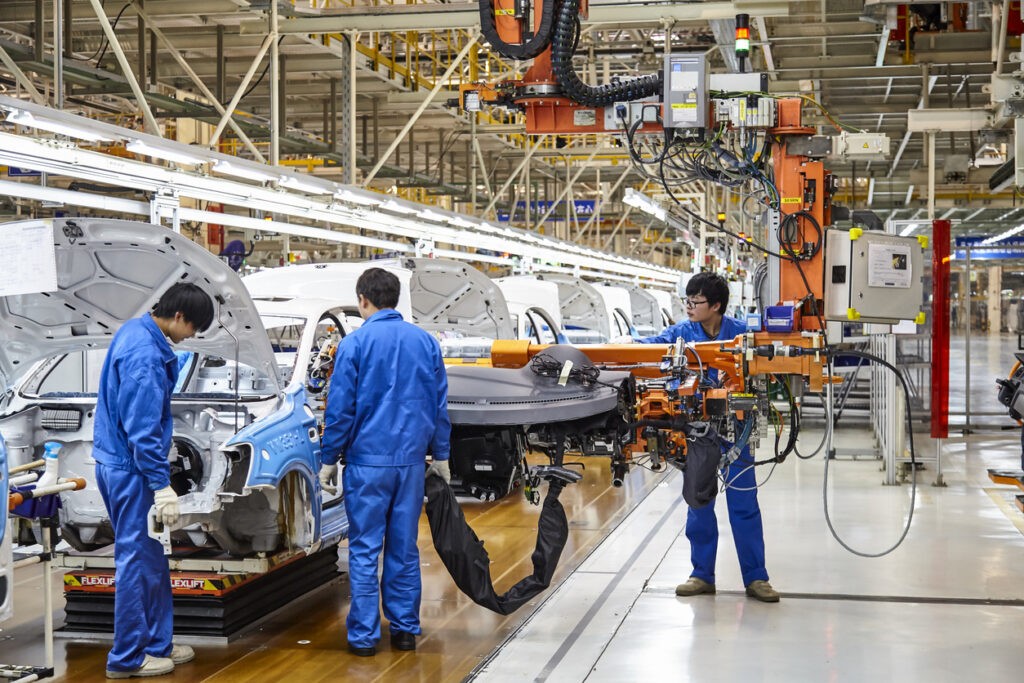
If all these conditions are met as quickly as possible, the term of the first deliveries announced by Zhumangarin (2025) is quite realistic. Moreover, according to the Agency for Monitoring and Analysis of the Automobile Market of Kazakhstan, in recent years, the volume of exports of Kazakh cars has been constantly decreasing (2021 – 12.1 thousand, 2022 – 10 thousand, 2023 – 9.3 thousand) against the background of constant growth of domestic production (from 92 thousand in 2021 to almost 149 thousand in 2023). And new markets for Kazakhstani automakers, which now export their products mainly to Russia, Belarus, and Kyrgyzstan, are vital. The only question is to what extent the Afghan market will be interesting for the Kazakhstani automobile industry from the point of view of a sufficient number of solvent buyers.