• KGS/USD = 0.01144 0%
  • KZT/USD = 0.00209 0%
  • TJS/USD = 0.10523 0%
  • UZS/USD = 0.00008 0%
  • TMT/USD = 0.28530 -0.14%
  • KGS/USD = 0.01144 0%
  • KZT/USD = 0.00209 0%
  • TJS/USD = 0.10523 0%
  • UZS/USD = 0.00008 0%
  • TMT/USD = 0.28530 -0.14%
  • KGS/USD = 0.01144 0%
  • KZT/USD = 0.00209 0%
  • TJS/USD = 0.10523 0%
  • UZS/USD = 0.00008 0%
  • TMT/USD = 0.28530 -0.14%
  • KGS/USD = 0.01144 0%
  • KZT/USD = 0.00209 0%
  • TJS/USD = 0.10523 0%
  • UZS/USD = 0.00008 0%
  • TMT/USD = 0.28530 -0.14%
  • KGS/USD = 0.01144 0%
  • KZT/USD = 0.00209 0%
  • TJS/USD = 0.10523 0%
  • UZS/USD = 0.00008 0%
  • TMT/USD = 0.28530 -0.14%
  • KGS/USD = 0.01144 0%
  • KZT/USD = 0.00209 0%
  • TJS/USD = 0.10523 0%
  • UZS/USD = 0.00008 0%
  • TMT/USD = 0.28530 -0.14%
  • KGS/USD = 0.01144 0%
  • KZT/USD = 0.00209 0%
  • TJS/USD = 0.10523 0%
  • UZS/USD = 0.00008 0%
  • TMT/USD = 0.28530 -0.14%
  • KGS/USD = 0.01144 0%
  • KZT/USD = 0.00209 0%
  • TJS/USD = 0.10523 0%
  • UZS/USD = 0.00008 0%
  • TMT/USD = 0.28530 -0.14%

Empowering Kazakhstan’s Future: Navigating Diplomatic, Energy, and Geopolitical Challenges in the Nuclear Power Referendum

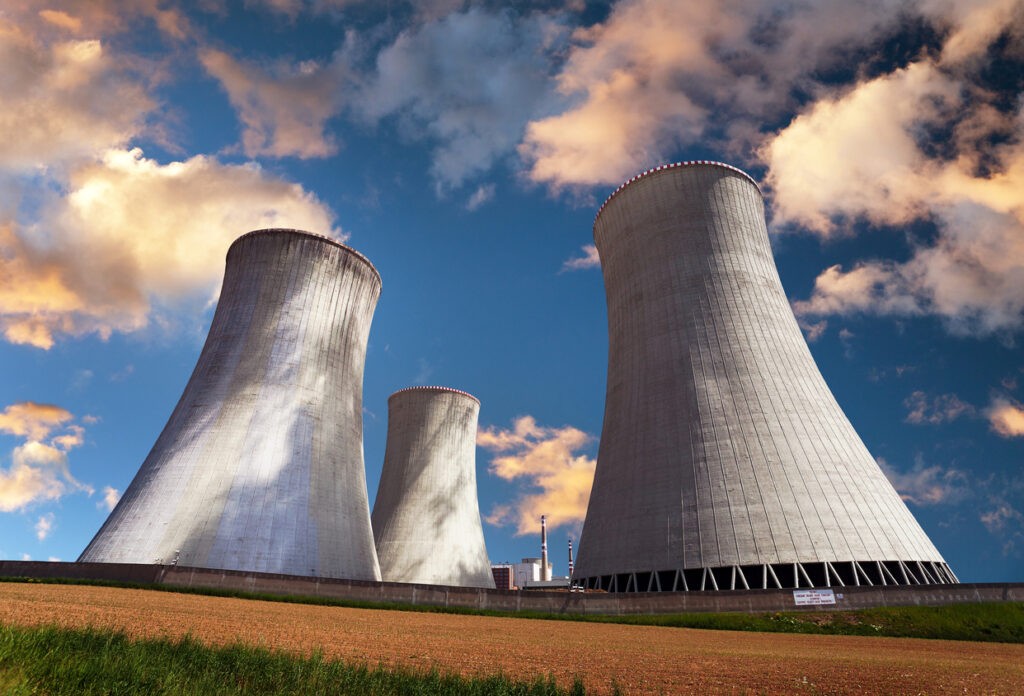
Never short of diplomatic acumen, on September 2, President Kassym-Jomart Tokayev signed a decree on holding a referendum on the construction of a nuclear power plant (NPP) in Kazakhstan. Tokayev’s goal is to ensure that arguments for nuclear energy are compelling and to involve citizens, scientists, and government officials in the decision-making process. However, it’s crucial that the public are fully informed about these plans as Kazakhstan finalizes the first stage of its new nuclear development.

With demand for electricity soaring, it can be argued that the case for the NPP is compelling. Officials forecast that electricity deficits are set to worsen, leading to a reliance on imports, such as was the case in the 1990s. In the first three months of 2024 alone, tariffs rose by 26%.

Electricity in Kazakhstan is currently generated by 222 power plants under various forms of ownership, with 84% coming from fossil fuels, hydropower accounting for 12%, and less than 2% coming from solar and wind installations as of 2019. Renewables had expanded to 5.92% by 2023, but the deficit continues to grow.


Old-Timers and Newcomers

On October 6 of this year, the Kazakhstani people will give the final answer in a referendum on whether nuclear power will become a component of their everyday lives or whether nuclear-phobia, connecting both the memory of atomic testing at Semipalatinsk and persistent distrust in the ability of officials to build something grandiose without embezzlement, will prevail. The example of the LRT (the project for elevated light-rail transportation in Astana, which was to be implemented back in 2013) stands as a stark monument to corruption which has even penetrated the cultural code of today’s youth.

One of the first episodes of a then-popular show hosted by politician and businessman, Bulat Abilov, was devoted to nuclear energy and the need to build nuclear power plants. Abilov’s inspiration for this topic was Mukhtar Dzhakishev.

The former Head of Kazatomprom and Deputy Minister of Energy and Mineral Resources, on November 10, 2009, Dzhakishev was charged with the theft of Kazatomprom property and the receipt of bribes, and was sentenced to fourteen years imprisonment. Subsequently found guilty on separate charges related to embezzlement, fraud, involvement in organized crime and the abuse of power, he was sentenced to a further ten years to run concurrent to his prior sentence. Dzhakishev was released in March 2020, but this episode has led neither man to change their position – nuclear power plants are the best thing for Kazakhstan in light of coming energy shortfalls.

Agitators for the NPP, who also include the General Director of Kazakhstan Nuclear Power Plants JSC, Timur Zhantikin, and specialists from the Institute of Nuclear Physics of the Ministry of Energy, have, however, encountered vociferous opposition. Some still oppose the NPP, such as ecologist Mels Yeleusizov. The arguments among those resistant to construction of the NPP have long remained unchanged, with seismic hazards, radiophobia, and corruption at the forefront. The pressure on emotions has also remained unwavering, with slogans such as, “You care more about the NPP than [Lake] Balkhash,” implying that the plant will “suck the unique lake dry.”

Organizations such as the Save Lake Balkhash International Research Project have long- been campaigning for the designation of a “special status which legally protects [the] lake’s ecosystem and people inhabiting [the] lake area.” It is highly likely that the NPP would use water from the lake as a coolant. However, earlier this month, the Ministry of Water Resources and Irrigation announced that Kazakhstan and China are drafting an agreement on dividing trans-boundary river waters between the two countries. Upstream China has extensively diverted water from Balkhash’s main tributary, the River Ili, over the past half century to produce hydroelectric power and agricultural crops on irrigated land. According to research, as of 2021, China was blocking 40% of the river’s inflow to Lake Balkhash.


The Contenders

Timur Zhantikin noted at the government meeting which resulted in the draft resolution that formed the basis of Tokayev’s decree on the referendum, that a shortlist of potential suppliers for the NPP has been adopted. The list comprises four companies: China National Nuclear Corporation (CNNC) with the HPR-1000 reactor; Korea Hydro & Nuclear Power (KHNP) with the APR-1400 reactor; Rosatom with the VVER-1200 and VVER-1000 reactors; and France’s Électricité de France (EDF) with the EPR-1200 reactor. As previously reported by TCA, given the fraught state of international affairs, this decision itself represents a geopolitical tightrope act.

The China National Nuclear Corporation is subordinate to the State Council of China. The corporation is engaged in research and development, nuclear weapons development, research into uranium deposits, uranium mining and enrichment, nuclear fuel production, nuclear power generation, design and construction of NPPs in China and abroad, development of power equipment for nuclear reactors, and nuclear waste treatment and utilization. CNNC includes more than 110 enterprises with approximately 100,000 employees. It operates 15 power units at nuclear power plants.

Korea Hydro & Nuclear Power is a subsidiary of Korea Electric Power Corporation (KEPCO). It operates large nuclear and hydroelectric power plants in South Korea, which account for around 30% of the country’s electricity. KHNP operates 26 nuclear power plant units at home and abroad, and employs 12,551 people.

The State Atomic Energy Corporation Rosatom is Russia’s largest generating company, providing over 223.371 billion kWh of electricity (about 20% of the country’s total generation). Rosatom ranks first in the world in terms of its foreign construction project portfolio (39 power units in ten countries), second in terms of its uranium reserves, and fifth in terms of uranium production. The State Corporation provides 17% of all nuclear fuel on the market, and has 310,916 employees.

Finally, the state-owned Électricité de France (EDF) is France’s largest power generating company and the world’s largest operator of nuclear power plants. EDF operates 56 nuclear power plant units with a total capacity of 61,370 MW, supplying approximately 43% of France’s electricity consumption. The company has 171,862 employees, generates electricity at nuclear, hydroelectric, thermal, wind, and solar power plants, transmits and distributes electricity to end consumers, and produces equipment and fuel elements.


Water-to-Water Reactors

Why were these companies chosen? They all offer different models of the water-to-water reactor, which specialists in Kazakhstan are very familiar with. Since 1957, the Institute of Nuclear Physics has been operating in the village of Alatau, 20 kilometers from Almaty. This is the only research organization in Kazakhstan on the peaceful use of atomic energy, and conducts a full cycle of fundamental and applied research. Specialists at the Institute test materials for new-generation nuclear reactors and thermonuclear reactors, and also use nuclear technologies in the fields of medicine, industry, and scientific research.

Since the launch of the water-to-water reactor in Alatau in 1967, in its 57 years of operation not a single incident has occurred, and it has become one of the main training grounds for the future NPP.


 Emotions vs Facts

Kazakhstan’s nuclear project faces significant challenges, with political scientist Daniyar Ashimbayev highlighting the importance of presenting a clear construction and operation plan for the proposed NPP. The choice of suppliers is critical due to geopolitical tensions which will influence public perception. The once obvious choice of Rosatom could potentially fuel anti-Russian sentiment linked to the Ukraine conflict, likely leaving a partnership between French and Korean firms or Russian and Chinese firms, with each scenario having drawbacks.

Ultimately, while many informed observers support the nuclear project, they feel the debate has veered towards political agendas rather than technical expertise. Proponents of nuclear power have also struggled to counter emotional opposition with facts. While recent polling has shown that the majority of those who intend to vote will cast their ballots in favor of the NPP, the fact that only 42.6% of respondents expressed a firm intention to participate in the referendum also points to a lack of public engagement.
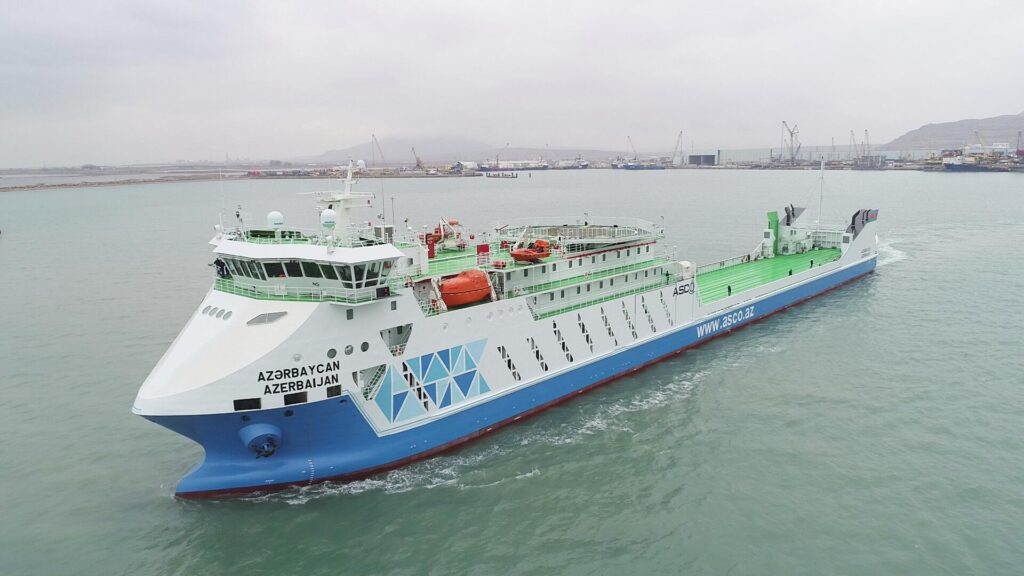

Azerbaijan and Uzbekistan Collaborate to Construct Ferries

Azerbaijan and Uzbekistan plan to cooperate on the construction of ferries. These ferries will be provided for Uzbekistan’s needs, and the project will cost $150 million.

Several measures are being suggested to expand the countries’ cooperation in the transport and transit sectors. The joint construction of warehouse infrastructure is being mooted, as well as the creation of a joint venture to further develop transportation along the Trans-Caspian route.

The Times of Central Asia previously wrote about the Uzbekistan-Azerbaijan business forum that was held in Tashkent on August 22. As a result of the forum, a portfolio of projects worth $2 billion was formed in energy, chemistry, mining, textile, agriculture, urban development, and other areas.

Also, on May 1 this year, the energy ministers of Azerbaijan, Kazakhstan, and Uzbekistan met in Tashkent and signed a memorandum of cooperation to connect their countries’ energy networks.

The initiative’s main goal is to study the means of connecting energy systems through a high-voltage cable installed in the Caspian Sea to export green energy from Azerbaijan, Kazakhstan, and Uzbekistan to countries of the European Union.

New Satellite Internet May Appear in Kazakhstan

Kazakhstan plans to agree with Amazon to use “Project Kuiper” satellite internet, a competitor to Elon Musk’s well-known Starlink.

Minister of Digital Development, Innovation, and Aerospace Industry Zhaslan Madiev said the agreement will be signed during the Asia-Pacific Conference on Digital Transformation, which will be organized by UNESCAP in Astana.

Madiev emphasized that competition between satellite providers will improve the quality of internet services for citizens at an affordable price.

Amazon began deploying the Project Kuiper network by launching the first two prototype satellites last year. More than 3,200 satellites are planned to be deployed in the future, but a full-fledged launch has been delayed until the end of 2024.

Kazakh Prime Minister Olzhas Bektenov, who participated in the conference, also said that the 5G network will cover all regional centers of Kazakhstan by the end of 2025.

A Starlink pilot project was also launched in Kazakhstan; under this project, Starlink internet will be available to 2,000 remote rural schools.

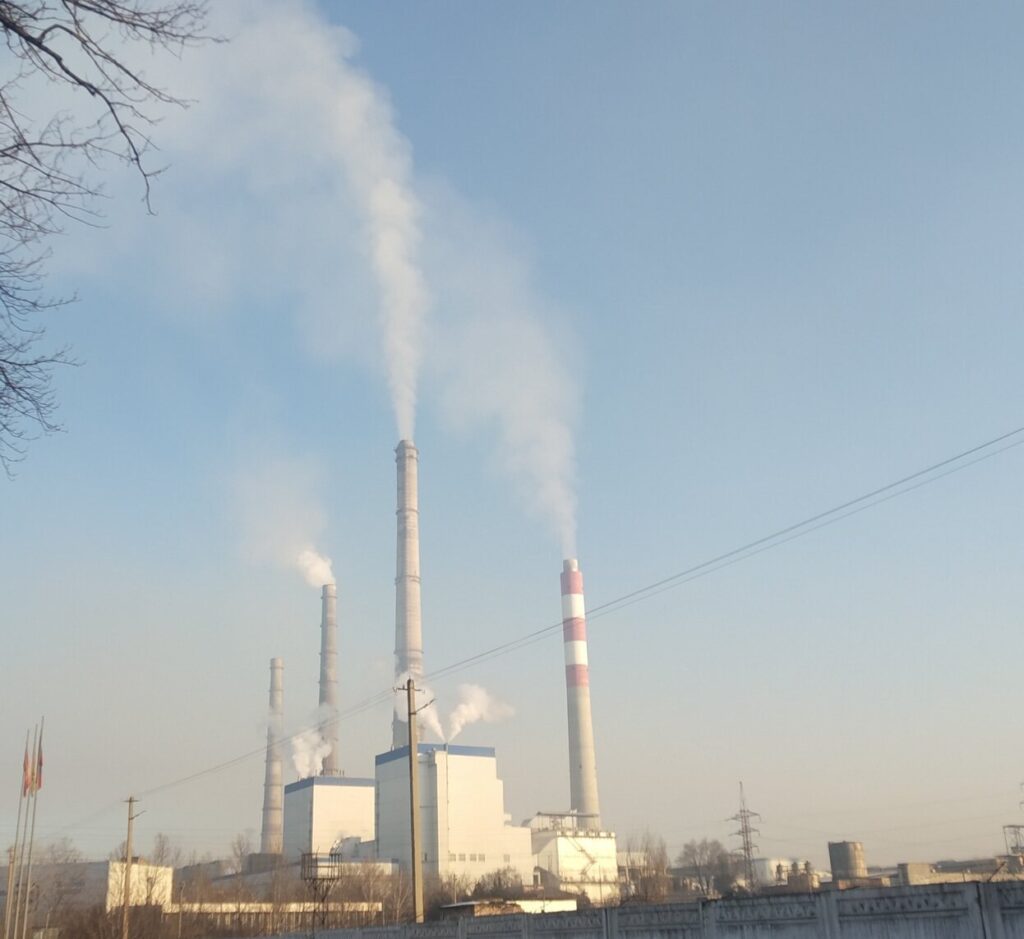
Chinese Modernizing Two Power Units at Bishkek Heating Plant

Since July, some 350 specialists from China’s Tebian Electric Apparatus Stock Co. Ltd. (TBEA) have been carrying out a full overhaul of two power generating units at the Bishkek Thermal Power Plant (TPP), Taalaibek Baigaziyev, Deputy Mayor of Bishkek for Energy Issues, told Birinchi Radio.

The Bishkek TPP generates 13% of all electricity produced in Kyrgyzstan (with the rest generated by hydropower plants) and provides heat and hot water to almost two-thirds of the capital.

TBEA built the two power units that are currently under repair as part of the Bishkek TPP modernization that commenced in 2014. Following a loan agreement between China’s Export-Import Bank and the Kyrgyz government in 2013, TBEA was granted the contract and modernized the plant for $386 million.

According to Baigaziyev, these two Chinese power units were commissioned in 2017 and were not repaired until this July. In past winters, they worked with a maximum load of 210 megawatts. This winter, their capacity is planned to increase to 300 megawatts.

The Bishkek TPP has seen two significant accidents in recent years. One accident occurred in January 2018, when the plant’s breakdown left the city without heating for three days amid freezing air temperatures.

The most recent accident happened on February 2 of this year, in the old part of the power plant that the Chinese did not modernize. An explosion at the plant seriously injured three people. It caused the plant’s breakdown, forcing authorities to declare hot water and heating restrictions in some parts of the city as the plant’s staff worked to repair the damage.

Following the accident, Kyrgyzstan’s president Sadyr Japarov ordered the complete modernization of the aging thermal power plant.

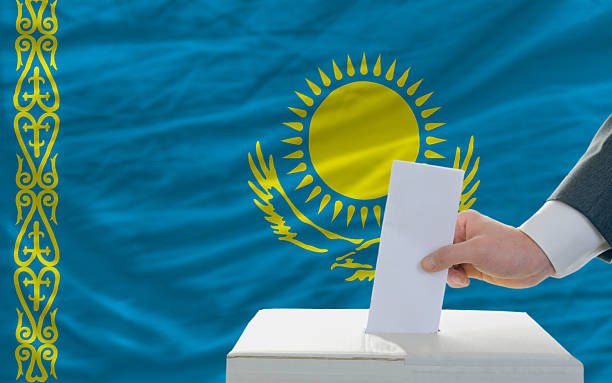
Nuclear Plant Referendum in Kazakhstan Will Cost $33 Million

Kazakhstan’s Central Election Commission (CEC) has announced that 15.5 billion tenge ($33 million) will be allocated to hold a referendum on constructing a nuclear power plant.

CEC member Sabila Mustafina said the amount includes organizational costs and holding the referendum at 78 foreign polling stations in 63 countries. The main part of the funds — 71% — will be spent on labor remuneration for more than 77,000 election commission members. The referendum will be held on October 6.

Kazakhstan’s president Kassym-Jomart Tokayev signed a decree on holding the referendum on September 2, 2024. In his address, Tokayev emphasized that constructing nuclear power plants is a strategically important issue for the country. Tokayev noted the need to use reliable and environmentally friendly energy sources in the context of the global energy deficit. He emphasized that today, about 200 nuclear power plants operate in 30 developed and developing countries. Tokayev noted that it is vital for Kazakhstan to consider long-term national interests, environmental safety, and the population’s needs, as well as the need to make thoughtful decisions on constructing nuclear power plants.

The president also emphasized the importance of public support in making important decisions for the country. He said that the population should have a say in every step related to major infrastructure projects, such as the construction of nuclear plants.

Discussions on constructing a nuclear power plant in Kazakhstan have been ongoing for many years. The need for it first emerged after the closure of the Soviet reactor in Aktau in 1999.

Empowering Central Asia: A Unified Approach to Poverty Alleviation

Many developing nations have prioritised the eradication of poverty. They employing various strategies, such as pursuing higher economic growth and more equitable income distribution. These efforts have yielded mixed results, underscoring the importance of caution and awareness of the challenges involved.

East Asian countries have made significant strides in eliminating poverty. China has made significant progress, and India has seen more moderate headway. Latin American nations have faced difficulties in reducing poverty due to sluggish economic growth, and unfortunately, poverty has risen in Africa. Extreme poverty has historically not been an issue in Central Asia, because of various support schemes provided by the former Soviet government.

Nevertheless, while Central Asia’s poverty rates continue to decline, poverty reduction is slowing in some countries. Interestingly, Uzbekistan has made notable progress in reducing poverty since 2021. The poverty headcount rate based on the national poverty line fell from 17.0 per cent in 2021 to 14.1 per cent in 2022 and further declined to 11.0 per cent in 2023. Robust real wage growth was the main driver of the recent poverty reduction. Between 2022 and 2023, increases in wage income accounted for nearly two-thirds of the total poverty reduction. However, wage growth was much higher among skilled workers, especially in urban areas, due to skills shortages in the labour market. The latest official statistics show that the average wage increased the most in the services sectors, with a higher share of high-skilled workers in telecoms, pharmaceuticals, and IT.

Consequently, income growth favored the better-off skilled population. Such wage inequality leads to income inequality, measured by the Gini index, increasing from 31.2 in 2022 to 34.5 in 2023. It is also noted that the socio-economic conditions are better in all Central Asian economies than in other developing economies.

In Central Asia, poverty reduction has been influenced by several factors, such as implementing a national welfare standard, improved access to quality education, and financial assistance for elderly individuals and households led by single mothers. For example, in Uzbekistan, introducing a national welfare standard in 2021 significantly reduced poverty. The poverty rate decreased from 17 to 11 per cent by 2023, with a more noticeable decline in rural areas (8 percentage points) compared to urban areas (4 percentage points), resulting in approximately 1.6 million individuals being lifted out of poverty. The government’s initiatives suggest it is making progress towards halving poverty between 2021 and 2026, indicating a hopeful future for poverty reduction in the region. 

Notably, the World Bank has recalculated poverty estimates in Central Asia using updated international poverty lines. For lower-middle-income countries — which globally include Kyrgyzstan, Tajikistan, and Uzbekistan — the poverty line is set at US$3.65 per day. In contrast, it is $6.85 daily for upper-middle-income countries like Kazakhstan. According to these new poverty lines, approximately five million people are considered poor using the lower-middle income country threshold, and 20 million people are considered poor using the upper-middle income country threshold. These updated poverty lines account for differences in living costs between countries.

In Central Asian economies, there are distinct categories of people in rural and urban areas. These categories include skilled and unskilled individuals. Non-farm workers comprise a significant portion of the rural population and are primarily unskilled. Skill development is essential for poverty reduction, and policies promoting skill development have shown positive outcomes, particularly in improving economic and social stability. Additionally, in Central Asia, the intersecting challenges of climate change, social vulnerability, and fragility threaten increasing human insecurity and socio-economic and political instability, directly impacting water, food, and energy security.

Theoretical considerations suggest various potential advantages to skill development and its impact on poverty levels in developing countries. Experts point to the incentives embedded within the institutional framework as pivotal in shaping the skills and knowledge that yield significant returns. Equitable education policies in East Asia have played a crucial role in fostering economic growth and reducing poverty. Furthermore, it has been argued that increased equality has bolstered political and social stability, thereby creating a more favourable environment for investment. Cognitive skills and improved literacy rates are regarded as prerequisites for economic progress.

Case studies demonstrate the apparent failure of capital to flow into capital-poor countries due to minimal returns on capital. Insufficient availability of skilled labour and other complementary factors have compounded this issue. Notably, the correlation between education quality and skills is firmly established. While education has been highly influential in transmitting knowledge and skills in some countries, it has failed to impart valuable skills to others. This underscores the multifaceted nature of the factors contributing to poverty and emphasises the need for tailored strategies to address it.

Central Asian governments could spotlight this issue and frame human resource policies in collaboration with educational institutions. Emphasising the importance of education can effectively convey the significance of investing in education as a critical strategy for poverty reduction.