• KGS/USD = 0.01144 0%
  • KZT/USD = 0.00211 0%
  • TJS/USD = 0.10438 0%
  • UZS/USD = 0.00008 0%
  • TMT/USD = 0.28490 0%
  • KGS/USD = 0.01144 0%
  • KZT/USD = 0.00211 0%
  • TJS/USD = 0.10438 0%
  • UZS/USD = 0.00008 0%
  • TMT/USD = 0.28490 0%
  • KGS/USD = 0.01144 0%
  • KZT/USD = 0.00211 0%
  • TJS/USD = 0.10438 0%
  • UZS/USD = 0.00008 0%
  • TMT/USD = 0.28490 0%
  • KGS/USD = 0.01144 0%
  • KZT/USD = 0.00211 0%
  • TJS/USD = 0.10438 0%
  • UZS/USD = 0.00008 0%
  • TMT/USD = 0.28490 0%
  • KGS/USD = 0.01144 0%
  • KZT/USD = 0.00211 0%
  • TJS/USD = 0.10438 0%
  • UZS/USD = 0.00008 0%
  • TMT/USD = 0.28490 0%
  • KGS/USD = 0.01144 0%
  • KZT/USD = 0.00211 0%
  • TJS/USD = 0.10438 0%
  • UZS/USD = 0.00008 0%
  • TMT/USD = 0.28490 0%
  • KGS/USD = 0.01144 0%
  • KZT/USD = 0.00211 0%
  • TJS/USD = 0.10438 0%
  • UZS/USD = 0.00008 0%
  • TMT/USD = 0.28490 0%
  • KGS/USD = 0.01144 0%
  • KZT/USD = 0.00211 0%
  • TJS/USD = 0.10438 0%
  • UZS/USD = 0.00008 0%
  • TMT/USD = 0.28490 0%

More Doctors in Tajikistan, but Shortages Persist

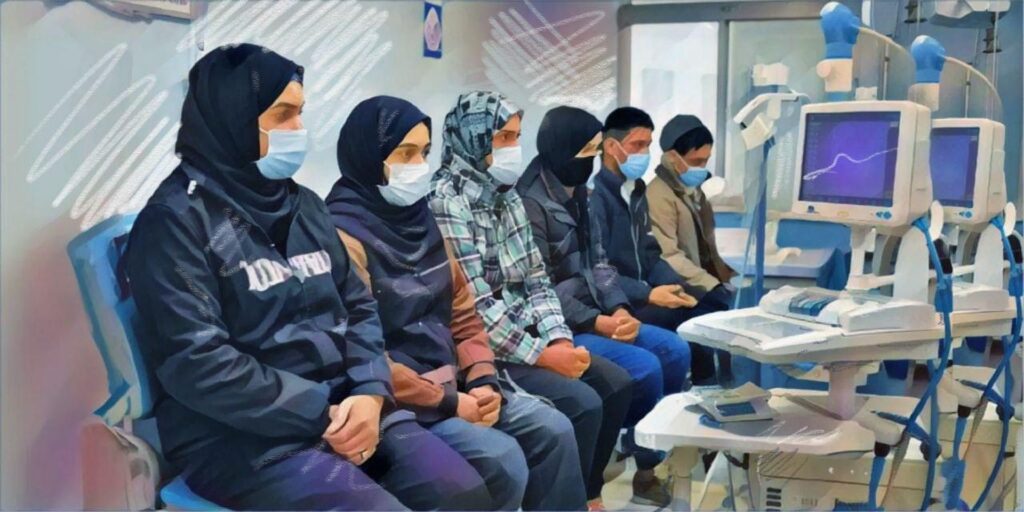
Despite a modest increase in the number of healthcare professionals, Tajikistan continues to face a significant shortage of medical personnel, particularly in rural regions. Authorities are hoping to bridge the gap through the recruitment of medical school graduates and the redistribution of existing specialists.

At a press conference on January 28, Minister of Health and Social Protection Jamoliddin Abdullozoda reported that as of early 2026, there were 22,419 doctors and 64,909 mid-level medical personnel working in the country’s healthcare system. These figures represent a year-on-year increase of 1.9% and 2.3%, respectively.

However, the staffing deficit remains unresolved. Tajikistan currently lacks 1,432 medical specialists. According to ministry estimates, the staffing rate for doctors stands at 94.3%, while for mid-level personnel it is 99.7%. These figures reflect slight improvements over the previous year, up 0.8% and 0.1%, respectively.

The shortage is unevenly distributed across the country. In July 2025, the minister had noted a shortfall of 1,600 specialists for the first half of the year, indicating a reduction of nearly 170 positions in the latter half. Nevertheless, the situation remains critical in remote and underserved areas.

Abdullozoda highlighted acute shortages in family medicine, as well as in the specialties of narcology, phthisiology, and radiology. In some regions, there is also a lack of gynecologists and surgeons.

To address immediate needs, the ministry has compiled lists of district-level doctors who will be deployed to remote areas on a rotating basis.

Authorities are also promoting personnel retraining to fill urgent gaps. “We are proposing that regions with shortages – for instance, if they lack radiologists – receive specialists from related fields such as surgery or traumatology. These doctors will undergo advanced training and then serve where they are most needed,” the minister explained.

In the long term, the government plans to solve the shortage by mobilizing young professionals. According to Abdullozoda, if at least 50% of medical school graduates begin working in their field of study, the staffing issue could be resolved.

The total number of students in medical universities reached 26,911 in 2026, an increase of 2,738 over the previous year. Enrolments in medical colleges also saw significant growth, with 80,000 students in the 2025–2026 academic year, up from 72,760 the year before.

Kazakhstan-Uzbekistan Jibek Joly Train Tour Extended to Tajikistan

Kazakhstan’s national railway company, Kazakhstan Temir Zholy (KTZ), has announced the expansion of its popular Jibek Joly (Silk Road) tourist train route to include Tajikistan, adding a new stop to one of Central Asia’s flagship railway tourism initiatives.

The updated route will now reach the Tajik capital, Dushanbe, extending the tour beyond Kazakhstan and Uzbekistan for the first time.

The inaugural journey on the extended route is scheduled to depart from Almaty on March 20, 2026, and return on March 25, passing through a series of historic Silk Road cities: Turkestan (Kazakhstan), Samarkand (Uzbekistan), Dushanbe (Tajikistan) and Tashkent (Uzbekistan).

The tour package includes rail travel, guided sightseeing, entrance to cultural and historical sites, and organized transfers. Its launch coincides with Nauryz, the region’s traditional spring holiday, allowing travelers to experience vibrant local celebrations along the way.

First introduced in November 2024, the Jibek Joly train originally ran between Almaty, Turkestan, and Tashkent, and has since become a highly visible symbol of the region’s growing tourism sector.

The project reflects broader efforts to promote Central Asia as a unified tourist destination. Regional leaders have advocated for a shared visa-free regime for foreign visitors, similar to Europe’s Schengen Zone, to encourage cross-border travel and boost international tourism.

Officials say that initiatives like Jibek Joly can help strengthen cultural ties, foster regional integration, and raise Central Asia’s profile on the global tourism map.

Kyrgyzstan Sues Russia at EAEU Court Over Migrant Families’ Health Insurance

Kyrgyzstan has filed a legal claim against Russia at the Eurasian Economic Union Court over Moscow’s refusal to issue compulsory medical insurance cards to the family members of Kyrgyz labor migrants working in Russia. The case, lodged on January 27, centers on whether Russia is meeting its obligations under the EAEU’s labor-migration agreement. Kyrgyz officials say the refusal to issue insurance to dependents violates provisions on social protection for migrants and their families inside the union.

The lawsuit was announced by Azamat Mukanov, chairman of Kyrgyzstan’s Mandatory Health Insurance Fund, at a meeting of the Jogorku Kenesh’s parliamentary committee on labor, healthcare, women’s affairs, and social issues. Mukanov said Russia is in breach of the EAEU agreement by denying required policies to family members, even though the pact covers migrant workers from all five EAEU members: Armenia, Belarus, Kazakhstan, Kyrgyzstan, and Russia.

“In practice, this provision does not work,” Mukanov stated. “Because of this, it was decided to apply to the EAEU court with a request to specify the provisions of the EAEU in this direction.”

Mukanov said proceedings are already underway, and a decision is “expected within two weeks.”

The dispute also surfaced during the recent visit of Russian Deputy Prime Minister Alexey Overchuk to Bishkek. Kyrgyz officials raised the issue in bilateral discussions but moved to litigation after limited progress through diplomatic channels.

The complaint does not dispute Russia’s right to manage its health system. Rather, it turns on whether family members of migrant workers – spouses, children, and other dependents – should be eligible for free health insurance once their breadwinners are lawfully employed in Russia. Insurance of this kind, known locally as OMS, opens access to a broad range of state-funded medical services beyond emergency care. Without it, dependents may have to pay out of pocket or buy private coverage for non-urgent treatment.

Under the EAEU’s social security provisions, the right to social protection and medical care for a worker and their family should be on the same terms and conditions as for citizens of the State of employment. That language appears in the union’s treaty and its annexes regulating labor and social rights. Kyrgyz officials argue that Russian practice undermines that principle when family members are excluded.

Kyrgyzstan is one of Russia’s closest partners in Central Asia, bound by deep economic, security, and migration ties. Bishkek is a member of the Eurasian Economic Union and the Moscow-led Collective Security Treaty Organization, and has generally avoided direct public disputes with the Kremlin. Kyrgyz officials have typically sought to resolve migration-related frictions quietly through bilateral channels, making the decision to take Russia to a supranational court unusual.

In April 2025, Kyrgyzstan’s Foreign Ministry summoned Russia’s ambassador after police reportedly used force against Kyrgyz nationals in a Moscow bathhouse raid, a rare diplomatic protest against Russia that underscored growing domestic concern over the treatment of migrant workers.

The EAEU Court in Minsk adjudicates disputes over the interpretation of union law and ensures consistent application across member states. It consists of judges from all five members and issues decisions on matters brought by member governments or executive bodies. The court’s decisions clarify legal obligations but do not rewrite union treaties; compliance depends on the parties and, ultimately, on political follow-through.

Labor migration from Kyrgyzstan to Russia remains a major economic lifeline for many families. Russia is by far the largest destination for Kyrgyz workers, who are employed across construction, services, and seasonal jobs. At the end of 2024, 379,949 Kyrgyz nationals were registered with the Russian migration authorities, making up a significant share of Kyrgyzstan’s foreign income. Between January and May 2025, remittances from Russia accounted for 94% of total inflows, which have deep effects on household economies back home and on broader fiscal stability.

That deeper economic context shapes the political stakes of the legal dispute. If family members cannot secure affordable health care in Russia, households face stark choices: delay treatment, pay out of pocket, or carry the cost of private insurance. This raises domestic pressure on Bishkek’s leaders, especially as the country debates reforms to its own mandatory insurance system, and as Moscow tightens migration enforcement and oversight in ways that increase insecurity for Central Asian workers and their families.

The EAEU pact was designed to pool aspects of economic and social integration, including the free movement of labor and equal treatment in employment and social benefits. Kyrgyzstan has pointed to those treaty commitments as the basis for its claim. Russia’s refusal to issue insurance cards to dependents, according to Kyrgyz officials, undermines the union’s promise of equal protection.

The case has drawn attention against the backdrop of tighter migration policies in Russia. Since 2024, after the deadly Crocus City Hall attack that triggered a massive backlash, the Russian authorities have pushed measures to restrict access to certain social benefits for foreign workers. Some Russian lawmakers have said free medical care should apply only after years of legal employment.

Kyrgyz officials and lawmakers have framed the lawsuit as part of a wider effort to defend the rights of Kyrgyz citizens working abroad. By moving the dispute to the EAEU Court, Bishkek is seeking an authoritative interpretation of union law that could influence how Russia and other members handle similar social-protection issues.

For Russia, the case highlights tensions between national policy priorities and regional commitments under the EAEU framework. Moscow has consistently emphasized its sovereign right to set eligibility criteria for social programs.

A ruling in Kyrgyzstan’s favor would send a message that the EAEU’s labor and social provisions have concrete legal force. It could obligate Russia to extend medical insurance to the family members of migrant workers who hold lawful employment. That could ease the financial burden on thousands of households that depend on cross-border work.

If the court sides with Russia’s narrower reading of the treaty, however, the decision would solidify a more limited view of social rights for migrants and their families. This outcome would underscore the gap between high-level integration goals and on-the-ground application of social protections.

The forthcoming decision will test not only legal interpretations of the EAEU’s text, but also the strength of its commitments in practice, as member states navigate the balance between sovereign policy and regional obligations.

Tajikistan Approves Use of Central Bank Reserves to Fund Rogun Hydropower Plant

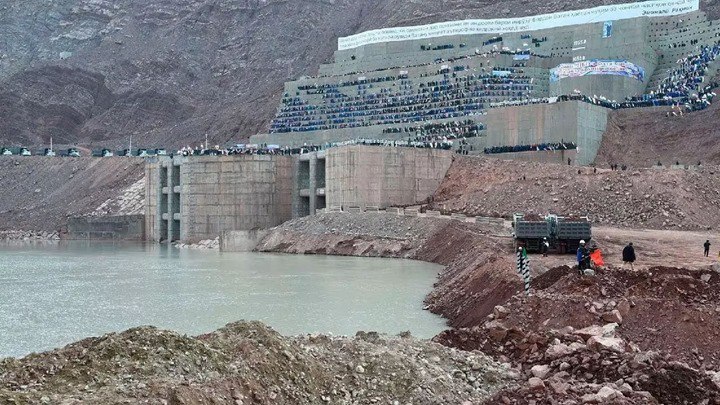
Tajikistan’s lower house of parliament on January 22 approved a draft law allowing funds from the reserve fund of the National Bank of Tajikistan to be used to finance construction of the Rogun Hydropower Plant, a project viewed as central to the country’s long-term energy strategy. The decision was reported by Sadoi Mardum, the official newspaper of the lower chamber.

According to the publication, the bill was introduced at the initiative of President Emomali Rahmon. Speaking before lawmakers, Finance Minister Faiziddin Qahhorzoda said the legislation creates a legal mechanism for channeling reserve fund resources through the state budget toward completion of Rogun, which authorities describe as a strategically important facility.

Qahhorzoda explained that the law provides for the transfer of 916 million Tajik somoni (approximately $100 million), representing the remaining balance of the National Bank’s reserve fund generated from its financial performance in 2024. He told deputies that the measure is intended to help Tajikistan achieve energy independence by 2027 and reduce reliance on external loans and grants.

The minister also pointed to broader budgetary support for the energy sector. Under the state budget for 2026, around 15 billion somoni (more than $1.6 billion) has been allocated for fuel and energy projects, with the majority of those funds earmarked for completion of the Rogun dam.

The parliamentary decision follows earlier reports highlighting financial oversight challenges surrounding the hydropower project. As previously reported by The Times of Central Asia, an independent audit of Rogun’s 2024 financial statements identified serious concerns related to financial reporting and internal controls.

The audit was conducted by Baker Tilly Tajikistan, a member of the international Baker Tilly network, and resulted in a qualified opinion. Auditors said they were unable to fully confirm the accuracy of the company’s accounts and cited several material issues, including a possible understatement of share capital. They also noted that they did not participate in scheduled inventories of cash, fixed assets, or other holdings as of December 31, 2024, limiting their ability to verify parts of the company’s assets.

Uzbekistan Clarifies Nuclear Plant Timeline After Reports of Delay

Uzbekistan’s plans to begin construction of its first nuclear power plant have come under renewed scrutiny following the publication of a draft state program suggesting the start of work could be postponed until December 2026. The draft made public on the regulation.adliya.uz portal prompted widespread media speculation.

According to the document, Uzbekistan intends to spend 2026 negotiating, signing, and registering an additional agreement with Russia’s state nuclear corporation, Rosatom. The proposed agreement would revise the configuration of the integrated nuclear power plant project, combining a large-capacity VVER-1000 reactor with small modular RITM-200N reactors. Some outlets interpreted this language as a sign that the pouring of the first concrete might not occur until the end of 2026.

In response, the Uzatom nuclear energy agency issued an official clarification, stating that previously announced timelines remain unchanged. In a statement released after the draft’s publication, Uzatom stressed that the document does not stipulate any postponement of construction. The agency noted that the December 2026 date reflects a conservative planning scenario in which all preparatory and licensing procedures are finalized by that time.

Uzatom emphasized its adherence to national legislation and international standards on nuclear and radiation safety. It added that the first concrete pouring, considered a key milestone, will only proceed after receiving all necessary permits and approvals from relevant authorities. “We clearly understand the level of responsibility involved in this stage,” the agency said, adding that work on the project is advancing across all areas.

The clarification comes amid sustained public interest in Uzbekistan’s nuclear energy plans. Speaking at World Atomic Week in Moscow in September last year, Uzatom Director Azim Akhmedkhadjaev stated that Uzbekistan aims to fully commission a high-capacity nuclear power plant by 2035. According to him, the first small modular reactor in the Jizzakh region is expected to begin operations in 2029, with a second unit following six months later. The first reactor of the large-scale facility is scheduled to come online in 2033, with full capacity reached by 2035, though Akhmedkhadjaev noted that final timelines are contingent on the completion of contractual agreements.

Uzatom said it will continue to provide timely updates as the project progresses through its key phases.

Japan Provides Grant for Digital Diagnostics in Dushanbe

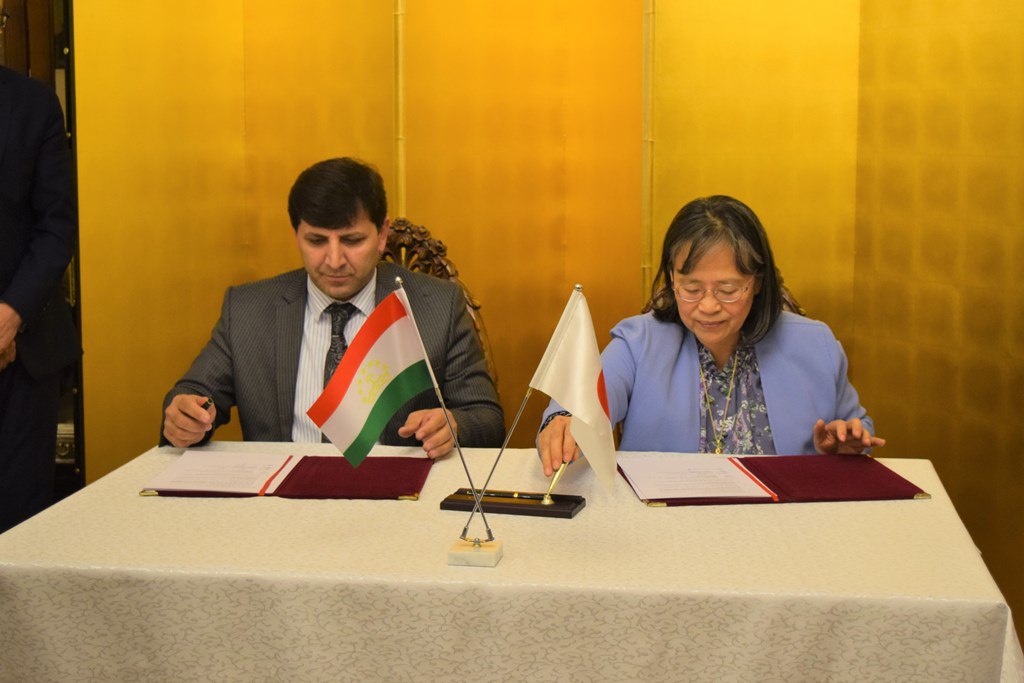
The Japanese government is continuing to expand its humanitarian cooperation with Tajikistan, with a renewed focus on strengthening the healthcare system and improving public access to medical services. On January 27, a grant agreement totaling $352,530 was signed under Japan’s Grant Assistance for Grassroots Human Security Projects (GGP) program.

The GGP initiative supports the development of social infrastructure in partner countries by funding projects in healthcare, education, and local government. In this case, the grant will be used to supply Health Center No. 14 in Dushanbe’s Sino district, one of the capital’s most densely populated areas, with state-of-the-art diagnostic technology.

The center will receive three modern Japanese-made digital fluorographs, which are expected to significantly improve the accuracy and speed of diagnoses, particularly for infectious diseases. The integration of this technology is intended to enhance both the quality and accessibility of healthcare services in the district, contributing to the broader strengthening of Dushanbe’s healthcare infrastructure.

Japanese Ambassador Keiko Furuta emphasized the strategic nature of Japan’s cooperation with Tajikistan, referencing the first Central Asia + Japan Dialogue Summit held in Tokyo last December. The summit reaffirmed healthcare as one of the priority areas of regional collaboration.

Japan has provided assistance to Tajikistan for over 30 years, dating back to the establishment of diplomatic relations. Through the GGP alone, 470 humanitarian projects, totaling $39.2 million, have been implemented across the country since 1996. These projects have largely supported local governments, healthcare and educational institutions, and international NGOs.